
Oregon Zoo Battles to Save Elephant Calf Tula-Tu from Deadly Herpesvirus After Historic Family Loss

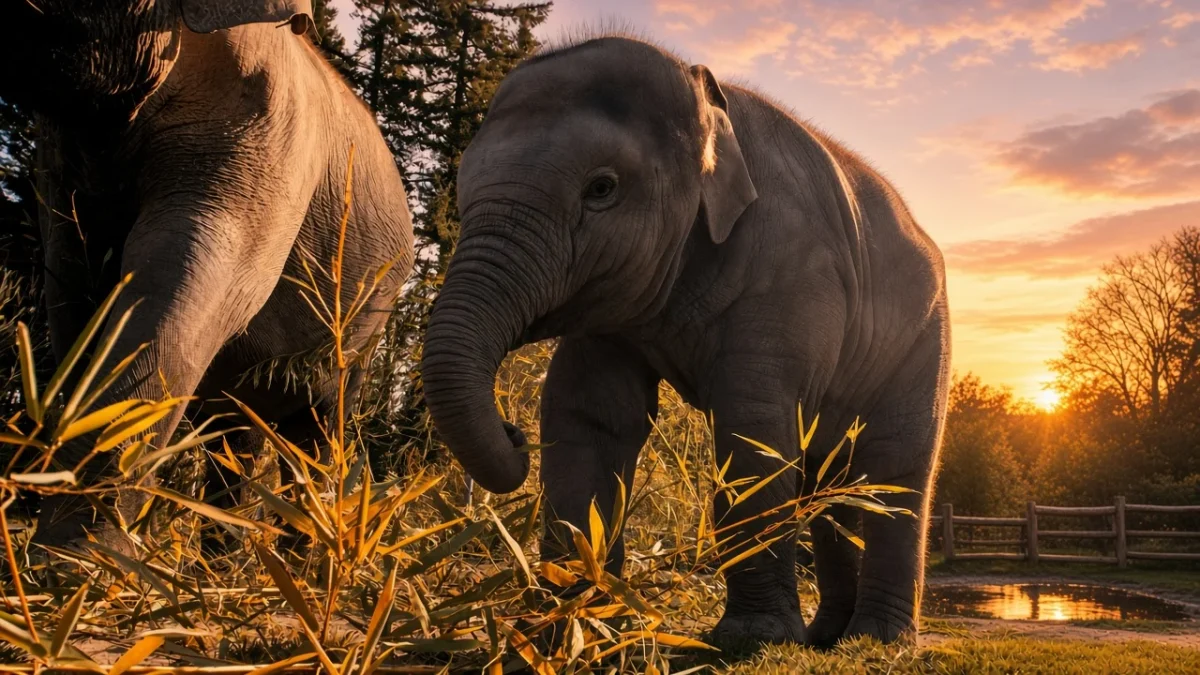
Veterinary specialists at the Oregon Zoo are engaged in a high-stakes medical intervention to save Tula-Tu, a young Asian elephant diagnosed with the lethal elephant endotheliotropic herpesvirus (EEHV). Care teams initiated urgent protocols after spotting subtle shifts in her normal behavior, keeping the calf in stable condition while closely managing an infection that can turn catastrophic in a matter of hours.
The diagnosis carries an immense emotional resonance for wildlife professionals and animal lovers across the country. Tula-Tu’s mother, Rose-Tu, previously suffered the devastating loss of another calf, Lily, who succumbed to the very same virus in 2018 just shy of her sixth birthday.
Medical teams emphasize that every passing hour of physiological stability represents a critical milestone in her recovery timeline.
Rapid Detection and Precautionary Care
The health alert began when care staff observed subtle drops in Tula-Tu’s usual energy and interaction. Rather than waiting for overt symptoms to manifest, veterinarians immediately drew blood samples and launched preventative supportive therapy before receiving laboratory confirmation.
Technicians identified an abnormally low white blood cell count, prompting clinicians to initiate targeted antiviral medication without delay.
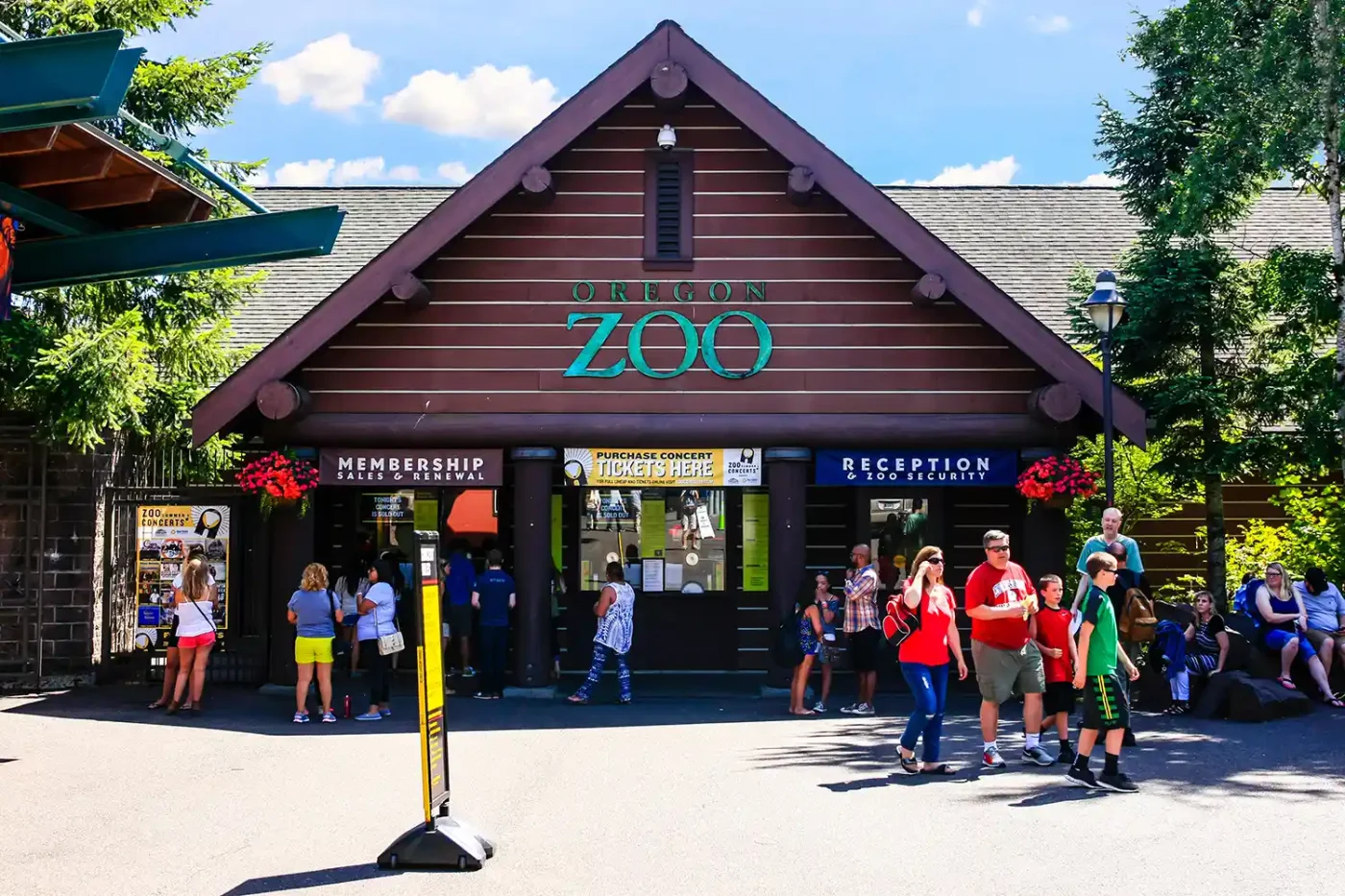
Entrance to the Portland Zoo at Washington Park in Portland, Oregon.
Diagnostic testing conducted by Oregon State University’s veterinary laboratory confirmed elevated EEHV levels in her bloodstream the following day. That confirmation led medical staff to escalate her care regimen with regular plasma transfusions to strengthen her immune defense.
“Early detection is critical. She’s not out of the woods yet, but these findings provide grounds for cautious optimism. Every hour of stability brings her one step closer to recovery.” — Dr. Carlos Sanchez, Oregon Zoo Director of Animal Health
Clinical Milestones and Monitoring
Because EEHV strikes blood vessels and can lead to sudden, severe internal hemorrhaging, close hematological tracking is essential. The veterinary staff established intensive checkpoints to assess her progression:
- Viral Load Stabilization: Lab tests confirmed the virus stopped multiplying exponentially under active therapy.
- Platelet Preservation: Blood platelet counts remained within normal ranges, reducing the threat of spontaneous bleeding.
- Immune Recovery: White blood cell metrics began an upward trend, pointing to early immune resistance.
Understanding EEHV: Public Perception vs. Documented Reality
EEHV remains widely misunderstood outside specialized conservation spheres, often mistaken for an introduced outbreak rather than an endemic biological reality.
| Common Misconception | Documented Biological Fact |
|---|---|
| Elephants catch EEHV from sudden exposure to outside contaminants. | The virus is naturally carried in a latent state by almost all Asian elephants. |
| Adult elephants face the greatest mortality risk from active infection. | Calves between ages 1 and 8 are the most vulnerable as maternal antibodies fade. |
| A single generic treatment protects calves from every viral encounter. | Multiple genetic strains exist, requiring differentiated immune responses and tailored therapies. |
The Vaccine Variable: Navigating Strain Differences
Earlier in the year, Tula-Tu made headlines as the first elephant on the West Coast to receive an experimental mRNA vaccine engineered specifically against EEHV-1A, historically the most prevalent strain of the pathogen.
However, diagnostic profiling revealed that her current active illness involves an alternate variant: EEHV-1B. Veterinary researchers are working without precedent to evaluate whether the initial vaccine confers cross-reactive protection against this secondary lineage.
“We do not know whether the EEHV-1A vaccine is protective for the -1B variant. It’s possible, but to what degree remains unknown.” — Dr. Carlos Sanchez, Oregon Zoo Director of Animal Health
For roughly a quarter of a century, the Oregon Zoo has been a frontline contributor to global collaborative research on EEHV detection and treatment models. The blood samples, immune markers, and viral kinetics documented throughout Tula-Tu’s medical care will directly inform international protocols aimed at safeguarding both managed herds and wild populations living in Asian range countries.
💬 The fight against EEHV represents one of the most critical challenges in modern wildlife medicine.
✨ Tula-Tu’s resilience and the Oregon Zoo veterinary team’s quick action offer a powerful look into the dedication required to protect endangered species.
📱 Have you followed Tula-Tu’s journey, or do you have words of support for her care team? Drop your thoughts in the comments below!
 1
 2
 3
 4
