
Prince William May Sever Historic Royal Precedent by Refusing to Lead the Commonwealth as King Charles Faces Caribbean Crisis

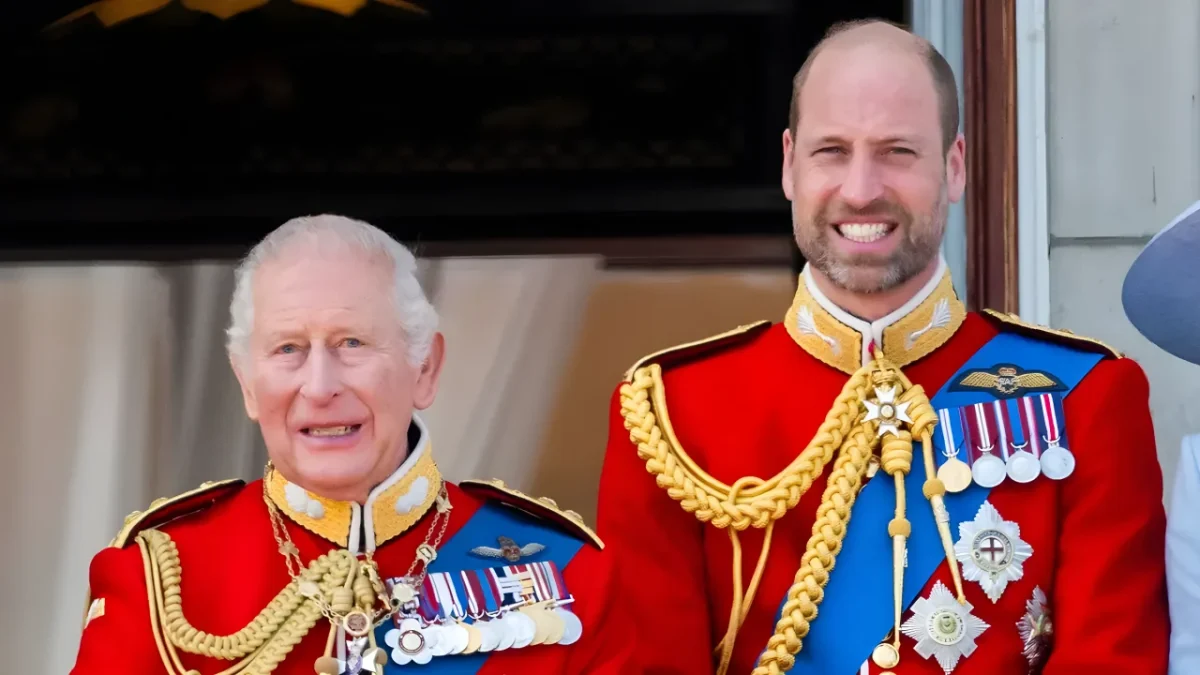
Prince William is prepared to break centuries of royal tradition, with insiders confirming he is not actively seeking to succeed King Charles as the head of the Commonwealth when he eventually takes the throne. The revelation marks an unprecedented shift in modern royal history, signalling a radical reimagining of the British monarch’s global remit.
The position, which unites 56 independent member nations representing roughly 2.5 billion citizens, has long been viewed as the crown jewel of modern royal duty. Yet as King Charles embarks on a high-stakes Caribbean tour dominated by demands for colonial accountability, William’s camp has made his long-term stance clear.
Following intense protests and diplomatic unrest during his 2022 Caribbean tour alongside Catherine, the Princess of Wales, William spoke candidly about the shifting landscape: “Who the Commonwealth chooses to lead its family in the future isn’t what is on my mind.”
Sources speaking to The Times confirmed that the heir to the throne has refused to soften his stance: “The position hasn’t changed.”
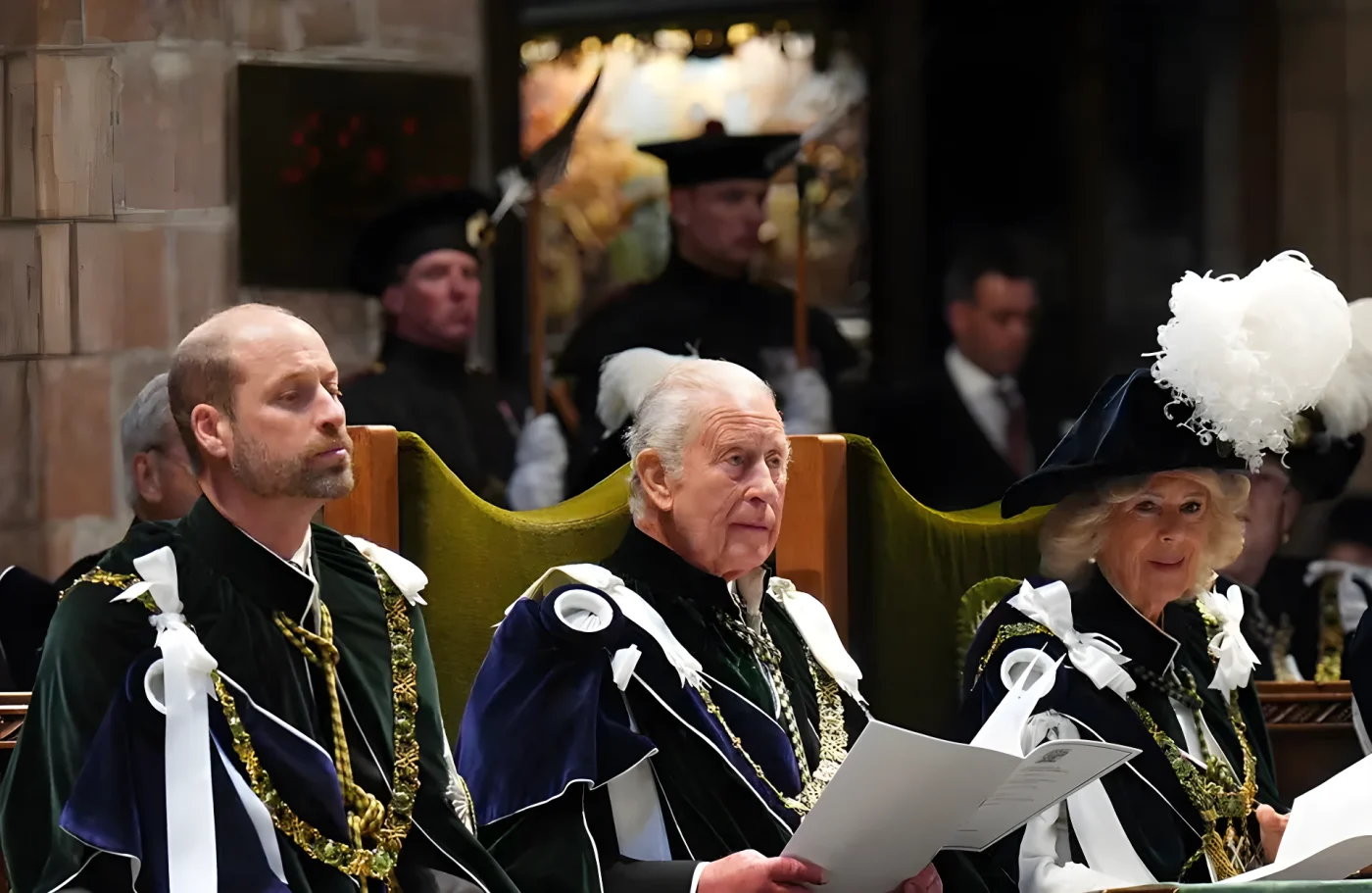
Prince William, King Charles III and Queen Camilla in ceremonial robes at the Thistle Service at St Giles.
A Non-Hereditary Crown: The Looming Constitutional Shift
The Commonwealth operates as a voluntary collective of 56 sovereign nations, almost all of which share historic ties to the former British Empire. Crucially, the role of head is not hereditary and does not automatically pass from monarch to heir.
While Commonwealth leaders reached a unanimous agreement in 2018 designating Charles as Queen Elizabeth II’s successor, William appears wholly disinclined to lobby for the same privilege. His 2022 visit to Belize, the Bahamas, and Jamaica prompted substantial public pushback, forcing the Prince to modify speeches mid-tour to formally acknowledge the UK’s historic involvement in the transatlantic slave trade.
William’s pragmatic approach reflects a recognition that former British dominions are charting independent paths without relying on Windsor figureheads.
King Charles Confronts Growing Caribbean Demands
The stark reality facing the Royal Family is playing out directly in the Caribbean, where King Charles and Queen Camilla are undertaking a nine-day official tour visiting the Bahamas, Guyana, and Antigua and Barbuda. Charles is presiding over the biennial Commonwealth Heads of Government Meeting (CHOGM) in Antigua alongside a solo state engagement in Guyana.
The diplomatic visit comes at a delicate time, as the monarch continues his ongoing treatment for cancer while confronting growing calls for reparatory justice.
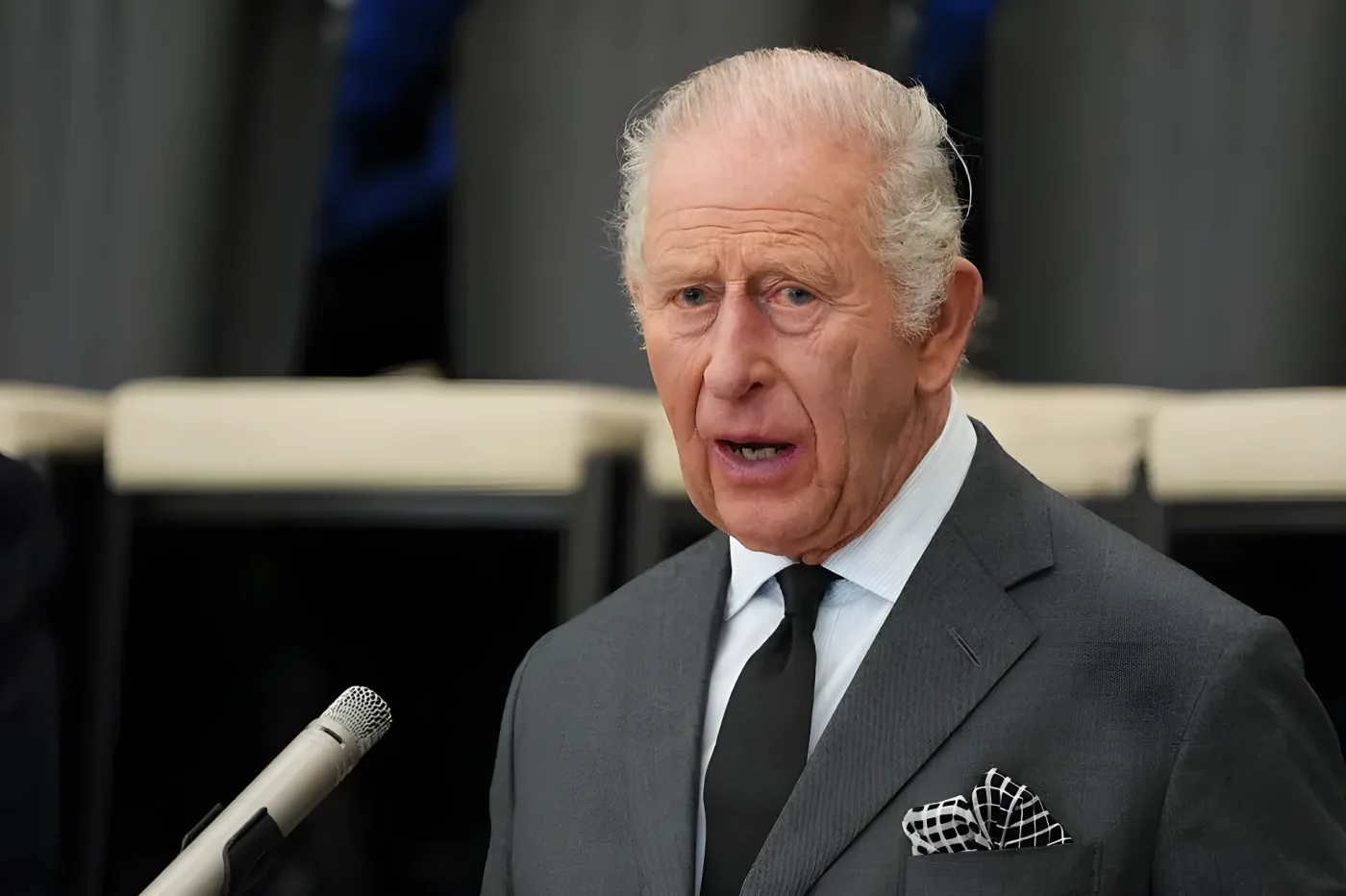
King Charles delivering a speech during an official royal engagement.
Guyana’s President, Mohamed Irfaan Ali, stated that while the King has previously acknowledged transatlantic chattel slavery as one of the darkest periods in human history, an official state apology represents “the next step” that Caribbean nations are waiting to hear.
However, British constitutional rules leave the King’s hands tied on foreign soil:
- Ministerial Advice: As a constitutional head of state, the monarch acts solely on the advice of British government ministers, who have maintained a firm policy against issuing formal apologies or committing to financial reparations.
- Reparations Frameworks: Regional leaders, spurred by Barbados Prime Minister Mia Mottley, recently unveiled a unified slavery reparations manifesto to demand structured financial compensation and redress from former colonial powers.
- Legal Petitions: A diplomatic delegation from Jamaica travelled directly to the United Kingdom to file an official petition asking the King to refer legal questions surrounding transatlantic slavery to the Judicial Committee of the Privy Council.
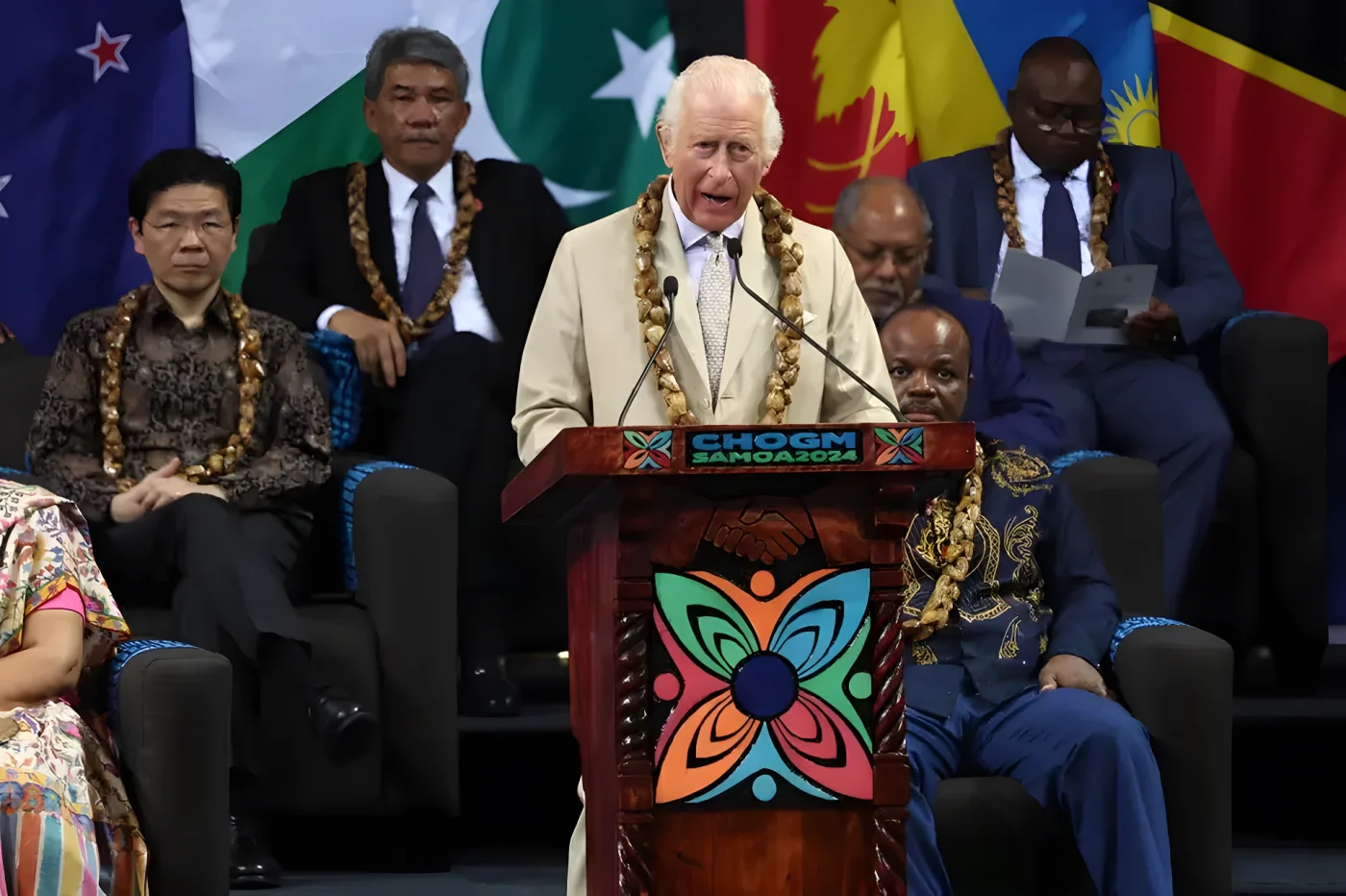
King Charles addresses the opening ceremony of the Commonwealth Heads of Government Meeting.
Buckingham Palace Navigates a Fractured Legacy
Buckingham Palace has reiterated that King Charles remains “personally and wholeheartedly committed” to addressing historical wrongs. During the 2021 transition ceremony that saw Barbados sever ties with the Crown to become an independent republic, Charles spoke openly of the “appalling atrocity of slavery”, stating it “forever stains our history.”
A Palace spokesperson affirmed that while colonial legacy debates are vital, “these are primarily matters for Governments to address.” The gulf between royal personal regret and state-level policy highlights why the Prince William Commonwealth succession strategy has shifted toward stepping aside.
Rather than fighting to preserve an imperial-era mantle, the future King seems prepared to let member nations determine their own governance without an automatic British sovereign presiding over them.
💡 By distancing himself from the race to lead the Commonwealth, William is quietly preparing a streamlined, domestic-focused monarchy tailored specifically for modern Britain.
🔍 As republican movements gather momentum across the Caribbean, the choice to release royal claims to the organisation could define the legacy of the next reign before it even begins.
📌 Should the British monarch remain head of the Commonwealth, or is it time for the Royal Family to step aside completely? Share your thoughts below.
Source: www.hellomagazine.com
 1
 2
 3
 4