
Served on Set: Why Frank Sinatra Humiliated Mia Farrow With Sudden Divorce Papers During Rosemary’s Baby

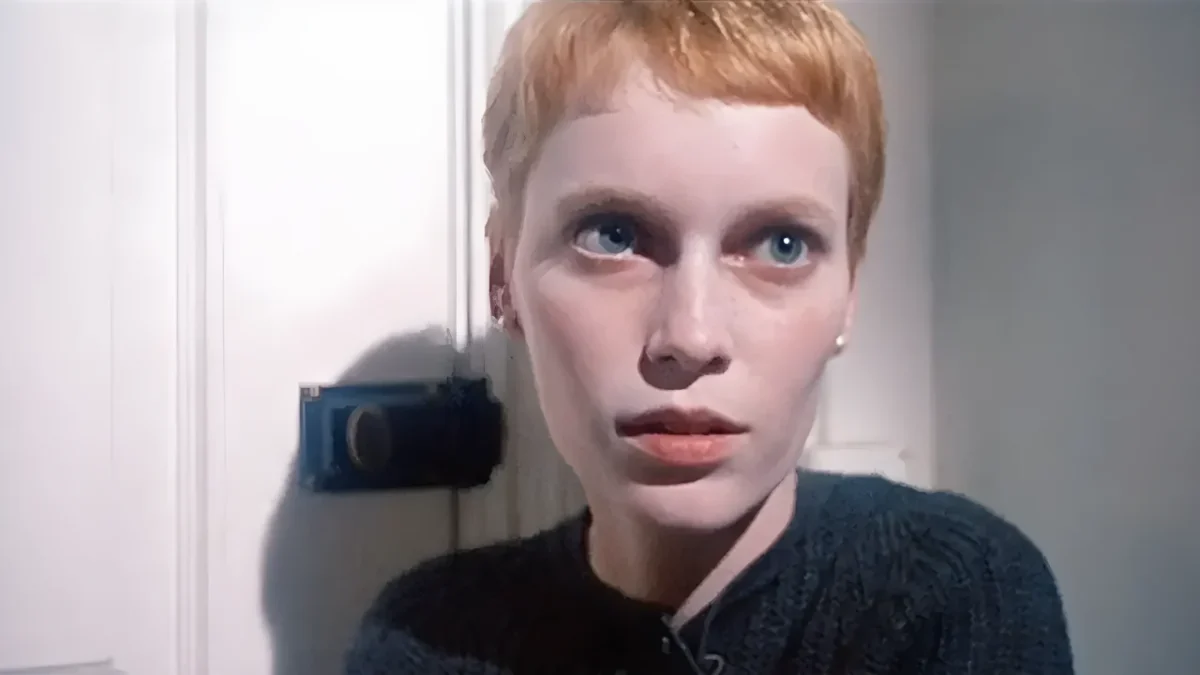
Mia Farrow was publicly handed divorce papers on the set of Rosemary’s Baby because production overruns directly defied Frank Sinatra’s demand that she abandon the psychological thriller to co-star in his own film. Delivered in full view of the cast and crew, the legal ambush brought an abrupt end to one of mid-century Hollywood’s most scrutinised marriages.
The humiliating confrontation took place in late 1967, turning Roman Polanski’s horror masterpiece into the backdrop of an off-screen marital breakdown.
Sinatra had expected total domestic obedience from his young bride, yet her refusal to walk away from what became a cinema classic triggered his swift, public retribution.
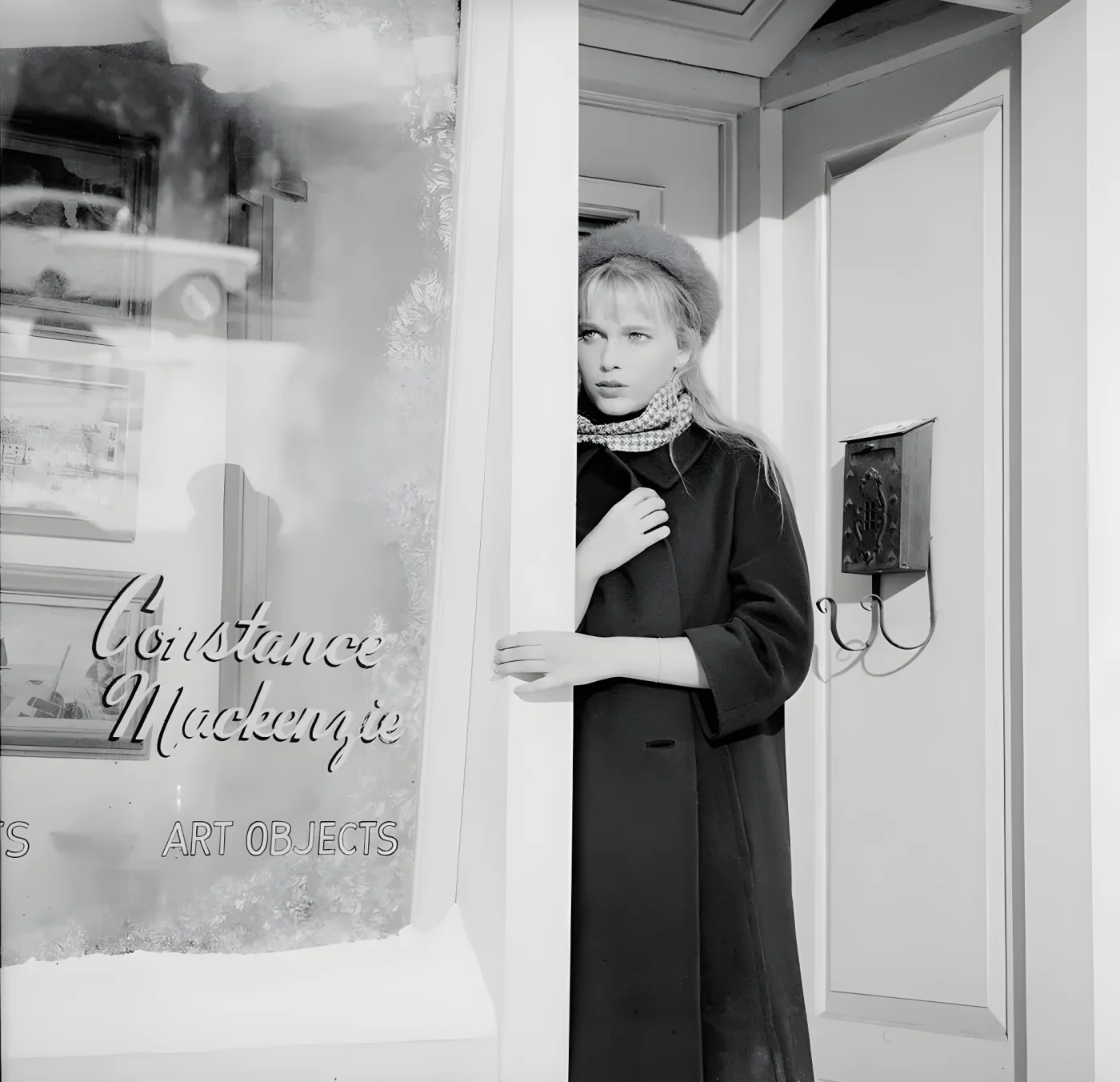
Mia Farrow appearing in the television series Peyton Place in 1964.
A Rapid Rise and an Improbable Hollywood Match
Before she took on the role of Rosemary Woodhouse, Mia Farrow was far from an established box-office draw. At just 22 years of age, she possessed only a single feature film credit from the 1964 production Guns at Batasi, alongside widespread public recognition for her television role in the soap opera Peyton Place.
Director Roman Polanski had initially visualised an entirely different presence for Ira Levin’s fictional heroine, weighing up several alternative actresses before settling on Farrow:
- Tuesday Weld, considered early on during the preliminary casting search
- Jane Fonda and Goldie Hawn, both considered for their girl-next-door commercial appeal
- Sharon Tate, Polanski’s then-fiancée, who was also weighed as a potential choice
Farrow, complete with her radical pixie haircut, secured the role in 1967. The casting quickly pushed her onto a direct collision course with her legendary husband.
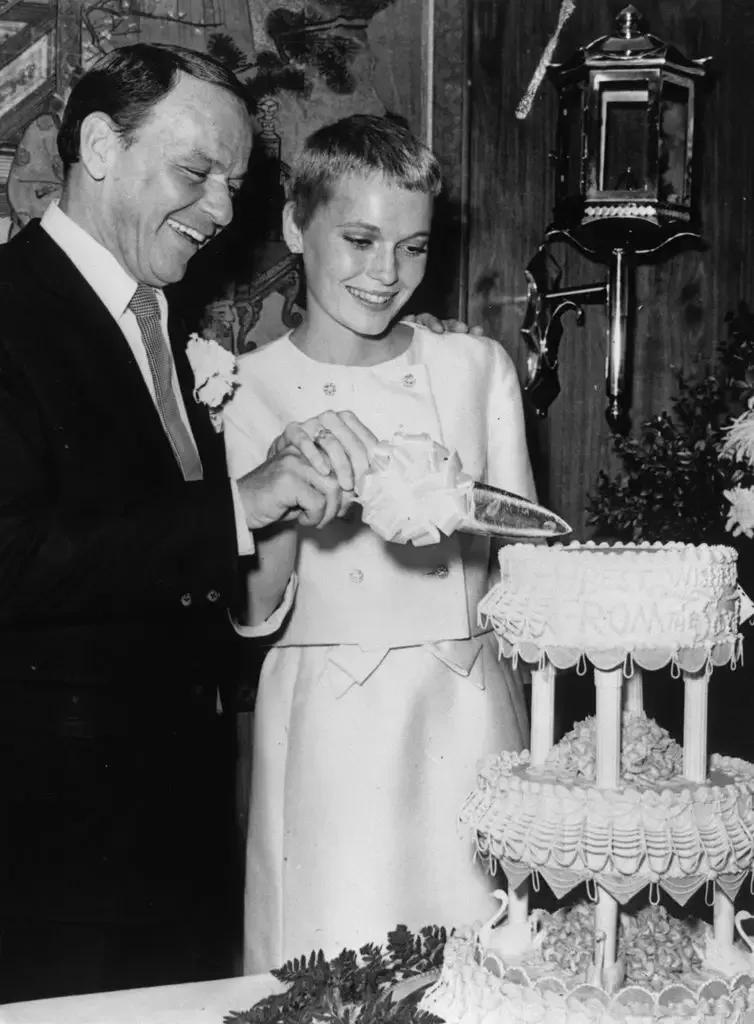
Frank Sinatra and Mia Farrow at their wedding reception in Las Vegas in July 1966.
The Ultimatums Behind the Sinatra Marriage
Farrow had first met Frank Sinatra on the studio set of Von Ryan’s Express in 1965. When the pair married in Las Vegas in July 1966, the considerable 29-year age gap—she was 21 while he was 50—immediately captured international headlines.
Sinatra, revelling in a career resurgence propelled by his hit single “Strangers in the Night”, entered the marriage with traditional and rigid expectations. He insisted that his wife abandon her burgeoning acting career entirely, having already persuaded her to quit Peyton Place.
The sole exception to this domestic rule was an agreement that she would appear opposite him in his 1968 detective thriller, The Detective. When Farrow accepted Polanski’s offer to headline Rosemary’s Baby in the summer of 1967, that delicate marital pact began to fracture.
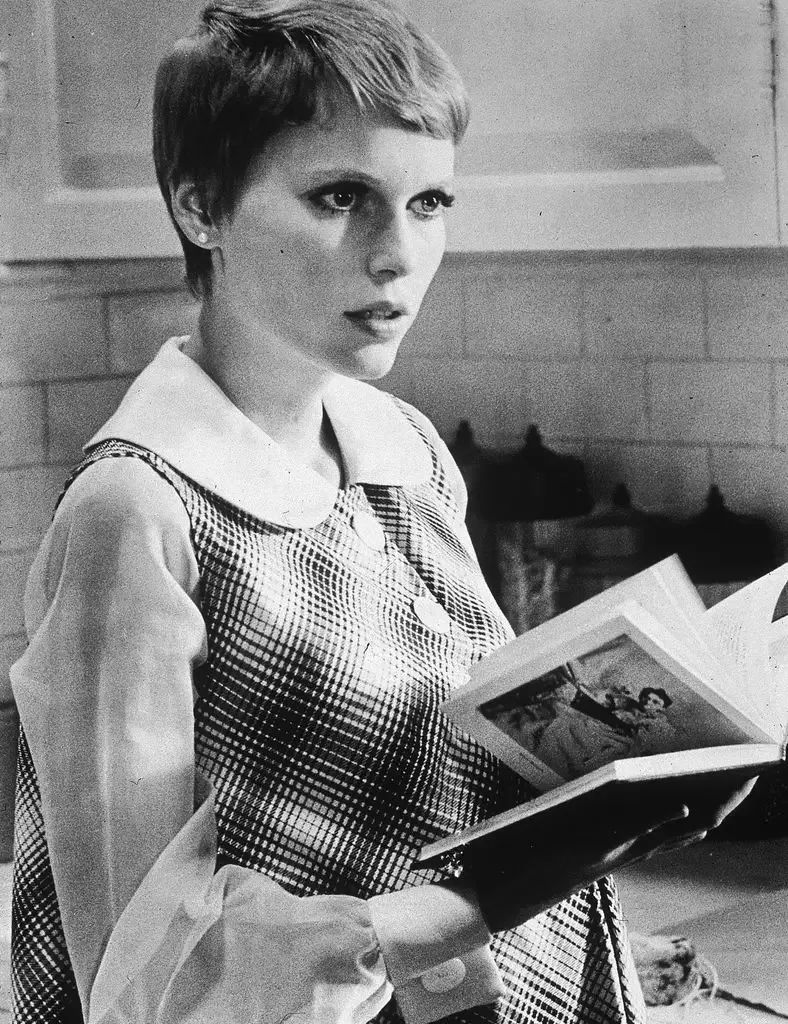
Mia Farrow on the film set of Rosemary’s Baby in 1968.
The On-Set Ambush: How Polanski’s Delays Broke the Union
Production on Rosemary’s Baby quickly fell behind schedule. Polanski’s meticulous, exacting directorial approach dragged principal photography weeks past its planned completion date.
The prolonged timetable created an insurmountable scheduling clash with The Detective. Sinatra issued an ultimatum for Farrow to leave the set immediately, prioritising his production over Polanski’s.
The Moment the Papers Arrived
When Farrow chose to honour her contractual commitments, Sinatra reacted decisively. A corporate lawyer walked onto the Paramount set and served her with divorce papers in front of the assembled cast and crew.
Although Farrow initially pleaded with producers to release her from her contract so she could salvage her marriage, she ultimately remained on set to finish the shoot. Sinatra instantly retaliated by recasting her role in The Detective, awarding the part to British actress Jacqueline Bisset.
By August 1968, just two months after Rosemary’s Baby opened to immense critical and commercial acclaim, their divorce was finalised, ending their marriage after barely two years.
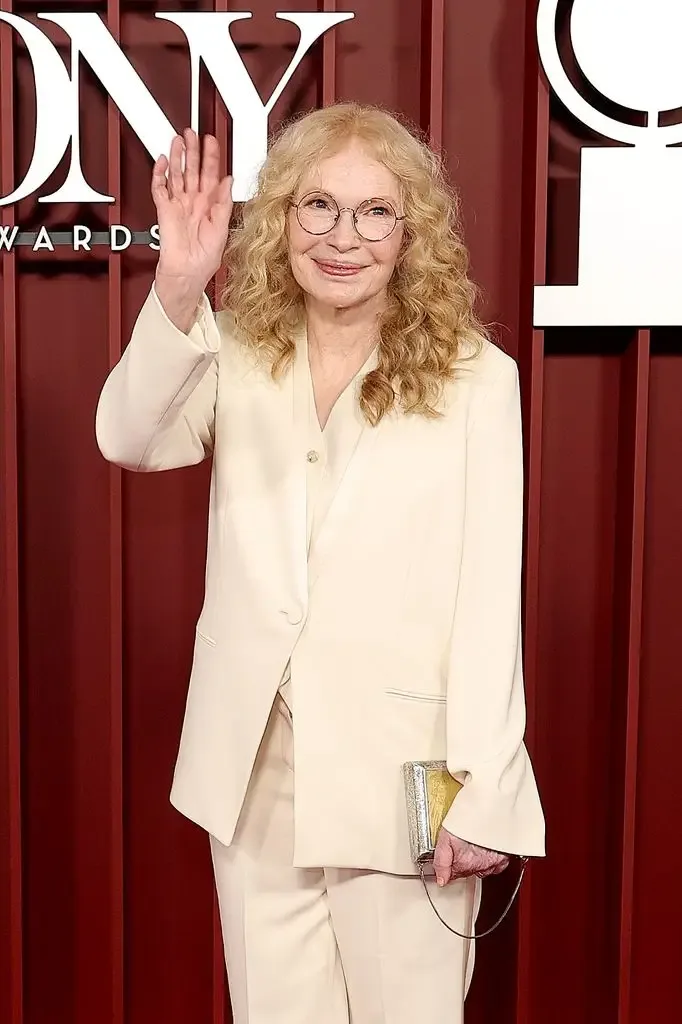
Mia Farrow attending the 78th Annual Tony Awards in New York City.
Reflections on a Turbulent Partnership
The phenomenal success of Rosemary’s Baby cemented Farrow’s status as a leading dramatic talent, softening the blow of an excruciatingly public separation. Decades later, her retrospective view of the relationship retained deep affection.
In a 2013 interview with Vanity Fair, Farrow referred to Sinatra as the great love of her life, remarking that they “never really split up.”
The legacy of their bond generated persistent questions for years to come. While Farrow sparked widespread speculation regarding whether her son Ronan Farrow was biologically Sinatra’s rather than Woody Allen’s, Ronan and members of the Sinatra family have firmly denied the claims.
💡 The clash between professional ambition and domestic control remains one of classic cinema’s most striking behind-the-scenes controversies.
🔍 Choosing between a breakthrough career role and a high-profile marriage defined Farrow’s path for decades to follow.
📌 Did Mia Farrow make the right choice by choosing Rosemary’s Baby over Sinatra’s ultimatum? Share your thoughts below.
Source: www.hellomagazine.com
 1
 2
 3
 4