
She Paid $200,000 to Live on a Luxury World Cruise for 15 Years. Months Before 200 Passengers Were Stranded in Cambodia, She Saw the Warning Signs


Sharon Lane spent over $200,000 to live out the next 15 years of her retirement at sea aboard The Odyssey cruise, selling off most of her worldly possessions for what was pitched as an endless voyage of luxury. Instead, she encountered rationing, engine shutdowns, and quiet pleas for extra gas cash months before operator Villa Vie Residency abruptly gave 200 passengers less than 24 hours to evacuate the vessel in Cambodia.
The 78-year-old retired teacher from Orange County, California, left the ship in August due to personal health concerns. Yet her early exit revealed a troubling pattern of financial distress aboard the residential cruise line long before its headline-making collapse in the port city of Sihanoukville.
Speaking to NBC Los Angeles, Lane detailed an environment far removed from the lavish brochure promises, warning that basic operational necessities had begun breaking down while the ship was still deep into its international route.
What Went Wrong Aboard The Odyssey?
While extended-stay cruises are often marketed as stable, self-contained floating communities for well-heeled retirees, Lane described an operation struggling to maintain everyday provisions. She pointed to long stretches between meals where food access was heavily restricted.
“They went from lunchtime to almost 7 o’clock. They would put cookies out. That’s not enough food. They were mad people were taking food and hoarding it in their food. You don’t feed them. What do you expect?”
The culinary cutbacks were accompanied by noticeable changes in navigation. To conserve resources, the ship frequently reduced its transit speeds or idled in open waters.
“We were literally floating out in the ocean, not spending gas to propel ourselves in any one direction or the other,” Lane recalled.
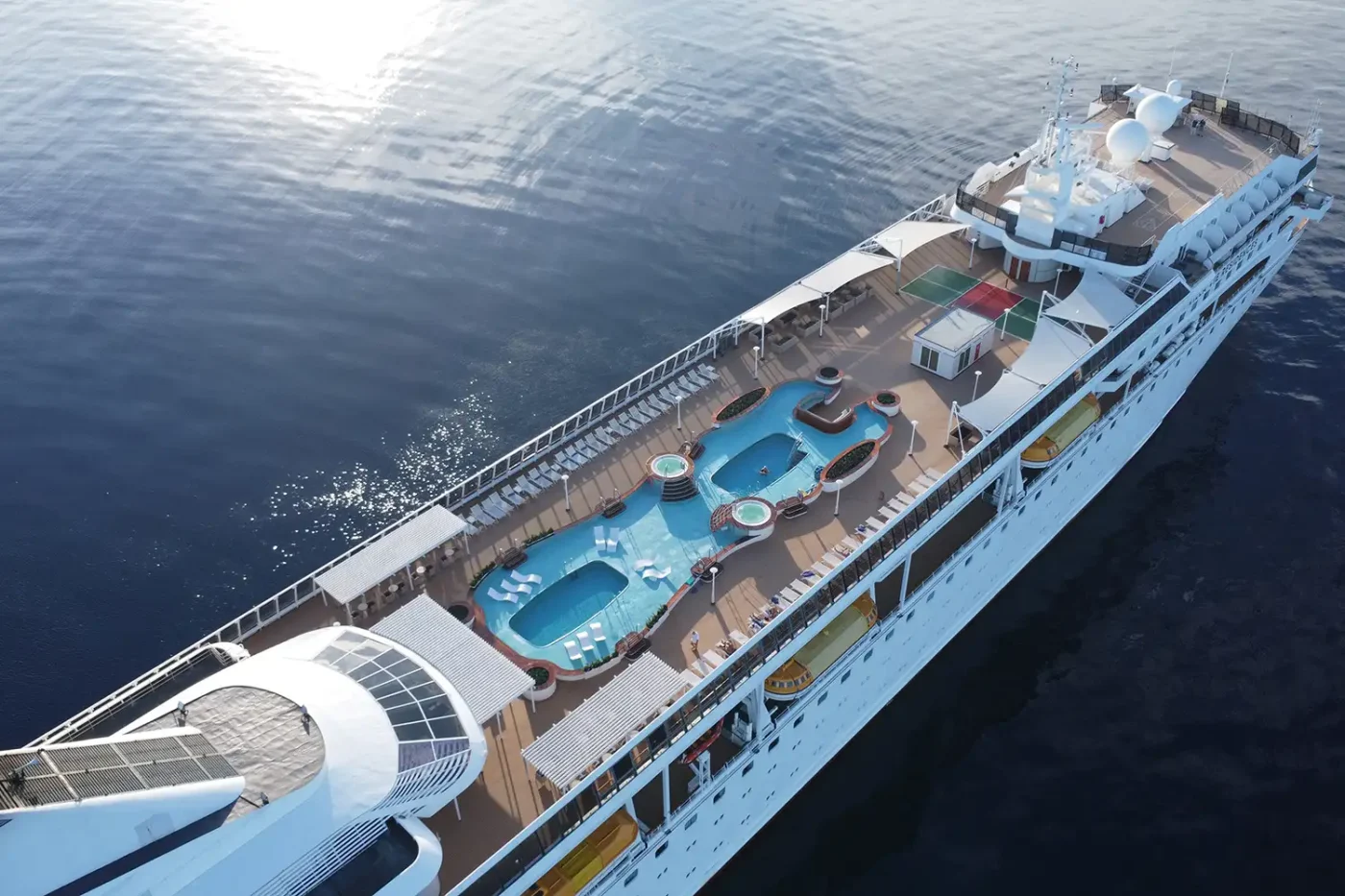
Villa Vie Odyssey
Asking Residents for Fuel Money
The operational strain quickly turned financial. According to Lane, Florida-based Villa Vie Residency went so far as to ask onboard residents to personally chip in for fuel expenses.
Lane stated that she personally contributed hundreds of dollars to help cover the deficit, primarily to shield vulnerable neighbors who could not afford unexpected out-of-pocket demands.
“I went, ‘They got to be out of their minds. How dare they?’ I have friends on that ship that couldn’t afford it. They sold everything, and they live on Social Security, and they did not have high-end jobs when they were working.”
Many aboard had liquidated primary residences and retirement portfolios under the assumption that their upfront payments covered lifelong essentials, leaving them virtually zero fallback funds when operations stalled.
The Reality Gap in Long-Term Sea Living
A common misconception among prospective residential cruisers is that upfront cabin purchases function identically to real estate, guaranteeing permanent shelter and fixed-cost living. In reality, maritime operations carry immense exposure to geopolitical volatility, bunker fuel spikes, and mechanical upkeep that corporate management can rarely insulate indefinitely.
| Brochure Expectation | Documented Ship Reality |
|---|---|
| All-inclusive 15-year global luxury voyage | Hours-long meal gaps and cookie rations |
| Fully funded operational sailing schedule | Engines idled at sea; requests for passenger fuel cash |
| Permanent residential security at sea | Sudden 24-hour eviction notice delivered in Cambodia |
| Dedicated customer support and relocation | Stranded guests reportedly received no hotel vouchers |
The Abrupt Evacuation in Cambodia
The simmering crisis reached a breaking point when Villa Vie Residency announced an immediate suspension of operations in Sihanoukville, Cambodia. Approximately 200 remaining guests were informed that they had under 24 hours to vacate the ship.
The company issued a press release citing extraordinary increases in marine fuel costs tied to conflict in Iran disrupting critical transport routes through the Strait of Hormuz. Company leadership acknowledged earlier conservation efforts, noting they had slowed transit times and prolonged port stays since late February, but admitted the operational losses had become unsustainable.
Villa Vie Residency indicated it entered a 60-day restructuring and recapitalization period to determine its financial future, conceding that passing the full fuel surges onto guests was not realistic and stating that no outcome is guaranteed.
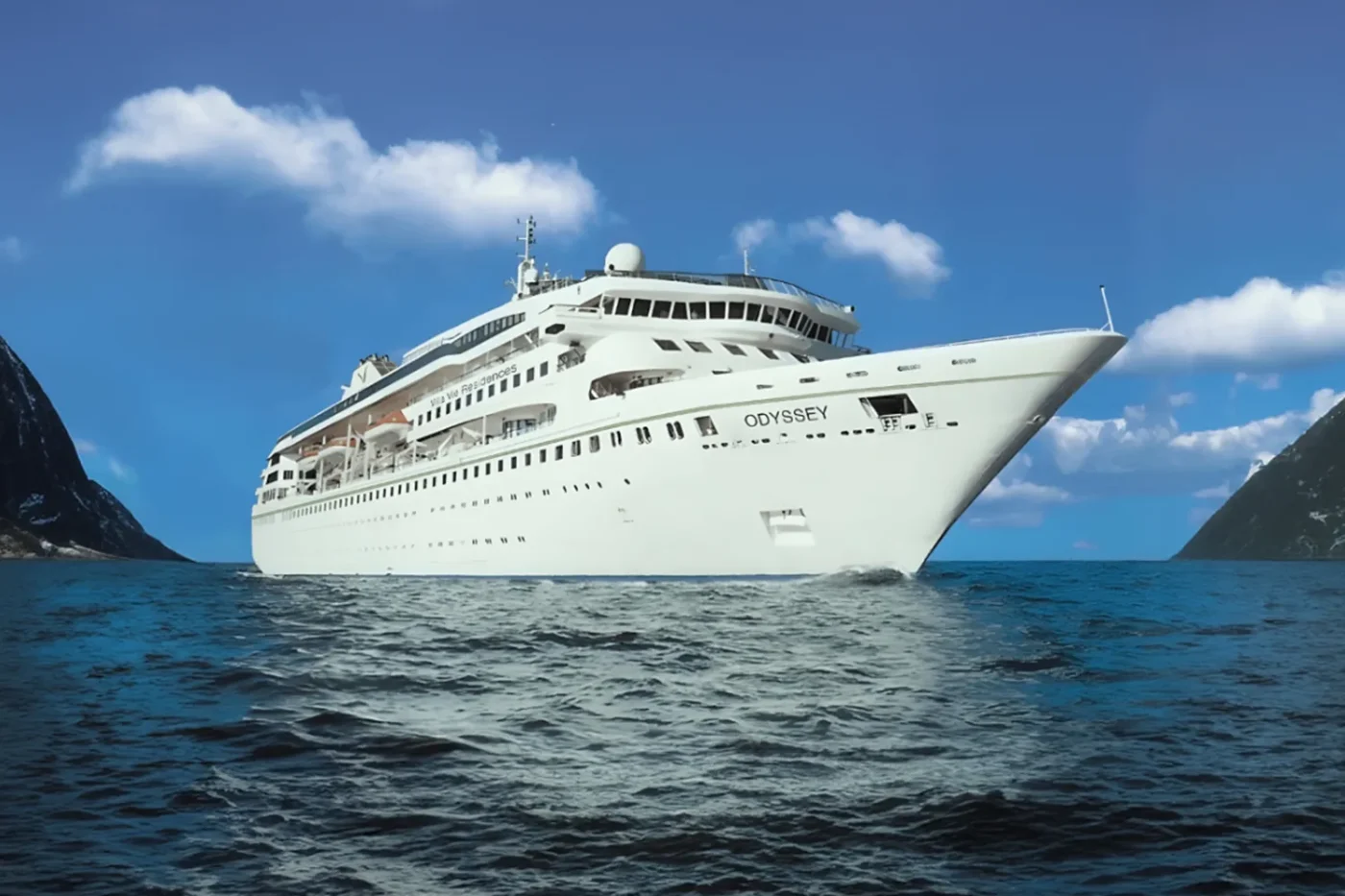
Villa Vie Odyssey
Lane noted that several of her former shipmates were left in Cambodia without emergency hotel vouchers or immediate recourse after surrendering their homes stateside.
Today, Lane resides in a sparsely furnished rental apartment back in Orange County. Her maritime ambitions, along with the six-figure investment she put behind them, have come to an abrupt halt.
“I won’t do it now,” Lane affirmed. “I’m done.”
💬 Would you ever risk your retirement savings to live permanently on a residential cruise ship?
✨ The dream of endless sea travel comes with high-stakes financial realities that few brochures ever disclose.
📱 Share this story with friends or family considering long-term cruises.
👇 Drop your thoughts in the comments below and let us know how you would handle this situation.
 1
 2
 3
 4
