
How Neighborhood Book Boxes Scaled to Over 200,000 Global Locations: The Real Story Behind the Little Free Library Movement and Its Landmark Civic Displays

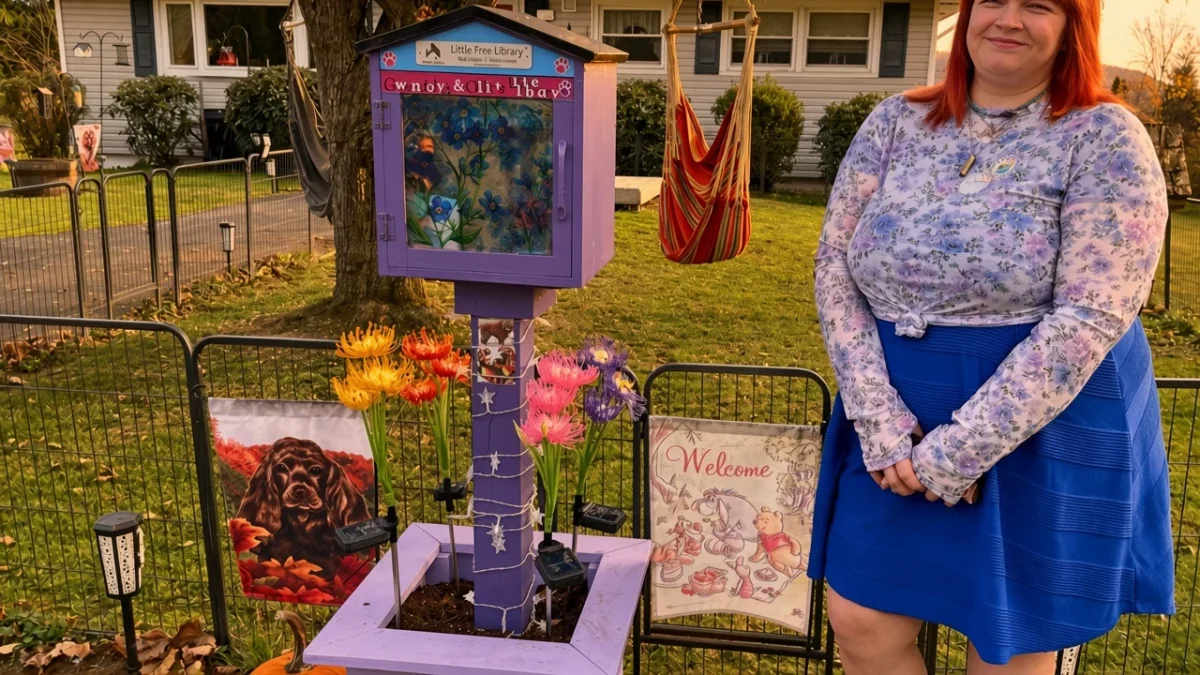
A handcrafted wooden box mounted on a post can spark a worldwide reading revolution, turning neighborhood sidewalks into accessible literary hubs and inspiring civic tributes honoring grassroots literacy. The Little Free Library movement has officially surpassed 200,000 book-sharing boxes spanning 128 countries, proving that micro-community exchange can rival large-scale cultural initiatives.
What began as a single personal project has evolved into a global fixture celebrated in town squares, neighborhood curbsides, and cultural exhibitions honoring American reading culture. Yet behind every elaborate public tribute or landmark community display sits a remarkably simple premise: take a book, leave a book.
How did an unpretentious wooden platform grow into an internationally recognized network capable of earning national civic recognition?
The Evolution from Backyard Tribute to Global Institution
The entire movement traces back to 2009, when Todd Bol built the very first book-sharing box in Hudson, Wisconsin. Constructed as a loving tribute to his mother, an avid reader and educator, the small structure immediately captivated neighbors and passersby.
The concept caught on with astonishing speed across the country. By the end of 2012, book lovers had established approximately 4,000 Little Free Libraries across urban and rural communities alike, prompting the initiative to formally incorporate as a registered 501(c)(3) nonprofit.
That structured framework allowed everyday volunteers, craftspeople, and civic stewards to construct standardized community drop-points while preserving local artistic creativity.
“It’s kind of cool to see people come and see something that they like and sometimes they’ll leave something.”
Bridging the Gap Between Grassroots Boxes and Grand Library Institutions
While massive research repositories preserve rare manuscripts and global cultural history, micro-libraries tackle daily literacy barriers right at street level.
Public exhibitions and institutional displays frequently highlight this contrast. A national institution houses millions of cataloged volumes under climate control, yet the grassroots box brings immediate, barrier-free access directly to a child walking home from school.
Busting the Biggest Myths Surrounding Book-Sharing Stations
A persistent misconception is that local governments or municipal public library systems fund and maintain every roadside book box. In reality, these stations operate entirely through private stewardship, grassroots volunteers, and community donations.
Another common myth suggests that open-air libraries serve as unattended dumping grounds for outdated reading material. Active stewards curate their collections regularly, ensuring that titles rotate through genres ranging from contemporary children’s literature to escapist fantasy.
| Feature | Operational Reality |
|---|---|
| Funding Source | Independent volunteer stewards and donors |
| Network Reach | Over 200,000 registered locations worldwide |
| Operating Model | Voluntary “take-a-book, leave-a-book” system |
| Official Charter Sign | $50 for independently built custom structures |
| Nonprofit Status | Registered 501(c)(3) organization |
How Communities Build and Charter an Official Station
Launching a local literacy outpost requires thoughtful planning, durable craftsmanship, and community engagement. Anyone looking to set up an official station typically follows a straightforward path:
- Select a sturdy design: Builders can order pre-fabricated assembly kits or construct their own custom weather-resistant structure from scratch.
- Secure the platform: Mount the upper book housing onto a reinforced ground post that can withstand seasonal elements and heavy daily foot traffic.
- Register with the network: Builders who craft custom boxes can purchase an official charter sign for $50, linking the installation to an international map.
- Curate the opening selection: Stock the interior with high-interest titles, mixing children’s picture books, teen fiction, and popular novels.
The enduring magic of the micro-library format lies in its spontaneity. Whether mounted on a sleepy residential fence line or featured inside an institutional showcase, each outpost turns ordinary pedestrians into lifelong readers.
✨ Grassroots literacy proves that small community actions can transform reading habits across entire nations.
📱 Have you visited or built a neighborhood book-sharing station in your area?
👇 Drop your thoughts in the comments below and share your favorite book finds!
 1
 2
 3
 4
