
The 16mm Camera That Exposed an Unspeakable War Crime: How Reverend John Magee Secretly Captured Irrefutable Nanjing Massacre Evidence to Shock the World

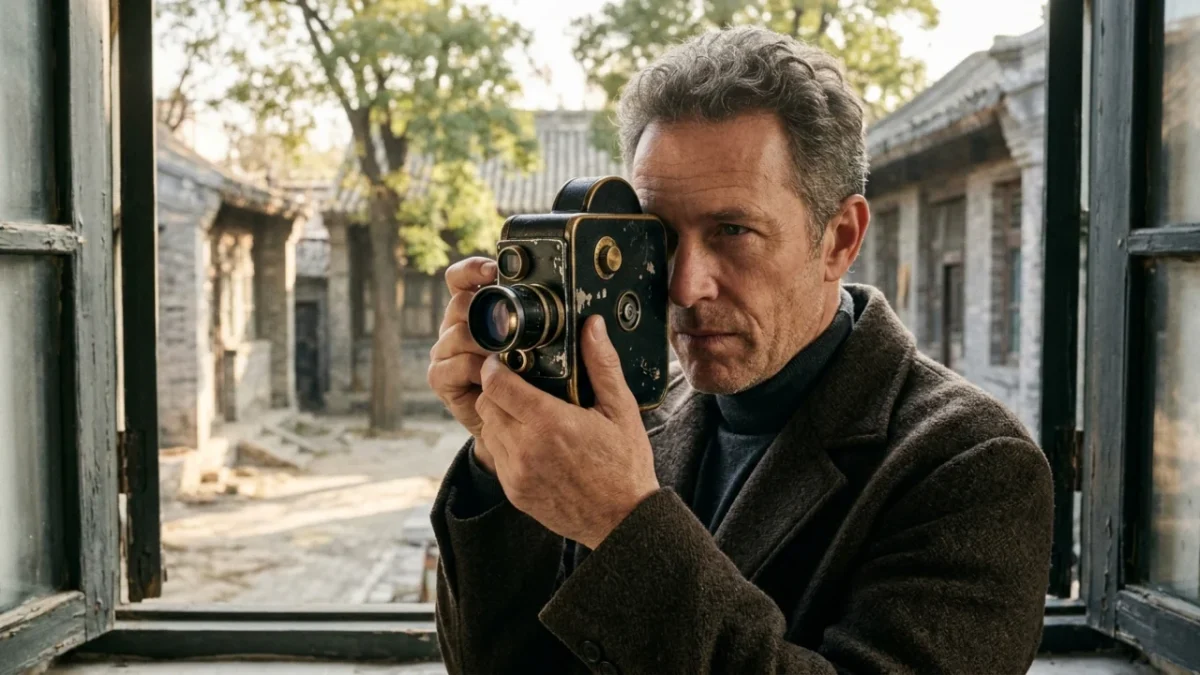
In December 1937, American Episcopal missionary Reverend John Magee pointed a portable 16mm cine-camera through the windows of makeshift field hospitals and across devastated streets, secretly recording the only known contemporary motion picture Nanjing Massacre evidence in existence. His grainy, black-and-white celluloid reels exposed horrific war crimes committed by invading Imperial Japanese forces, shattering wartime propaganda and permanently altering how modern history documents mass atrocities.
Facing constant surveillance and the imminent threat of execution, Magee chose to act as an unvarnished witness rather than a silent bystander. His footage captured bayonet wounds, battered women, terrorised infants, and burnt-out neighbourhoods across the fallen Chinese capital.
For British and Western diplomats stationed throughout East Asia at the time, his silent film reels transformed shocking rumours into inescapable visual truth.
A Desperate Gamble Behind Smouldering City Walls
When Nanjing fell in mid-December 1937, most diplomatic corps and foreign nationals fled down the Yangtze River. A small handful chose to remain behind, establishing the International Committee for the Nanking Safety Zone to shelter hundreds of thousands of terrified Chinese refugees.
Magee served as the committee’s chairman, labouring tirelessly alongside figures such as German businessman John Rabe and surgeon Dr Robert Wilson at Drum Tower Hospital. Surrounded by lawlessness and catastrophic violence, Magee realised that written diaries and formal diplomatic protests would never carry the emotional weight required to pierce international indifference.
Operating his winding 16mm camera in absolute secrecy, Magee filmed genuine victims arriving at the hospital wards mere hours after surviving brutal assaults.
He methodically documented patient names, injuries, and case files alongside his visual captures. Each sequence was numbered and matched to meticulous field notes, producing an early standard for visual forensic proof that modern international tribunals still study today.
Smuggling the Rolls: The Perilous Route to the West
Capturing the brutality was only half the struggle. Safely transporting volatile nitrate film out of a heavily garrisoned, blockaded city presented an almost insurmountable danger.
In early 1938, fellow safety zone committee member George Fitch managed to smuggle the undeveloped film stock through Japanese military checkpoints. Fitch carried the reels hidden inside the lining of his heavy winter overcoat, boarding a train bound for Shanghai before imperial sentries could detect the contraband.
Once developed in a Shanghai photographic laboratory, multiple duplicate prints were struck. British diplomats, American officials, and international correspondents viewed the footage in secret screenings, stunned into absolute silence by the graphic realities unfolding on the screen.
What the Four Historic Film Reels Preserved
- Severe bayonet and gunshot trauma: Graphic records of surviving women, elderly citizens, and young boys treated inside Drum Tower Hospital.
- Devastated civilian infrastructure: Scorched neighbourhoods, ransacked homes, and empty thoroughfares across the once-thriving metropolis.
- Eyewitness testimony on celluloid: Verified case studies, including the horrific ordeal of Xia Shuqin, an eight-year-old girl whose entire family was murdered.
- The humanitarian resistance: The fragile, desperate operations mounted by doctors and volunteers inside the demilitarised safety zone.
The Indictment at the Tokyo War Crimes Trials
Following the end of the Second World War, the legal value of this documentation reached its zenith during the International Military Tribunal for the Far East, held in Tokyo. International prosecutors sought verifiable physical proof to substantiate survivor testimonies.
Magee took the witness stand in 1946, offering sworn testimony while prosecutors projected his original footage inside the courtroom. Defence barristers attempted to challenge the provenance of the material, but Magee’s cross-referenced medical ledgers and exact shooting records proved impenetrable under legal scrutiny.
The reels established an essential precedent for the use of cinematic evidence in prosecuting crimes against humanity, anticipating the visual evidence models later deployed at Nuremberg and contemporary tribunals at The Hague.
In 2015, UNESCO formally inscribed the documents of the Nanjing Massacre, including copies of Magee’s original footage and associated diaries, onto the Memory of the World Register, cementing its status as an irreplaceable archive of shared global heritage.
Why This Celluloid Archive Matters Today
In an era increasingly plagued by historical revisionism, digital manipulation, and synthetic media, physical artefacts anchored to rigorous provenance serve as vital cultural touchstones. Magee’s mechanical camera captured light on emulsion without the capacity for algorithmic fabrication or post-production alteration.
His quiet courage reminds historians and researchers why primary sources remain the definitive bulwark against disinformation. Preserving these raw, distressing records ensures that future generations recognise the human cost of unfettered militarism and state-sponsored terror.
💡 The preservation of raw historical footage remains one of our strongest defences against modern disinformation.
🔍 Exploring documentary heritage provides crucial insight into the origins of international humanitarian law and modern human rights monitoring.
📌 How do you think global archives should balance the public display of graphic wartime evidence with respect for the victims? Share your perspective in the comments below.
 1
 2
 3
 4