
The $25 Ticket Reality: How Olivia Rodrigo’s Sold-Out Arena Run Beat Skyrocketing Resale Prices With Venue Box Office Gambles

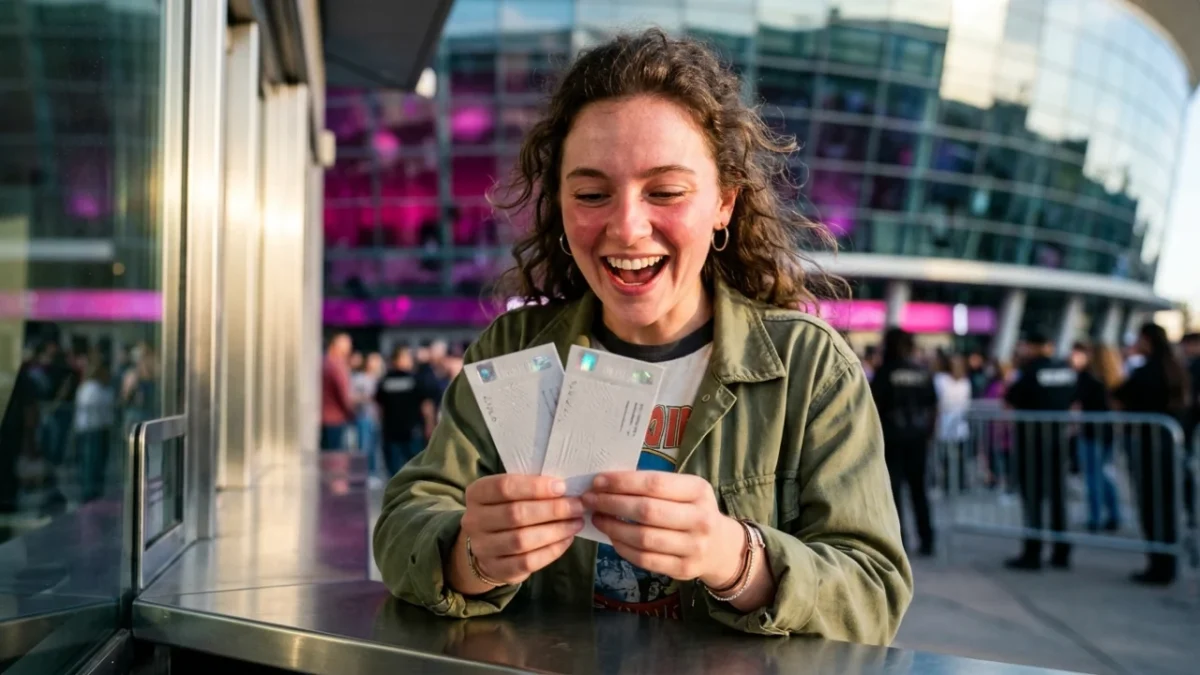
Olivia Rodrigo has officially capped select arena seats at a flat rate of $25 (£25 in the UK and Europe) through the return of her Silver Star Tickets initiative, giving fans an affordable pathway into sold-out venues after primary inventory vanished in minutes. The heavily discounted tier bypasses soaring secondary markups by withholding seat allocations until fans physically collect them on performance night.
The aggressive pricing move arrives as all 86 dates for The Unraveled Tour, mounted in support of her studio album You Seem Pretty Sad for a Girl So in Love, were snapped up virtually immediately on primary marketplaces. With millions of fans locked out, the disparity between face-value affordability and inflated resale pricing has once again ignited intense debate across the live entertainment industry.
For the vast majority of concertgoers unable to secure primary allocations, the secondary market now represents the only alternative, where prices frequently surge well past standard arena rates.
The Silver Star Strategy: Inside the Flat-Rate Allocation
To counteract predatory scalping operations and maintain accessible tour ticket prices for younger listeners, Rodrigo reintroduced the lottery-style Silver Star programme. Rather than submitting to dynamic pricing algorithms that escalate costs during demand spikes, the scheme locks in uniform, low-cost entry across every city on the schedule.
The operational mechanics behind the programme are deliberately structured to deter commercial touts and illicit ticket scalpers:
- Fixed Price Point: Passes cost an unyielding $20 base plus a $5 service fee, totalling $25 per ticket in the United States, or £25 / €25 inclusive of all booking fees across the Atlantic.
- Strict Purchasing Caps: Transactions are restricted strictly to pairs, with a firm limit of two tickets per person.
- Anti-Touting Collection Protocols: Specific seat locations remain entirely undisclosed at the moment of booking, preventing immediate resale listings.
- Day-of-Show Collection: Physical tickets must be retrieved in person directly from the venue box office on the afternoon of the show.
By forcing purchasers to present identification at the box office window hours before showtime, the system virtually eliminates the secondary trade of these specific allocations.
The Box Office Seat Roulette
The defining twist of the Silver Star initiative lies in the random assignment of seat tiers. A $25 investment could place a buyer in the topmost balcony rows or deposit them directly against the barrier in the front-row floor sections.
This calculated gamble means high-value lower-bowl inventory and standard upper-tier seats carry identical price tags under the programme. Because purchasers cannot choose their view beforehand, the system disincentivises commercial ticket brokers seeking guaranteed premium sightlines for resale markups.
Resale Pressure and the 86-Date Sellout
Despite the relief provided by low-cost programmes, the sheer volume of demand means millions still face secondary markups. With the tour’s entire 86-date global itinerary fully booked within moments of launch, primary box offices emptied before most digital queues could clear.
The sheer velocity of the sellout is particularly evident across major metropolitan residencies. In New York, Rodrigo has committed to a massive ten-night run at Brooklyn’s Barclays Center, sharing the bill with The Last Dinner Party and Devon Again.
Ten consecutive arena dates in a single city represents an extraordinary concentration of live supply, yet every single evening cleared its primary inventory immediately. With demand heavily outpacing standard capacity, secondary markets continue to exert immense financial pressure on fans attempting to secure standard seats.
💡 The ongoing struggle between artist-led price caps and aggressive secondary inflation underlines the complex state of modern touring logistics.
🔍 As artists experiment with restricted box office pick-ups and subsidised tiers, the live music ecosystem continues to search for mechanisms that keep arena seating accessible without triggering secondary exploitation.
📌 Did you manage to secure primary seats at face value, or have secondary markups affected your live music plans? Share your experience below.
 1
 2
 3
 4