
The Simple Pasta Secret Italian Nonnas Swear By: Why Stirring Fresh Ricotta Into Red Sauce Completely Changes Dinner

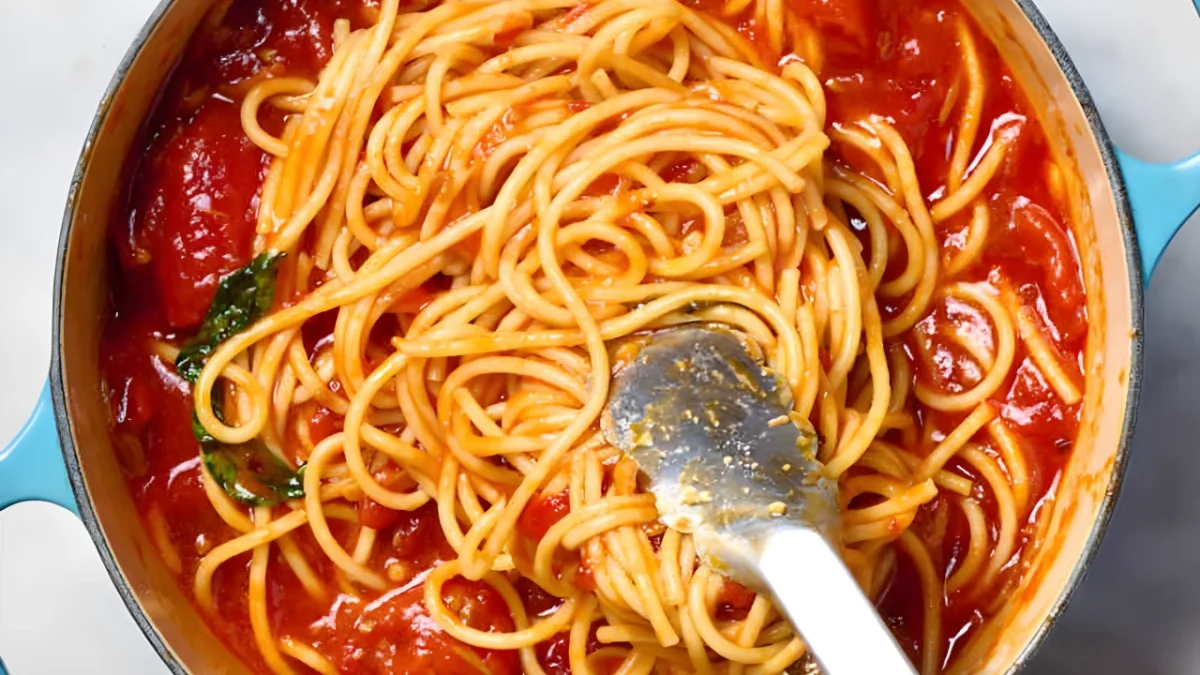
Stirring full-fat ricotta cheese directly into hot tomato sauce right before serving instantly transforms ordinary marinara into a rich, velvety blush sauce without touching heavy cream. While American home cooks typically relegate ricotta to lasagna layers and stuffed pasta fillings, traditional Italian home kitchens use it to soften acidity and build body directly inside the pan.
The culinary trick gained widespread attention through food writer Vicky Bennison’s video series Pasta Grannies, which documents elderly home cooks preserving regional Italian culinary traditions. In one standout installment, an 80-year-old cook named Lucia from Nardò, a town in Puglia, prepares a simple water-and-semolina dough shaped into thick, short tubes called curti e gruessi.
Instead of merely topping the dish with grated hard cheese, Lucia tosses the freshly boiled pasta in red sauce and folds in fresh ricotta cheese at the very last second.
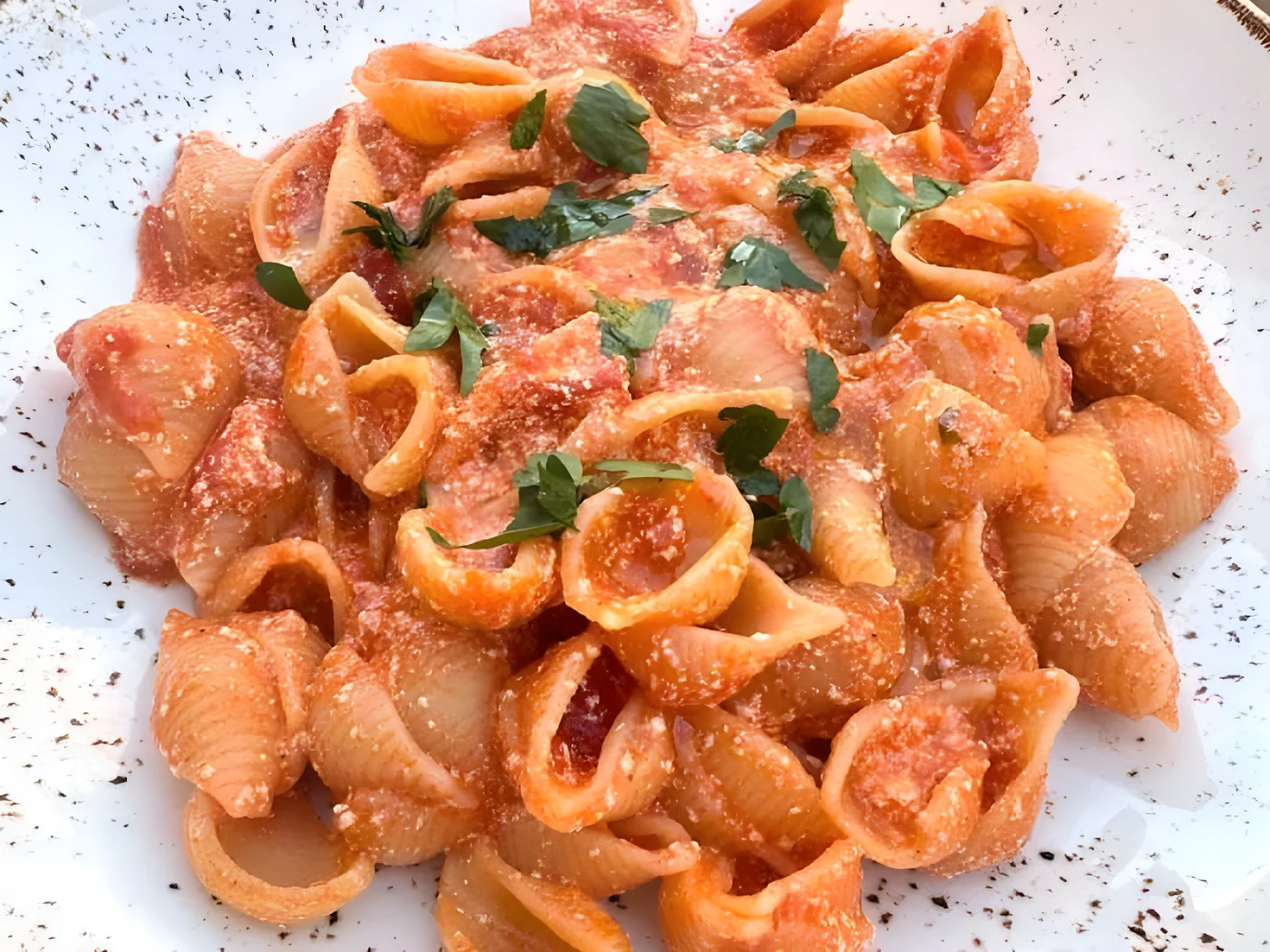
Pasta shells in tomato sauce topped with parsley and grated cheese on a decorative plate.
Why Mixing Ricotta Directly Into Sauce Works
In standard American cooking, dairy enrichment usually happens with butter or heavy cream. Folding soft cheese into a sauce mirrors classic culinary techniques, such as the French practice of finishing a pan sauce with cold butter to achieve emulsification and gloss.
When warm tomato sauce meets fresh ricotta, the natural sweetness and high fat content temper the harsh tang of cooked tomatoes. The result is a pink-tinted sauce reminiscent of a slow-simmered vodka sauce, but with noticeably lighter texture and distinct creamy pockets.
Incorporating ricotta directly into hot pasta sauce distributes creaminess throughout every bite, eliminating the need to bake elaborate stuffed pasta dishes.
Instead of cheese sitting exclusively as a melted crust on top, it blends into every crevice of the pasta shapes. The mixture creates a signature speckled look, dotting the red sauce with delicate curds of sweet dairy.
The Common Ricotta Myth Home Cooks Need to Unlearn
A widespread assumption across American households is that ricotta pasta sauce combinations must be baked into deep-dish casseroles like manicotti, ravioli, or ziti to work. Many assume that soft ricotta will break, turn watery, or curdle if swirled directly into a stovetop pan.
In reality, whole-milk ricotta responds remarkably well to residual heat when treated gently. Because it is a whey-based cheese with high moisture, it loosens into tomato sauce smoothly without melting into stringy clumps or separating into oil.
| Cooking Method | Culinary Result |
|---|---|
| Layered & Baked (Manicotti/Lasagna) | Firm, structured filling set by oven heat; dairy stays confined inside pasta layers. |
| Stirred Into Hot Sauce (Puglia Method) | Velvety, blush-colored coating distributed evenly across every noodle off the heat. |
How to Master the Technique at Home
Getting the texture right requires only a few straightforward adjustments to your normal pasta routine.
- Measure the right ratio: Use exactly 1 1/2 cups of full-fat ricotta cheese for every one pound of dry pasta and fully sauced base.
- Kill the burner first: Always turn the stove heat completely off before adding the cheese to preserve its fresh, milky flavor and prevent curd separation.
- Stir thoroughly off the heat: Fold the cheese through the sauced pasta until the sauce turns creamy pink with fine, even specks of ricotta.
- Finish with tender herbs: Brighten the rich dish with chopped Italian flat-leaf parsley, hand-torn basil, or minced fresh oregano.
Choosing the Right Ingredients
Quality matters significantly when dairy takes center stage. Standard commercial tubs of supermarket ricotta often contain stabilizer additives, carrageenan, or gums that hinder smooth blending.
For the best texture, seek out whole-milk brands made strictly from whey, milk, and salt, or pick up fresh containers from a local Italian specialty market. Making simple homemade ricotta from whole milk and acid delivers an even creamier, superior result for weeknight cooking.
✨ Taking a cue from regional Italian tradition proves you do not need hours of prep to achieve rich, restaurant-quality pasta at home.
💬 A simple tub of quality whole-milk cheese can turn a quick weeknight dinner into an unforgettable meal.
👇 Have you ever stirred fresh ricotta straight into your red sauce, or do you keep it strictly for lasagna? Let us know your favorite technique in the comments below!
 1
 2
 3
 4
