
WORLD NEWS ENVideo
Taping a Square of Aluminum Foil to a Damp Wall Can Instantly Reveal If You Have an Expensive Hidden Leak or Just Surface Condensation

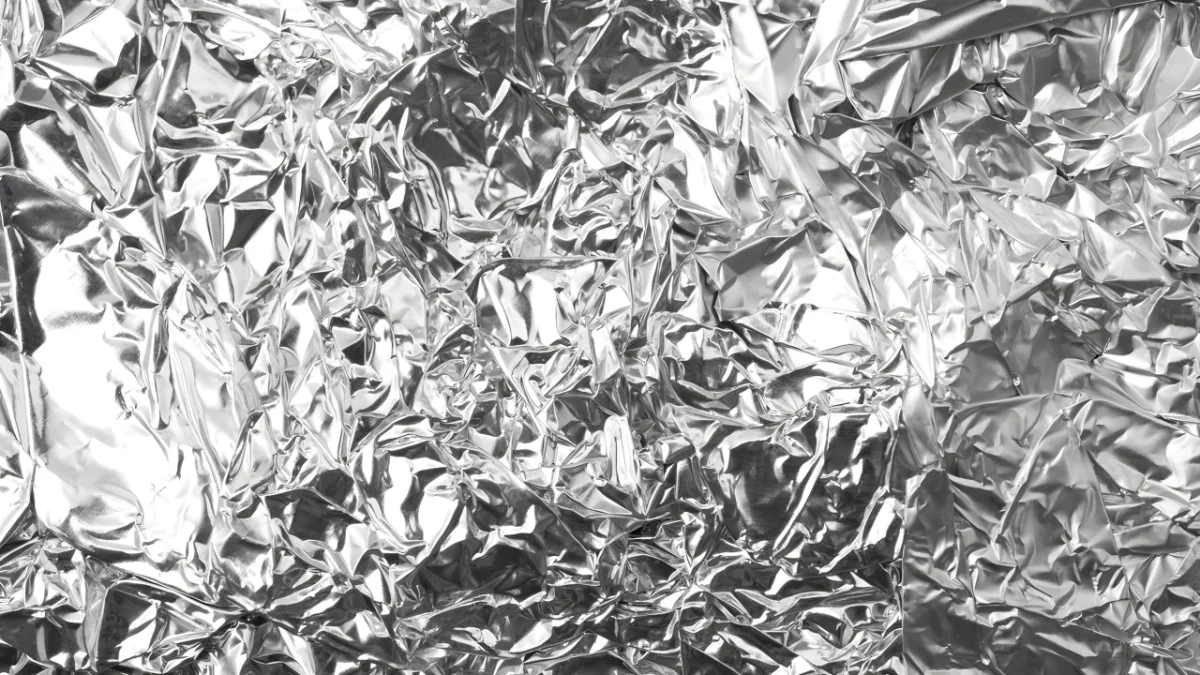
If you spot bubbling paint, a musty odor, or a dark patch creeping across your baseboard, a 12-inch sheet of household aluminum foil and four strips of tape can pinpoint the exact source of the moisture within 48 hours. Before spending hundreds of dollars on contractors or buying unnecessary equipment, architects and building pros rely on this low-cost diagnostic to settle the debate between indoor humidity and hidden structural water intrusion.
Damp drywall usually points to one of two vastly different culprits: humid indoor air condensing against a freezing surface, or liquid water actively penetrating the building envelope. Because aluminum foil is completely non-porous, it creates an airtight vapor barrier that separates room moisture from wall moisture, forcing the problem to expose its true origin.
Why the Aluminum Foil Test Works
Damp surfaces inside a house are not all created equal. Treating a hidden plumbing leak like a routine humidity issue can lead to structural rot, while running high-powered appliances to dry out a room with poor airflow merely wastes electricity.
Condensation vs. Water Infiltration
Everyday domestic living generates massive amounts of water vapor through hot showers, indoor cooking, laundry, and simple respiration. When that warm, humid air collides with an uninsulated or cold exterior wall during chilly weather, it liquefies into surface droplets.
Water infiltration, on the other hand, comes from the outside or inside the wall cavity itself. Clogged gutters spilling over siding, cracked exterior stucco, damaged foundation drainage, or a pinhole pipe leak push liquid directly through masonry and drywall.
A common myth is that buying a dehumidifier solves every damp spot in the home. In reality, dehumidifiers only pull moisture out of ambient room air. If liquid water is seeping through exterior grading or leaking pipe joints, a dehumidifier will run continuously without ever drying the inside of the wall.
The foil test provides a zero-cost physical separation: moisture emerging from inside the room collects on the exposed outer face, while moisture pushing through the wall gathers on the back.
Step-by-Step Instructions: Running the Test
The ideal window to run this diagnostic is during the heating season or after several days of standard household activity in the affected space.
- Dry the test area: Wipe the damp patch thoroughly with a clean, dry towel. Do not apply heat guns or chemical cleaners.
- Cut the foil barrier: Cut a square of standard kitchen aluminum foil approximately 12 inches by 12 inches.
- Seal all four borders: Center the sheet over the stained area and secure all four edges tightly with painter’s tape or duct tape so no ambient air can slip underneath.
- Wait 24 to 48 hours: Leave the room at its normal living temperature. Do not peel the foil back early.
How to Read the Results
Carefully peel the tape away after 48 hours and inspect both sides of the metal sheet under bright light.
| Foil Inspection Finding | Underlying Problem |
|---|---|
| Moisture on the room-facing side | Indoor condensation caused by excess humidity and cold wall surfaces. |
| Moisture on the wall-facing side | Active water intrusion from plumbing leaks, exterior cracks, or foundation seepage. |
| Moisture present on both sides | Compound failure: high indoor humidity combined with an active leak. |
| Both sides completely dry | Intermittent problem; retest immediately following heavy rainfall or high-steam activities. |
If you notice a chalky, white mineral residue on concrete or brick behind the foil, that is efflorescence. It occurs when liquid water travels through masonry, dissolves internal salts, and deposits them on the surface as it evaporates.
What to Do Once You Have the Answer
If droplets formed strictly on the front of the foil, focus your efforts on indoor ventilation and air circulation. The EPA advises keeping indoor relative humidity levels between 30 and 50 percent, and strictly below 60 percent to prevent mold colonization.
- Run kitchen range hoods and bathroom exhaust fans for at least 20 minutes after cooking or showering.
- Pull furniture, dressers, and storage bins at least three inches away from cold exterior walls to allow air circulation.
- Deploy a portable dehumidifier in poorly ventilated bedrooms or basements.
If the backside of the foil is slick with water, you must treat the issue as an active leak. Inspect exterior gutter downspouts to ensure they discharge water at least five feet away from the foundation, and inspect exterior ground coverings, as decorative stones and improper slope can trap rainwater directly against siding. If the stain spreads or drywall feels soft, contact a licensed home inspector or plumbing specialist to locate the breach before structural framing degrades.
✨ Have you experienced this firsthand? Let us know how you handled unexpected moisture in your home.
💬 Drop your thoughts in the comments below and share whether condensation or a hidden leak was behind your wall damage.
📱 Share this quick diagnostic check with anyone dealing with mystery wall stains before they spend money on unneeded fixes.
 1
 2
 3
 4
