
WORLD NEWS ENVideo
Why People Are Rolling Aluminum Foil Into Freezer Corners—and What It Actually Does to Stubborn Frost

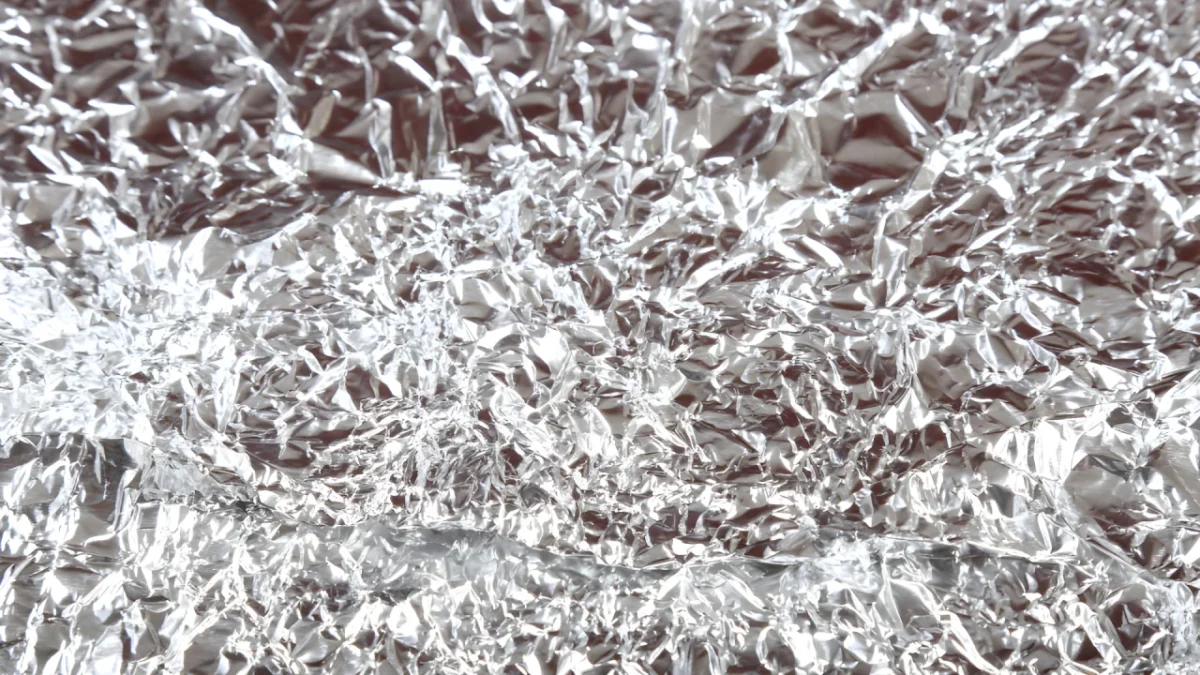
Tossing small balls of aluminum foil into the corners of your freezer won’t magically banish humidity, but lining the compartment floors creates an effortless peel-away shield against stubborn ice sheets. Instead of chipping away at frozen crusts with risky kitchen utensils, homeowners are using this simple physical barrier to catch frost before it welds to the walls.
The trick originated through tips highlighted by the German news outlet Ludwigshafen24 and spread across European media before catching traction stateside. But while the method makes cleaning faster, it works very differently than most people assume.
Understanding the actual mechanics of the trick will save your appliance shelves from avoidable wear and tear.
How the Viral Aluminum Foil Freezer Hack Actually Works
The viral setup relies on two separate techniques inside manual-defrost units and deep chest freezers. First, users roll standard kitchen foil into several small, loose balls and place them into the rear corners of the unit.
Second, homeowners lay a clean, flat sheet of foil across the floor or bottom shelves of the empty compartment. Because ice does not bind as aggressively to smooth metal surfaces, the resulting frost clings directly to the foil rather than fusing to the plastic liners.
When frost accumulates, you simply pull out the entire sheet and discard the frozen crust in one motion.
The Proper Setup for Freezer Shelves
- Clean and dry first: Clear out existing ice completely before laying down any foil.
- Protect key vents: Lay sheets only along flat surfaces, leaving airflow channels, internal drains, and seals unobstructed.
- Position balls loosely: Keep foil balls compact and far away from any moving parts, fans, or slide rails.
- Swap regularly: Lift the sheet out as soon as a uniform layer forms, rather than letting ice harden into a solid slab.
The Physics of Frost: Why Freezers Turn Into Ice Rinks
Ice does not materialize out of thin air; it enters through moisture. Appliance manufacturer Whirlpool points to three primary culprits: frequent door openings, worn rubber door gaskets, and loading warm or improperly wrapped leftovers.
Every time humid room air meets sub-zero compartment walls, vapor instantly condenses and freezes into microscopic crystals. Over weeks of regular use, those fine crystals stack into dense, space-robbing glaciers.
“Never use an ice pick, knife, or other sharp-pointed tool to defrost the freezer,” Whirlpool warns in its official appliance care guidelines.
Puncturing the interior wall can easily rupture hidden refrigerant lines, permanently destroying the cooling system.
Myth vs. Reality: Does Aluminum Foil Actually Insulate?
Social posts often claim that foil acts as an insulator to prevent ice formation. That scientific claim falls flat under basic physics.
Aluminum is an outstanding thermal conductor, not an insulator, meaning it quickly matches the surrounding freezing temperature. The foil balls do not generate heat or block thermal transfer.
The actual advantage is strictly mechanical release.
| Freezer Condition | What Aluminum Foil Actually Does |
|---|---|
| Heavy frost accumulation | Acts as a removable catch basin so ice peels off without scraping |
| Warm air entering door | Does nothing; cannot stop moisture from entering the cabinet |
| Defrosting speed | Cuts cleanup time on manual-defrost and deep chest freezers |
| Automatic frost-free units | Unnecessary; self-defrosting cycles already manage moisture |
Appliance Safety: What You Must Never Do While Defrosting
Appliance technicians recommend initiating a complete manual defrost once frost reaches roughly 1/4 inch in thickness, or at least once per calendar year. Waiting longer forces the compressor to work harder, driving up household energy usage.
When clearing the compartment, patience beats brute force every time. Never direct hot air from hair dryers or portable space heaters into the interior, as intense localized heat can warp plastic liners and melt internal wiring.
Instead, unplug the unit, transfer perishables to insulated coolers, and prop the door open. If stubborn patches remain on unlined sections, rely solely on a soft wooden or plastic spatula to guide the ice free.
💬 Keeping your freezer frost-free comes down to basic airflow control, good door seals, and smart cleanup shortcuts.
✨ A single sheet of household foil can transform an hour-long scraping ordeal into a quick thirty-second reset.
👇 Have you tested the aluminum foil trick in your own freezer? Let us know your results in the comments below.
 1
 2
 3
 4
