
The Tragic 1982 Killing of ‘Poltergeist’ Star Dominique Dunne: How a Fractured Justice System Sparked a Family’s True Crime Legacy

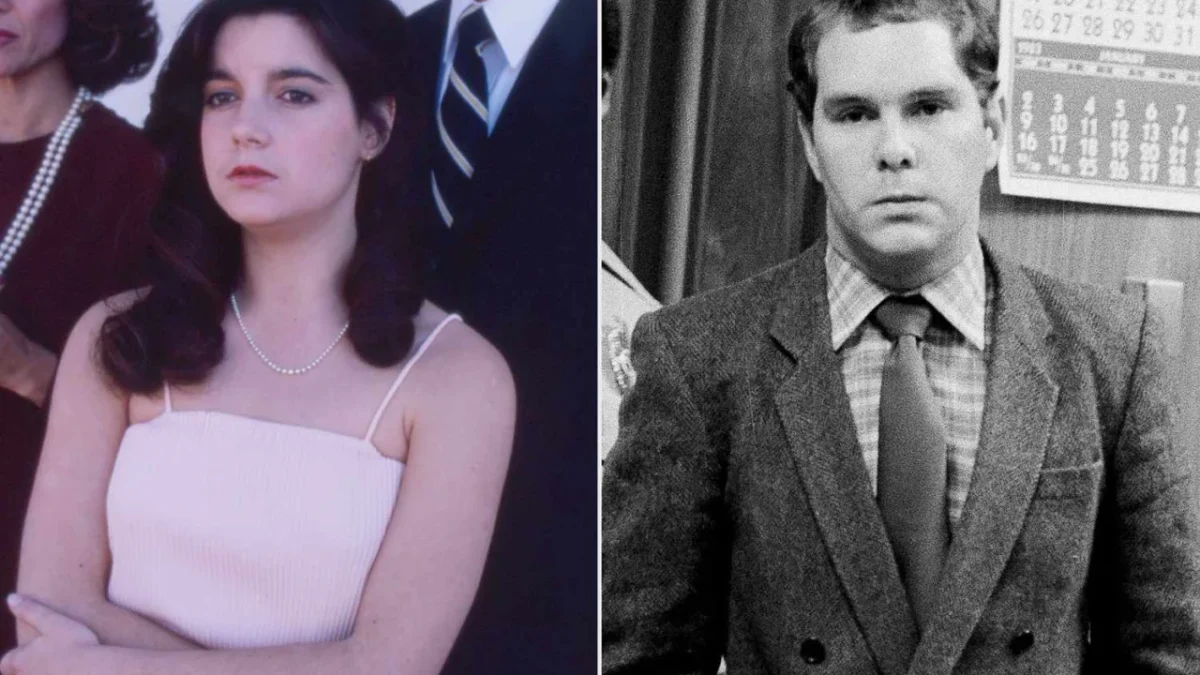
At just 22 years old, rising Hollywood star Dominique Dunne was strangled into unconsciousness outside her West Hollywood home by her abusive ex-boyfriend, John Sweeney, mere months after the nationwide premiere of her breakout horror blockbuster Poltergeist. Dunne never regained consciousness, passing away five days later after being removed from life support.
The aftermath of the violent attack sent shockwaves through the entertainment industry. Sweeney confessed to law enforcement at the scene, yet the judicial system handed him an outcome that outraged the public: an acquittal on second-degree murder charges, a conviction for voluntary manslaughter, and a prison stint that lasted just two and a half years.
That staggering legal outcome permanently altered the Dunne family, pushing her father, Dominick Dunne, from Hollywood film producer into America’s most prominent courtroom chronicler of the late 20th century.
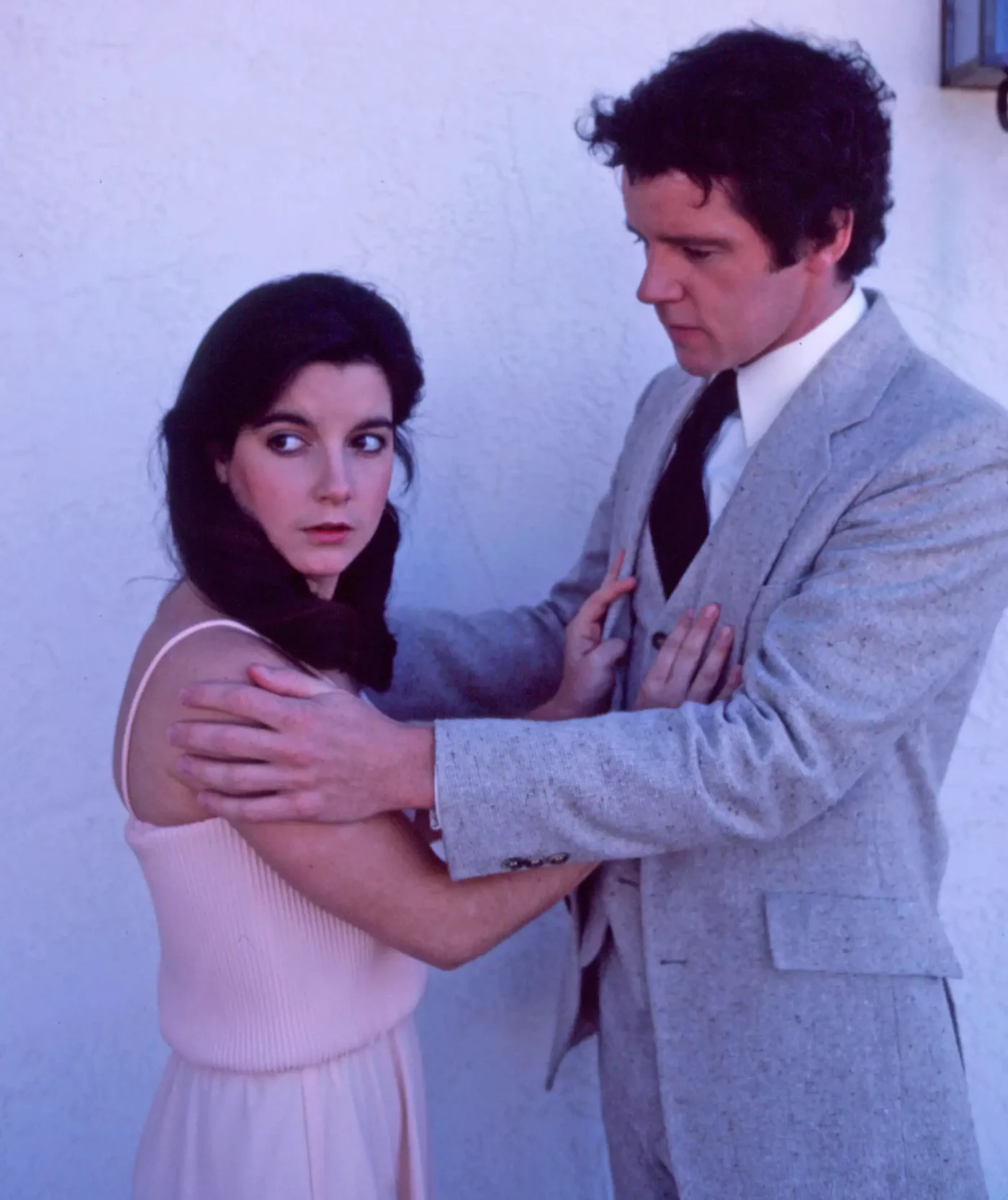
Dominique Dunne and James Canning in a promotional photo for the 1981 ABC television movie.
A Rising Career Cut Short: Inside Dominique Dunne’s Rapid Ascent
Born in Santa Monica, California, on November 23, 1959, Dunne grew up surrounded by the arts. Her mother, Ellen “Lenny” Dunne, was a ranching heiress, while her father, Dominick Dunne, worked as a writer, producer, and actor. Alongside her older brothers, Alex and Griffin, Dunne developed an early artistic independence.
“She seemed to know who she was from the age of four or five and had such confidence, far more than her brothers. She would boss us around and we would do everything we could to please her.”
Dunne launched her professional screen career in 1979 with Diary of a Teenage Hitchhiker before booking appearances on acclaimed series like Lou Grant, Family, Hart to Hart, and Fame. Her mainstream breakthrough arrived in the summer of 1982 when she starred as older sister Dana Freeling in Steven Spielberg and Tobe Hooper’s supernatural classic Poltergeist.
She was booked to appear in the film’s sequel and was actively filming the sci-fi miniseries V when her life was violently cut short.
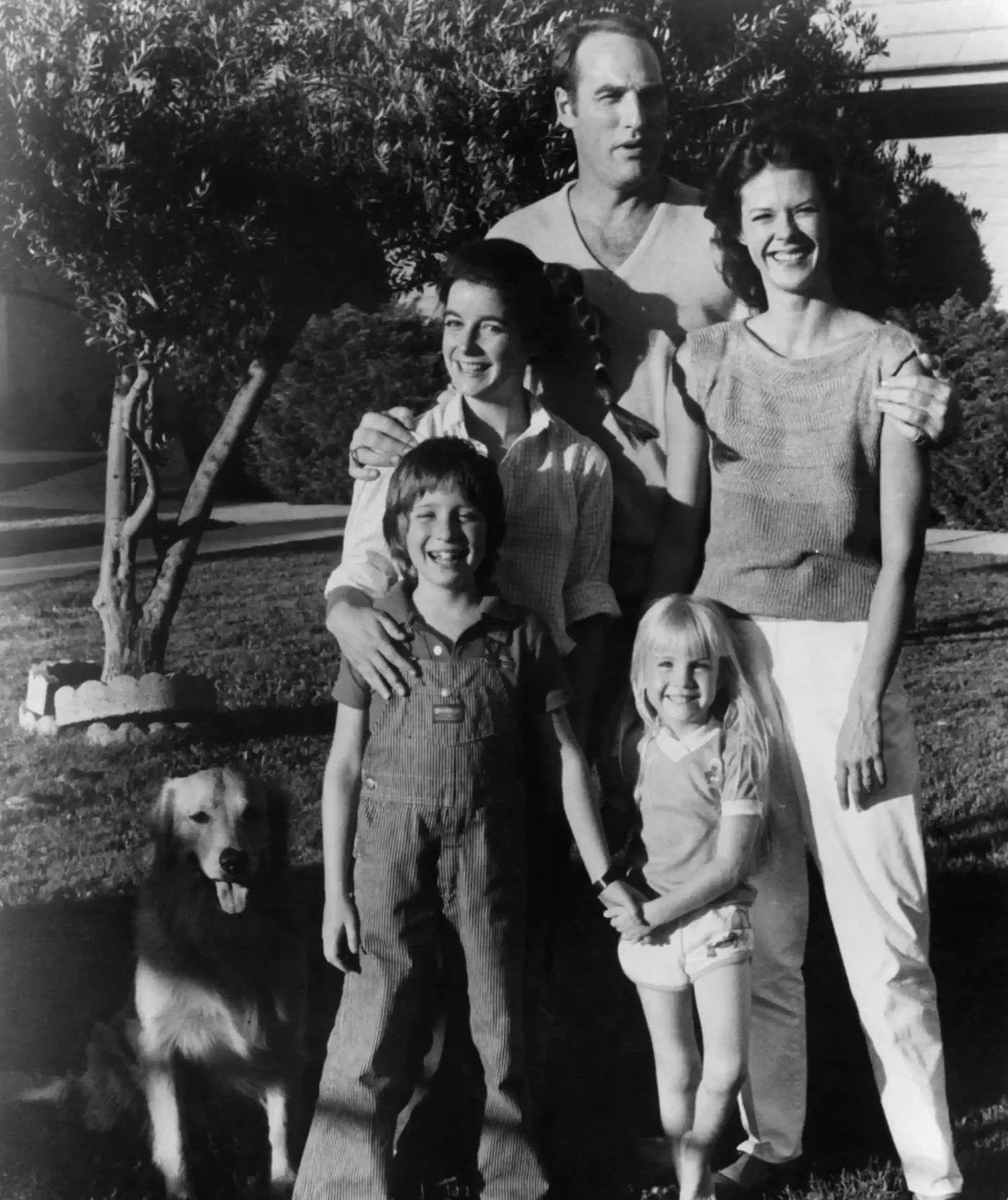
Oliver Robins, Dominique Dunne, Craig T. Nelson, and Heather O’Rourke in Poltergeist.
Escalating Domestic Abuse and the Fatal Confrontation
Dunne met John Sweeney, a sous chef at an upscale restaurant, at an industry gathering in 1981. Their whirlwind relationship moved swiftly, and the pair moved into a shared home within weeks.
The relationship quickly fractured into severe domestic violence. Sweeney’s physical abuse escalated dramatically over the following months:
- August 27, 1982: Sweeney assaulted Dunne, yanking her hair with such force that clumps pulled free at the root. Dunne fled to her mother’s home, where Sweeney pursued her and banged on exterior doors until warned of police intervention.
- Late September 1982: Sweeney choked Dunne during a violent fight. A neighbor attempted to intervene upon hearing gagging noises, allowing Dunne to escape through a bathroom window and drive away as Sweeney jumped onto the hood of her vehicle.
- October 30, 1982: Having ended the relationship, Dunne was rehearsing lines with actor David Packer when Sweeney arrived unannounced, demanding a conversation in the driveway.
When the discussion escalated outside, Sweeney attacked Dunne, strangling her until she stopped breathing. Packer dialed emergency services, and arriving officers found Sweeney standing near her body.
“I killed my girlfriend, and I tried to kill myself… I didn’t think I choked her that hard. I just kept on choking her.”
Paramedics found Dunne in cardiac arrest. Hospital physicians temporarily restarted her heart, but tests confirmed severe, irreversible brain death. On November 4, 1982, her parents made the agonizing decision to remove her from life support systems.
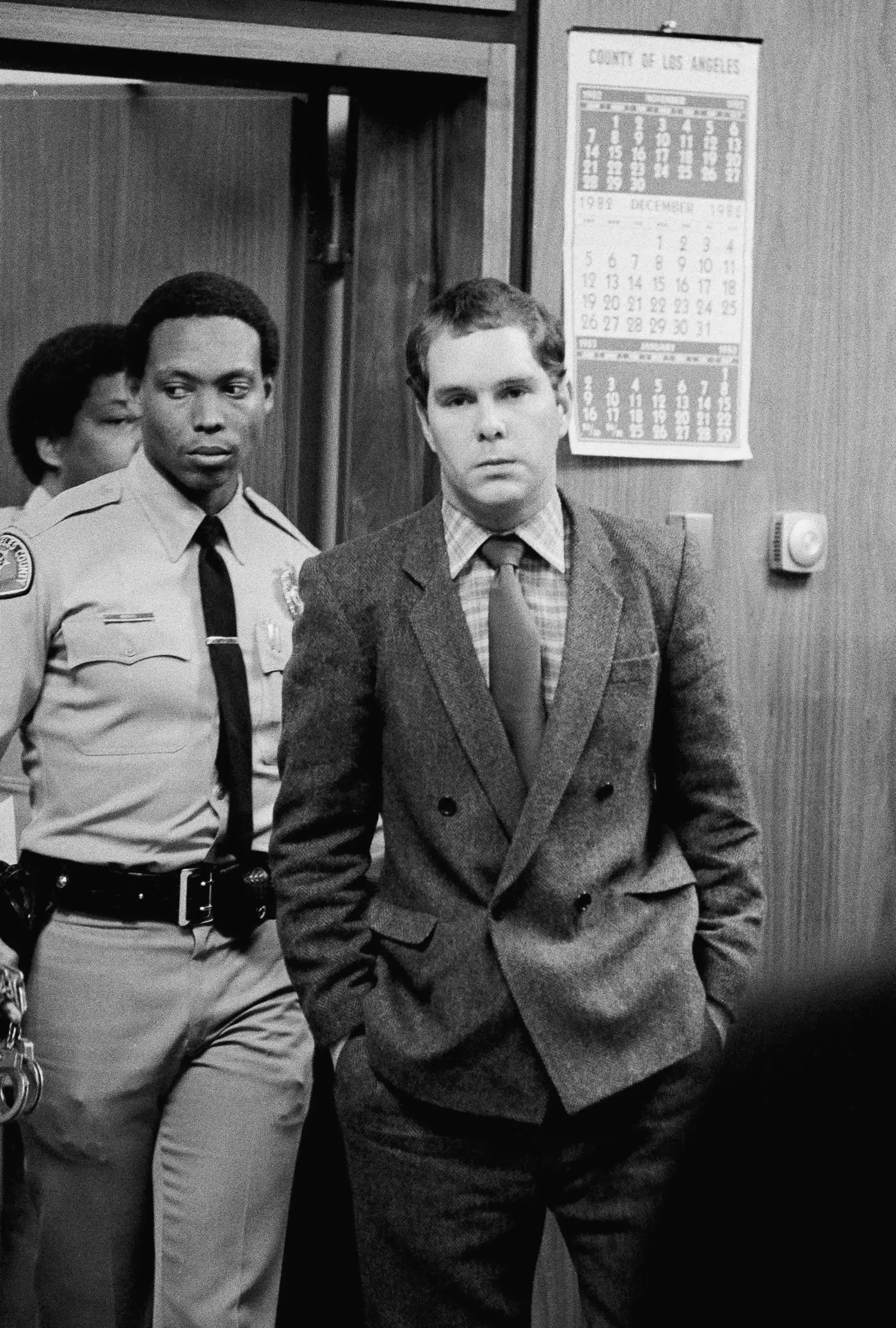
John Thomas Sweeney entering a Beverly Hills courtroom in December 1982.
The Controversial Verdict and Sweeney’s Life After Prison
The legal proceedings surrounding Dunne’s death sparked national outrage. Prosecutors initially charged Sweeney with first-degree murder, to which he entered a plea of not guilty.
A Fraction of the Sentence Served
Sweeney’s defense team claimed he operated in a sudden “heat of passion” after Dunne confirmed their romantic split was permanent. The presiding trial judge ruled there was insufficient evidence of premeditation, stripping the jury of the option to convict on first-degree murder.
In September 1983, the jury acquitted Sweeney of second-degree murder, instead convicting him of voluntary manslaughter alongside misdemeanor assault for the September altercation. He received a maximum sentence of six and a half years.
A widespread public misconception was that Sweeney’s explicit confession guaranteed decades behind bars. In reality, state sentencing rules allowed him to walk out on parole after completing just two and a half years.
| Legal Milestones | Courtroom Reality |
|---|---|
| Initial Criminal Charge | First-degree murder charge filed by prosecutors |
| Final Jury Verdict | Acquitted of murder; convicted of voluntary manslaughter and assault |
| Official Sentence | 6.5 years in state prison |
| Actual Time Incarcerated | 2.5 years served prior to parole release |
Following his release, Sweeney secured employment as a head chef at a popular restaurant in Santa Monica. In response, Dunne’s family demonstrated outside the venue, handing patrons flyers stating that their meals were prepared by the hands that ended Dunne’s life.
Sweeney resigned amid the protests and left Southern California. He relocated to the Pacific Northwest and changed his legal identity to John Maura.
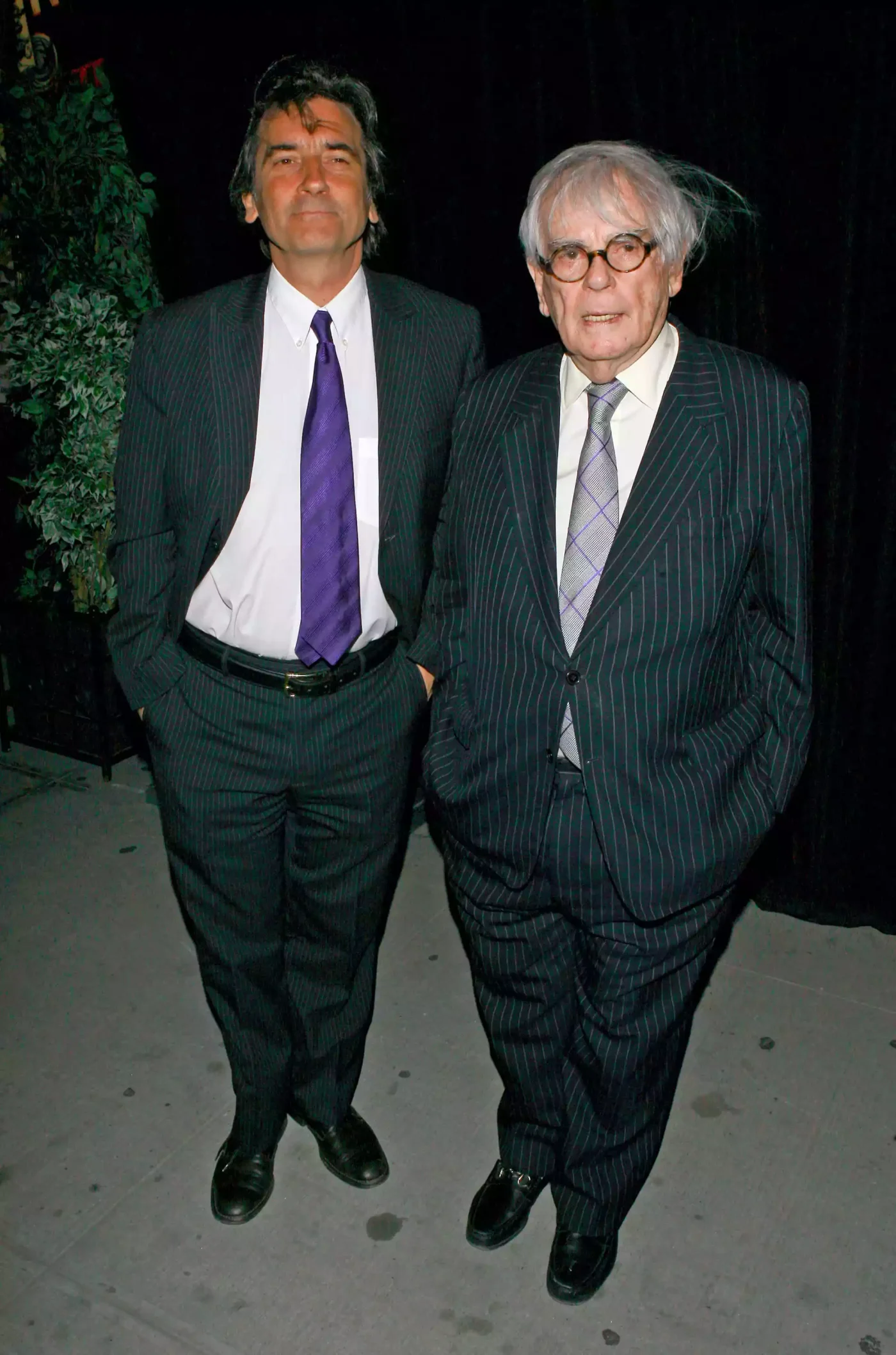
Griffin Dunne and Dominick Dunne attending an industry event.
How the Dunne Family Built a Victim-First Legacy
The light sentence devastated the family, but it ignited a powerful wave of advocacy. Dominick Dunne documented his raw courtroom observations during the trial, publishing an explosive essay in Vanity Fair titled “A Father’s Account of the Trial of His Daughter’s Killer.”
The piece transformed his trajectory. Dominick evolved into one of the country’s most prominent investigative crime journalists, offering extensive commentary on high-profile proceedings including the 1993 Menendez brothers trial and the 1995 O.J. Simpson murder case until his death in 2009 at age 83.
Ellen Dunne co-founded the Justice for Homicide Victims foundation to guide grieving families through complex legal systems, earning official recognition from President George H.W. Bush in 1989 before her death in 1997.
Her brother Griffin Dunne documented these family struggles in his 2024 memoir, The Friday Afternoon Club: A Family Memoir, bringing renewed attention to his sister’s memory.
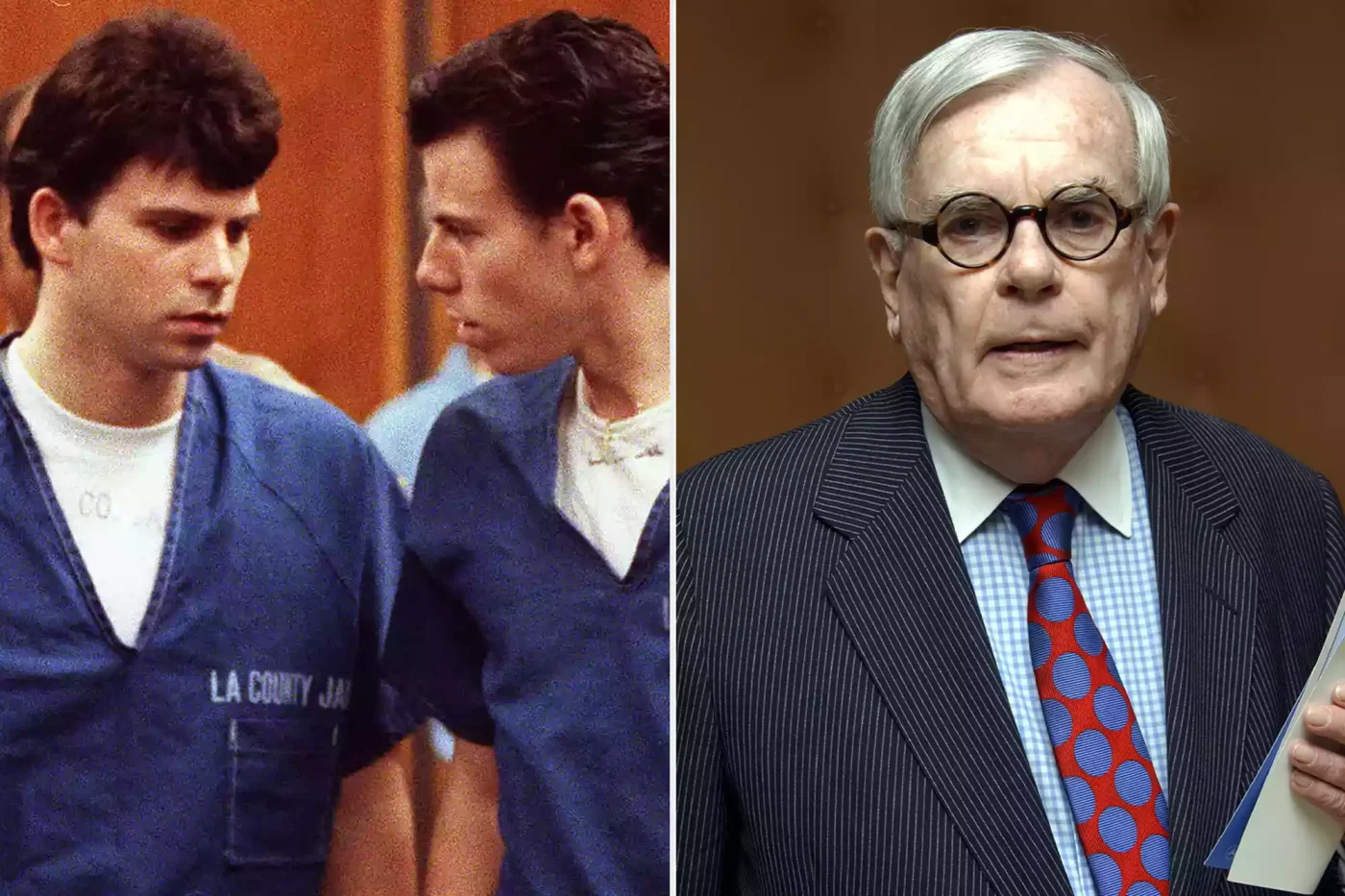
Lyle and Erik Menendez in court alongside archival imagery of Dominique Dunne.
The Menendez Brothers Trial and Ryan Murphy’s Drama
Dunne’s story reentered modern pop culture through Ryan Murphy’s Netflix anthology series Monsters: The Lyle and Erik Menendez Story, where actor Nathan Lane portrayed Dominick Dunne.
Dominick’s presence during the Menendez trial was driven entirely by his deep empathy for victims. Griffin recalled how his father consistently prioritized the human lives lost over sensational headlines, whether sitting with Nicole Brown Simpson’s relatives or humanizing Lana Clarkson during the Phil Spector trial.
The Dunne family transformed unthinkable private grief into systemic advocacy, reshaping how the American media views victims’ rights inside the courtroom.
💬 Did you know the true story behind Dominique Dunne’s tragic death and her family’s crusade? Drop your thoughts in the comments below.
✨ Her family made sure her legacy survived far beyond the silver screen.
📱 Share this article with true crime followers who want the real history behind high-profile courtroom journalism.
👇 Join the conversation and tell us which classic Hollywood story needs to be told next.
 1
 2
 3
 4
