
Why Your Hair Frizzes Minutes After Styling—And the Exact Shower Step Stylists Say Fixes It

You spend twenty minutes perfecting your blowout, step out the front door, and watch your sleek finish unravel into a halo of hair frizz before you even reach your car. That instant puffiness happens because parched, porous strands pull moisture directly out of the damp outdoor air, instantly expanding the hair shaft and ruining your styling work.
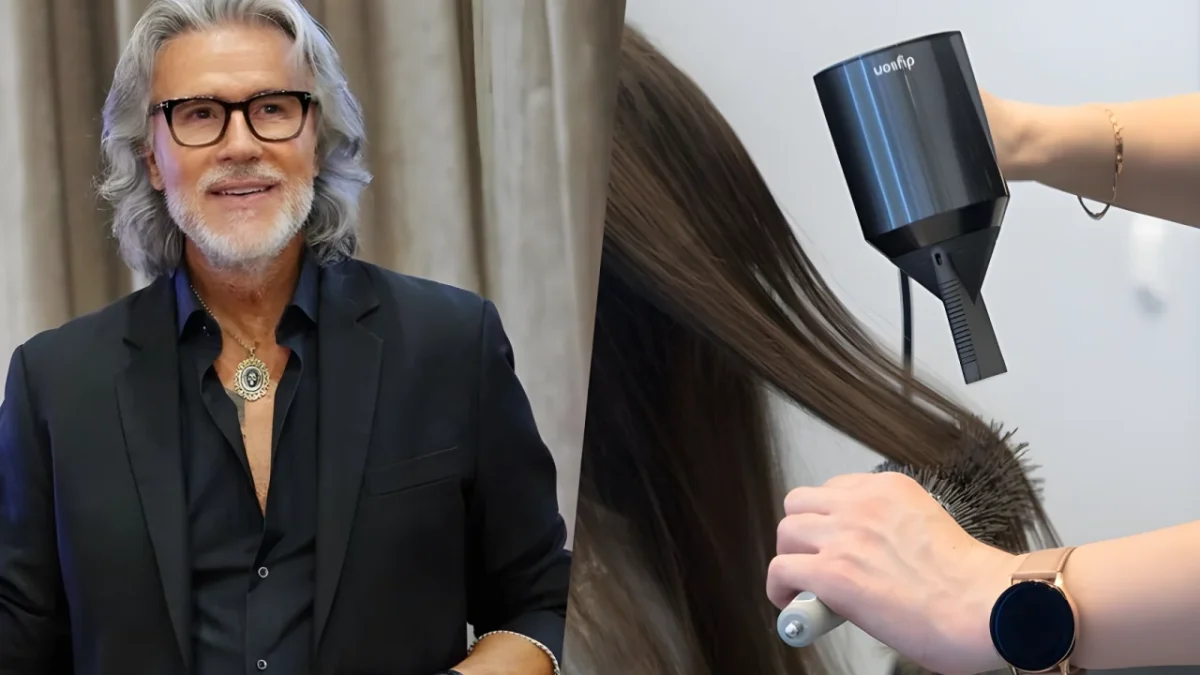
When atmospheric humidity climbs and seasonal temperatures drop, hair with an open or damaged cuticle behaves just like an untreated sponge. Renowned hair stylist Alberto Cerdán notes that dehydrated hair seeks moisture from its surroundings, which immediately disrupts its shape and silky texture.
Fortunately, stopping this cycle does not require spending hours with a flat iron. In fact, stylists confirm that taming stubborn flyaways begins long before you touch a blow dryer.
The Physics of Frizz: Why Your Strands Expand Outdoors
The protective outer layer of each strand—the cuticle—is designed to lie flat like shingles on a roof. When that layer suffers damage from bleach, chemical dyes, or aggressive heat tools, the shingles lift, leaving the inner cortex exposed.
“When temperatures drop and ambient humidity rises, the hair fiber, if porous or dry, acts like a sponge.”
Healthy, moisturized hair carries natural weight and elasticity, allowing it to move freely without reacting wildly to damp weather. When moisture levels inside the strand drop, environmental moisture takes over, swelling the hair fiber unevenly.

Pexels Mikhail Nilov 6968241
Who Is Most Vulnerable to Flyaways?
While fine and naturally textured strands frequently struggle with flyaways, texture is not the only factor. Chemically treated hair and heat-damaged cuticles are prime targets for morning fuzz.
- Bleached and colored strands: Chemical processing strips natural barriers, leaving fibers porous.
- Wavy and curly textures: Natural bends make it harder for scalp oils to travel down the shaft, creating dry zones.
- Heat-overworked hair: Frequent high-heat flat ironing weakens structural proteins over time.
The Shower Mistake Ruining Your Smooth Finish
Most morning routines go wrong at the showerhead. Washing your hair with scalding hot water strips away essential protective lipids that seal the hair shaft.
Stylist Ramón Santiago highlights that water temperature dictates how cleanly and safely your cuticle behaves during washing:
“I recommend washing hair with lukewarm water, between 86°F and 104°F; this temperature is ideal for cleansing without causing damage. Finishing with a cool rinse around 50°F to 68°F helps seal the cuticle and boost shine.”
Swapping boiling water for lukewarm temperatures keeps lipids intact, while the final blast of cool water snaps the cuticle shut before you reach for a towel.
Shower Routine vs. Hair Impact
| Shower Habit | Direct Impact on Strands |
|---|---|
| Washing with hot water | Strips protective lipids and leaves cuticles lifted |
| Washing with lukewarm water (86°F–104°F) | Cleanses scalp thoroughly without drying fiber |
| Cold water final rinse (50°F–68°F) | Flattens the cuticle layer and boosts natural shine |
| Aggressive terrycloth rubbing | Roughs up cuticles and generates friction frizz |
| Microfiber towel wrapping | Absorbs excess water gently without strand friction |
Rebuilding Moisture: Ingredients That Lock the Cuticle
Preventing post-styling collapse requires feeding the hair fiber ingredients that bind moisture inside. Look for formulations containing hyaluronic acid, lightweight botanical oils, and structural proteins that reinforce damaged keratin bonds.
Harsh sulfates should stay off your shelf, as aggressive detergents strip the moisture barrier. Instead, apply a rich hydrating mask from mid-lengths to ends, always honoring the processing time listed on the package so the active ingredients can penetrate deeply.
Drying Technique: Hands Over Brushes
How you remove water sets the foundation for whether your hair stays sleek or fluffs up within an hour.
- Blot, never rub: Gently squeeze water out using a microfiber towel wrapped around your hair to prevent friction.
- Shield the fiber: Work a lightweight leave-in styling cream or thermal heat protectant evenly through damp lengths.
- Control the airflow: Set your blow dryer to medium heat and keep the concentrator nozzle pointed downward, following the natural growth direction of the hair.
- Use your fingers: Guide hair with your hands rather than yanking through sections repeatedly with heavy round brushes.
- Lock with cold air: Finish the entire head with a blast of cool air to lock the smooth cuticle into place before heading outdoors.
✨ Smoothing out stubborn hair frizz does not require endless styling passes—just smarter shower habits and downward airflow.
📱 Small adjustments like turning down the water heater and swapping your bath towel can completely transform how your hair handles damp weather.
💬 Have you noticed a difference after switching to a cool water rinse? Drop your favorite frizz-fighting routine below!
 1
 2
 3
 4
