
Tragedy at 5-Star Hotel Pool: Two Foreign Guests Dead and American Tourist Injured After Suspected Electrocution in Luxury Water Facility

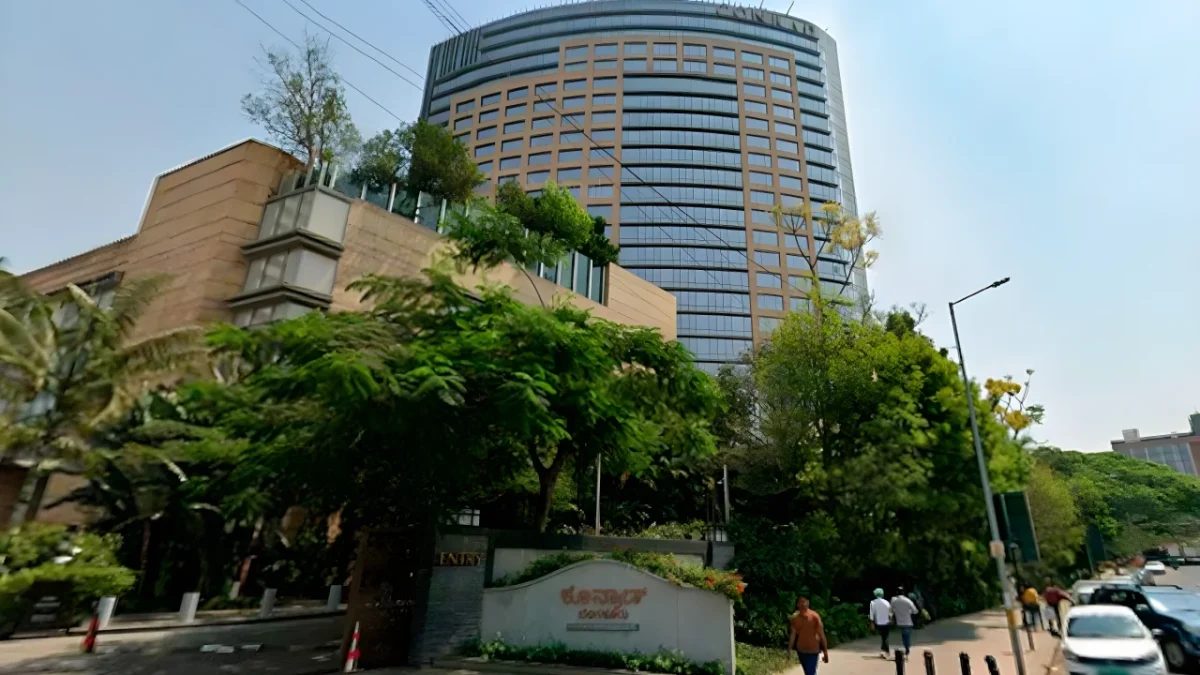
Two international travelers died and two others—including an American tourist—sustained injuries following a suspected hotel pool electrocution on the third floor of the luxury Conrad Bengaluru Hotel in southern India. The victims went into sudden distress when an electric current surged through the water on a Friday evening.
Despite frantic attempts by bystanders to pull them to safety, Alexander Maximilian Theiss, a 57-year-old German flight crew member for Lufthansa Airlines, and Juraj Horvat, a 45-year-old Slovak project manager for IBM, were pronounced dead directly at the scene. The incident exposes an immediate, terrifying reality about hidden electrical hazards in commercial aquatic facilities.
The tragedy escalated rapidly when others rushed to intervene, unaware of the live voltage running through the pool basin.
How the Third-Floor Luxury Pool Incident Unfolded
The sudden catastrophe occurred during what was meant to be a relaxing evening swim. Horvat and his wife, Silvia Hotuatova, had checked into the high-end property just hours earlier, according to a police complaint.
Shortly after arrival, Hotuatova heard frantic screams echoing from the third-floor recreation deck. Upon rushing to the edge of the pool, she discovered her husband submerged and unresponsive in the water.
When nearby witnesses realized the swimmers were in severe medical distress, two individuals leaped into action to stage an emergency rescue:
- Mathew Desantis, a 41-year-old American tourist who entered the area to assist and suffered electric shock injuries.
- Rahul Tiwari, a 28-year-old hotel staff member who also sustained injuries while attempting to reach the victims.
Both rescue volunteers survived the encounter, but the lethal conditions inside the water proved fatal for Theiss and Horvat before paramedics could intervene.
A night time street scene with focus on safety Police tape in Hindi.
Investigating the Electrical Fault
Investigators reviewing facility security camera footage noted indications of an electrical failure originating near the perimeter of the pool entrance. Local authorities immediately launched a formal probe into the hotel’s wiring, underwater lighting systems, and ground-fault interrupters.
“Preliminary investigation suggested that the victims suffered electric shock while trying to get out of the pool and drowned.”
In an official statement addressing the fatalities, hotel management stated it was “deeply saddened” by the loss of two guests during the incident and confirmed full cooperation with local law enforcement to determine the exact sequence of events.
The Hidden Mechanics of Aquatic Shock Hazards
Public perception often assumes that swimming pools are completely isolated from hazardous electrical currents. However, underwater lighting, pump motor circuits, and automated chlorination systems require strict grounding to prevent stray voltage from bleeding into the water.
When an electrical short occurs in an ungrounded or poorly insulated pool fixture, the water turns into a conductive path. Swimmers caught in the field typically experience involuntary muscle paralysis, preventing them from swimming or keeping their heads above water.
| Factor | Incident Finding |
|---|---|
| Facility Type | Third-floor outdoor luxury hotel pool |
| Fatal Casualties | Alexander Maximilian Theiss (57), Juraj Horvat (45) |
| Injured Rescuers | Mathew Desantis (41, US citizen), Rahul Tiwari (28, staff) |
| Suspected Source | Electrical fault near the pool entrance/lighting perimeter |
Recognizing and Responding to Electrical Hazards in Pools
Understanding how to handle stray voltage in water can prevent multiple casualties during a single incident.
- Recognize the symptoms: Victims of an electrical short will rarely shout; they often experience sudden muscle cramping, tingling sensations, or rapid immobilization without obvious physical trauma.
- Never jump in blindly: If someone collapses in a pool without clear physical cause, entering the water puts rescuers at immediate risk of electrocution.
- Kill the primary power: Locate and activate the emergency shutoff switch or breaker panel before touching the water or pool ladders.
- Use non-conductive rescue equipment: Reach for fiberglass rescue hooks or plastic flotation rings rather than metal poles to pull victims toward the edge.
The official investigation into the Conrad Bengaluru Hotel remains underway as investigators work to verify whether equipment degradation or maintenance failure triggered the deadly surge.
💬 Electrical safety standards at international hospitality chains remain under intense scrutiny following this tragic event.
📱 Have you experienced this firsthand? Let us know your thoughts on facility maintenance protocols.
👇 Drop your thoughts in the comments below to join the discussion on travel safety precautions.
 1
 2
 3
 4
