
Why Coloring Your Whole Head for Gray Roots Is Ruining Your Hair: The Simple Root-Touchup Strategy Colorists Rely On to Prevent Dull, Over-Processed Ends

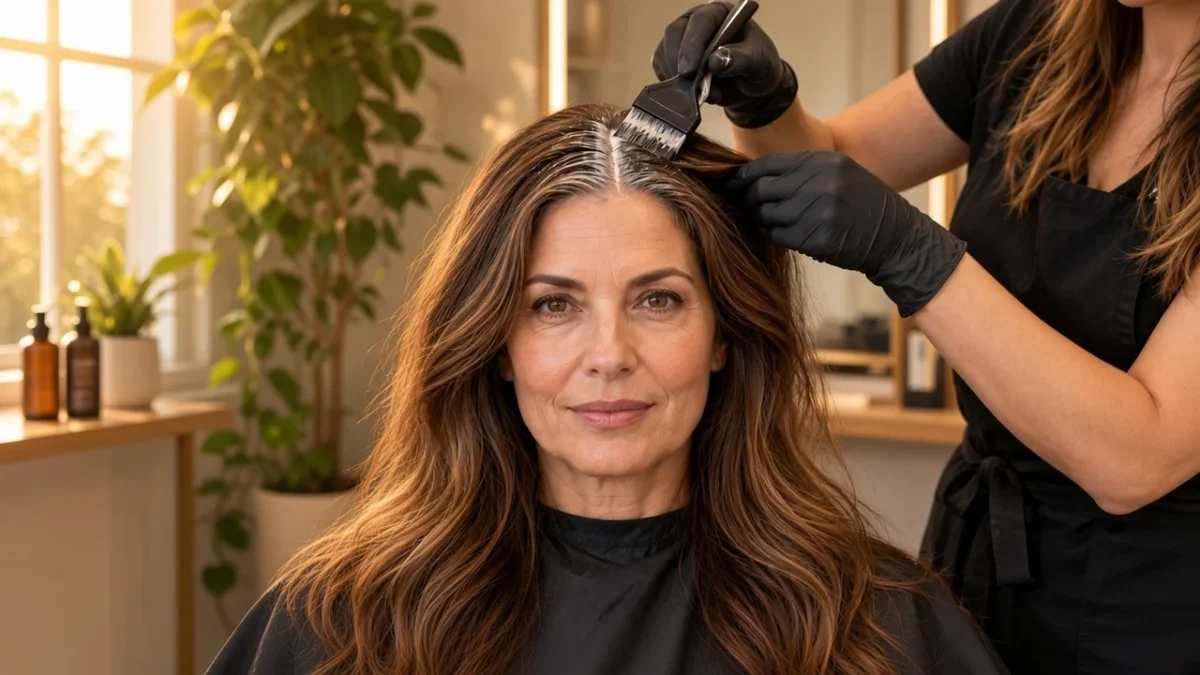
Every time silver hairs crop up along your parting, applying permanent dye all the way down to your ends does far more damage than good. To preserve hair integrity and prevent dingy, over-darkened ends, a precise root touchup should target exclusively the new growth zone where melanin production has stopped.
Because hair only loses pigment at the scalp as it emerges, the mid-lengths and ends already hold their cosmetic shade. Running fresh pigment over previously dyed hair triggers chemical overlap, which gradually dulls natural shine and leaves strands noticeably brittle.
Understanding why this happens—and how professional colorists handle gray coverage without overloading the hair fiber—can permanently transform your coloring routine.
Why Gray Hair Appears at the Root First
Gray strands emerge when follicular melanocytes gradually reduce their melanin output. Because human hair grows continuously from the root out, only the fresh growth displays that unpigmented white or silver band, while the previously treated hair shaft retains its cosmetic pigment.
Permanent color formulas alter the internal structure of the hair fibers they coat, but they cannot alter how future hair emerges from the follicle. Re-saturating lengths that are already saturated with oxidized pigment causes unwanted darkening and a matte, heavy appearance.
Applying fresh permanent color over previously treated strands leads to progressive pigment buildup, stripping away natural reflection and drying out porous ends.
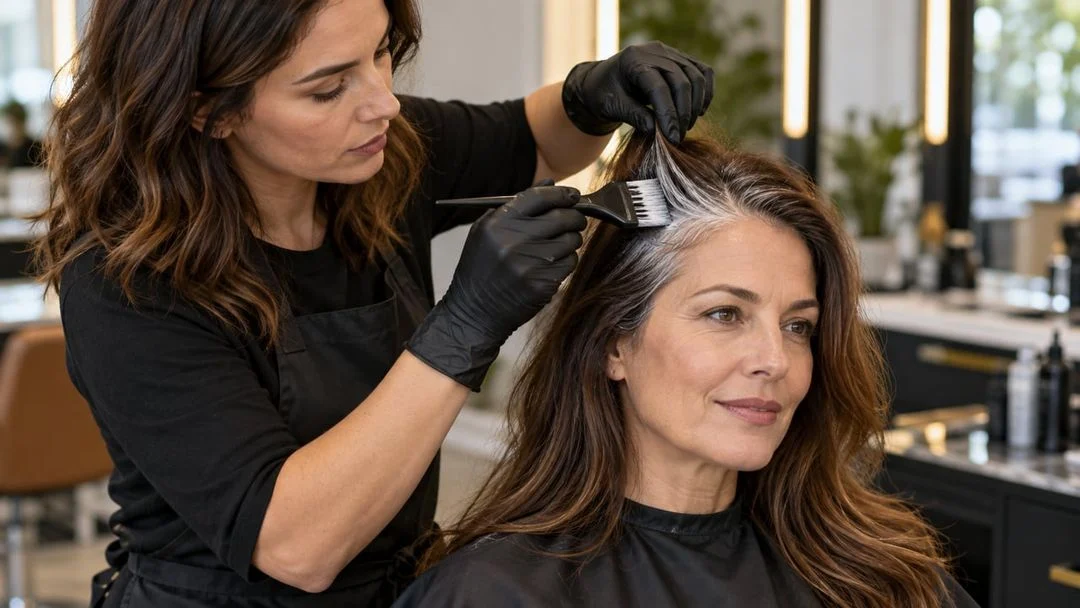
Fine sectioning helps apply color strictly to the root regrowth band.
The Pro Method: Sectioning for a Clean Root Touchup
Executing an accurate root touchup requires clean sectioning so the chemical mixture sits purely on unpigmented regrowth without bleeding into previously processed hair. Dividing the head methodically prevents uneven patches and reduces unnecessary exposure.
- Divide completely dry hair into four clean quadrants before mixing formula.
- Begin application directly at areas showing the highest concentration of gray.
- Measure developer and color precisely according to manufacturer specifications.
- Respect the exact processing time before rinsing out the formulation.
- Avoid pulling the active mixture down into the lengths during regular maintenance sessions.
How Stylists Balance Gray Coverage Formulations
Behind the chair, a colorist analyzes natural base level, desired tonal reflect, and overall gray percentage across different zones of the head. Natural underlying bases are typically blended into the formula to ensure stubborn gray fibers absorb full, opaque coverage.
Secondary tones—such as warm gold, copper, or cool ash—are balanced against the existing hair color. A stylist evaluates the scalp, mid-shaft, and ends separately, adjusting developer strength to prevent hot roots or dark, muddy banding.
| Application Target | Primary Focus |
|---|---|
| Scalp Regrowth | Maximum gray coverage and base deposit using fresh oxidative developer |
| Mid-Lengths & Ends | Moisture retention, gloss renewal, and minimal chemical processing |
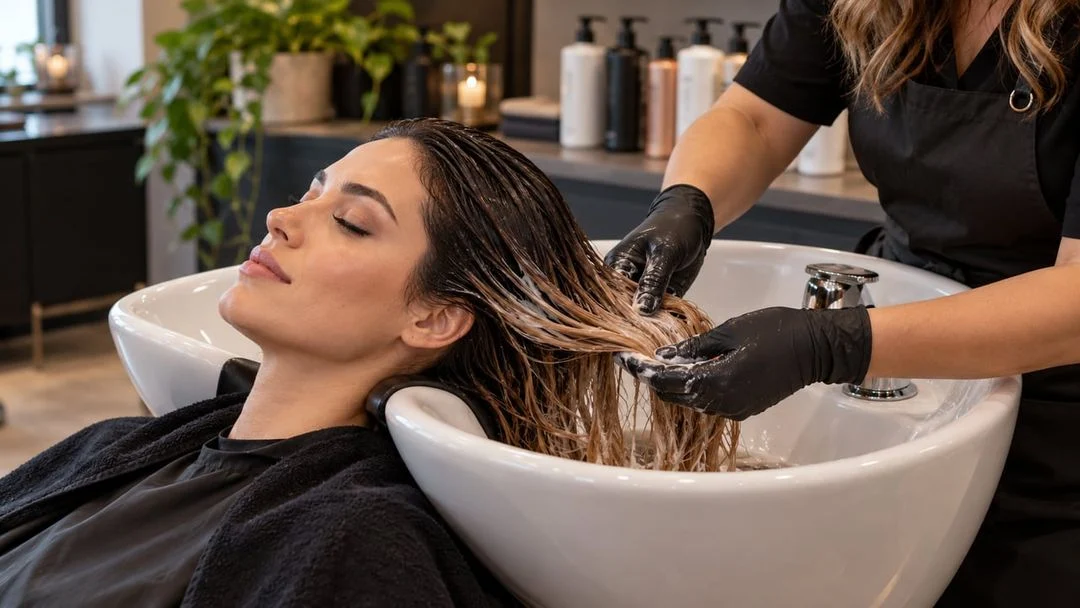
Mid-lengths should only receive a refresh when faded, uneven, or reflecting an inconsistent tone.
Safety and Chemical Rules for Permanent Dye
Permanent formulas work via an oxidative chemical reaction that opens the cuticle to deposit pigment. Standard safety practices include completing a patch test prior to application to monitor for sensitivity, alongside keeping track of previous chemical services.
- Wear protective gloves throughout preparation, application, and rinsing.
- Use an angled tint brush to control formula placement accurately.
- Apply barrier protection around the hairline and ears to prevent staining.
- Rinse the scalp thoroughly once processing time finishes.
- Follow up with sulfate-free, color-safe maintenance treatments.
When Should You Actually Refresh the Ends?
Lengths only require color attention if the shade has visibly faded, developed unwanted brassiness, or lost its cohesive tone. Even under those conditions, colorists process the roots first to let the gray coverage take hold.
During the final minutes of processing, the stylist may emulsify the mixture through the ends with water or apply a gentle, separate toner rather than exposing delicate ends to full-strength permanent processing time.
Keeping pigment concentrated strictly where new growth appears maintains bounce, surface smoothness, and consistent color from scalp to tip.
✨ Have you experienced dull ends from pulling color all the way through your hair? Let us know in the comments below!
💬 Tell us how often you touch up your roots and what application method works best for your hair texture.
📱 Share this guide with a friend looking to maintain shiny, healthy hair while keeping gray regrowth covered.
 1
 2
 3
 4
