
High Court Rejects Mystery Celebrity’s Bid to Conceal Identity Amid Sexual Misconduct Probe: Why His Name Stays Secret for Now

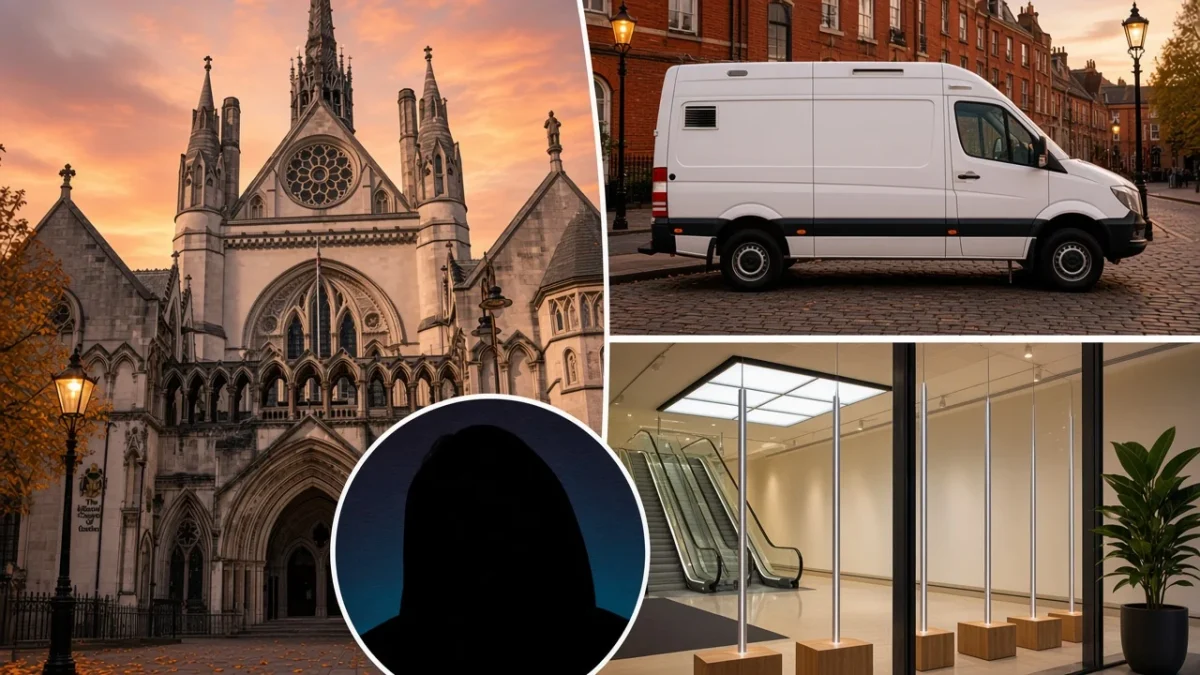
A prominent male star has officially lost his legal fight to permanently silence major news outlets from naming him in an expansive sexual misconduct investigation. High Court judge Mr. Justice Nicklin formally dismissed the unnamed figure’s bid to block publication, though an emergency interim order temporarily keeps his identity protected while his legal team weighs an appeal.
The landmark decision represents a dramatic turning point in a high-stakes standoff between media transparency and individual privacy. The claimant sought an injunction to stop Independent Television News (ITN) and Guardian News and Media (GNM) from exposing the findings of their parallel journalistic inquiries into his past conduct.
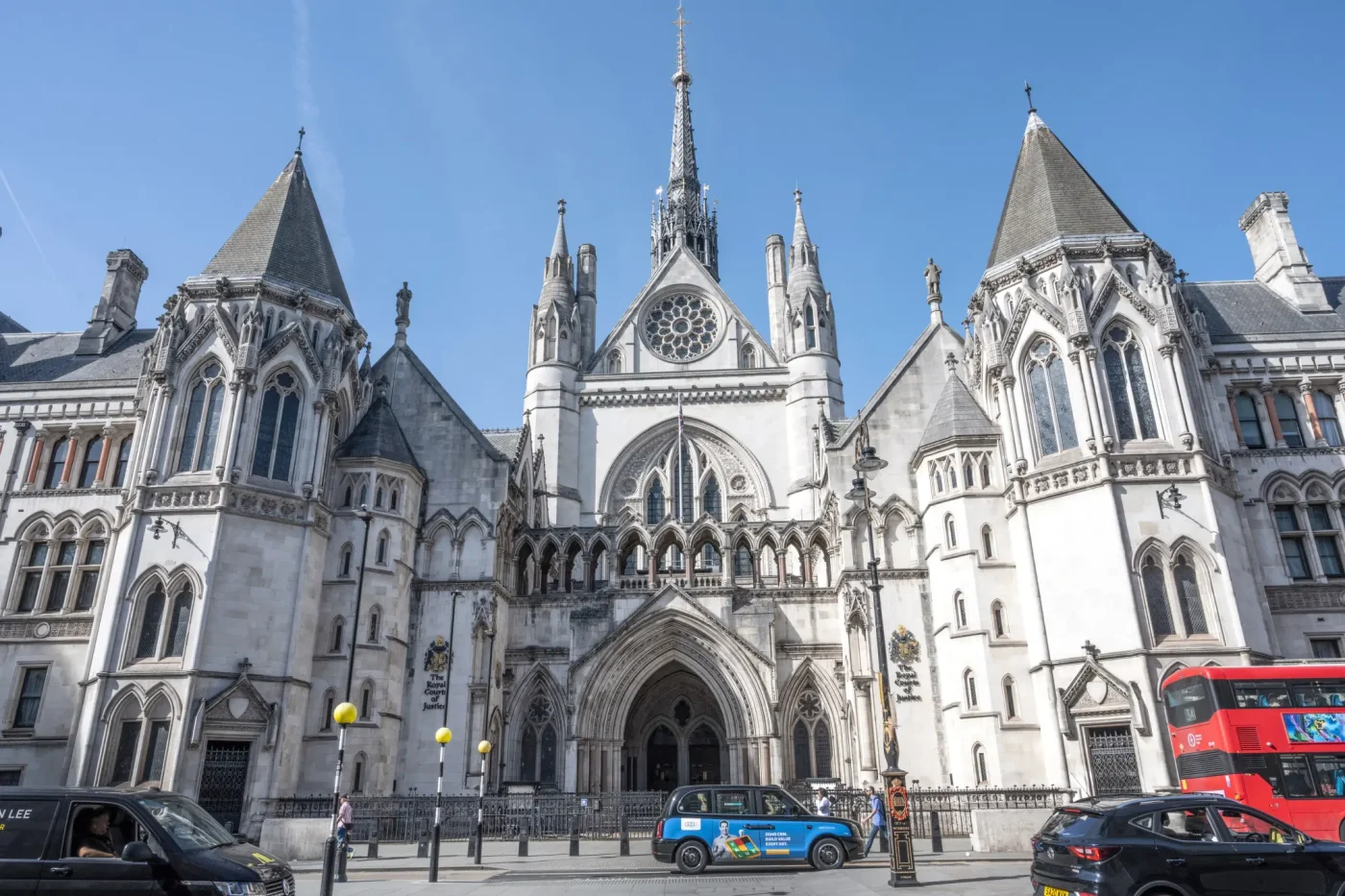
Exterior view of the Royal Courts of Justice, High Court and Court of Appeal of England and Wales on the Strand in Westminster, London.
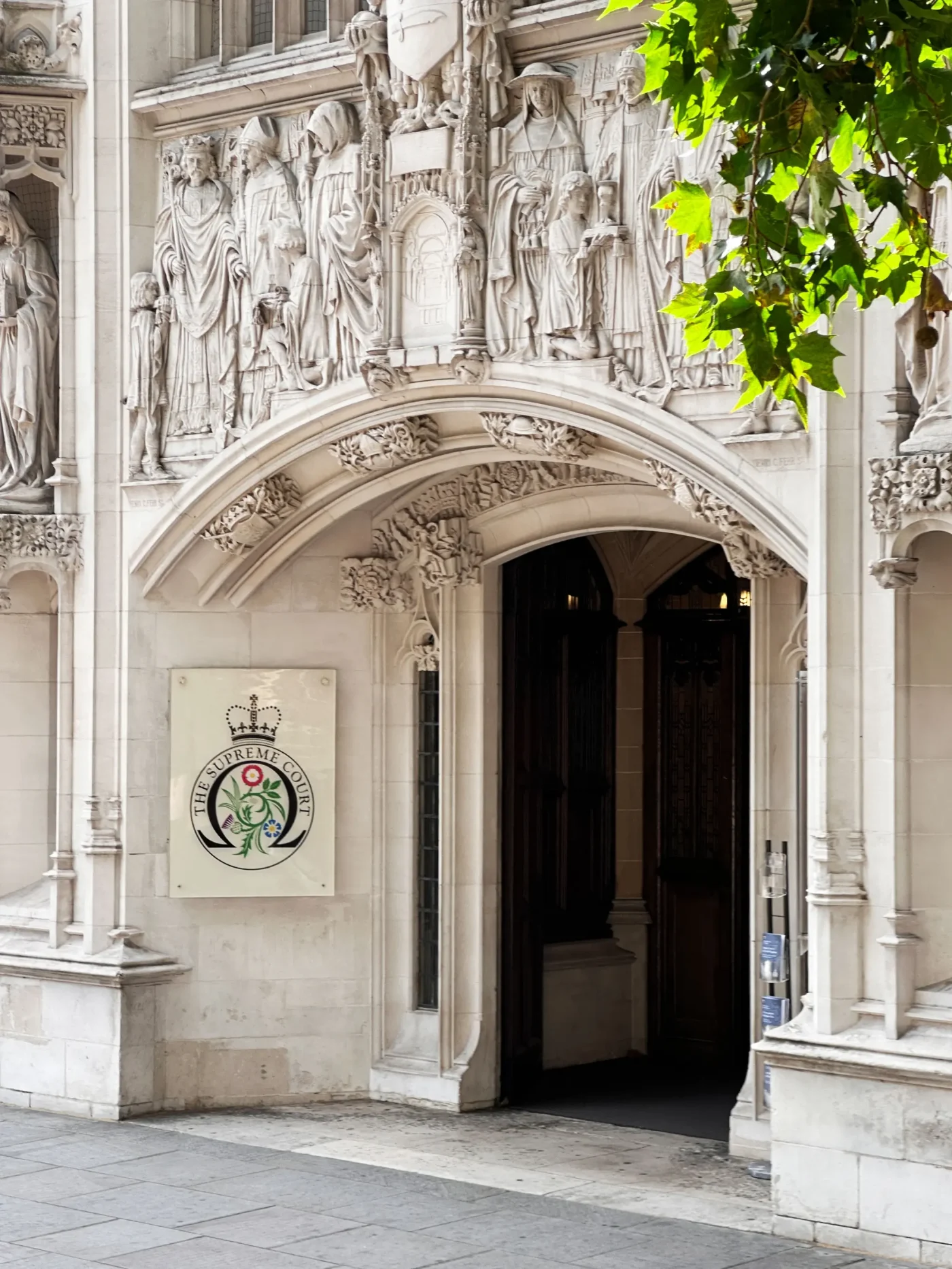
The entrance to the Supreme Court in Westminster, London.
Inside the High Court Showdown: Why the Injunction Was Denied
The core dispute centers on explosive accusations that the anonymous public figure abused his professional status and influence to approach young women for inappropriate and exploitative sexual activities. The individual has vehemently denied all accusations of wrongdoing.
Delivering his decision directly to the courtroom, the presiding judge brought the claimant’s initial lawsuit to an abrupt halt.
“The claim brought by the claimant is dismissed and the application for the injunction is refused,” the judge in the case, Mr. Justice Nicklin told the court.
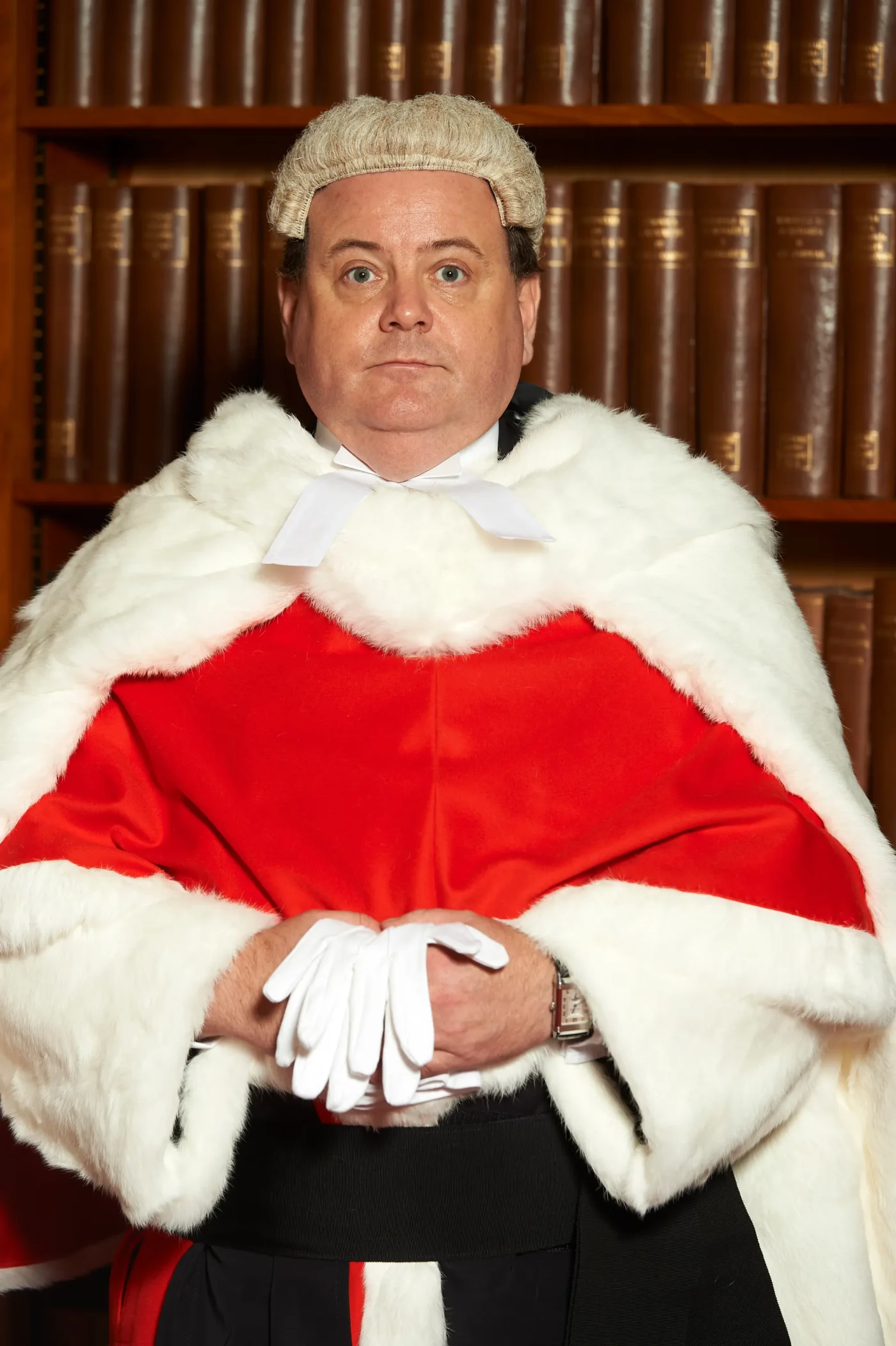
Mr Justice Nicklin wearing traditional judge robes and wig.

An ITN news van parked outside Sixways Stadium.
The Defense: Mental Health and Self-Harm Warnings
To block the media organizations from publishing, the claimant’s lead attorney, Sara Mansoori KC, argued that exposure would lead directly to catastrophic consequences. She stated that the individual had already attempted suicide twice when journalists reached out for comment on the allegations.
Mansoori told the court that public naming would have a potentially fatal impact, noting that the celebrity had been hospitalized for months, placed under involuntary detention, and evaluated by more than 10 medical doctors. She emphasized that while her client strongly denies the misconduct claims, he has no intention of ever returning to public life.
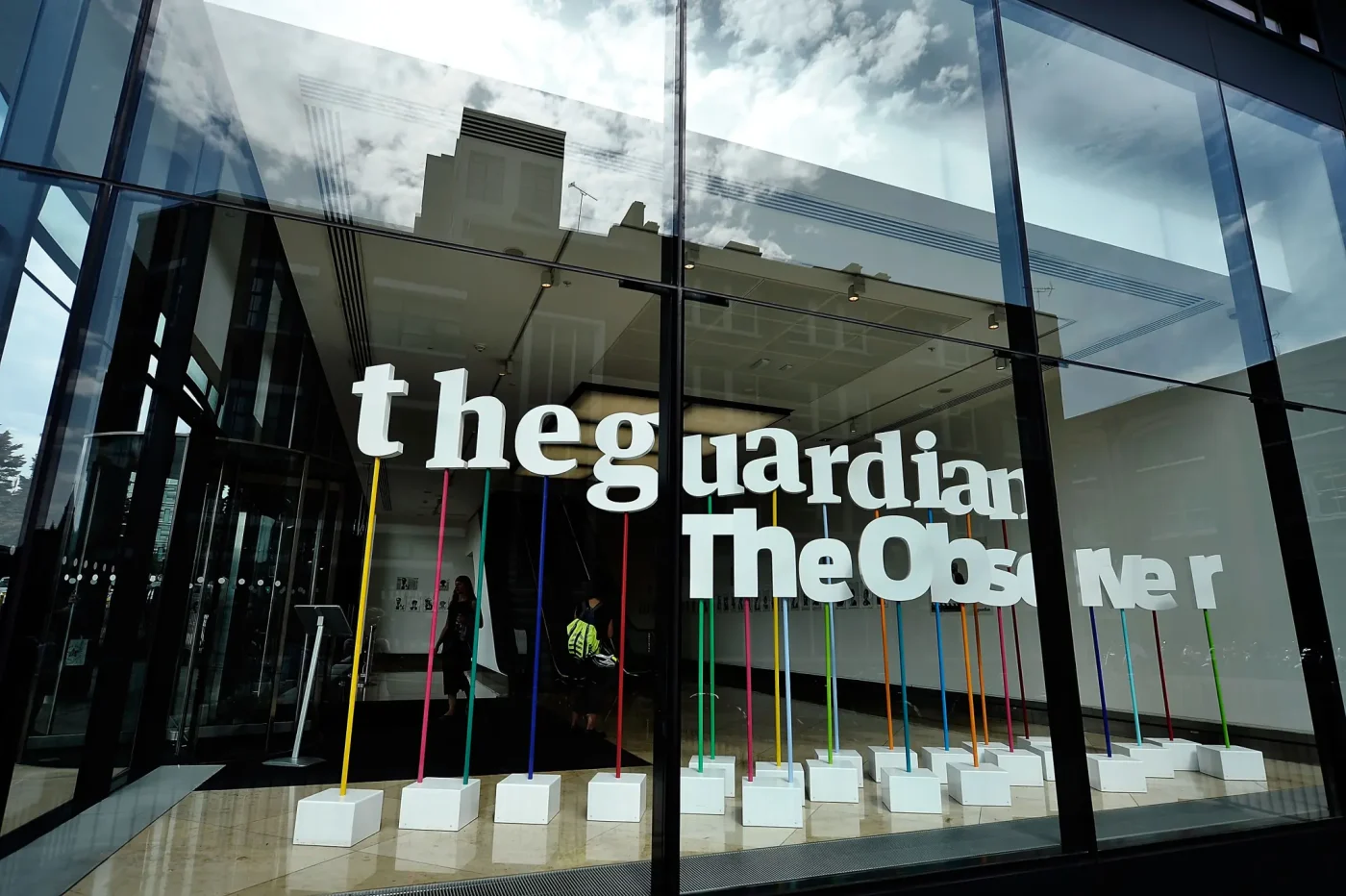
The Guardian newspaper offices in London.
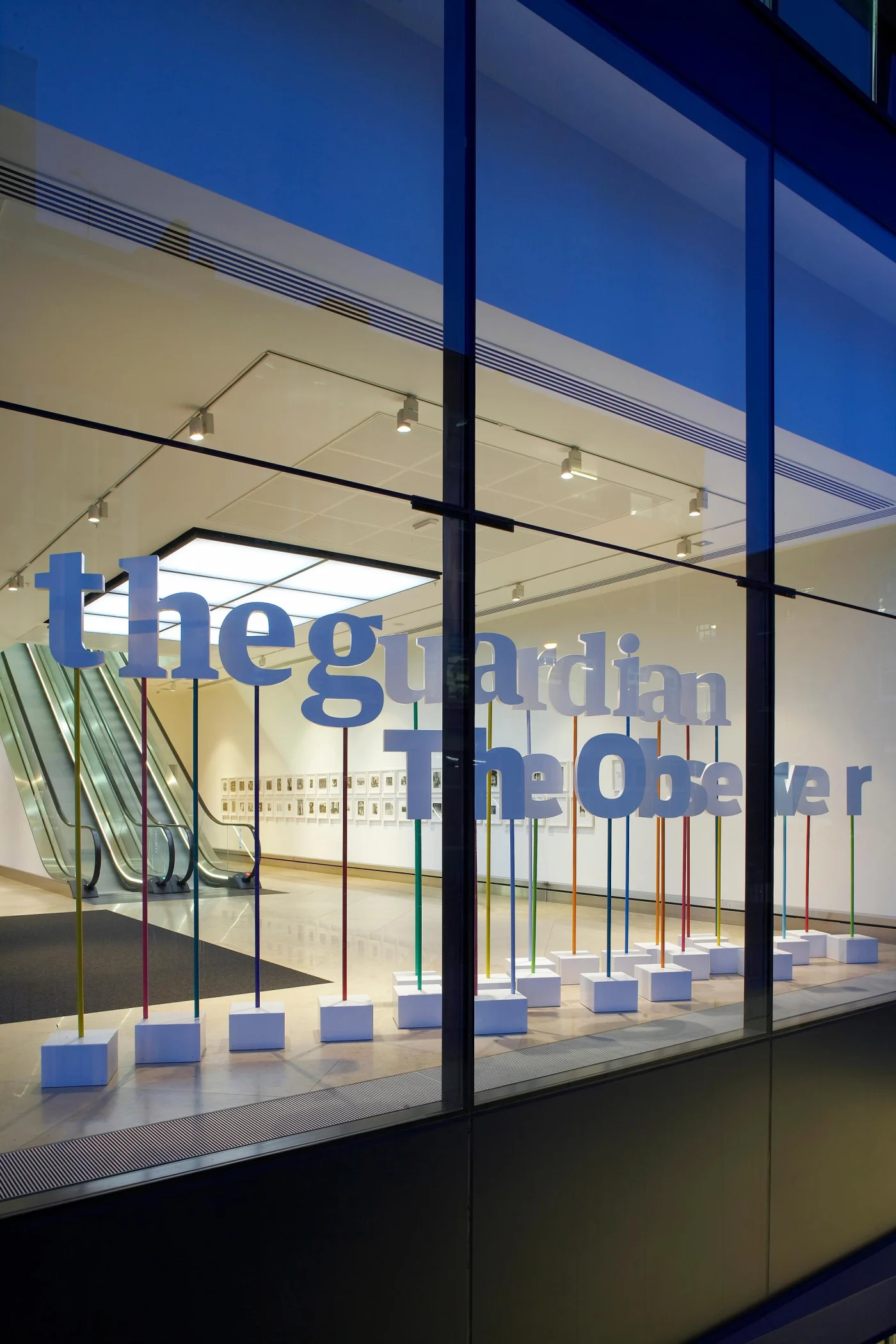
Exterior view of Guardian Offices signage at Kings Place in London.
The Media’s Argument: Public Interest and Over 100 Witnesses
Attorneys representing ITN and Guardian News and Media pushed back forcefully against the bid for perpetual secrecy. Legal counsel Gavin Millar argued that precedent does not impose a legal duty on the press to refrain from reporting factual stories because of claimed self-harm risks.
“The obligation falls on the hospital to keep him safe, and that’s that,” he told the court.
Millar argued that the reporting was supported by an exhaustive, wide-ranging investigation involving interviews with more than 100 individuals. He underscored that multiple alleged victims suffered severe emotional trauma and mental health crises as a direct consequence of the celebrity’s alleged actions.
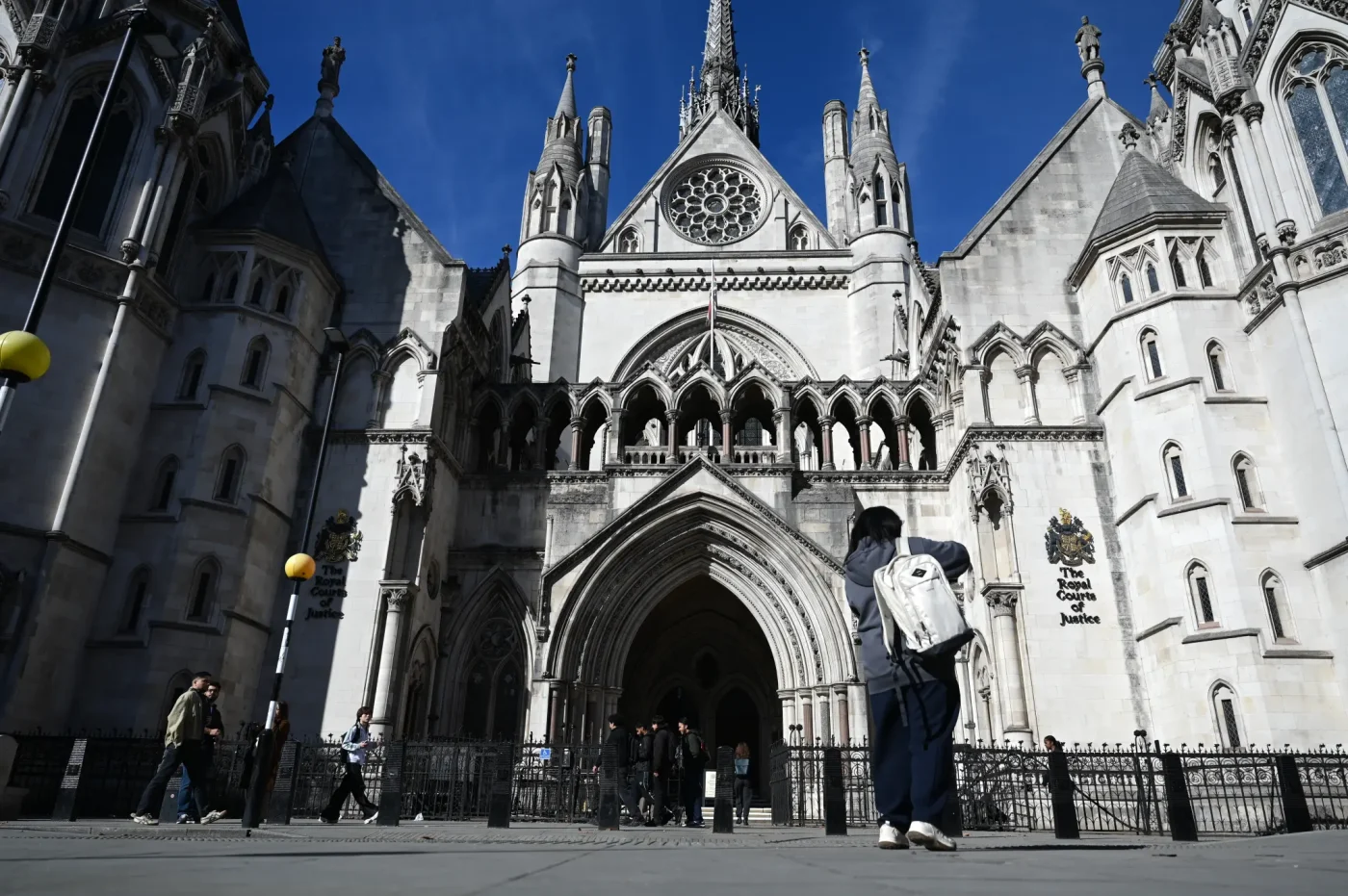
A low-angle exterior view of the Royal Courts of Justice in London.

Television satellite transmission trucks parked outside a major event venue.
Legal Breakdown: The Battle Over Anonymity
A widespread misconception is that once a judge dismisses an injunction request, the public instantly learns the party’s identity. In high-profile privacy disputes, courts frequently leave temporary orders active to ensure a litigant’s right to petition an appellate bench is not destroyed before the appeal is heard.
| Legal Factor | Case Reality |
|---|---|
| Current Status | Application dismissed; interim anonymity temporarily maintained |
| Claimant Defense | Severe medical vulnerability and threats of fatal self-harm |
| Press Argument | Broad public interest backed by over 100 interviewed sources |
| Next Legal Step | Potential challenge submitted to the Court of Appeal |
What Needs to Happen Before Any Name Is Published
While the initial claim was dismissed, newsrooms cannot legally publish the celebrity’s name until specific legal hurdles clear:
- Appellate Decision Window: The claimant’s defense stated the star is currently not well enough to evaluate next steps, but holds the right to file with the Court of Appeal.
- Expiration of Interim Relief: The temporary protective order remains active until appellate judges either deny leave to appeal or uphold the dismissal.
- Final Court Order: Only upon the formal discharge of all injunctions can the media organizations distribute their full investigative reports.
💬 The clash highlights an intense debate over whether personal health crises should outweigh the public’s right to know about serious misconduct allegations.
✨ For now, newsrooms await the star’s final legal move as the temporary veil of secrecy holds on by a thread.
👇 Where do you draw the line between press freedom and personal privacy in cases like this? Sound off in the comments below.
 1
 2
 3
 4
