
Why Leaving a Wild, Messy Corner in Your Yard Could Save One of the World’s Most Beloved Backyard Creatures


A perfectly manicured, pristine lawn might look tidy, but it turns out that leaving a messy, unkempt patch in your yard could be the difference between life and death for local wildlife. British baking champion and author Nancy Birtwhistle recently sparked a major conversation online after sharing how her deliberately rugged backyard provides a lifeline for two wild hedgehogs that visit every single night.
The stakes are higher than most people realize. The European hedgehog is officially classified as “vulnerable to extinction” on the Great Britain Mammal Red List and is categorized as “near threatened” globally by the International Union for Conservation of Nature (IUCN). As suburban development fragments habitats and modern fences block traditional foraging corridors, residential yards have become ground zero for their survival.
Birtwhistle’s strategy relies on three specific principles: completely eliminating chemical pesticides, preserving an intentionally overgrown “rough patch,” and setting up a dedicated shelter. Conservationists confirm that this hands-off approach provides both natural insulation and a rich feeding ground of insects—the backbone of a hedgehog’s diet.
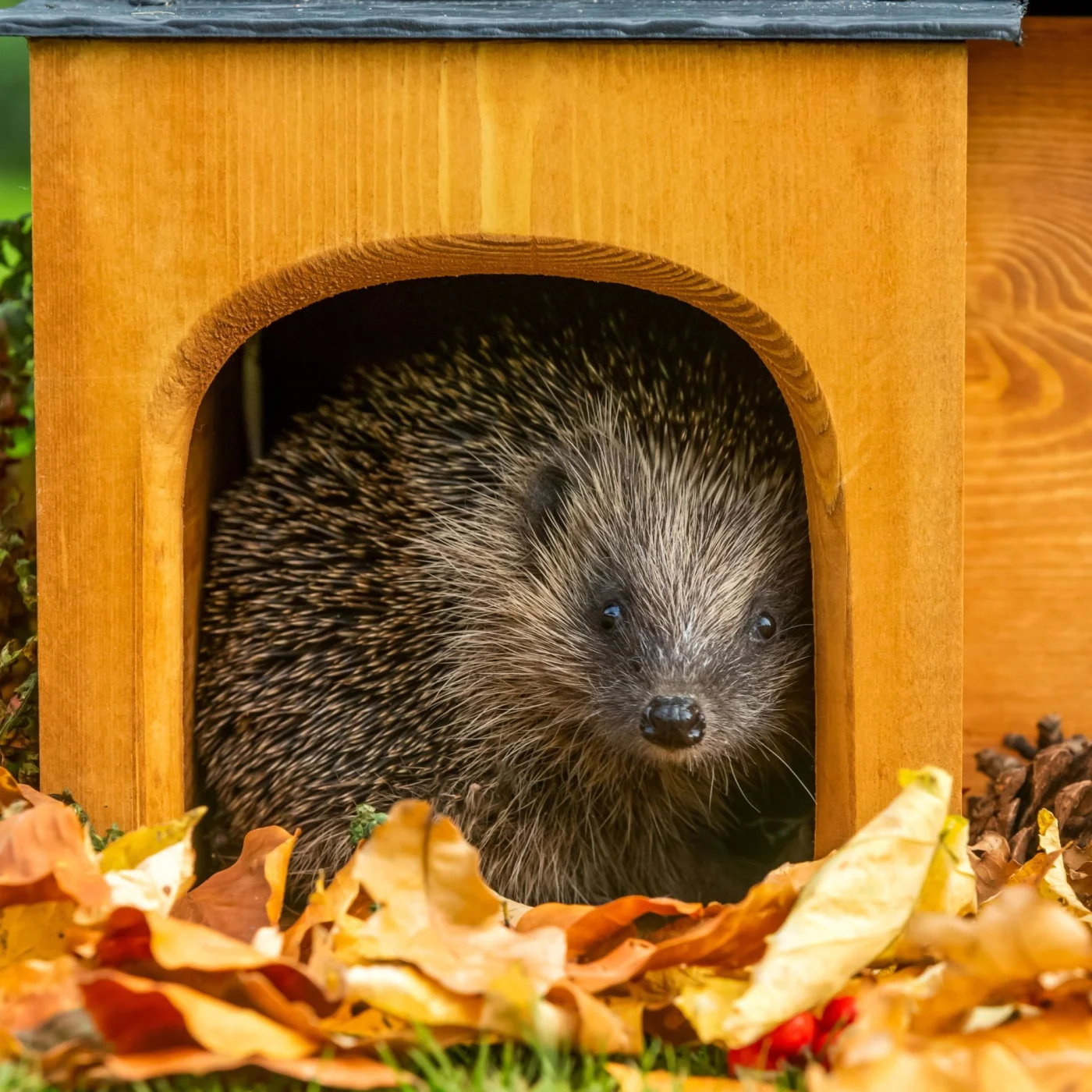
winter garden hedgehog in house
Why Pristine Lawns Threaten Foraging Wildlife
According to survey data from outdoor brand Dino Decking, an eye-opening 61% of residential gardens contain potential hazards that put hedgehogs at risk. Between automatic string trimmers, enclosed perimeter fences, open water features, and synthetic insect sprays, modern backyards often function as lethal obstacle courses.
“Hedgehogs are the nation’s favourite garden visitor, but they really need our help. Their population is continuing to decline rapidly, and they face new challenges and threats – such as the risk of crossing roads, habitat loss and accidental death from garden machinery and ponds,” explains Dr. Emily Lambert, conservation scientist and founder of Seedball.
When property owners spray pesticides to eliminate beetles and caterpillars, they inadvertently eradicate the primary food source hedgehogs require to build up crucial fat reserves ahead of cold weather hibernation.
hedgehog in garden
The Myth of Bread and Milk: What to Actually Feed Visitors
One of the most persistent backyard myths is that setting out bread and cow’s milk is helpful for small foraging mammals. In reality, hedgehogs are lactose intolerant; dairy and bread cause severe digestive distress and can quickly lead to dehydration and malnutrition.
Julia Sixsmith, founder of Hindley Hedgehog Help, points out that human intervention should mimic natural nutrition while avoiding unnecessary hazards:
- Clean water only: Provide a wide, shallow dish of fresh water rather than milk.
- Protein-rich wet food: Offer basic, meat-based cat or dog food to help animals pack on winter calories.
- Daily bowl maintenance: Wash feeding dishes every single evening to stop bacterial spread among local wildlife.
- Pre-mow inspections: Thoroughly inspect tall grass and brush before operating trimmers, mowers, or lighting brush fires where animals nest.

A hedgehog peeking over a log in an English garden
Unlocking Corridors with Hedgehog Highways
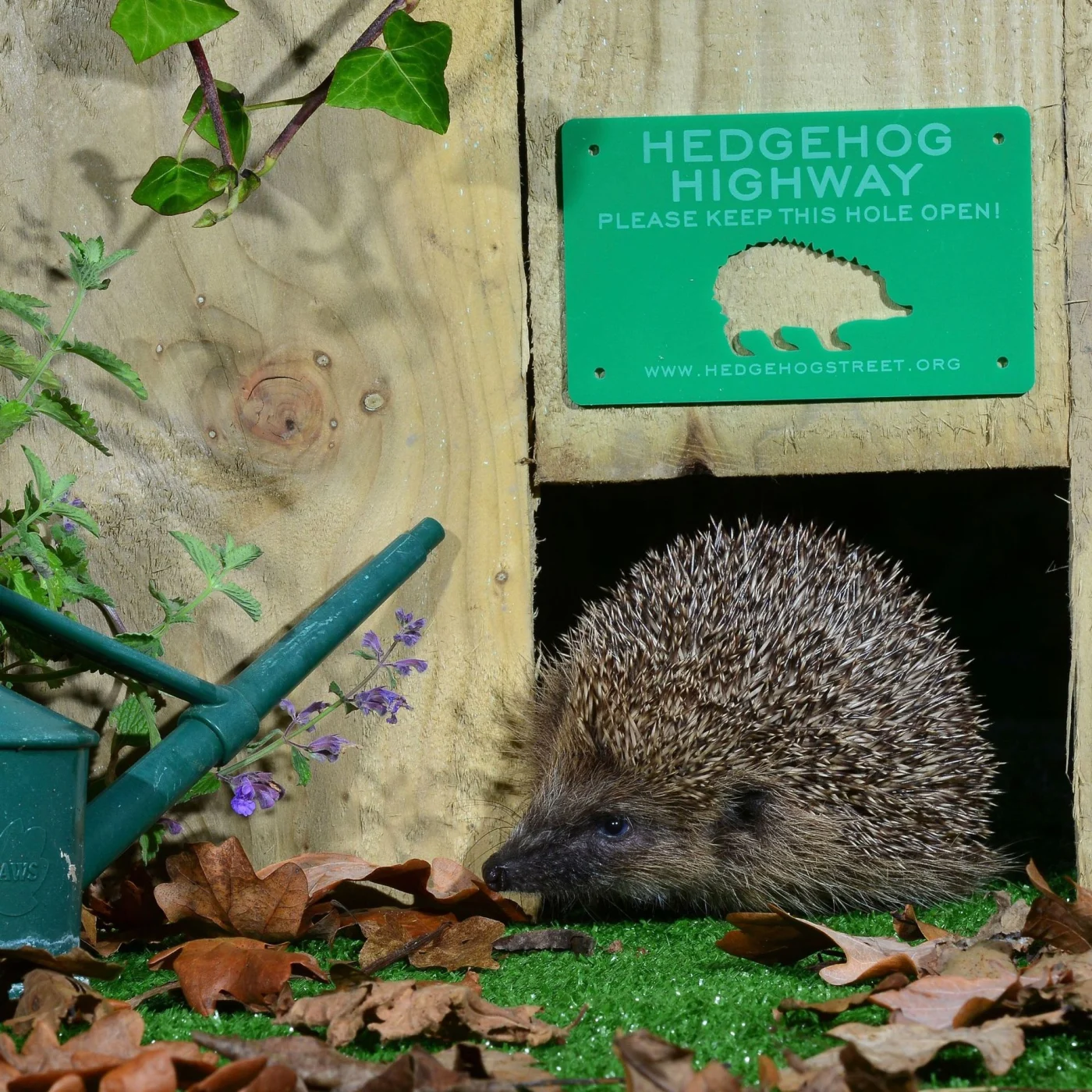
A solitary hedgehog roams up to 3 kilometers (nearly 2 miles) every single night in search of food and mates. Solid boundary fences and retaining walls completely block these travel routes, forcing animals toward vehicle-heavy roadways.
Installing a “Hedgehog Highway”—a small, 5-by-5-inch cutout at the base of a perimeter fence—allows small critters to slip through adjoining yards safely without confronting roadway traffic.

Hedgehog Highway
Backyard Features: High-Risk Traps vs. Wildlife Havens
Transforming your space into an intentional wildlife garden does not require abandoning aesthetic appeal altogether. Understanding how specific design decisions affect vulnerable foragers is the first step toward creating a balanced, biodiverse ecosystem.
| Common Backyard Feature | Impact on Foraging Wildlife |
|---|---|
| Synthetic Pesticides & Pellets | Eliminates primary insect prey and causes secondary poisoning when ingested. |
| Solid Privacy Fencing | Traps animals in limited territory, forcing dangerous crossings across busy roads. |
| Undisturbed Leaf & Log Piles | Provides essential, insulated nesting materials and natural foraging grounds. |
| Sheltered Hedgehog House | Shields hibernating animals from intense wind, torrential rain, and predators. |
Giving wildlife a fighting chance often comes down to doing less yard work, not more. By putting down the rake and welcoming a little controlled chaos in the flowerbeds, anyone with a patch of dirt can help keep these vulnerable creatures safe.
✨ Have you spotted small wildlife foraging in your yard this season?
💬 Drop your thoughts in the comments below and share what steps you take to keep your local green spaces wild.
📱 Don’t forget to send this guide to your fellow gardeners before they start their next yard cleanup!
 1
 2
 3
 4
