
A 100-Pound Machine in a 1935 Louisiana Waiting Room Just Solved a Century-Old Linguistic Mystery

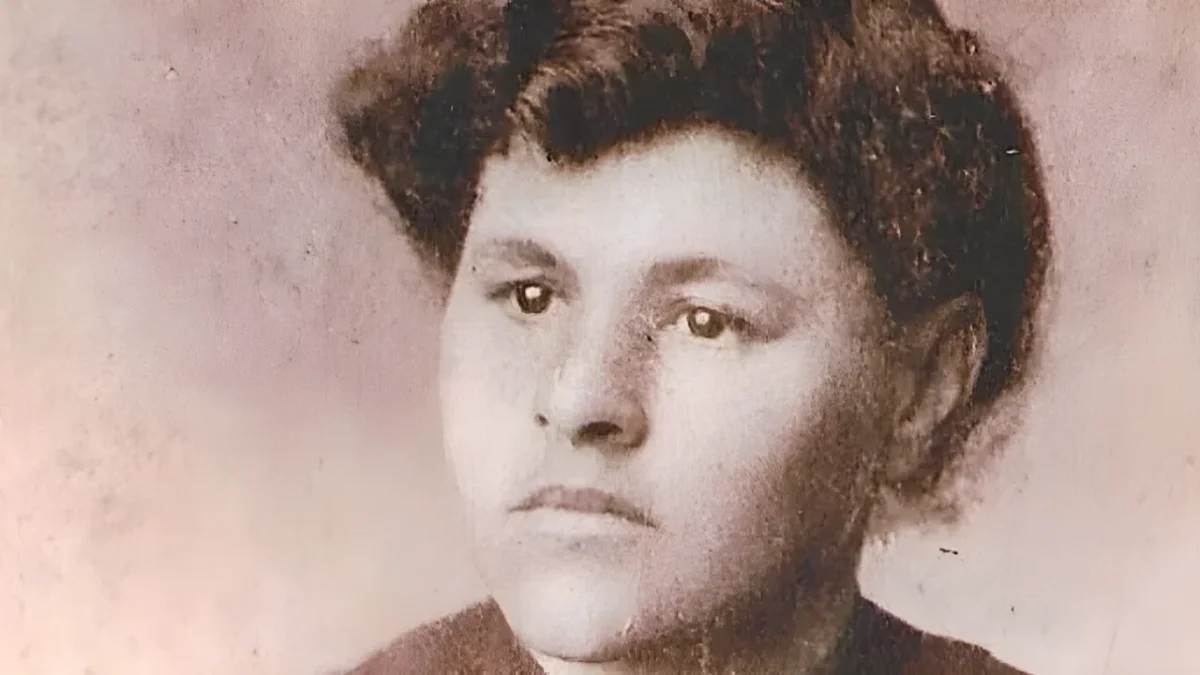
Archivists have uncovered the oldest known recordings of spoken Louisiana Creole, bringing the authentic voices of the American South back to life after nearly a century in obscurity. Recorded in the summer of 1935 onto aluminum discs, the newly analyzed speech captures native speakers describing their daily lives and personal histories in their own words.
The historical treasure sat preserved at the Archives of Traditional Music at Indiana University Bloomington before being identified and studied by Dr. Oliver Mayeux, a linguist from Cambridge University. The discovery provides immediate, unprecedented audio documentation of a language that once dominated southern Louisiana communities.
At the center of the breakthrough is a 69-year-old widow named Emma Benoit, who sat in a doctor’s office waiting room in Lafayette, Louisiana, completely unaware that her conversation would one day rewrite historical linguistics.
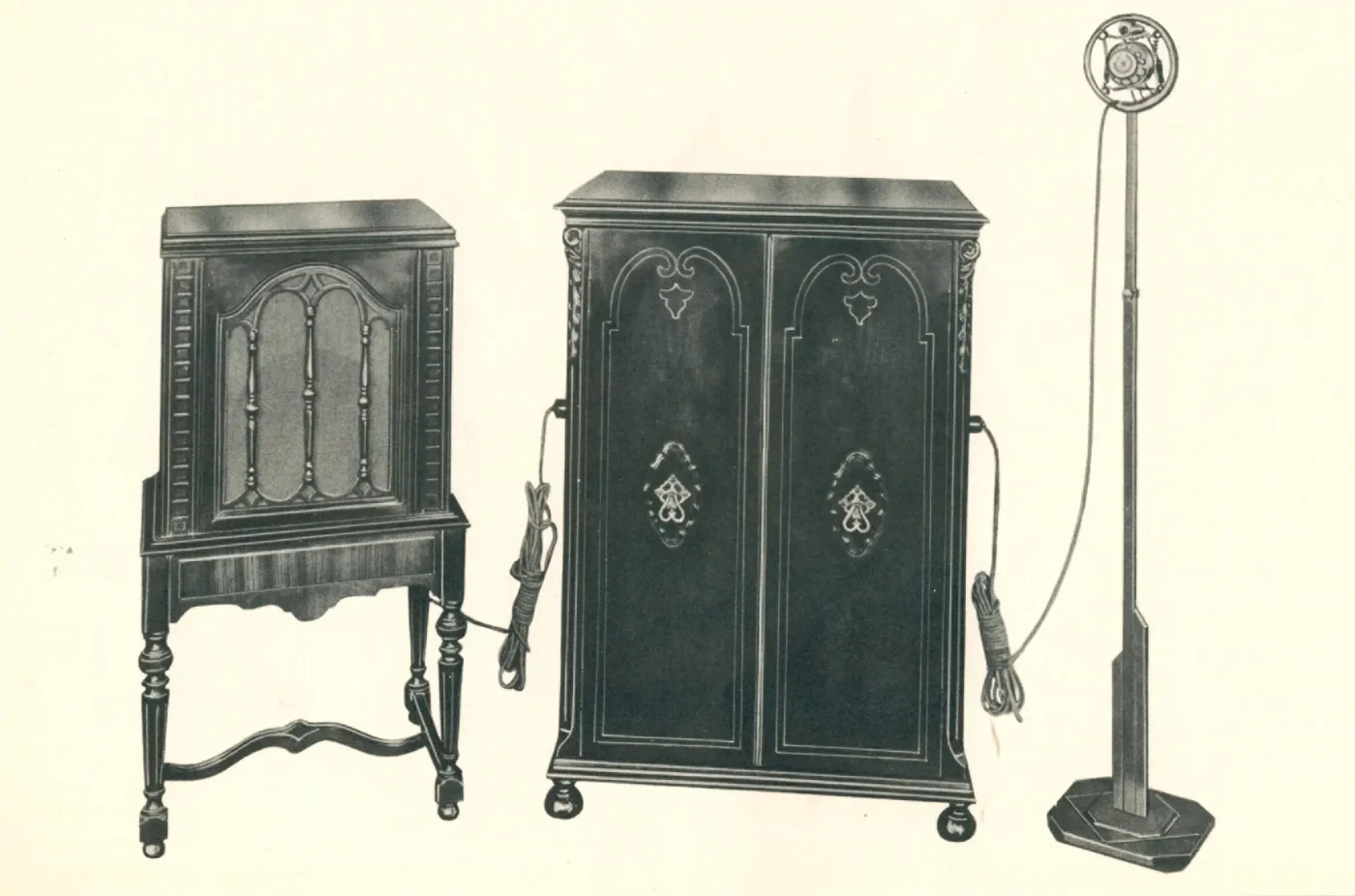
A three-part field recording setup used during 1930s linguistic research expeditions.
Who Was the Pioneer Behind the 100-Pound Recording Device?
The scholar who carried the massive setup across Louisiana was Dr. Lorenzo Dow Turner, a trailblazing Black linguist. Turner spent the sweltering summer of 1935 traveling through southern Louisiana with an intricate recording rig weighing roughly 100 pounds.
The apparatus required at least two people to transport and assemble. Turner hauled the wooden cabinet, heavy cables, metal microphones, and disc-cutting gear into everyday spaces across the region to document native speakers before early dialects vanished.
Turner encountered Emma Benoit in Lafayette. Born in the immediate aftermath of the Civil War to a formerly enslaved mother and a white father, Benoit spoke in Louisiana Creole, locally recognized as Kouri-Vini.
As she leaned toward the metallic microphone, she recounted the “passing of my life,” immortalizing speech patterns that standard historical archives had long overlooked.
What Makes These 1935 Disc Recordings Unique?
For decades, researchers assumed that no spoken documentation of early twentieth-century Kouri-Vini had survived. While audio tracks dating to 1934 had been cataloged by folklorists, those earlier samples captured only musical performances.
Singing alters natural intonation, cadence, and grammatical rhythms. Natural conversation provides an entirely different level of structural data that academic researchers require to chart how syntax evolves.
“The moment I heard these recordings, I knew that they would drastically change our understanding of this language,” Dr. Mayeux said.
His detailed analysis, published in the peer-reviewed journal Language Documentation and Description, highlights thirteen recovered interviews recorded during Turner’s 1935 expedition.
Unraveling Common Myths Surrounding Louisiana Creole
A widespread misconception assumes that Louisiana Creole and Louisiana French are completely interchangeable dialects. In truth, Kouri-Vini developed as a distinct language with its own specialized grammar, vocabulary, and phonetic systems.
Another popular myth held that nineteenth-century vernacular Creole could only be reconstructed through written plantation records or later secondary accounts. Turner’s audio discs completely invalidate that assumption by preserving authentic phonetics directly from nineteenth-century-born speakers.
| Historical Audio Category | Documentary Significance |
|---|---|
| 1934 Archival Audio | Preserved early folk songs, but limited to musical meter rather than spoken dialogue. |
| 1935 Turner Field Recordings | Earliest verified recordings of conversational, spoken Louisiana Creole (Kouri-Vini). |
Why Preserving Kouri-Vini Matters Today
Today, only a few thousand people actively speak Kouri-Vini. The rediscovery of Turner’s fieldwork offers native language revitalists and academic researchers a clean baseline for authentic pronunciation, vocabulary, and narrative structure.
These aluminum discs demonstrate how historical preservation projects can suddenly re-emerge to reshape our shared understanding of American heritage and language preservation.
💬 Archival discoveries like this bridge the gap between forgotten history and living culture.
✨ Emma Benoit’s voice from 1935 is finally receiving the national recognition it deserves.
📱 Have you ever explored your family’s regional dialects or ancestral languages? Drop your thoughts in the comments below!
👇 Share this story with fellow history buffs and linguistics fans to keep this unique heritage alive.
 1
 2
 3
 4
