
At 104 Years Old, the World’s Oldest Living Gopher Tortoise Just Survived Major Surgery

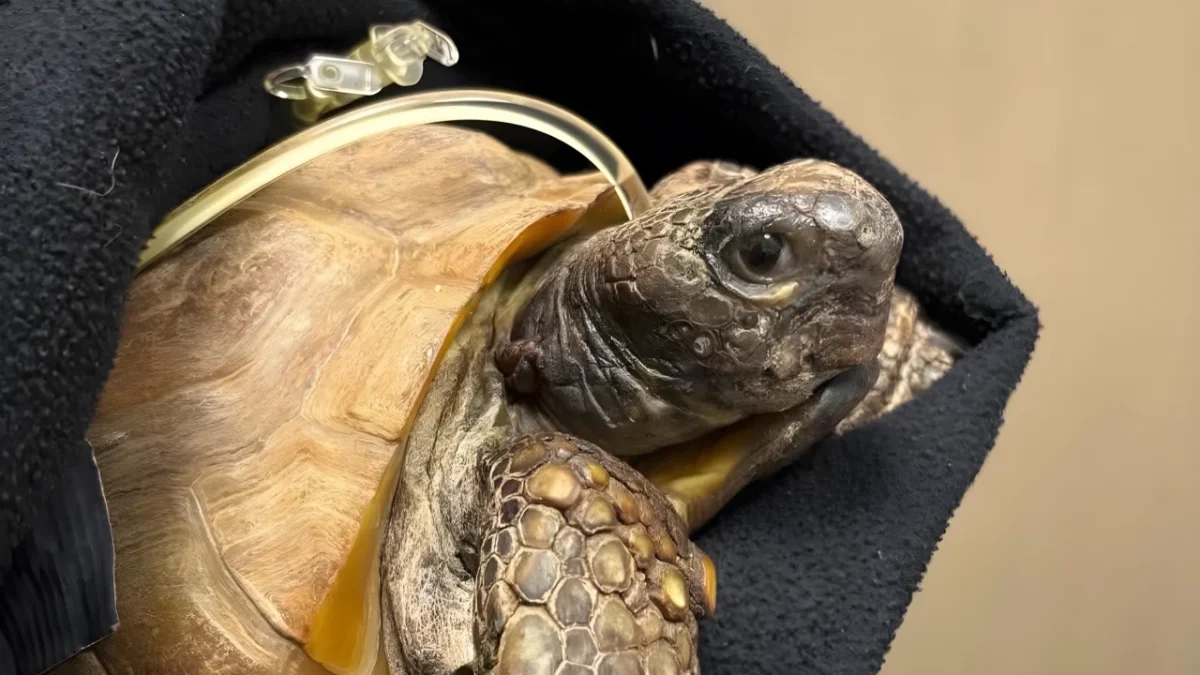
Gus, recognized as the world’s oldest living gopher tortoise at 104 years old, is officially on the road to recovery after undergoing veterinary surgery to remove a bladder stone.
The centenarian reptile has spent more than 80 years as the crown jewel of Nova Scotia’s Museum of Natural History. News of the delicate medical procedure quickly triggered an outpouring of support from admirers across the globe.
While surviving complex surgery at over a century old is an extraordinary feat for any animal, his medical journey is far from over.
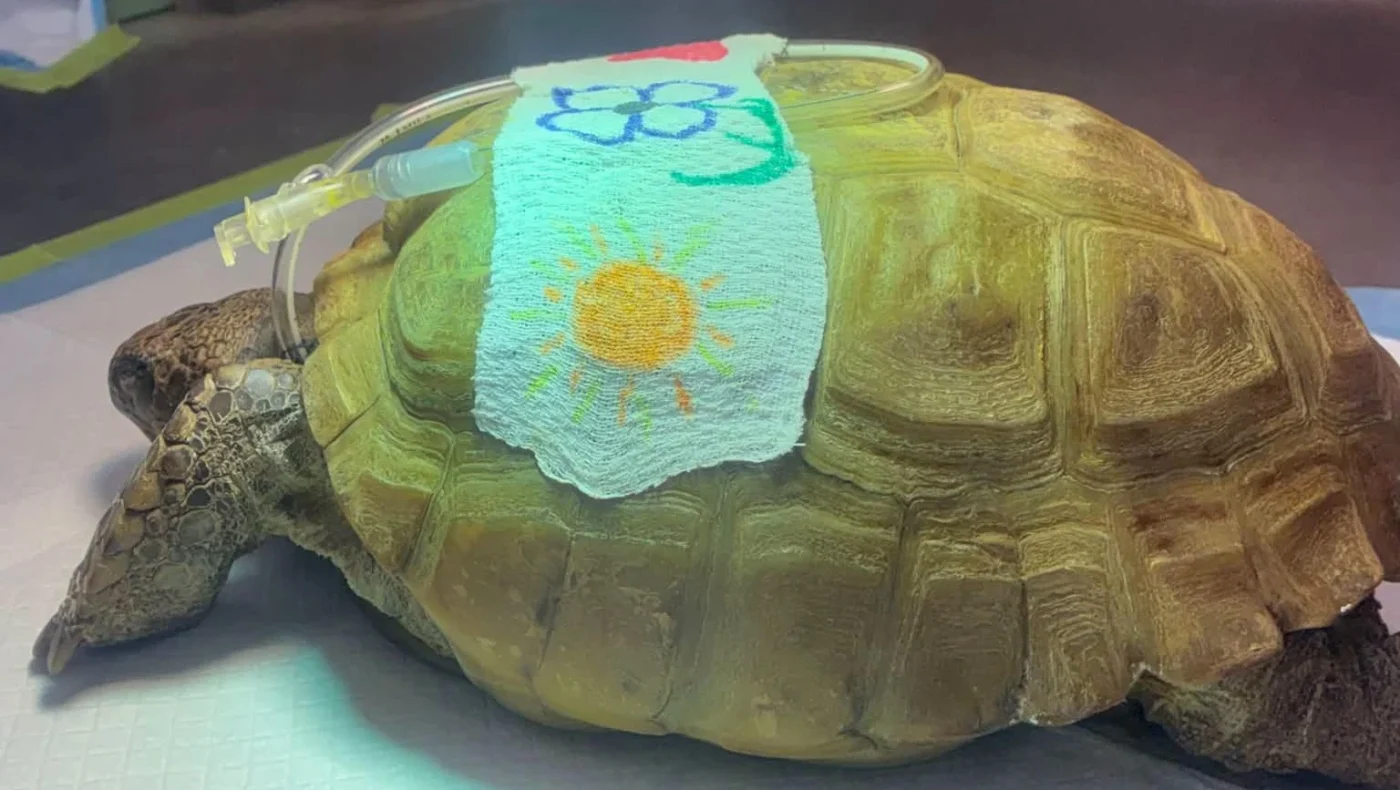
Gus, a 104-year-old gopher tortoise, pictured around his surgical treatment.
What Does Recovery Look Like for a Centenarian Tortoise?
For now, Gus remains behind the scenes and off public display while animal care staff monitor his day-to-day progress. Veterinary teams are waiting on critical health markers before clearing him for a public return.
His primary discharge goals center on basic metabolic milestones:
- Regaining physical strength after anesthesia and surgical intervention.
- Resuming independent feeding without requiring assisted nutritional support.
- Stabilizing internal hydration to ensure full bladder and renal recovery.
Operating on a reptile of this age presents unique physiological challenges that mammal-focused medicine rarely encounters.
Reptile surgical recovery demands immense patience because ectothermic metabolisms process anesthesia and heal tissue far slower than warm-blooded species.
The Bladder Stone Misconception in Reptiles
A common myth is that bladder stones in tortoises are minor irritations easily flushed with simple diet tweaks. In reality, large uroliths can obstruct internal organs, cause severe pain, and turn fatal if left unaddressed.
Because tortoises possess rigid shells, veterinary teams face distinct physical constraints when removing internal obstructions. Successfully navigating that anatomy on a 104-year-old patient marks an exceptional clinical success.
The Life and Legacy of Gus: By the Numbers
Few captive animals boast a documented timeline as extensive as this historic reptile.
| Milestone | Documented Detail |
|---|---|
| Current Age | 104 years old |
| Time at Museum | Over 80 years |
| Primary Diagnosis | Bladder stone (urolith) |
| Current Status | Recovering off-display; public letters accepted |
How Well-Wishers Are Connecting During His Absence
Even though Gus cannot receive in-person visits during his rehabilitation, his fans are not staying silent. The Museum of Natural History has invited visitors and admirers worldwide to drop off recovery letters and cards.
The facility is collecting these well-wishes as staff focus on nursing the beloved mascot back to full independence.
Every milestone—from his first self-directed bite of food to his eventual public reappearance—serves as a reminder of the sheer resilience found in these ancient reptiles.
✨ Gus proves that age is just a number when expert veterinary care and community support come together.
💌 Visitors continue dropping off handwritten notes while the team monitors his daily progress toward independent feeding.
💬 Have you ever seen an animal reach a milestone this rare? Share your well-wishes and thoughts in the comments below!
 1
 2
 3
 4
