
Cut Off From Civilization for 6 Months Every Winter: How a Family of 6 Survives -50°F Isolation in Remote Alaska

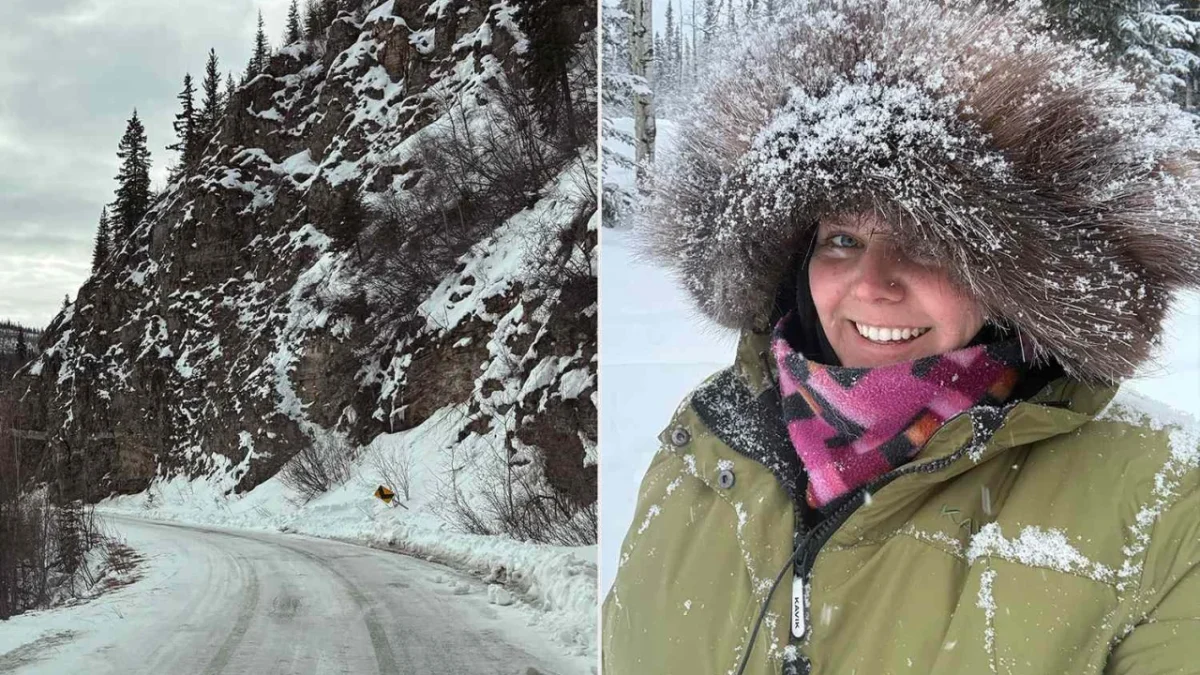
For six straight months every winter, the only road connecting Eagle, Alaska, to Fairbanks shuts down completely, cutting off the tiny subarctic border town from the rest of the world. Yet for 33-year-old Olivia Jones, her husband, and their four children, this extreme isolation is simply home.
The family of six swapped their suburban lifestyle in St. Louis, Missouri, for a community of fewer than 100 residents. Rather than retreating inside when the deep freeze sets in, they have built an intentional, self-reliant lifestyle centered around cold-weather survival and community bonds.
Adapting to remote Alaska life means grocery runs become massive cross-state expeditions and power outages can turn into multi-day emergencies.
The 9-Hour Supply Run That Sustains a Family Through Winter
Preparation begins long before the first major freeze grounds traffic. Every September, the Jones family drives roughly nine hours each way to Fairbanks for an extensive wholesale shopping spree before seasonal hazards render the road impassable.
Jones carefully calculates winter meal plans, tracks shelf-stable provisions, and stocks bulk ingredients to feed four growing kids until spring. Missing a staple means going without, making scratch cooking and pantry management non-negotiable survival skills.
Pantry Prepping and Wood-Stove Realities
Self-sufficiency in the far north requires strict routine. Jones spends significant time preparing bulk batches of homemade breads and organizing slow-cooked dinners designed for alternative heat sources.
- Bulk baking: Preparing breads and dry mixes ahead of severe cold snaps.
- Off-grid cooking: Utilizing wood stoves to simmer hot meals when standard kitchen appliances are offline.
- Inventory tracking: Calculating daily family consumption across six months of zero grocery access.
Her husband works remotely in IT, while Jones handles home logistics, provisions, and day-to-day operations during the extended sub-zero isolation.
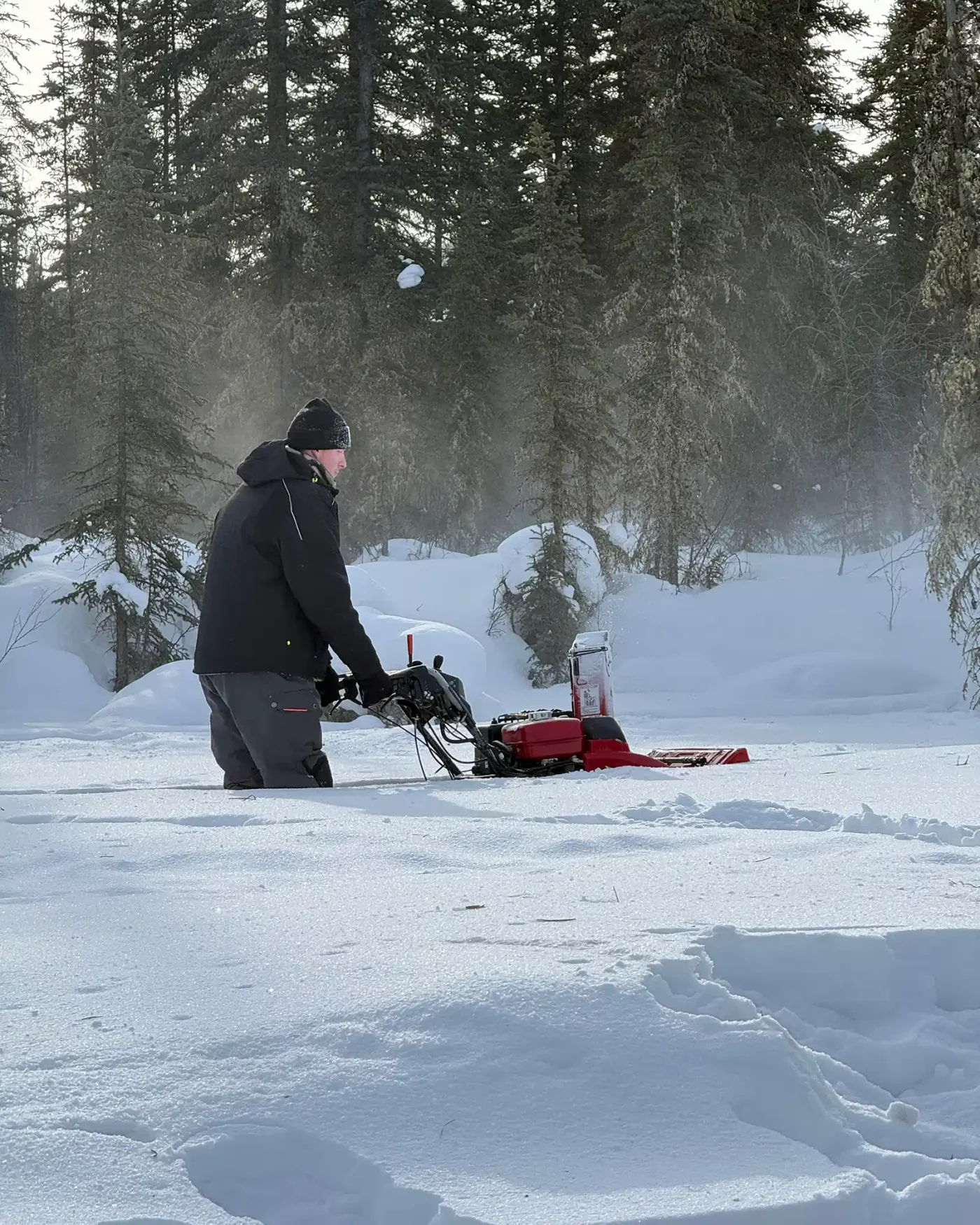
Olivia Jones, a resident living in remote Eagle, Alaska.
Myth vs. Reality: Why Deep Snow Isn’t the Real Danger
Many outsiders assume that residents in extreme northern outposts spend the winter trapped behind towering walls of snow. The practical reality of Eagle’s interior climate tells a very different story.
The area records approximately five feet of snow across the entire season, but it falls gradually rather than in paralyzing blizzards. The real hurdle is not physical snow accumulation—it is the brutal, lingering cold that regularly drops to -50 degrees.
“We are known more for our colder temps than deep snow!”
The family is never trapped inside their house by drift blockages, leaving them free to venture outdoors provided they wear proper cold-weather gear.
| Common Assumption | Subarctic Reality |
|---|---|
| Families are buried by snowdrifts | Annual snowfall is only around five feet |
| Severe blizzards trap people indoors | Temperatures plunging to -50°F pose the actual risk |
| Town shuts down entirely | School and daily chores continue uninterrupted |
| Immediate emergency utility access | Technicians must be flown in via mail plane |
The Critical Risk: Surviving Extended Power Loss
Extreme cold transforms standard infrastructure failures into genuine hazards. If the local electrical grid goes down, the family relies on a home generator, though Jones considers that equipment a temporary safety net rather than a permanent solution.
In previous seasons, the longest the household experienced without power was roughly half a day, aided by a licensed electrician who resided nearby. With that technician now retired, local repair capabilities have fundamentally changed.
An outage today means waiting for a scheduled mail plane to fly certified technicians into Eagle from outside the region. If weather delays the flight, the community faces multiple days without electricity in sub-zero conditions.
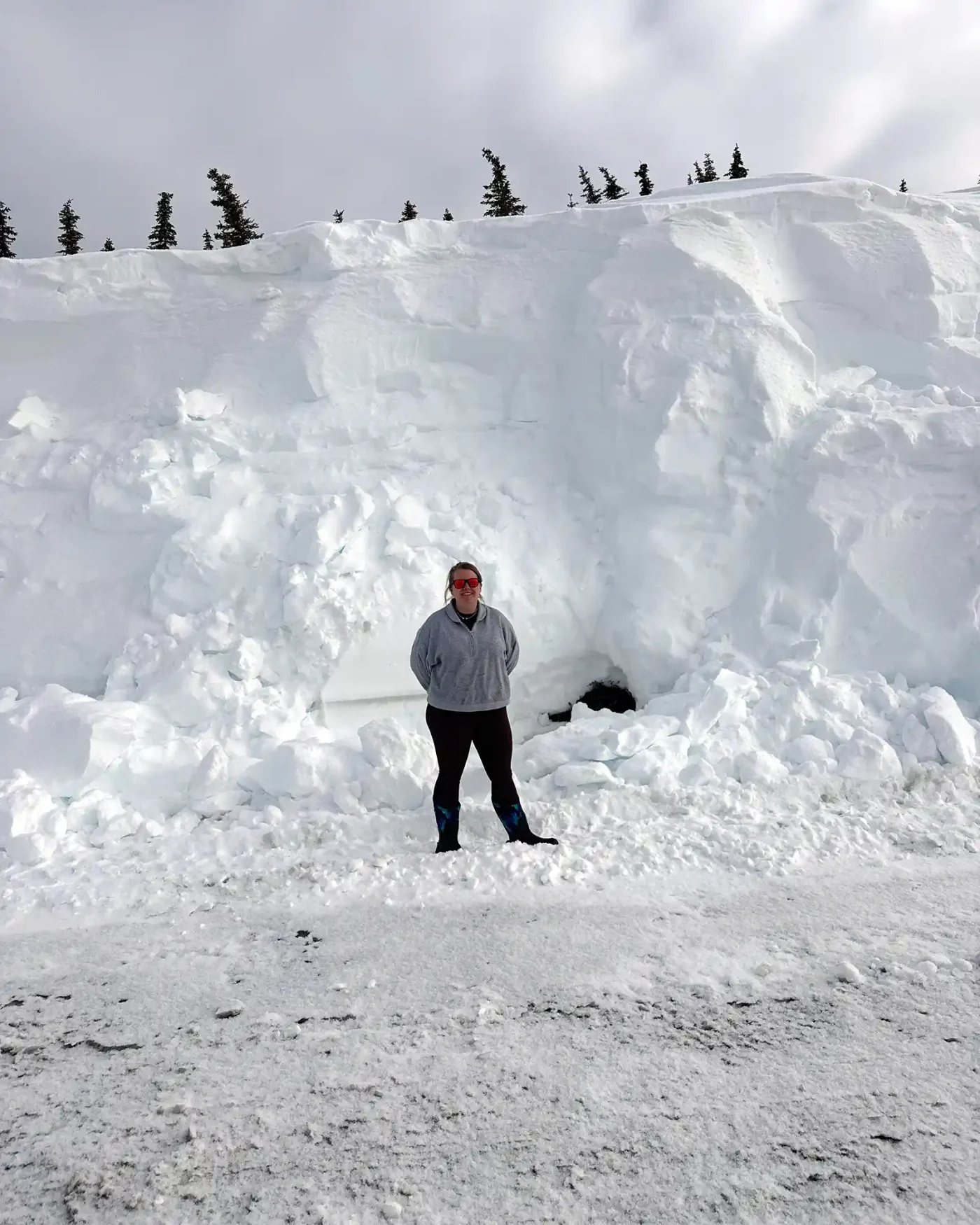
Olivia Jones navigating outdoor winter conditions in Alaska.
Why ‘Snow Days’ Do Not Exist in Eagle
While severe winter weather shuts down infrastructure across most American cities, daily responsibilities in Eagle never pause. The four Jones children attend a one-room local school where students of diverse age groups learn together.
“Snow days aren’t a thing around here. School doesn’t stop, work doesn’t stop, and daily chores don’t stop either. We continue life on with just a little more winter gear on.”
To prevent cabin fever, the family stays physically active on skis, snowshoes, snowmobiles, and dog sleds. Isolation also pulls the town closer: neighbors organize sledding outings, game nights, and monthly dinners to stay connected throughout the long, dark winter.
💬 Could your family handle six months completely cut off from road access and grocery stores?
✨ Drop your thoughts in the comments below and share how you prepare for freezing weather.
📱 Pass this story along to anyone fascinated by extreme, off-grid northern survival.
 1
 2
 3
 4
