
Indie Perfume Sales Surged 46% Across the US, but an Unregulated Safety Issue Inside Bottles Is Sparking an Industry Reckoning

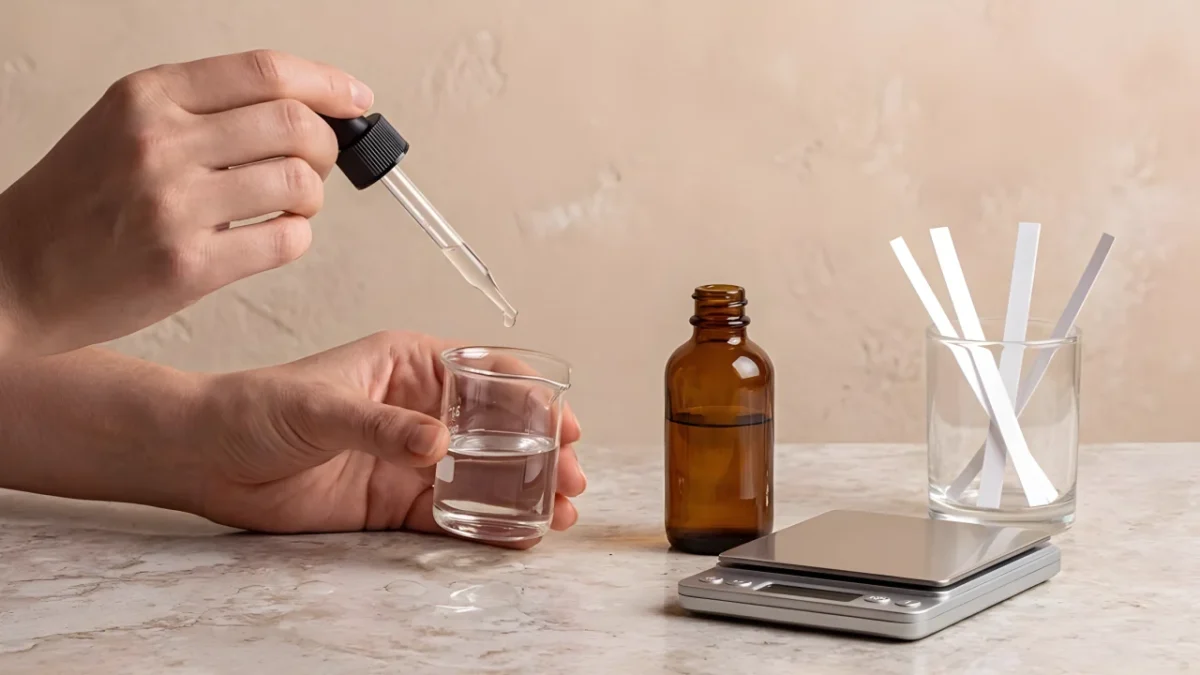
Independent fragrance sales in the United States skyrocketed by more than 46% over the past year, according to NielsenIQ data, with non-conglomerate labels now commanding nearly 30% of the total domestic market. Direct-to-consumer websites are driving this explosive retail shift, putting rare bottles into customer hands faster than ever before. Yet behind the romance of artisanal craft lies an escalating dilemma: the urgent gap between creative freedom and product safety.
As kitchen tables transform into commercial compounding labs, access to concentrated aromatic chemicals and raw botanicals has expanded exponentially. But possessing the raw materials to produce a scent does not automatically guarantee knowing how to keep it skin-safe or chemically stable on a customer’s vanity.
To confront the hidden risks of this booming niche, major scent authorities are stepping in to bridge the divide between artistic expression and rigorous laboratory science.
Inside the Push to Bring Hard Science to Niche Fragrance Labs
The Research Institute for Fragrance Materials (RIFM) joined forces with the American Society of Perfumers to present an industry program titled The Science Behind What You Create: Fragrance Safety Brought to Life. Scheduled at the DoubleTree by Hilton Fairfield Hotel & Suites in Fairfield, New Jersey, the initiative focuses directly on the chemical realities that determine whether a custom scent is genuinely safe for consumer skin.
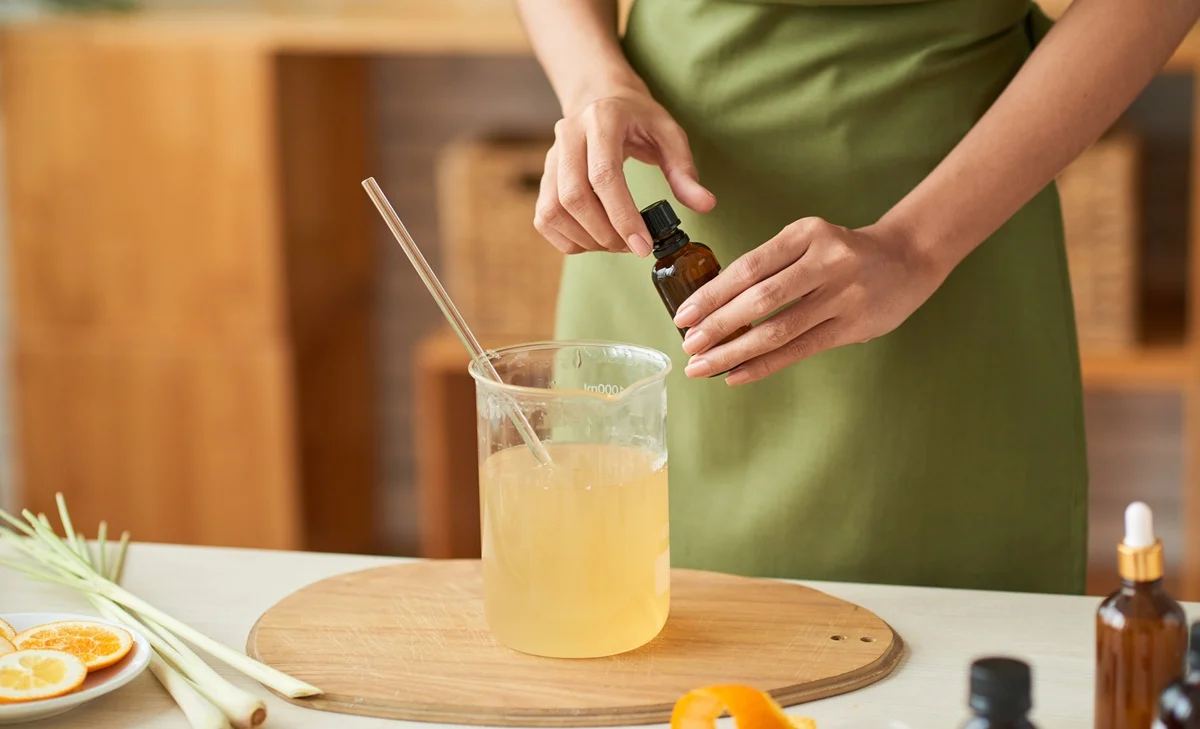
Fragrance creators and regulatory specialists meet to evaluate safe material concentrations.
The curriculum tackles essential technical benchmarks, including exposure science, independent peer review, non-animal testing methods, and Maximum Acceptable Concentrations. These metrics govern how much of a specific raw compound can safely exist in a finished formulation before causing irritation, phototoxicity, or allergic sensitization.
“Questions about access to perfume-making and the responsible use of fragrance materials are important, and the program is intended to make the science behind fragrance safety more accessible to the professional fragrance community.”
Beyond lecture halls, raw material suppliers are stepping up to present real alternatives to ingredients currently facing strict regulatory bans. Perfumers and compliance specialists are directly exchanging formulas to solve real-world shelf-life and toxicity headaches.
The Hidden Risks Lurking in Handcrafted Perfumes
The romantic appeal of artisan craft sometimes conceals alarming shortcuts behind the workbench. While high-end perfumery demands surgical accuracy down to the milligram, certain untrained creators bypass basic laboratory protocols entirely.
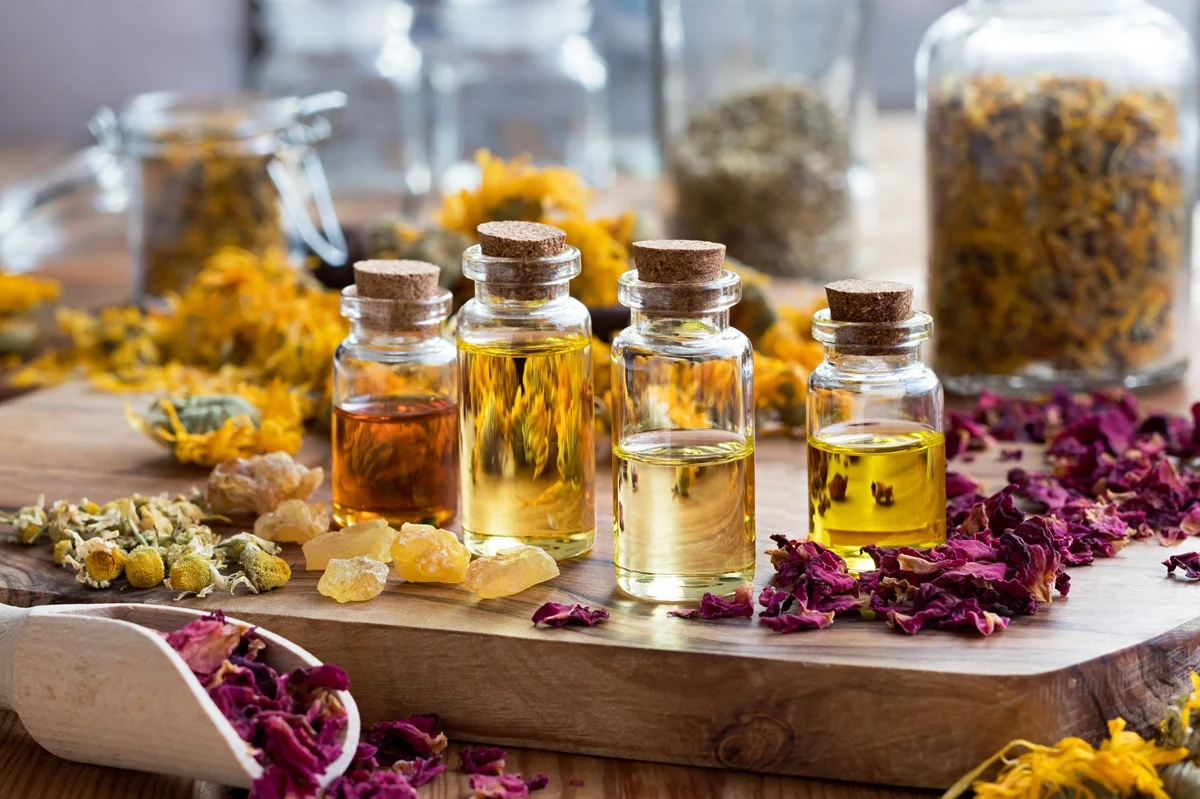
Raw materials and concentrates require strict measurement to ensure long-term shelf stability.
Real-world compounding slipups reveal just how volatile the indie space can be when foundational knowledge is missing:
- Eyeballing concentrates: Skipping pipettes and precision scales to pour costly natural materials directly into commercial production batches.
- Untested wild botanicals: Incorporating homespun concoctions like tinctured skunk cabbage without investigating systemic toxicity or skin sensitization.
- Moisture contamination: Failing to account for residual water content in fresh plant tinctures, which destabilizes oil blends and breeds spoilage.
- Shifting liability: Relying on casual “buyer beware” labeling instead of conducting true research and development to verify safe dosage.
A disclaimer label does not absolve a seller from the duty of consumer protection. Slapping a warning on a formula simply transfers the consequences of skipped safety research onto an unsuspecting customer.
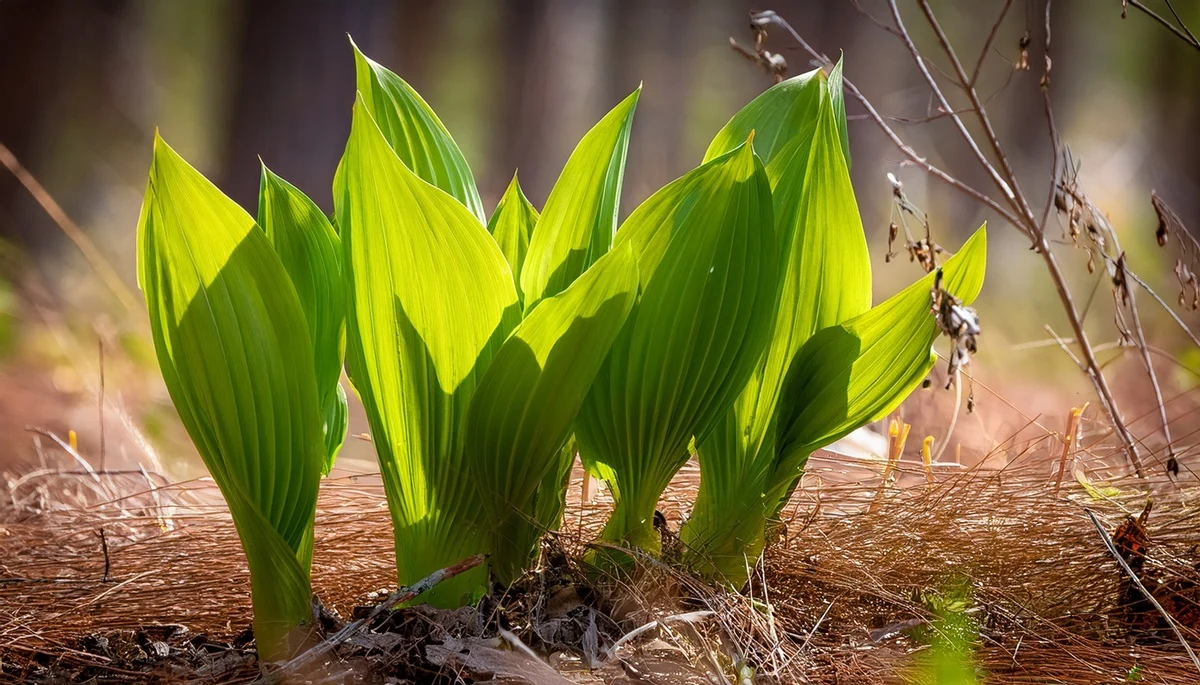
Artisan blending demands scientific guidelines to protect buyers from sensitizing compounds.
Myth vs. Reality: The Truth About “All-Natural” Artisan Scents
A common misconception across the beauty world is that natural, botanical ingredients are inherently gentler and safer than synthetic molecules designed in a certified lab. In fragrance chemistry, the exact opposite is frequently true.
Natural plant extracts are complex cocktails of dozens—sometimes hundreds—of individual chemical constituents, several of which are potent allergens or phototoxins under ultraviolet light. Synthetic fragrance molecules, by contrast, are single, highly refined isolates subjected to extensive toxicological screening before reaching a compounding bench.
| Formulation Practice | Consumer Safety & Product Impact |
|---|---|
| Uncalibrated Natural Tincturing | Introduces water content, triggers formula cloudiness, and risks severe skin sensitization. |
| Calculated IFRA/RIFM Dosing | Prevents allergic reactions, controls phototoxicity, and ensures predictable, multi-year shelf life. |
Why Formula Stability Defines Long-Term Quality
Fragrance is both wearable art and a physical consumer commodity. Every perfume formula changes continuously from the exact second it is blended, but professional compounding ensures that the juice degrades gracefully rather than spoiling into an unwearable mess.
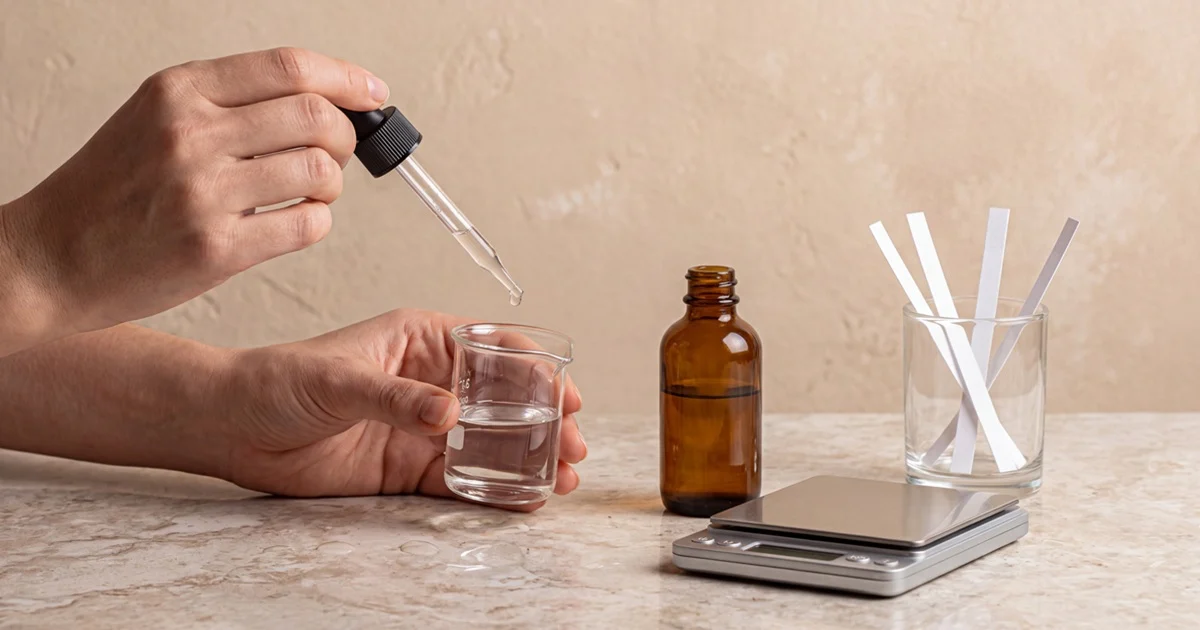
Precision in indie scent compounding separates durable luxury bottles from unstable batches.
When buyers invest in high-end niche bottles, they expect craftsmanship that guards against skin irritation and rapid shelf degradation. Adhering to established toxicology guidelines does not stifle artistic creativity; it protects the independent perfume movement from costly recalls and damaged reputations.
Adhering to professional dosing limits is not bureaucratic red tape—it is the baseline barrier separating wearable art from a chemical liability.
A thriving market requires accountable creators. Raising safety standards across the independent fragrance scene ensures that the fastest-growing sector in modern perfumery remains safe, reliable, and built to last.
💬 Have you ever experienced an allergic reaction or unexpected spoilage from an indie fragrance bottle?
✨ Drop your thoughts in the comments below and share how you evaluate safety and quality before buying niche scents.
📱 Share this breakdown with fellow fragrance collectors who care about what touches their skin every day.
 1
 2
 3
 4
