
Inside the 2027 Pirelli Calendar: Sølve Sundsbø and Avani Rai Shatter Six Decades of Tradition Across India with Padma Lakshmi and Ranveer Singh

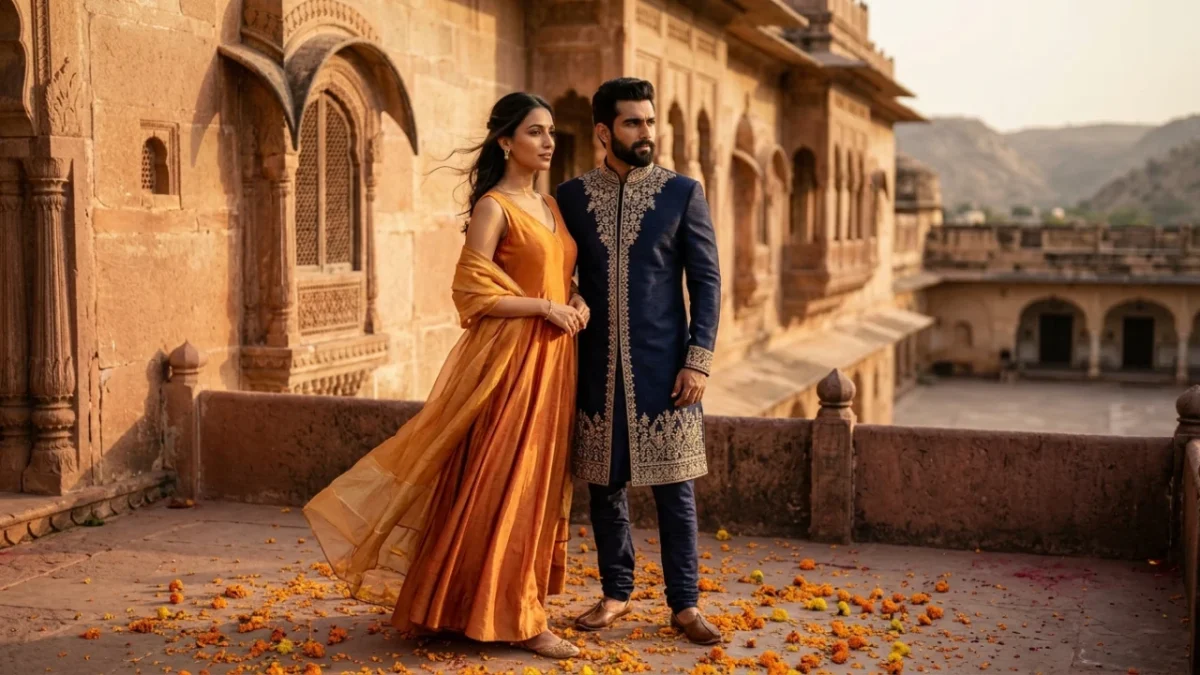
For the first time in its 62-year history, the iconic Pirelli Calendar has been created entirely on location in India, abandoning clinical studio sets for the ancient ramparts of Rajasthan and the frenetic streets of Old Delhi.
The 53rd edition, titled simply “India”, pairs world-renowned Norwegian fashion photographer Sølve Sundsbø with documentary visionary Avani Rai, completing a deeply poignant project initiated alongside her late father, the master photographer Raghu Rai.
Presented formally in New Delhi, the project delivers an unapologetic counterweight to digital manipulation, trading automated imagery for visceral human grit, real pigments, and authentic cultural encounters.
Two Visions Unite: Royal Splendour Meets Street-Level Reality
Rather than packaging a single monolithic portrait of a subcontinent spanning over a billion people, the Pirelli Calendar India project splits into two complementary visual narratives.
Sundsbø took charge of high-concept, sculptural portraiture across Rajasthan, securing historic sites including Jaigarh Fort in Jaipur and the rugged terrain of Ajabgarh in Alwar.
His lens frames nine cultural trailblazers in arresting tableaus, balancing architectural stillness with ethereal drama.
Among the standout compositions:
- Padma Lakshmi floating weightlessly in a secluded lily pond layered with duckweed and blooming lotus blossoms, draped in a sheer cream gown.
- Supermodel Lakshmi Menon framed in an intense close-up against a vivid magenta backdrop, her features dusted in raw yellow and pink ceremonial pigments.
- Model Bhavitha Mandava, celebrated as Chanel’s first Indian house ambassador, caught in sweeping golden hour illumination with slicked-back styling and oversized sculptural earrings.
- Actor Freida Pinto, performer Aditi Rao Hydari, rising star Avantika Vandanapu, sitar virtuoso Anoushka Shankar, and acclaimed poet Rupi Kaur grounding Sundsbø’s celebration of contemporary female influence.
Sundsbø’s meticulous visual architecture avoids postcard tourism, choosing instead to let light and texture define the presence of each subject.
A Father’s Legacy Completed in Old Delhi
While Sundsbø commanded the stone palazzos of the north-west, a second narrative emerged directly from the bustling thoroughfares of the capital.
Legendary Magnum associate Raghu Rai, who chronicled the daily pulse of modern India for more than half a century, spent months mapping out this edition before passing away in April 2026.
His daughter, acclaimed director and photographer Avani Rai, stepped in to bring the ambitious dialogue between past and present across the finish line.
Rai took her father’s vintage black-and-white prints physically into the alleyways of Kinari Bazar and the early-morning mist of Yamuna Ghat, juxtaposing archival monochrome prints directly against the living, breathing chaos of contemporary street life.
More than 200 local residents, craftspeople, performers, and street kids became active collaborators in the frame, bridging generational divides without romanticising poverty.
The Electric Frame: Ranveer Singh in Kinetic Chaos
The crowning crescendo of Avani Rai’s documentary thread features Bollywood powerhouse Ranveer Singh, captured in raw, high-contrast monochrome.
Perched high on a wooden stool amidst an alleyway crowd, dressed in a sharp double-breasted suit and dark sunglasses, Singh is caught throwing his head back in unrestrained laughter as a blizzard of paper confetti erupts across the sky.
The image strips away the polished veneer typical of luxury calendar spreads, leaning into absolute cinematic electricity and unscripted joy.
Why Pirelli Abandoned the Safety of the Studio
Since its launch in 1964, “The Cal” has mirrored the wider shifts of visual culture, transitioning from pin-up beginnings to avant-garde high fashion, and now to unvarnished cultural storytelling.
Producing this calendar across demanding real-world environments sends a pointed signal across the global creative industries at a time when artificial generation tools dominate commercial briefs.
Navigating dust, unpredictable monsoon light, sprawling crowds, and historic architecture demanded months of rigorous logistical coordination on the ground.
The result is a tangible, collaborative triumph that prioritises human sweat and historical memory over algorithmic convenience.
💡 The shift marks an essential milestone for global visual arts, proving that raw human presence and historic reality still produce the world’s most arresting imagery.
🔍 As luxury houses and elite publications reassess their creative strategies, this ground-breaking production in India sets a demanding new standard for authentic international storytelling.
📌 Does the return to unfiltered location shoots signal the end of sterile studio photography for major fashion institutions? Share your thoughts below.
 1
 2
 3
 4