
Nathan Fielder’s Nearly Three-Hour Elizabeth Holmes Documentary Stuns The Industry as You Can See Everything Eyes a Monster $24 Million Box Office Weekend

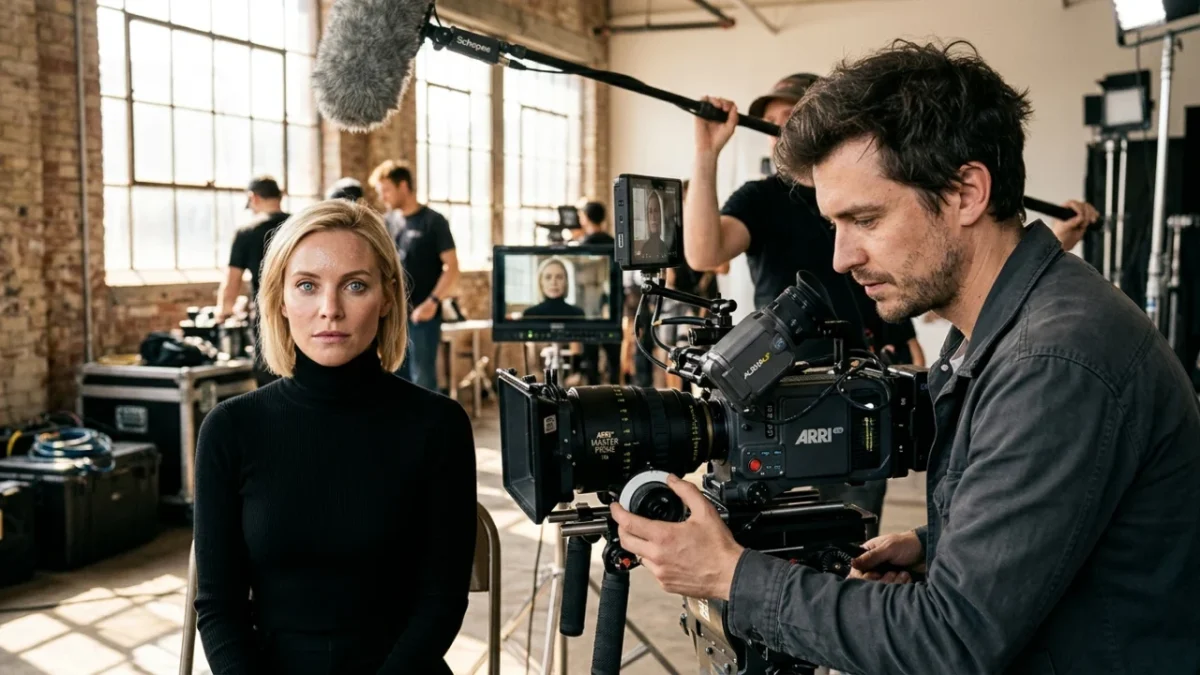
Nathan Fielder’s experimental documentary tracking the final days of disgraced Theranos founder Elizabeth Holmes has upended cinema conventions, propelling the You Can See Everything box office past an astonishing $25.6 million during its opening week while tracking towards a massive $20 million to $24 million second weekend.
The nearly three-hour cinematic gamble from distributor A24 has mounted an extraordinary challenge against major studio IP, running neck-and-neck with DC’s comic-book horror release Clayface.
Audiences are packing auditoriums for a film that defies standard multiplex economics, establishing a commercial momentum rarely witnessed in modern nonfiction filmmaking.
An Unprecedented Theatrical Expansion Defies Studio Projections
Following a tightly controlled limited opening that generated overwhelming demand, A24 unleashed a rapid theatrical expansion designed to turn cultural curiosity into sheer ticket sales.
The gambit paid off immediately, with early second-weekend projections estimating domestic takings between $19 million and $24 million.
This puts the production in direct contention for the weekend summit against director James Watkins’ Clayface, which secured $9.5 million on its opening Friday and is aiming for a debut between $23 million and $25 million.
While studio franchises typically dominate autumn cinema schedules, Fielder’s real-world character study has transformed into an undeniable theatrical event.
Word-of-Mouth Hype and Critical Reverence
The explosive box-office traction arrives on the back of historic review scores and rampant online discussion surrounding the film’s closely guarded surprise twist.
The film achieved an unprecedented 4.8 rating on Letterboxd upon debut—the highest initial score recorded for any feature film—and continues to maintain an exceptional 4.6 average alongside a 97% Rotten Tomatoes rating.
Praise has poured in from premier publications and cultural commentators alike.
The Guardian hailed the project as “a masterpiece,” while The New Yorker described it as “strangely, poetically, poignantly beautiful,” cementing its status as essential big-screen viewing.
The Strategic Battle for Oscar History
The financial success has supercharged the film’s Academy Awards campaign, positioning it to potentially become the first documentary in cinema history nominated for Best Picture.
Kalshi prediction markets have seen the film’s Best Picture odds surge dramatically to 32%, surpassing The Black Ball (La Bola Negra) at 15% and trailing only The Odyssey at 46%.
Industry observers note that the documentary branch of the Academy notoriously favours traditional formats over subversive hits, yet that friction could work in Fielder’s favour.
Historical precedents suggest that any potential snub from the specialist documentary committee could trigger a wave of sympathy across the broader Academy voting body, accelerating momentum towards the top prize.
Key Drivers Behind the Box Office Miracle
Industry analysts point to several distinct factors coalescing to create this rare box-office phenomenon:
- Subversive Direction: Nathan Fielder’s distinctive, unvarnished style transforms a high-profile white-collar crime aftermath into high-tension drama.
- A Monumental Reveal: Intense public curiosity surrounding the production’s climactic twist has compelled audiences to seek spoiler-free cinema screenings.
- Platform Release Precision: A24 created genuine scarcity during week one, turning the second-week expansion into an urgent cultural appointment.
- Dominant Documentary Standing: Backed by 76% odds on prediction markets to win Best Documentary Feature, the picture carries undisputed prestige.
The sheer velocity of ticket sales suggests that long-form documentary storytelling can command multiplexes when backed by bold creative vision.
As the weekend totals finalise, all eyes remain on whether this documentary can pull off the ultimate upset against traditional studio blockbusters.
💡 The narrative surrounding Elizabeth Holmes continues to captivate the public imagination, yet few predicted an experimental cinema piece would draw such historic crowds.
🔍 With Academy shortlists arriving later this year, the intersection of populist appeal and awards prestige is set to escalate even further.
👇 Will you be sitting through this three-hour cinematic journey in theatres, or waiting for a streaming release? Share your thoughts below.
 1
 2
 3
 4