
Massachusetts Voters Face 9 High-Stakes Ballot Questions: From Opening State Government Records to Overhauling Elections and Cannabis Sales

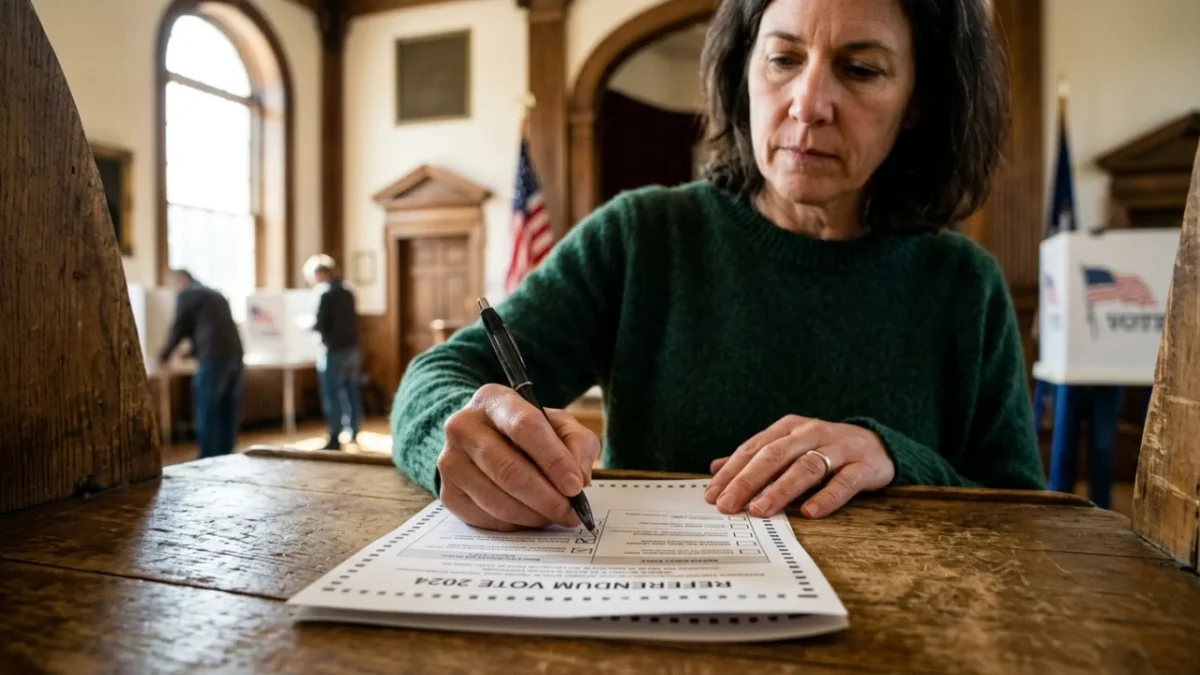
Massachusetts voters face nine distinct statewide referendum measures that could fundamentally rewrite state transparency rules, labor structures, and election procedures. From opening state government records to public scrutiny to reshaping the primary election process, these proposals place direct policy decisions into the hands of citizens.
Referendum campaigns have triggered intense debates, legal pushback, and significant financial spending across the state. With nine distinct issues competing for attention beneath high-profile races for governor and Congress, navigating the slate requires understanding the precise mechanisms behind each proposal.
Cracking Open State Government: Question 1 and Public Records
Question 1 targets transparency at the highest levels of Massachusetts state government. Backed by Massachusetts Auditor Diana DiZoglio, the measure would explicitly require the governor’s office and the state Legislature to comply with Massachusetts public records law.
For decades, legislative leaders and executive offices have operated outside standard public disclosure rules, routinely shielding internal communications, committee deliberations, and administrative files from media inquiries and citizen requests.
Approving this measure would eliminate those historical exemptions. Supporters argue that sunshine laws restore public trust and hold elected leaders accountable, while critics have raised procedural objections about legislative autonomy and constitutional separations of power.
Direct democracy measures allow voters to bypass normal legislative roadblocks, creating immediate statutory changes that lawmakers themselves avoided passing.
Question 2: Expanding Collective Bargaining in Public Defense
Labor rights take center stage in Question 2, which focuses on legal representation for low-income residents. The proposal grants employees at the Committee for Public Counsel Services the legal authority to organize and form a collective union.
Staff within the public defense agency argue that formal union protections are vital for managing crushing caseloads, securing equitable compensation, and addressing systemic staff turnover. Opponents often point to administrative costs and operational rigidities within an already strained judicial support system.
Transforming Elections: Question 3 and All-Party Primaries
Election mechanics could see a radical structural shift under Question 3. This referendum proposes instituting an all-party primary system across state-level elections beginning in 2028.
Under this system, often known as an open or top-two system, all candidates run on a single combined primary ballot regardless of political affiliation. Every registered voter participates in the same contest, and the top two finishers advance directly to the general election.
How All-Party Voting Alters Strategy
In traditional partisan primaries, candidates must cater primarily to their party base to secure a spot on the November ballot. An all-party primary system disrupts that pipeline by forcing contenders to appeal to unaffiliated and cross-party voters from day one.
Advocates argue that this model discourages political polarization and rewards moderate problem-solvers. Conversely, party organizations contend it dilutes party platforms and could inadvertently leave general election voters choosing between two candidates from the same political party.
Cannabis Sales and Broader Statewide Measures
Beyond government transparency and voting procedures, the nine measures on the ballot feature intense debates surrounding commerce and community standards. Among the proposals is an effort to roll back legal commercial marijuana sales across the state, sparking vigorous pushback from cannabis business operators and tax revenue advocates.
Additional measures address critical regional pressures, including affordable housing availability and regulatory reform. Each proposal presents voters with a binary choice that carries major fiscal and administrative impacts for municipalities from Boston to Bristol County.
Myth vs. Reality: Common Ballot Assumptions
A widespread misconception is that voting “No” on a referendum keeps a proposed law under study by legislative committees. In reality, a “No” vote rejects the statutory change entirely, leaving current state statutes untouched without requiring lawmakers to reconsider the issue.
Another common belief is that ballot questions are merely non-binding public opinion polls. Every approved initiative on this slate represents a binding statutory shift that enacts enforceable legal standards across Massachusetts.
Quick Guide: Key Ballot Questions at a Glance
| Referendum Measure | Proposed Policy Change |
|---|---|
| Question 1 | Brings the governor’s office and Legislature under state public records laws. |
| Question 2 | Authorizes Committee for Public Counsel Services personnel to form a labor union. |
| Question 3 | Creates an all-party primary system starting in 2028 where top two advance. |
| Cannabis Initiative | Rolls back legal commercial recreational marijuana operations in the state. |
Steps to Prepare Your Ballot Before Stepping into the Booth
- Review the exact wording: Read the official text of all nine questions before entering the polling precinct to avoid confusion.
- Confirm your local polling venue: Check municipal records to ensure your assigned voting precinct hasn’t shifted.
- Distinguish between statutory and constitutional questions: Confirm which measures take immediate effect versus those phased in over upcoming election cycles.
💬 What is your take on these Massachusetts ballot questions?
✨ Significant changes to public records, labor rights, and elections rest entirely on public consensus.
📱 Share this guide with friends and neighbors heading to their local polling station.
👇 Drop your thoughts in the comments below and let your voice be heard!
 1
 2
 3
 4
