
Six Flags Confirms Urgent Roller Coaster Restraint Overhaul Across Multiple Parks Following Fatal Goliath Fall in Georgia

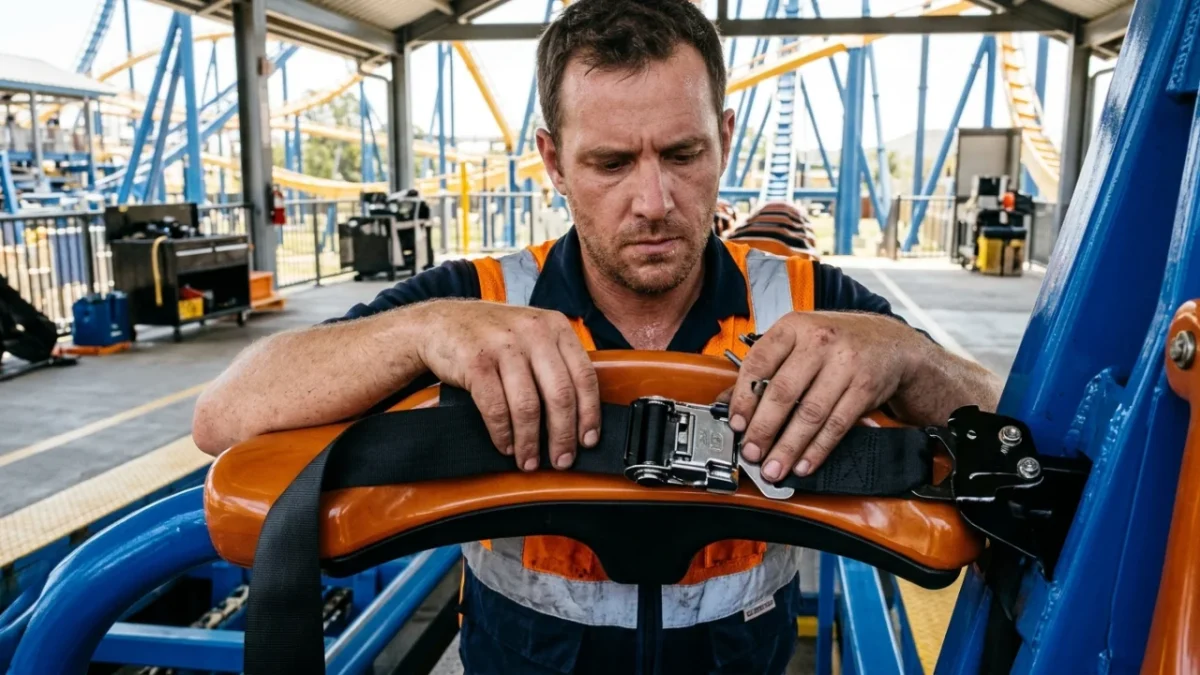
Theme park operator Six Flags will retrofit secondary Six Flags seat belts to several of its premier roller coasters after a rider fell to his death from the 200-foot Goliath hypercoaster in Georgia. The sudden move comes as investigators probe the fatal ejection of 42-year-old Hassan Jihad Ibn Kariem, an incident that also left four other passengers injured and prompted the immediate closure of nine rides across five regional parks.
The safety retrofit marks a critical shift in restraint design for the company’s signature steel thrill rides. For two decades, trains on these massive attractions relied exclusively on ratcheting, U-shaped clamshell lap bars without auxiliary belts.
Now, park operators must physically fasten an extra layer of restraint before trains leave the dispatch station.
Clamshell Lap Bars Receive Crucial Secondary Restraints
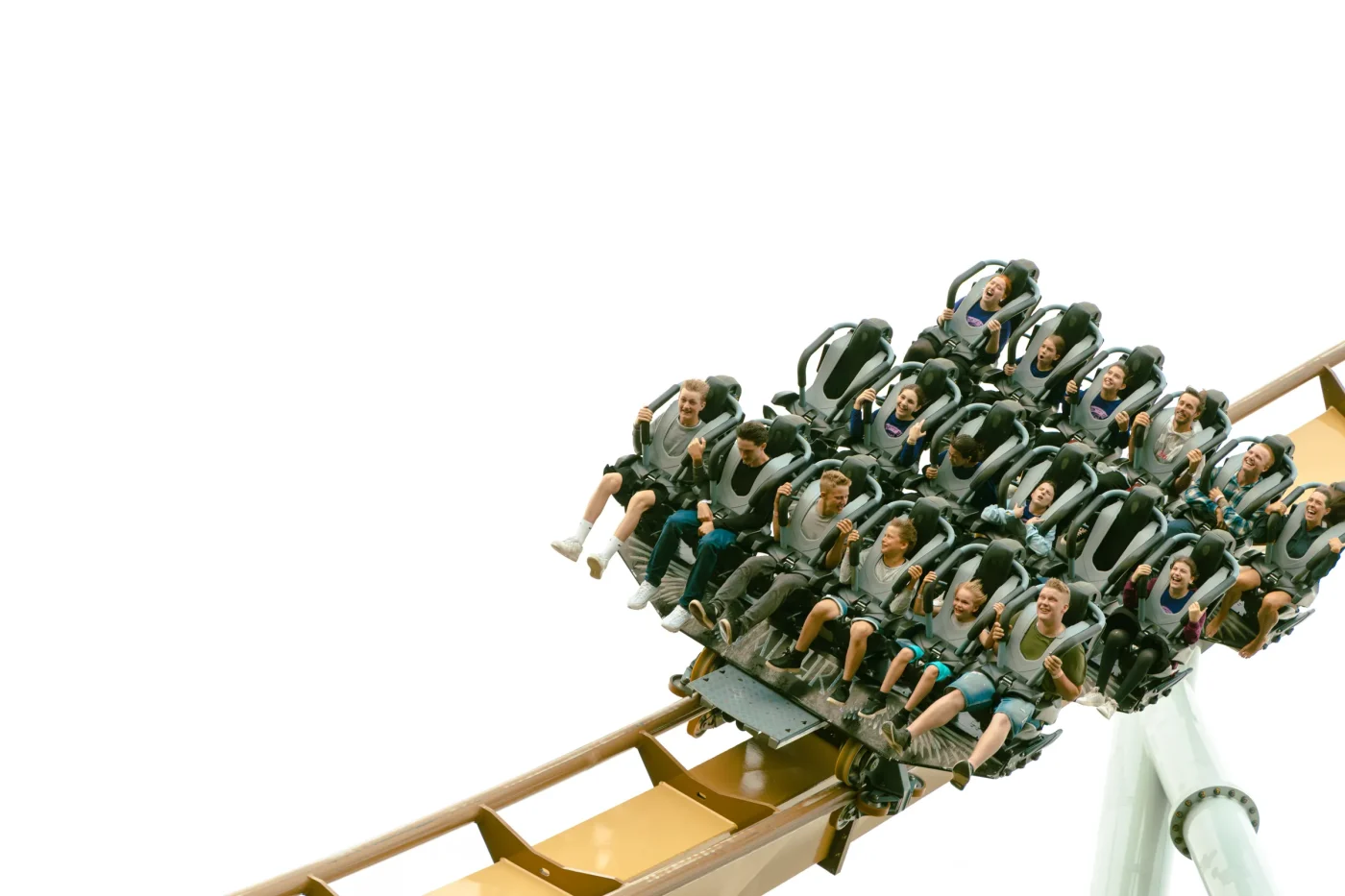
The changes directly target the fleet designed by acclaimed Swiss manufacturer Bolliger & Mabillard. Goliath, which opened at Six Flags Over Georgia in 2006, reaches speeds of 70 miles per hour whilst pulling intense vertical forces that lift riders out of their seats.
Under the revised configuration, newly installed Six Flags seat belts will supplement the existing padded clamshell bars that press against riders’ thighs and waists. Ride operators will be required to verify both that the belt is secured and that the mechanical lap bar locking system is fully engaged before authorising train departures.
Six Flags President and Chief Executive John Reilly confirmed the policy in an official statement, noting that independent structural engineers and amusement ride specialists have been brought in to scrutinise restraint mechanisms across all properties.
Goliath and eight similar attractions at five theme parks remain completely halted while engineers examine the mechanical assemblies and test the retrofitted belts.
State Regulators Probe Mechanical Wear and Bogie Components
Georgia Insurance and Safety Fire Commissioner John F. King is spearheading the independent state inquiry into the fatal fall. His office affirmed that investigators are reviewing maintenance logs and operator actions without cutting corners or rushing conclusions.
Attention has turned to the mechanical history of the ride. Although an official inspection in March discovered no regulatory violations, inspectors recorded a technical advisory recommending the replacement of mechanical bushings.
What Maintenance Records Reveal
Bushings serve a critical function within coaster chassis, absorbing track shock and mitigating destructive friction across dynamic components:
- Chassis Placement: A source familiar with park operations confirmed that the bushings flagged in March were positioned on the coaster’s wheel bogie assemblies, rather than inside the lap bar mechanism, and were subsequently replaced as advised.
- Historical Oversight: Regulatory inspection logs revealed 20 technical violations recorded between 2016 and 2021, all of which park maintenance crews promptly corrected.
- Clear Modern Record: State records documented zero safety or maintenance violations between 2022 and the present day.
Independent safety analyst Kathryn Woodcock, editor-in-chief of the Journal of Themed Experience and Attractions Studies and professor at Toronto Metropolitan University, pointed out that forensic investigators must establish whether the ejection stemmed from a structural fracture, an unlatched mechanism, or an operator dispatch error.
Theme park ride engineer Troy Richardson noted that even subtle defects in surrounding bogie components can alter how chassis forces translate to passenger cabins during high-speed transitions.
A Chain-Wide Focus on Thrill Ride Mechanics
The sudden overhaul arrives during a heightened period of operational scrutiny for the amusement park operator. Just last month, Six Flags permanently closed the iconic X2 roller coaster at its Magic Mountain property in Southern California following multiple legal claims alleging severe brain trauma from extreme ride dynamics.
Despite the current closures, Six Flags announced that its park network remains open for Halloween operations, with more than 220 other roller coasters running normally. The operator highlighted that visitors have safely logged more than one billion rides across its properties over the past four years.
Company leadership reiterated that operator training programmes, mechanical inspections, and dispatch procedures are undergoing comprehensive internal reviews to prevent further incidents.
💡 Theme park safety standards continue to shift rapidly as investigators complete mechanical audits on closed hypercoasters.
🔍 Enhanced secondary belts are expected to become the baseline standard for major hypercoasters nationwide before these high-speed attractions receive clearance to reopen.
👇 Do you feel safer on extreme roller coasters when secondary seat belts back up the lap bar? Share your perspective in the comments below.
 1
 2
 3
 4