
The BBC Digitally Edited Pride Badges Off University Challenge Contestants—And the Outraged Students Are Calling It ‘Orwellian’

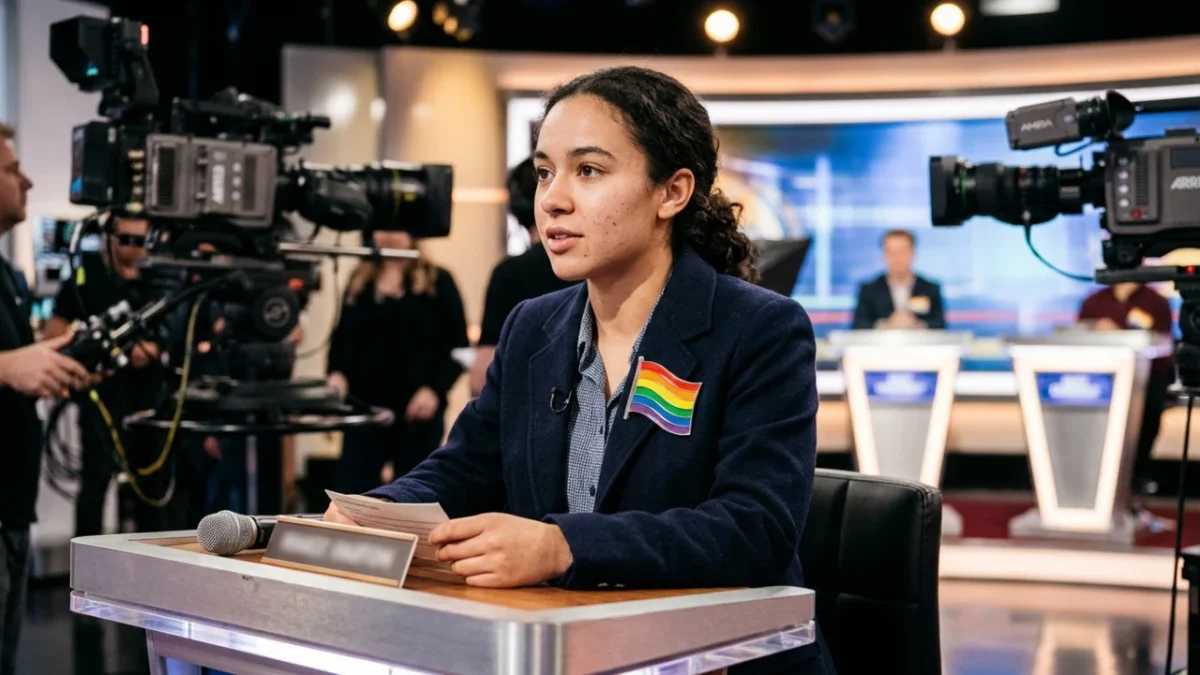
The BBC digitally airbrushed LGBTQ+ Pride pins off University of Leicester contestants appearing on University Challenge, sparking accusations of state-sanctioned censorship from the students involved. The alterations, carried out before the pre-recorded match aired on BBC Two, stripped visible personal identity symbols from the screen and ignited a heated debate over public broadcasting impartiality.
Astrophysics student Samuel Carlier and history student Emmeline Hague-Wright wore the items during studio filming. Their accessories included pins representing the progressive Pride flag, the bisexual Pride flag, and a small rainbow feather.
When the programme finally aired, every single emblem had been digitally eliminated from their clothing.
The Row Behind the Digital Alteration
The match was originally slated for broadcast on 24 August, but suffered two consecutive postponements before finally reaching television screens on 7 September. Following the broadcast, Carlier logged an official complaint with the corporation after discovering his appearance had been edited without a clear explanation.
“Living in a liberal democracy and having the state broadcaster tell you ‘we’re editing how you look’, seems very Orwellian,” Carlier stated, describing the post-production decision as “absurd” and “weird”.
The student confirmed that his formal inquiries to the BBC complaints portal yielded no satisfactory explanation for the digital modification.
Welfare Expectations Met With Studio Cuts
Teammate Emmeline Hague-Wright revealed that she initially anticipated a vastly different conversation when producers first reached out to her after filming.
Aware of intense online transphobia directed at participants in an earlier episode of the quiz tournament, she assumed production staff were making a routine contestant welfare check. Instead, production officials informed her that her rainbow feather pin would be edited out and that the broadcast schedule had been shifted.
“At first it was mostly confusion,” Hague-Wright remarked. She questioned the rationale behind the technical intervention, adding: “This entire delay has been because of a feather and two badges on a teammate that were basically impossible to see.”
Broadcasting Impartiality or Heavy-Handed Overreach?
In response to the growing backlash, the BBC maintained that its rigorous production standards prohibit competitors from displaying subjective emblems on camera. Programme makers routinely enforce strict attire protocols across television quiz formats to preserve neutrality and avoid commercial or political messaging.
The broadcaster’s policy rests on several explicit operational guidelines:
- Universal Symbol Restrictions: Editorial guidelines explicitly advise that no badges, flags, emblems, or visible symbols may be displayed during studio recordings.
- Branding and Slogans: Contestant attire must remain free from commercial logos, promotional text, or ideological statements.
- Post-Production Interventions: If prohibited items are not physically removed prior to recording, production teams and senior BBC editors determine whether digital removals are necessary before transmission.
- Scheduling Disclaimers: The BBC confirmed that the double postponement of the broadcast was entirely unrelated to the visual editing process.
A spokesperson for ITV Studios, which produces the series, stated that University Challenge is created strictly as an entertainment quiz show and operates in full accordance with BBC Editorial Guidelines regarding impartiality.
The incident echoes past friction surrounding the corporation’s neutrality standards, including internal guidance issued regarding staff attendance at overt campaigning demonstrations. For the students who sat behind the famous buzzers, however, the digital scrub crossed the line from impartial moderation into unnecessary visual sanitisation.
🔍 As broadcast technology makes post-production alteration seamless, questions around where impartiality ends and personal expression begins remain fiercely contested across British media.
📌 How television producers manage identity symbols on screen will define the relationship between state-funded broadcasters and the next generation of public participants.
👇 Do you believe broadcasters are right to digitally remove personal identity badges to preserve neutrality? Share your thoughts in the comments below.
 1
 2
 3
 4