
The Unspoken Behavioural Shifts That Reveal True Romantic Interest: How Micro-Expressions, Nervous Energy, and Guarded Vulnerability Give Away Someone’s Hidden Attraction

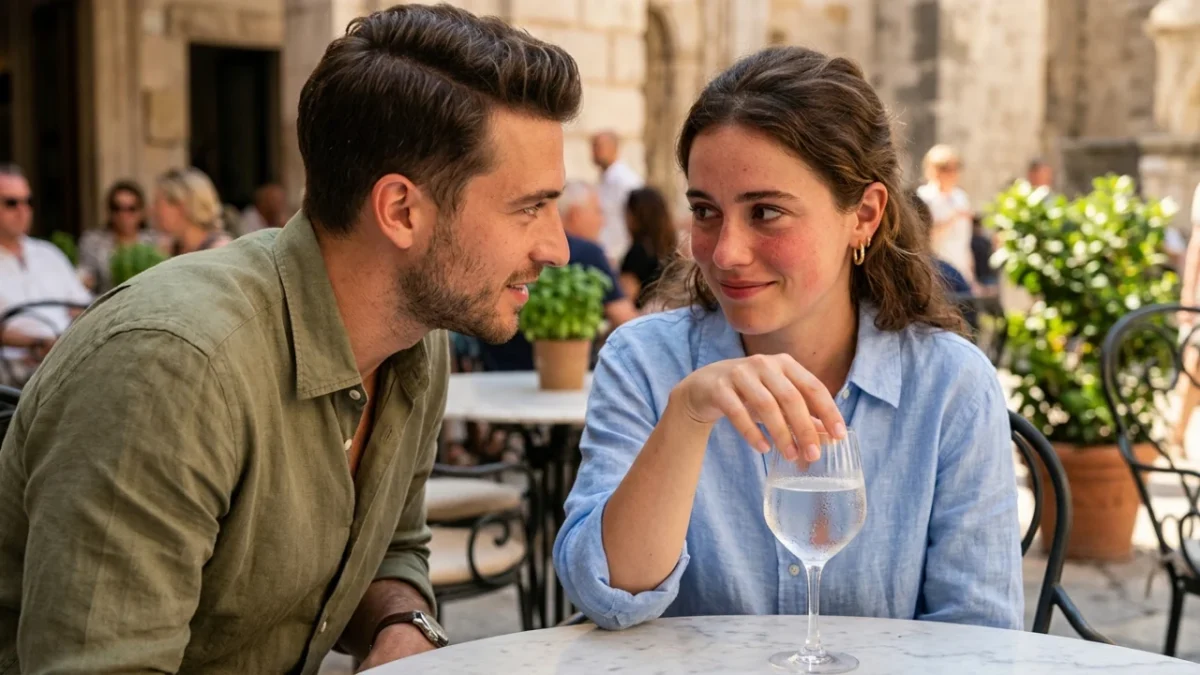
The clearest indicator that someone holds romantic feelings for you is not a grand confession, but an involuntary shift in their physical baseline that causes them to seek closeness while displaying heightened nervous self-awareness. When human attraction activates, the nervous system triggers subtle physiological reactions—from sustained eye contact broken by sudden shyness to an instinctive urge to mirror movements—that are almost impossible to fake.
Uncovering these hidden sentiments requires looking past superficial conversation and observing how a person behaves when their emotional guard briefly slips.
Attraction rarely announces itself with certainty; instead, it manifests through a recurring pattern of quiet, observable habits.
The Physiology of Attraction: Reading Involuntary Baseline Changes
Romantic interest creates an internal conflict between the urge to connect and the fear of exposure. When an individual experiences an attraction toward someone, their autonomic nervous system responds by elevating alertness, which frequently surfaces as physical restlessness or unconscious fidgeting.
A person harbouring genuine feelings often demonstrates noticeable micro-behaviours during casual interactions:
- The directional stance: Their feet, torso, and shoulders instinctively orient towards you, even within a crowded room or a noisy group gathering.
- Subconscious mirroring: They subtly adopt your posture, match your speech cadence, or lift their glass moments after you take a drink.
- Prolonged or fractured eye contact: They hold your gaze a fraction of a second longer than social courtesy dictates, only to quickly look down or away when caught.
- Heightened self-grooming: Adjusting their hair, smoothing their collar, or checking their reflection indicates an involuntary desire to present their best appearance in your presence.
These physical reactions are automatic responses to emotional stimulation that occur long before conscious thought intervenes.
The Psychology of Closeness: Attention, Memory, and Lingering Presence
Beyond involuntary movements, the allocation of attention serves as the definitive test of romantic interest. An individual who admires you will treat your spoken thoughts as high-priority information, retaining minor, passing details that casual acquaintances immediately forget.
They might recall an offhand comment you made weeks earlier about your favourite childhood book or notice the slightest variation in your routine. This degree of active recall reveals where their focus gravitates when you are together.
Proximity is another unmistakable cue. Someone with an unspoken crush will consistently find organic reasons to enter your physical sphere, choosing the seat directly opposite you or lingering behind when a gathering disperses.
Guarded Vulnerability and the Protective Reflex
Attraction does not always present as effortless charm; frequently, it produces profound awkwardness. For individuals carrying residual anxiety or self-preservation instincts from earlier disappointments, showing affection carries real emotional risk.
When someone likes you deeply, their fear of rejection can cause sudden behavioural fluctuations:
- Over-analysing small interactions: They may pause before responding, meticulously weighing their words to avoid sounding overly eager or foolish.
- Sudden withdrawal after emotional intimacy: Opening up can feel overly revealing, prompting them to briefly step back to regain their composure.
- Protective teasing: Using light banter or playful sarcasm often functions as a safe buffer to express affection without exposing raw vulnerability.
Recognising these tension-filled moments helps distinguish between polite indifference and the genuine, hesitant vulnerability that accompanies deep attraction.
Spotting the Definitive Patterns in Everyday Interactions
Isolated gestures mean very little on their own, but a sustained cluster of distinct behaviours reveals the underlying truth. When evaluating whether an acquaintance, colleague, or friend sees you in a romantic light, observe how their actions deviate from how they treat others.
Do they become unusually attentive when you speak, tuning out external noise to validate your perspective? Do they offer subtle physical touches—a light brush on the forearm, an adjusted coat sleeve—that linger just past ordinary boundaries?
When these communicative patterns remain consistent over time, they leave little doubt about where their true interest lies.
💡 Unspoken feelings always find a way to the surface, whether through prolonged eye contact, nervous adjustments, or unprompted kindness.
🔍 The secret is simply knowing how to separate polite social warmth from authentic, nervous fascination.
👇 Have you noticed these subtle behavioral shifts in someone around you recently? Share what gave their feelings away in the comments below.
 1
 2
 3
 4