
Top Chefs Reveal the 4 Grocery Stores With the Absolute Best Cuts of Steak—and Why You Don’t Need a High-End Butcher

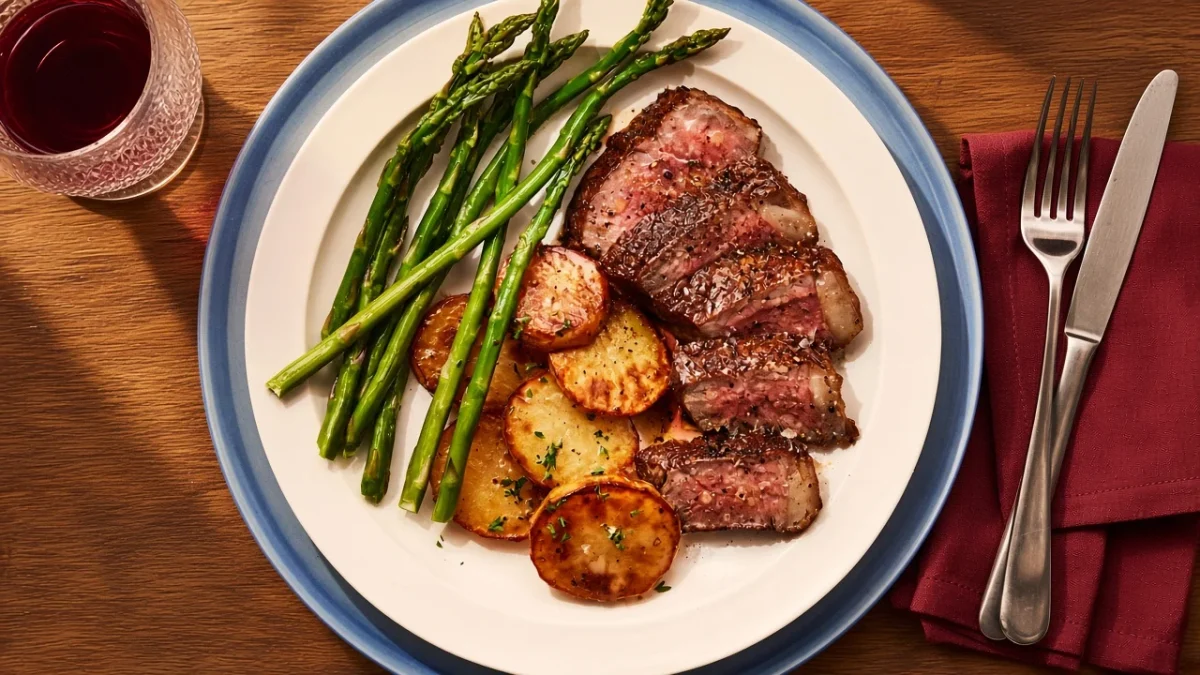
You do not need to spend top dollar at an artisanal butcher to get a restaurant-quality sear at home: executive chefs confirm that Costco, Lowes Foods, H-E-B, and Whole Foods Market consistently offer the best grocery store steak selections available. Thanks to massive supplier turnover, rigid grading criteria, and custom in-house prep, these supermarket chains routinely rival specialty meat markets at a fraction of the cost.
For home cooks navigating sprawling meat aisles, the sheer volume of cellophane-wrapped packages can feel overwhelming. Deciding between grades, thicknesses, and price points often leads to guesswork at the register.
Professional pitmasters and steakhouse chefs break down exactly where they source their own beef, how they bypass retail markups, and why certain regional counters beat the competition.
Costco: The Bulk Primal Cut Secret
When searching for top-tier marbling without steakhouse pricing, wholesale clubs dominate the conversation. Christopher Prieto, the champion pitmaster behind the MICHELIN Bib Gourmand-awarded Prime Barbecue in North Carolina, points directly to warehouse buying power.
Prieto notes that the warehouse giant handles rapid product turnover, stocking reliable supplies of USDA Choice, USDA Prime, and even premium Wagyu beef. Furthermore, shoppers can request custom meat-slicing services directly at the counter to lock in specific steak thicknesses without paying specialty fees.
Josef Thorsen, executive chef at Katsubo in Charleston, South Carolina, leverages another strategy: buying entire uncut primal muscles.
“It offers the strongest combination of USDA Prime availability, variety of cuts, and value. The savings per pound you get from buying steaks this way and cutting them yourself pays for your Costco membership and gives you flexibility to choose your thickness of cut.”
Purchasing whole subprimals like tenderloins, whole ribeyes, or New York strips allows home cooks to trim and portion their own cuts while slicing steaks to exact custom specs.
Regional Standouts: Traditional Craft at Everyday Counters
While warehouse clubs deliver volume, select regional chains run full-service counters that mirror old-school neighborhood butcher shops.
Lowes Foods
Greg Garrison, executive chef at Repeal 33 in Savannah, Georgia, favors Lowes Foods for its dedicated staff and dependable inventory of Certified Angus Beef. The chain stocks thicker cuts and hard-to-find Prime selections that standard supermarkets often bypass.
Herman Ng, owner of XO Brasserie in Charleston, South Carolina, highlights the strict agricultural standards behind the Certified Angus label found at Lowes. The program enforces stringent carcass evaluation, relying on cattle that are raised primarily on grass and finished on corn to produce dense, flavorful intramuscular fat.
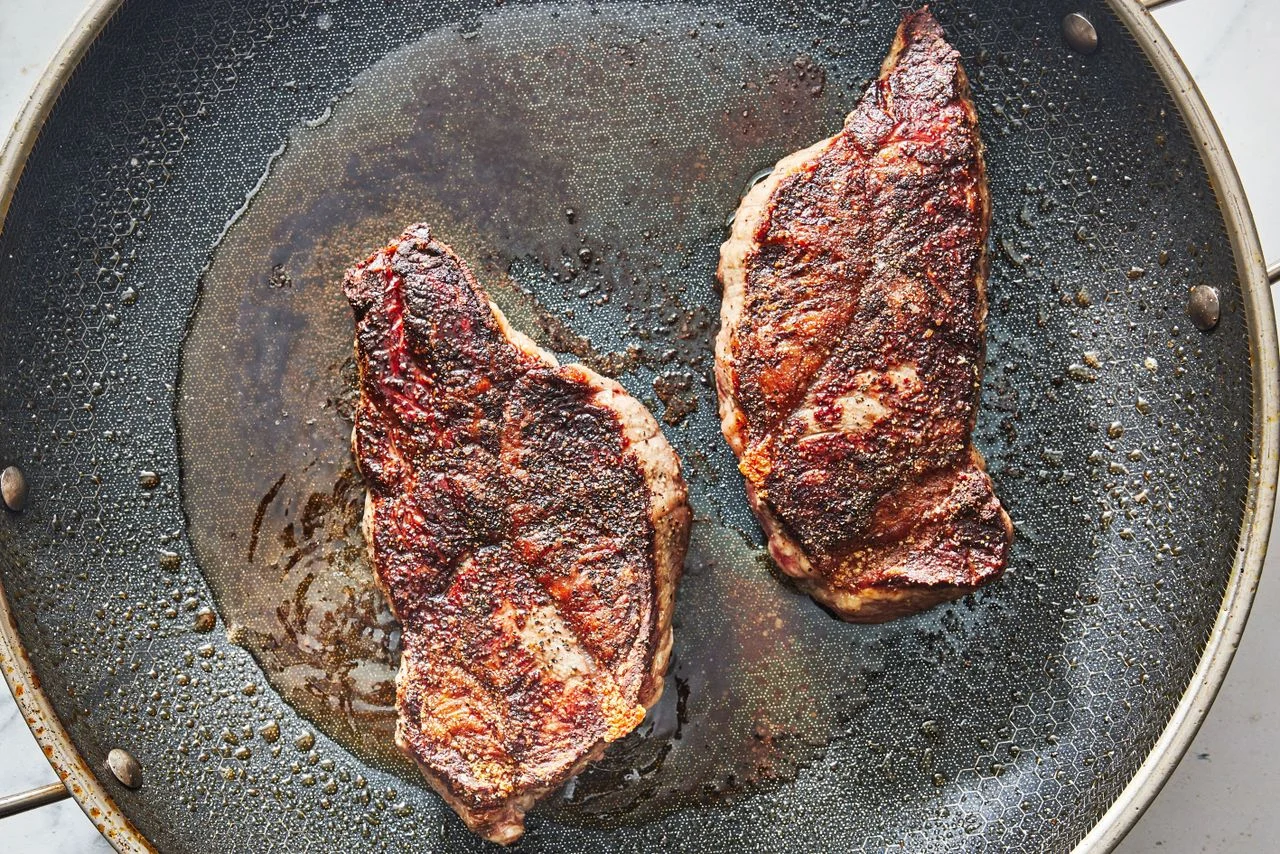
Credit: Caitlin Bensel; Food Stylist: Torie Cox
H-E-B
In Texas, restaurant veterans point to H-E-B as the premier destination for red meat. Trevor E. White, executive chef at Del Frisco’s Double Eagle, states that the chain regularly sells retail beef below typical wholesale margins.
The grocer stocks everything from everyday budget cuts to elite ranch offerings under one roof:
- Tiered Beef Grades: Full inventories of USDA Prime, Choice, and Select.
- Natural Label Selections: High-grade, unclassified beef from trusted ranches.
- Specialty Offerings: Readily available domestic Wagyu and dedicated 100% grass-fed packages.
Whole Foods Market: Traceability and Dry-Aged Programs
Outside regional footprints, Whole Foods Market serves shoppers who prioritize farm sourcing and specialty aging methods. White highlights the chain’s focus on smaller farm partnerships, transparent supply chains, and rotating selections of dry-aged steaks.
Angela Skogen, owner of specialty kitchenware retailer Cooks On Main, points out that the real advantage is direct counter communication. Meat department specialists can provide immediate details on where an animal was raised and how long a specific cut has aged.
“I like how they can give instant information about their meats.”
Busting the Supermarket Meat Myth
A widespread assumption persists that pre-packaged grocery counter beef is consistently inferior to meat sourced from independent boutique butchers. In practice, high-volume retail operations often receive fresher, higher-turnover shipments directly from federally graded meatpackers.
Rather than relying purely on store reputation, chefs look for physical indicators of quality right inside the display case.
| Grocery Retailer | Chef-Backed Primary Advantage |
|---|---|
| Costco | Bulk primal purchasing and custom in-house cut thickness |
| Lowes Foods | Certified Angus Beef program and dedicated butcher counter service |
| H-E-B | Massive variety spanning USDA Prime, Wagyu, and grass-fed options |
| Whole Foods Market | Farm-level traceability and access to dry-aged steaks |
Chef Rules for Selecting the Best Cut
Regardless of which grocery aisle you choose, professional standards remain identical at the meat case. Evaluate these three structural markers before dropping any cut into your cart:
- Examine Intramuscular Marbling: Look for fine, web-like flecks of white fat distributed evenly across the red muscle, avoiding dense, gristly bands.
- Inspect Packaging Seal: Ensure plastic wraps or cryovac packages are completely taut with zero loose fluid pooling in the corners.
- Check Cut Freshness: Opt for beef displaying deep cherry-red coloring rather than pale gray or oxidized brown undertones.
💬 Finding the right cut comes down to knowing which stores maintain rapid stock turnover and transparent sourcing.
✨ By choosing retailers that cater to professional standards, you save money without sacrificing plate performance.
📱 Where do you buy your favorite steaks for the grill? Drop your thoughts in the comments below!
👇 Share this guide with your favorite home cook before their next grocery run.
 1
 2
 3
 4
