
When the FDA Issues an Urgent Consumer Product Recall Notice: The Silent Hazards in Your Home and the Immediate Steps You Need to Take

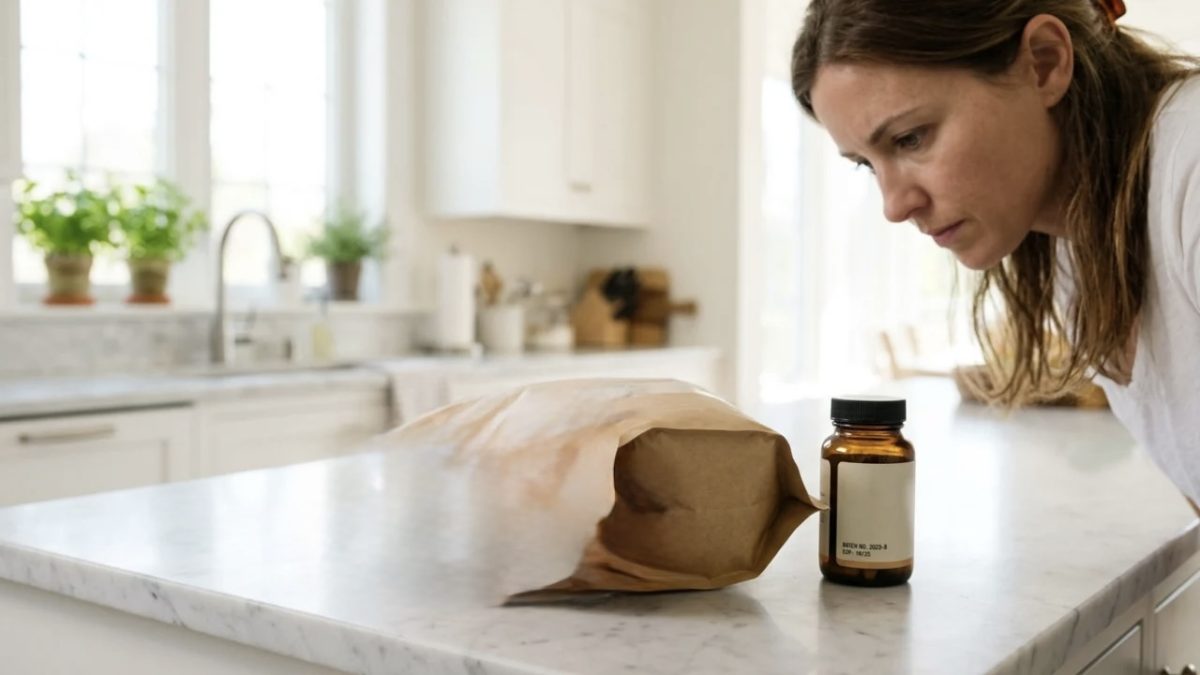
When the Food and Drug Administration issues an official FDA product recall, dangerous items may already sit directly on your pantry shelves, medicine cabinets, or bathroom counters. These safety alerts are not mere bureaucratic paperwork; they represent critical public health warnings signalling that a consumer product violates federal standards or presents a genuine risk of illness or injury.
Every year, thousands of food items, dietary supplements, over-the-counter pharmaceuticals, and cosmetics face market withdrawal. Understanding how these notices function is your first line of defence against preventable contamination and toxic exposure.
The speed at which you respond can mean the difference between an ordinary shopping trip and a severe health emergency.
Decoding the Warning: How the FDA Classifies Product Hazards
Federal regulators divide recalls into three distinct legal tiers based on the severity of the potential harm. Recognising these designations reveals precisely how urgently you must act once a notice goes public.
A Class I recall represents the most critical alert level. In these instances, the agency determines there is a reasonable probability that exposure to the product will cause serious adverse health consequences or death.
Class II recalls address situations where a product might cause temporary or medically reversible health issues, while Class III actions involve products unlikely to cause adverse physical reactions but which violate basic manufacturing or packaging standards.
The Anatomy of Risk Tiers
- Class I Danger: Acute hazards such as systemic pathogen outbreaks (including Listeria monocytogenes or Salmonella) or undisclosed lethal allergens like peanuts or tree nuts.
- Class II Hazard: Moderate threats, such as minor pharmaceutical mislabelling or secondary contamination with low-grade irritants.
- Class III Technical Infractions: Minor non-health violations, including labelling errors or minor aesthetic container defects that do not compromise chemical safety.
Why Everyday Products Get Pulled from Circulation
Most consumers assume recalls stem entirely from dramatic contamination events, yet the single most common trigger involves undeclared ingredients. A failure to list common allergens on packaging instantly transforms an everyday snack into a life-threatening hazard for vulnerable individuals.
Microbial contamination forms the second major front in consumer alerts. Pathogens enter supply chains through contaminated irrigation water, compromised factory equipment, or inadequate temperature controls during transit.
Foreign material contamination—ranging from fragments of industrial metal to stray plastic pieces—frequently prompts sweeping voluntary actions by major manufacturers seeking to avert severe physical injuries.
Step-by-Step: What to Do When a Recall Affects Your Household
Discovering that an item in your possession matches an active warning requires a measured, methodical protocol. Never consume, apply, or donate an item listed under an open alert.
Locate the packaging immediately to identify the specific lot number, batch code, and expiration date printed on the container. Recalls rarely affect every single batch manufactured; cross-referencing these precise codes confirms whether your purchase is compromised.
- Isolate the Item: Place the item in a sealed plastic bag away from children and pets to prevent accidental ingestion or cross-contamination.
- Do Not Taste Test: Never sample a food item to determine whether it has spoiled or carries microbial contamination, as microscopic toxins rarely alter smell or taste.
- Clean Affected Areas: Thoroughly sanitise any refrigerator drawers, counter surfaces, or storage bins that came into physical contact with the recalled package.
- Seek Refunds or Replacement: Return the product to the place of purchase or contact the manufacturer’s consumer hotline directly for a refund or safe disposal instructions.
Monitoring Official Channels and Safeguarding Your Family
Staying informed requires proactive vigilance rather than waiting for headlines to break. The federal government maintains searchable safety databases where consumers can track active enforcement alerts and company-initiated market withdrawals across all product categories.
Checking product batches against official registries ensures your home remains free from compromised goods before health complications emerge.
💡 Check your pantry regularly: Make checking batch numbers an ordinary part of unpacking groceries, especially when purchasing processed foods or over-the-counter wellness remedies.
🔍 Stay updated via primary databases: Always verify claims through official consumer protection portals rather than relying solely on social media discussions.
📌 Keep proof of purchase: Retaining retail receipts or digital purchase records simplifies securing remedies when a manufacturer announces a national withdrawal.
👇 Have you ever found a recalled product sitting inside your home? How did you handle it? Share your experience in the comments below.
 1
 2
 3
 4