
Why Thousands of Britons Face Autumn Flu Jab Scheduling Shifts: The Crucial NHS Rules Deciding Who Gets Protected First

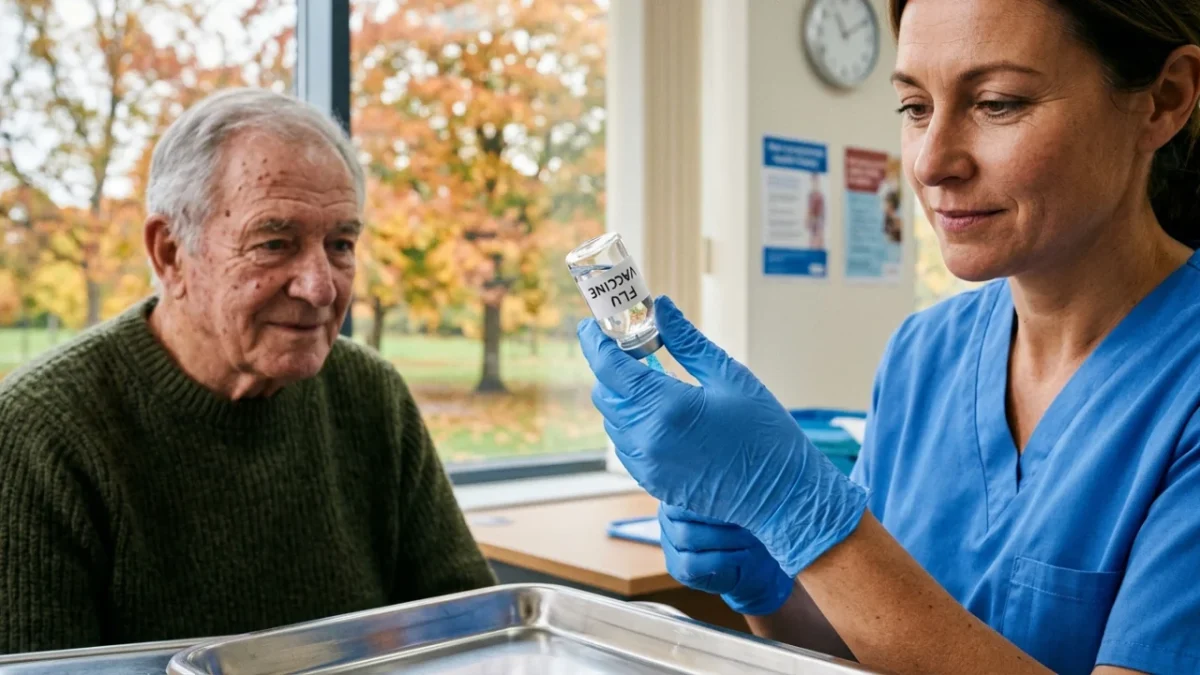
The national NHS flu vaccine rollout operates on a strict clinical priority system designed to ensure protection peaks precisely when winter viral circulation reaches its most dangerous heights. For millions across England, Scotland, Wales, and Northern Ireland, access to a free injection hinges on clinical risk, age thresholds, and caregiving status rather than a first-come, first-served basis.
This phased scheduling strategy follows clear advice from the Joint Committee on Vaccination and Immunisation (JCVI). Because vaccine-induced immunity wanes over several months, administering doses too early can leave vulnerable groups exposed during the depths of January and February.
Understanding where you stand within the rollout framework ensures you secure protection before respiratory viruses begin their sharpest seasonal ascent.
The Timing Strategy Behind the Seasonal Inoculation Push
The UK Health Security Agency (UKHSA) routinely monitors circulating strains to match seasonal formulations against mutating influenza types. Delivering millions of jabs across primary care requires meticulous logistical coordination between general practices and community pharmacies.
Rather than opening bookings simultaneously to the entire population, the National Health Service divides the campaign into distinct deployment windows. Pregnant women and young children typically gain access first, as maternal antibodies safeguard newborns while paediatric immunisation dramatically suppresses transmission within households.
Older adults and individuals with underlying health conditions follow closely behind. Staggering access prevents supply bottlenecks and ensures frontline surgeries do not become overwhelmed during peak respiratory season.
Who Qualifies for the Free NHS Jab?
Eligibility for the state-funded immunisation programme is deliberately focused on individuals facing the highest risk of severe hospitalisation or complications. Those outside these clinical categories can still arrange private vaccination through high street chemists and retail pharmacies.
- Adults aged 65 and over: Anyone reaching this milestone age threshold qualifies automatically under standard national guidelines.
- Individuals with chronic conditions: Patients living with respiratory illness, severe asthma, cardiovascular disease, kidney disorders, or diabetes receive prioritised invitations.
- Immunosuppressed individuals and their households: Those with weakened immune systems due to medical treatments or underlying disease, alongside their close contacts.
- Expectant mothers: Pregnant women at any stage of gestation to safeguard both parent and developing baby.
- Frontline health and social care workers: Direct care staff operating across hospitals, residential care homes, and domiciliary services.
- Carers in receipt of allowances: Unpaid carers providing vital daily support to elderly or disabled individuals.
Vulnerable Groups and Clinical Priorities
General practitioners review registered patient lists to flag high-risk clinical diagnoses automatically. If your medical records document a qualifying long-term condition, your local surgery typically sends an automated booking text or letter.
Anyone who believes they satisfy clinical criteria but has not received direct contact can check the official NHS app or consult their local surgery team. Guidance remains clear: those supporting vulnerable family members should proactively flag their caring responsibilities to their primary care practice.
Pharmacies Versus GP Surgeries: Navigating Access
Community pharmacies now shoulder a substantial proportion of the adult immunisation programme across the United Kingdom. Thousands of high street chemists offer walk-in sessions and dedicated online appointment slots, providing an accessible alternative to overstretched GP clinics.
Both routes administer identical, pre-approved vaccine formulations tailored to specific age cohorts. Adults aged 65 and older receive an adjuvanted vaccine formulated to stimulate a stronger response in maturing immune systems.
If you prefer an appointment at your regular doctor’s surgery, clinics often host dedicated weekend vaccination hubs to process high volumes efficiently. Many hubs co-administer autumn respiratory boosters during the same visit, safely delivering dual protection in opposite arms.
Protecting Children: The Needle-Free Alternative
Children aged two and three receive their protection directly through GP surgeries, while school-aged children are routinely immunised via community healthcare teams visiting primary and secondary classrooms.
Unlike adult injections, the paediatric rollout relies predominantly on a painless nasal spray. This method establishes strong local immunity directly inside the nasal passages, where influenza viruses usually attempt to enter the respiratory system.
Parents must complete formal consent paperwork distributed by school nursing teams before visits occur. If a child cannot receive the nasal formulation due to clinical reasons or dietary restrictions, an alternative injectable option is available upon request through primary care channels.
💡 Have you already secured your seasonal appointment this autumn, or are you waiting for your local surgery to get in touch?
🔍 Official booking services frequently update their availability, so checking the central NHS website or dropping into a participating neighbourhood pharmacy can help you pinpoint an early slot.
👇 Did you receive your invitation through the NHS app or a text from your surgery? Share your experience with the booking process below.
 1
 2
 3
 4