
Alaskan Teen Survives Crushing 40,000-Pound Impact After Icy Moose Collision: Why Wildlife Wrecks Peak in Winter

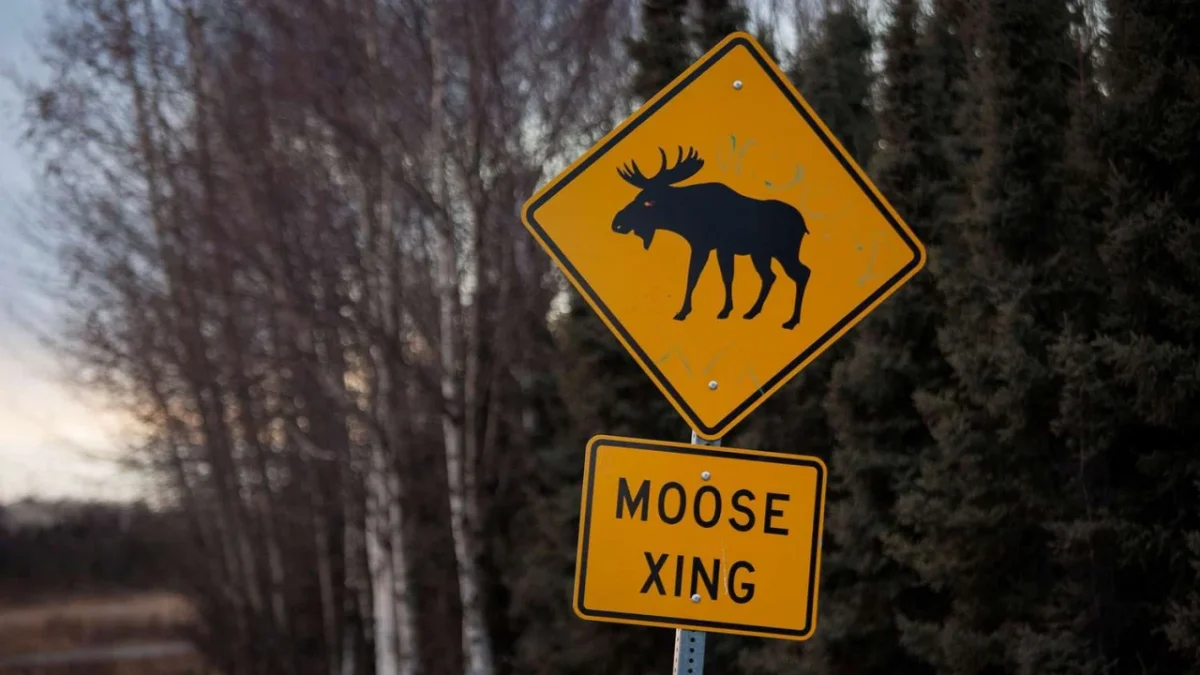
An 18-year-old driver in Anchorage, Alaska, is fighting her way through intensive care after surviving a violent moose vehicle collision that unleashed an estimated 40,000 pounds of crushing force onto her vehicle. First responders had to deploy multiple specialized extraction crews to cut the teenager from the mangled wreckage on an icy highway.
The driver, Autumn Stone, was traveling along Minnesota Drive near the Raspberry Road exit when an adult moose stepped directly into her path. According to her mother, Megan Stone, road conditions were slick, leaving the teenager virtually no time to hit the brakes before the massive animal crashed into the vehicle.
Autumn was rushed to an intensive care unit with a broken hand, severe facial lacerations, and bruising to her brain. Emergency medical personnel and hospital physicians noted that walking away alive from this caliber of impact is an extraordinary outcome.
“That’s what we’ve been hearing this entire ordeal, from the EMTs to the doctors. They are amazed that she’s alive.”
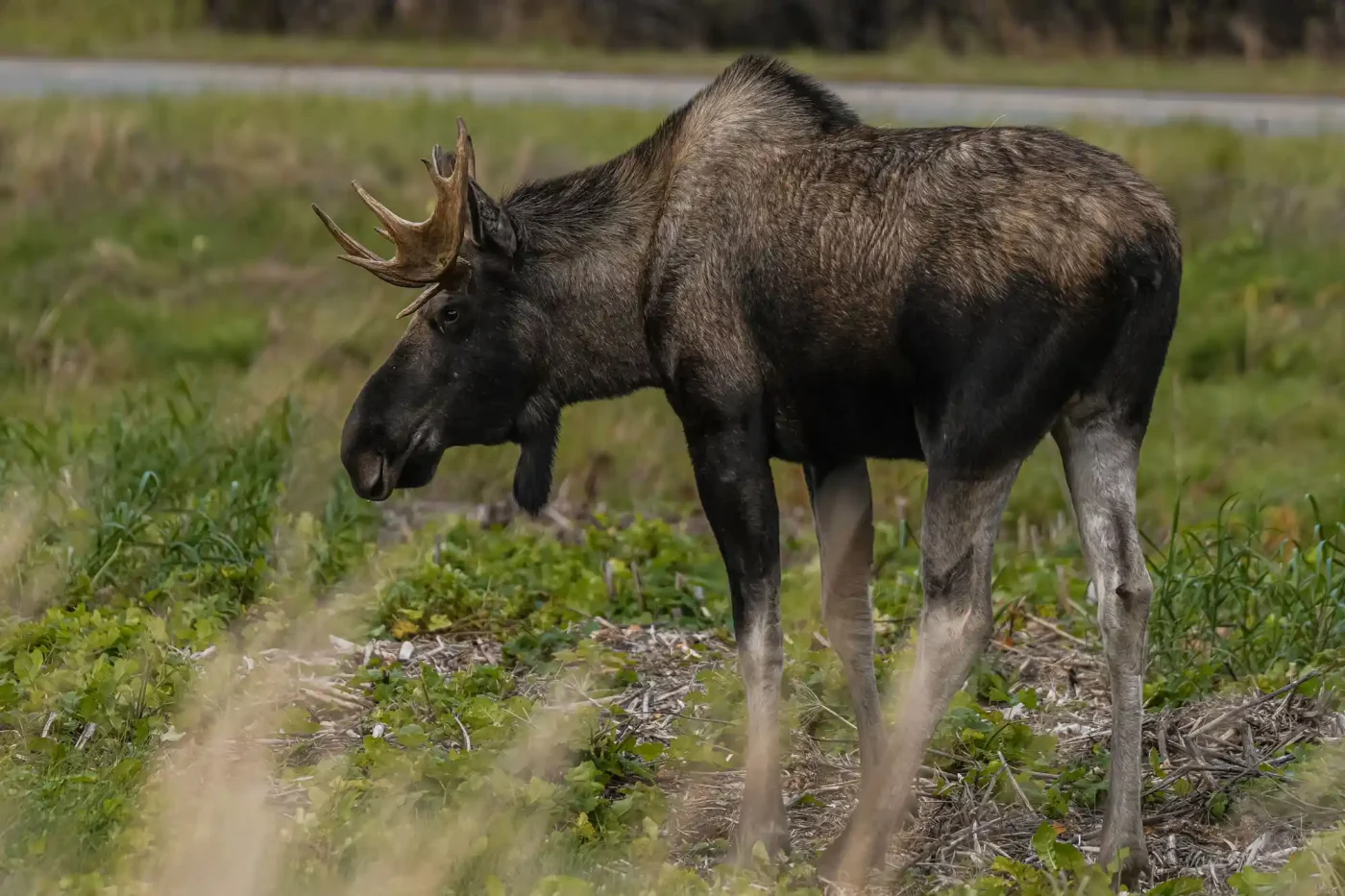
A family of moose spotted in Anchorage, Alaska.
The Physics Behind a Fatal Wildlife Impact
A highway encounter with a moose presents a unique structural hazard compared to ordinary deer collisions. Because moose have long legs and a high center of gravity, a vehicle’s front bumper rarely absorbs the brunt of the collision.
Instead, the bumper takes out the animal’s legs, throwing the bulk of its massive body straight over the hood and directly into the windshield and passenger cabin roof. Anchorage firefighter Jason Dolph explained the severe dynamic forces involved in these highway-speed wrecks.
“When a moose lands on a car at high speeds… we see forces of 30 to 40,000 pounds being put onto that car.”
That extreme structural load crushes roof pillars, caves in windshield framing, and traps occupants beneath tons of compressed metal. Photos from the scene showed total devastation, illustrating why multiple rescue teams had to use heavy hydraulic cutting tools to pull Autumn out.
Why Moose Collisions Surge in Winter Months
Data from the Alaska Department of Fish and Game reveals that Alaska contends with the highest rate of moose-vehicle collisions anywhere in the world. In the Anchorage region alone, wildlife biologists record roughly 100 moose collisions every year, with numbers spiking dramatically as winter sets in.
The Danger of Dark Commutes and Seasonal Rutting
Wildlife officials point out that early winter presents a hazardous combination of behavioral patterns and adverse environmental conditions. Cory Stantorf, a biologist with the Alaska Department of Fish and Game, noted that active rutting seasons drive bulls to follow cows across heavily traveled thoroughfares.
At the same time, morning school traffic and daily work commutes occur in total darkness. When roads are icy and the ground lacks snow cover, dark-coated moose blend into the surrounding black pavement, making them virtually invisible to drivers until impact is unavoidable.
| Risk Factor | Highway Impact |
|---|---|
| High Center of Gravity | Moose body pivots over the vehicle hood, slamming directly into windshields and roof pillars. |
| Lack of Snow Contrast | Dark fur blends into black asphalt during early-winter morning and evening commutes. |
| Autumn Rutting Behavior | Moose move unpredictable distances across multi-lane highways while tracking mates. |
| Sub-Zero Road Slickness | Icy highway surfaces eliminate stopping distance and reduce driver evasive capability. |
Busting the Swerve Myth: Crucial Winter Driving Defenses
A widespread public misconception is that drivers should aggressively swerve at highway speeds to miss a large animal in the road. In reality, abrupt lane changes on slick surfaces often cause vehicle rollovers, secondary impacts with oncoming traffic, or crashes into solid roadside barriers.
State wildlife experts and safety officials advise drivers to prepare for sudden obstacles by adopting specific defensive driving habits whenever traveling through known habitats:
- Adjust speed for visibility: Reduce travel speed well below the posted limit during periods of fog, rain, freezing precipitation, or total darkness.
- Scan both highway shoulders: Female moose frequently travel with calves, meaning a crossing animal is often followed closely by another.
- Increase following distance: Give the car ahead substantial clearance so you have ample time to brake if a hazard triggers sudden stops.
- Focus on steady braking: Maintain a firm, controlled deceleration within your lane rather than spinning out on icy shoulders.
💬 Surviving an encounter like this underscores the unpredictable nature of winter driving in northern wildlife territory.
✨ Have you ever experienced a close call with wildlife on an icy road? Drop your thoughts in the comments below.
📱 Share this essential safety breakdown with friends and family navigating dark highway commutes this season. 👇
 1
 2
 3
 4
