
Andy Burnham Brexit Small Boats Revelation: Inside Downing Street’s High-Stakes EU Shift and New Household Energy Plan

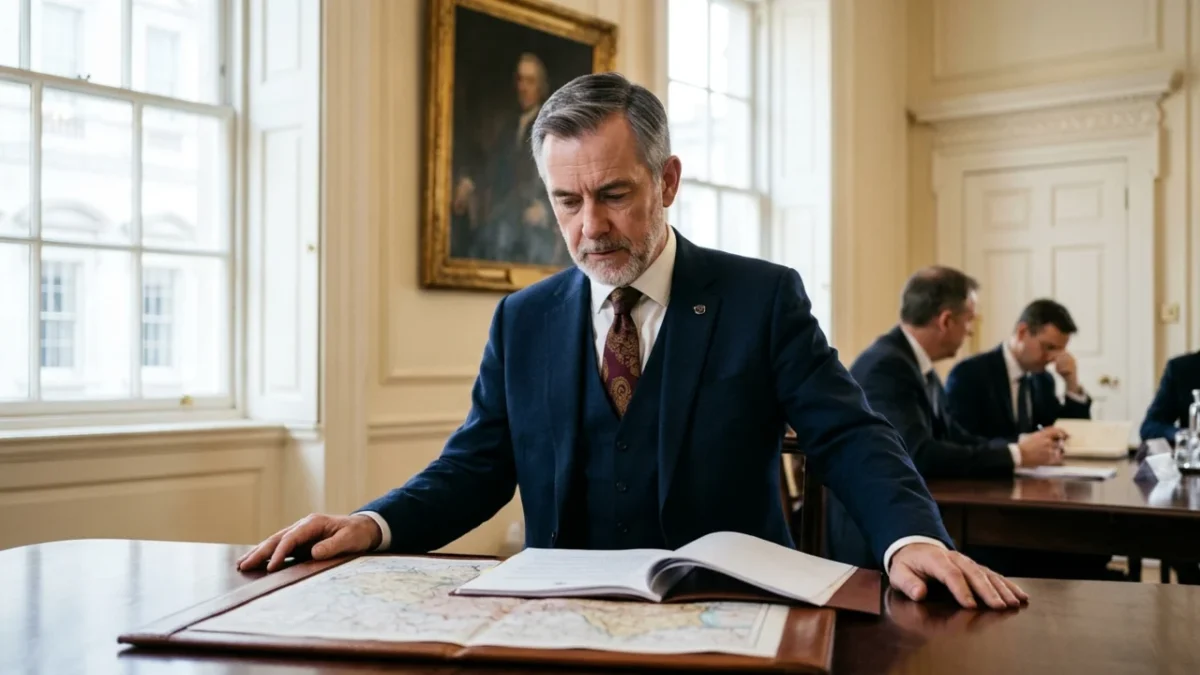
Prime Minister Andy Burnham has attributed Britain’s small boats crisis directly to leaving the European Union, arguing that the loss of formal return mechanisms has left UK borders vulnerable to human-trafficking networks.
Speaking on ITV’s Good Morning Britain just 99 days after entering Downing Street, the Prime Minister insisted that the arrival of roughly 213,000 unauthorised migrants across the English Channel stems from the absence of return agreements with European neighbours.
The intervention marks a deliberate shift in Downing Street’s rhetoric, signalling a dramatic repositioning of the UK’s post-Brexit diplomacy alongside imminent domestic policy announcements.
The Channel Border Standoff: Why Number 10 Points to Europe
Addressing the ongoing border enforcement challenges, the Prime Minister argued that smuggling rings capitalise directly on Britain’s legal detachment from European return protocols.
“The reason the small boat crisis has arisen is we can’t return people and we have people knowing we can’t,” Mr Burnham said during the broadcast.
Although Channel crossings first triggered official major incident status in early 2018 prior to the formal EU exit, numbers escalated sharply during the pandemic when freight scrutiny tightened. While crossings have dropped 40 per cent from last year, criminal operations continue targeting alternative landing sites, deploying larger vessels such as a 15-metre dinghy carrying 260 passengers spotted reaching southern coastlines between Dover and Gosport.
Downing Street plans to present formal options for resetting bilateral ties at a scheduled summit with European leaders next month, framing co-operation as a practical security necessity.
Freedom of Movement and the Rejoin Debate
The Prime Minister reiterated his personal hope that the UK will rejoin the European Union within his lifetime, though he ruled out any formal re-entry within the current parliamentary term.
Crucially, Andy Burnham stressed that any constitutional realignment rests entirely in the hands of the electorate.
“I am not going to move ahead of the public and I am not going to dictate in terms of my own opinions here,” he noted, pointing out that voters in his constituency of Makerfield, where 65 per cent backed Leave in 2016, remain “the bosses”.
Defending an “evidence-based debate” on European mobility, the Prime Minister contrasted historic short-term migration with current demographics:
- Systemic Migration Realities: Mr Burnham argued that ending short-term European movement led directly to higher levels of long-term permanent immigration from non-EU nations.
- Revolving Door Employment: Previous arrangements operated primarily on temporary two- to three-year working spells rather than permanent settlement.
- Border Security Co-operation: Establishing structured intelligence-sharing remains central to dismantling international people-smuggling syndicates.
- Referendum Boundaries: Downing Street firmly denied any intention to re-run the 2016 vote without a mandate directly granted by the public.
Household Relief: Gas Standing Charges Under the Microscope
Beyond border security and foreign policy, Number 10 dropped clear hints that Chancellor John Healey will unveil direct household financial support in the forthcoming Budget.
Having already removed VAT from domestic electricity tariffs, the Prime Minister indicated that Whitehall is actively reviewing the fixed daily standing charges levied on gas bills, which currently add an average of £103.32 annually to household expenses before any energy is consumed.
Defence Commitments and Fiscal Headwinds
Alongside potential cost-of-living measures, the Chancellor faces urgent calls to plug a £5bn shortfall identified in previous defence investment schedules.
Mr Healey, who previously stepped down from the shadow frontbench over delays in pledging 3 per cent of GDP to military expenditure by 2030, is slated to publish a roadmap meeting Britain’s NATO obligations on Wednesday.
Simultaneously, the Prime Minister forcefully dismissed demands from opposition leaders Kemi Badenoch and Reform UK’s Nigel Farage for deep, immediate reductions to the welfare budget.
Snap Election Speculation Put to Rest
Despite recent polling reversals that place Labour six percentage points ahead of Reform UK—recovering from a ten-point deficit recorded twelve months ago—the Prime Minister firmly quashed talk of a spring general election.
“There is no election coming any time soon,” Mr Burnham declared, insisting his immediate priority is consolidating national direction and economic stability.
With an EU summit approaching and fiscal policy hanging on Wednesday’s Budget dispatch box, Downing Street is betting that pragmatic engagement across the Channel and targeted relief at home will steady the ship.
💡 The coming weeks will reveal whether Brussels is willing to negotiate meaningful returns agreements without demanding comprehensive regulatory alignment in return.
🔍 Meanwhile, millions of households will be watching the Commons on Wednesday to see if standing charge reforms genuinely shave figures off winter heating outlays.
📌 Do you believe negotiating closer security ties with the EU will resolve the small boats crisis, or should domestic enforcement remain the priority? Share your view below.
 1
 2
 3
 4