
Archaeologists Digging Through 4,000-Year-Old Bronze Age Ruins Just Uncovered an Accidental Dog Paw Print Baked Into Ancient Mud Brick

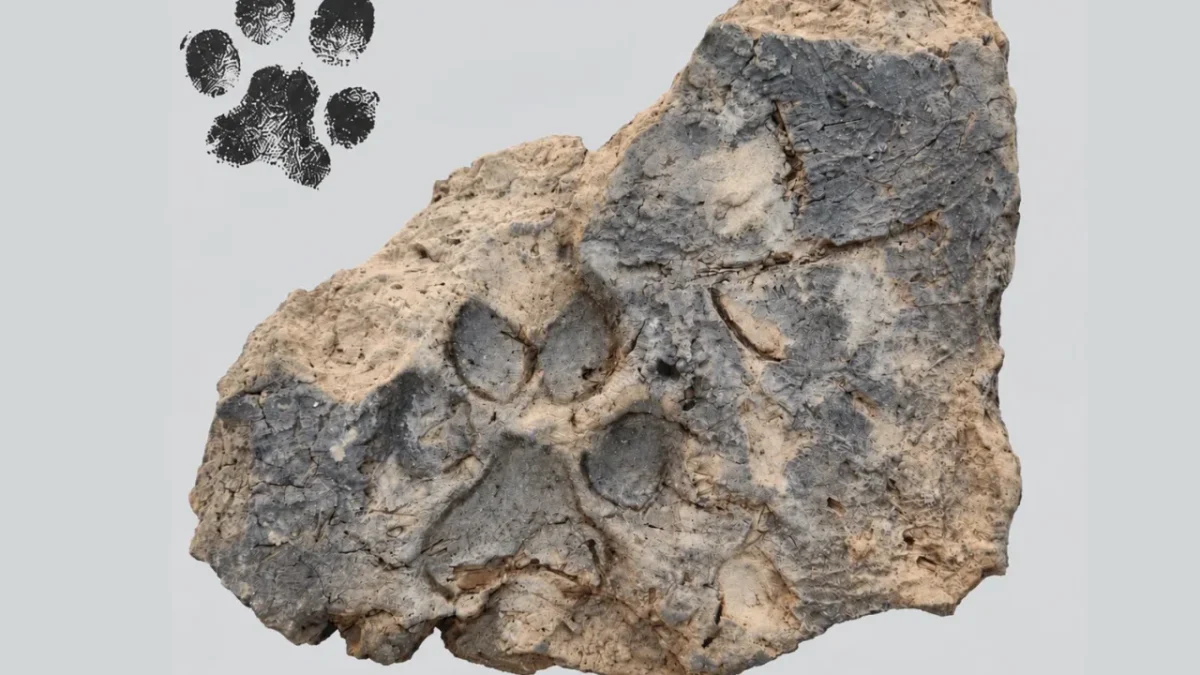
Four thousand years ago, an inquisitive dog stepped onto a fresh, wet mud brick drying under the sun, leaving behind a perfectly stamped paw impression that outlasted the rise and fall of civilizations. Archaeologists excavating the Bronze Age settlement of Tavsanli Hoyuk in western Turkey discovered the sun-dried brick preserved beneath the ash and rubble of a burned home, providing a rare and intimate glimpse into domestic life four millennia ago.
The structure containing the brick collapsed in a devastating blaze around 1700 B.C.E., sealing the artifact beneath debris until researchers unearthed it. While the names and individual fates of the builders were erased by time, the canine intruder left an indelible mark: four round toe pads pressed into the ancient clay mixture.
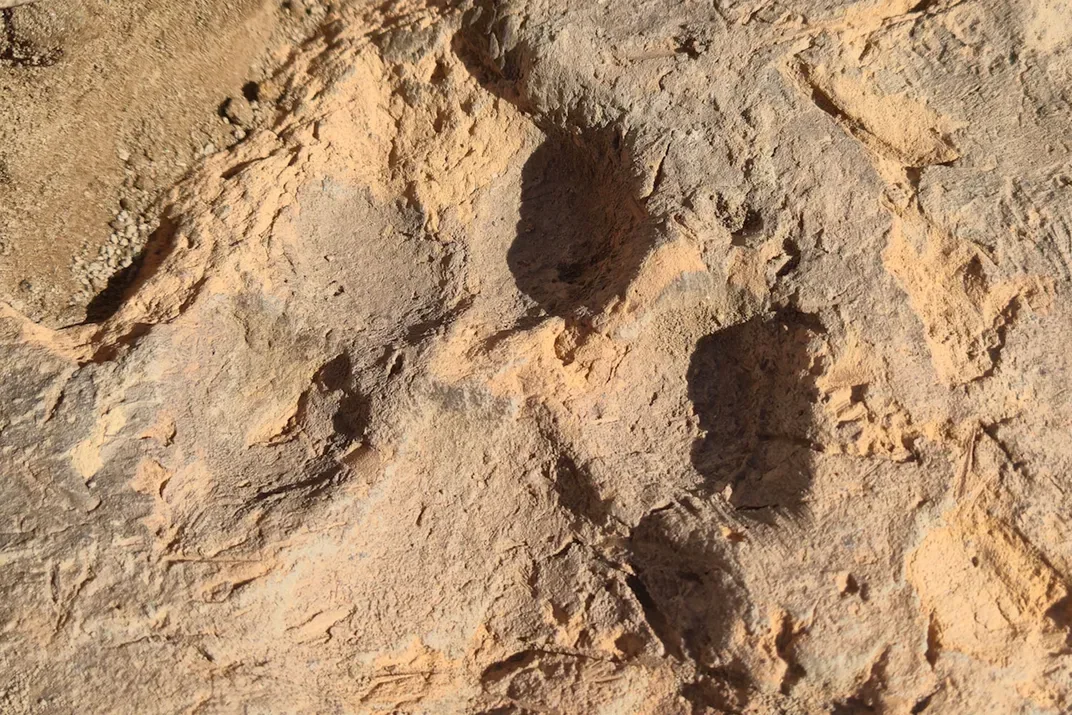
Paw print close-up
How a Careless Step Became a Permanent Record
During the Bronze Age, construction workers produced structural building materials by mixing water, soil, and straw. Craftsmen poured the slurry into wooden molds and aligned them in the open air to cure under the sun.
Before this specific block could harden, a canine walked directly across the mold. The animal applied enough pressure to embed its footprint into the sediment without ruining the brick’s structural utility. The builders subsequently placed the marked block straight into the wall.
“By the Bronze Age, dogs were already a familiar part of everyday life in Anatolian settlements,” explains Erkan Fidan, the excavation director at Tavsanli Hoyuk. “The approximately 4,000-year-old paw prints discovered at Tavsanli Hoyuk provide a particularly direct and touching glimpse of this relationship.”
The Violent End of Tavsanli Hoyuk
The site itself holds an extensive timeline. Human settlement at Tavsanli Hoyuk began roughly 8,000 years ago as a small village before regional flooding forced an early abandonment.
Settlers returned around 3200 B.C.E. at the onset of the Bronze Age, maintaining continuous occupancy for roughly 1,500 years. The community grew into one of the largest settlements in Western Anatolia before invaders attacked and torched the city around 1700 B.C.E.
Archaeologists from Bilecik Seyh Edebali University, who have worked at the location since 2021, have recovered arrowheads, daggers, and spearheads across the burn layer. Excavators also located the skeletal remains of two attack victims trapped beneath the fallen debris of a collapsed dwelling.
Myth vs. Reality: When Did Dogs Truly Enter Human Life?
A common misconception assumes that human-canine bonds only formalized late in antiquity alongside structured urban societies. Genetic evidence proves the partnership started far earlier.
Recent research published in the journal Nature identified genetic material from a domesticated dog living in modern-day Turkey approximately 15,800 years ago. This discovery moved the documented domestic canine record thousands of years further into prehistory than earlier genetic finds, which dated to roughly 10,900 years ago.
| Historical Milestone | Archaeological & Scientific Context |
|---|---|
| Oldest Genetic Dog Evidence | 15,800-year-old genetic markers identified in modern-day Turkey |
| Tavsanli Hoyuk Foundation | Early village established roughly 8,000 years ago |
| Bronze Age Resettlement | Continuous habitation resumed around 3200 B.C.E. |
| The Preserved Paw Print | Left in drying mud brick approximately 4,000 years ago |
| Destruction Layer | Settlement burned down around 1700 B.C.E. by attackers |
Accidental Animal Marks Across the Historical Record
The 4,000-year-old dog paw print joins an elite category of unintentional ancient animal vandalism preserved by material science. Domestic animals frequently disrupted human craftwork throughout history, leaving physical proof of their antics.
- Medieval Manuscript Cat Prints: A 15th-century Flemish manuscript contains ink-stained feline paw prints stamped directly across the parchment when a cat wandered across an open book.
- Jerusalem Ceramic Imprints: A 1,000-year-old piece of Jerusalem pottery features light paw indentations consistent with a cat kneading wet clay before firing.
- Anatolian Mud Bricks: The Tavsanli Hoyuk specimen captures four distinct canine toe pads pressed into wet mud, straw, and water.
“Of course, we cannot determine whether this particular dog was kept as a pet in the modern sense,” notes Fidan. “But the discovery offers a small yet remarkable connection to everyday life four millennia ago.”
✨ Little reminders of domestic chaos prove that human life thousands of years ago mirrored our own in surprising ways.
📱 An ancient craftsperson may have rolled their eyes at the mischievous dog, but that unscripted moment created an irreplaceable archaeological treasure.
👇 Drop your thoughts in the comments below: Would you have smoothed out the brick or left the paw print intact?
 1
 2
 3
 4
