
Does Coloring Your Hair Actually Cause More Grays? A Top Dermatologist Sets the Record Straight on What Really Turns Hair Silver

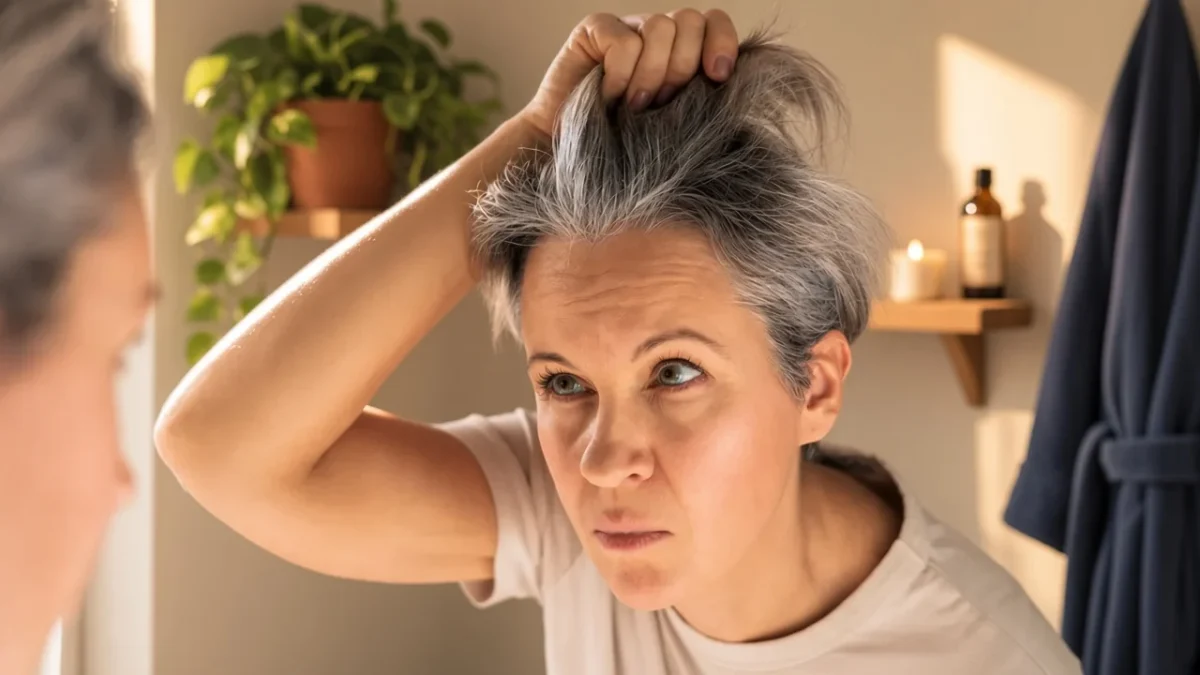
Coloring or bleaching your locks does not speed up silver strands or ruin your natural pigment. According to dermatological science, gray hair occurs strictly beneath the scalp surface when your body slows down its production of melanin, the essential pigment responsible for hair color.
Antonella Tosti, a dermatologist with the University of Miami Health System, directly dismissed the common salon myth that dyes trigger accelerated silver growth. The biological shift happens inside the follicle, rendering external treatments entirely harmless to your natural color timeline.
“Coloring or bleaching does not affect graying in any way. Go ahead and dye it. The best type of dye to use depends on how much gray hair you have.”
So if chemicals aren’t stripping your roots of pigment, what is actually accelerating those stubborn silver strands?
The Truth About Hair Dye: What to Use Based on Coverage
The myth that coloring forces more silver to sprout stems from perception rather than biology. When treated hair grows out, the sharp contrast between colored strands and natural roots makes incoming silver look far more aggressive than it truly is.
Instead of avoiding color treatments out of fear, matching your formulation to your current coverage level yields the most natural results.
Recommended Coverage Strategies
- Under 30% gray: Opt for natural options like henna or semi-permanent formulas that blend roots without heavy chemical lines.
- Over 50% gray: Switch to permanent hair color formulas to achieve complete and lasting root coverage.
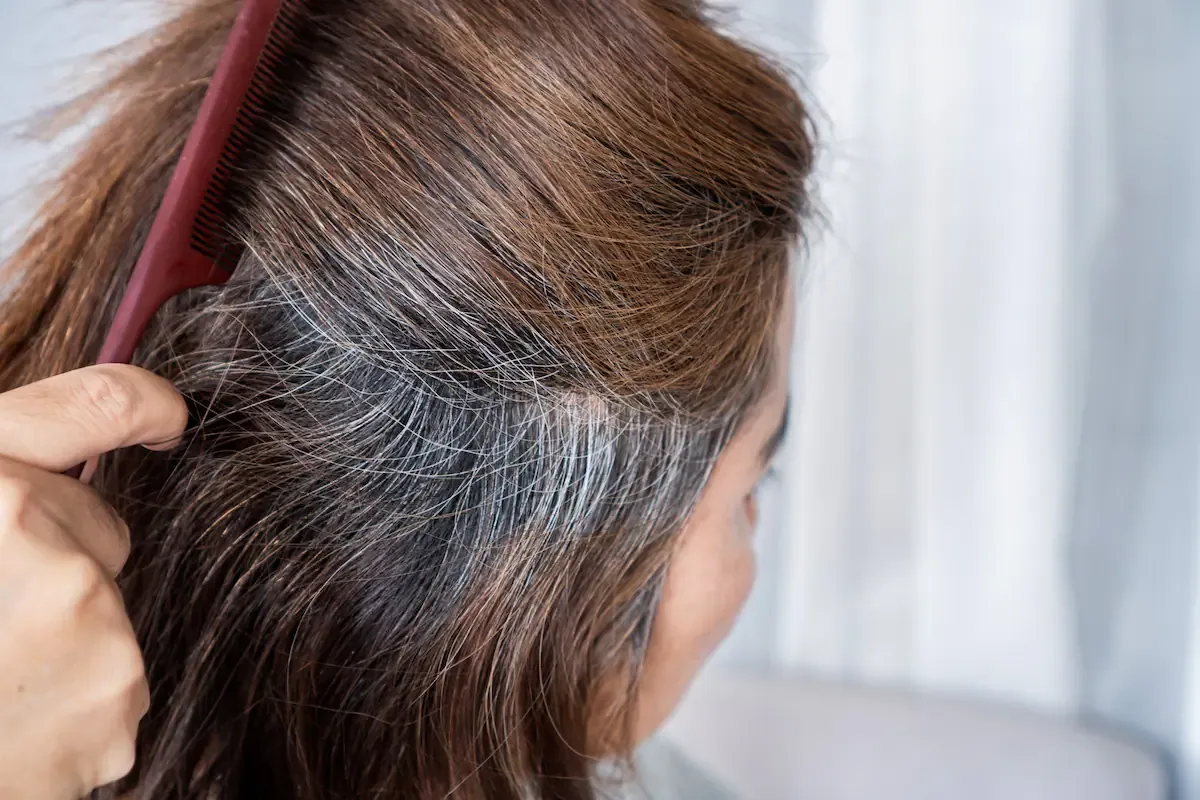
Gray hair transitioning naturally across strands.
What Actually Triggers Gray Hair? The Real Biological Drivers
If box dye is officially off the hook, where does the real blame lie? The primary driver of silver hair is written entirely in your DNA.
Just as genetics dictate how your skin shows lines or maintains elasticity, your inherited biology determines when melanin production begins to decline in your follicles.
| Factor | Documented Impact |
|---|---|
| Genetics | Primary control over when follicles reduce melanin production |
| Ethnicity | Influences average onset age across demographic groups |
| Chronic Stress | Environmental stress levels actively encourage earlier graying |
| Daily Diet | Anti-inflammatory, vegetable-rich foods help slow aging processes |
Why Ethnicity and Lifestyle Shift Your Timeline
Genetics also dictate notable differences across demographic backgrounds. Clinical observations show that white individuals tend to notice silver earlier than other groups.
In contrast, people of Asian descent generally retain pigment longer, while people of African descent typically begin going gray after age 45.
Beyond inherited traits, external factors play a measurable role. Research confirms that experiencing sustained stress promotes graying, as environmental factors that elevate your stress response take a toll on cellular health.
Dietary habits also influence cellular aging. Adopting an eating pattern focused on vegetables and anti-inflammatory foods provides optimal nutritional support to slow down premature aging markers throughout the body.
✨ Embracing silver strands or choosing to dye them is entirely a personal style preference, not a biological risk.
📱 Knowing the difference between salon myths and genuine follicular science gives you total control over your routine.
💬 Have you noticed silver strands popping up earlier than expected, or do you color yours regularly? Share your experience in the comments below!
 1
 2
 3
 4
