
Don’t Let Winter Kill Your Garden: 16 Outdoor Perennials You Can Bring Inside Right Now to Grow as Houseplants

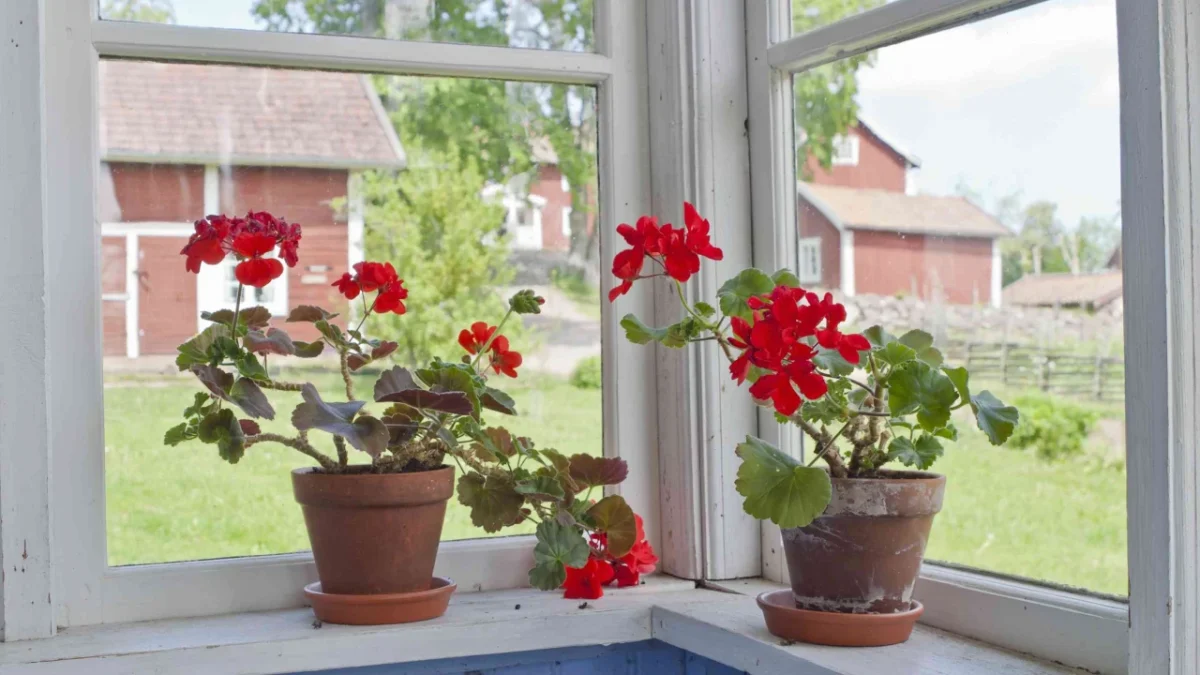
You do not need to let freezing temperatures kill off your favorite patio plants and garden greenery every autumn. Dozens of outdoor perennials transition seamlessly into indoor houseplants through winterizing, protecting root systems from cold-weather damage while keeping your living room lush all winter long.
While cold-hardy plants in garden beds often handle winter freezes underground, container-bound perennials face high vulnerability. In pots, freezing and thawing cycles turn potting soil soggy, drastically elevating the risk of fatal root rot. Bringing tender perennials inside gives them an even climate to thrive, continue active foliage growth, or rest in safety until spring returns.
Why Potted Perennials Suffer Outdoors
A widespread misconception is that any plant labeled “perennial” will easily survive winter outdoors in an exposed container. In reality, root systems in above-ground pots lack the insulation provided by surrounding earth, leaving tender perennials vulnerable once nighttime temperatures drop below 50°F.
A common misstep is assuming winter survival depends only on frost tolerance; in containers, poor drainage during repetitive freeze-thaw cycles often destroys roots before freezing air ever touches the crown.
When you transition perennials indoors, your primary challenge changes from surviving cold to managing light and indoor humidity. Different varieties require tailored care schedules to stay vibrant inside your home.
Flowering & Tropical Perennials That Double as Houseplants
Several popular garden showstoppers can spend the sunny summer months decorating a patio and the winter brightening an indoor window.
Tropical Hibiscus
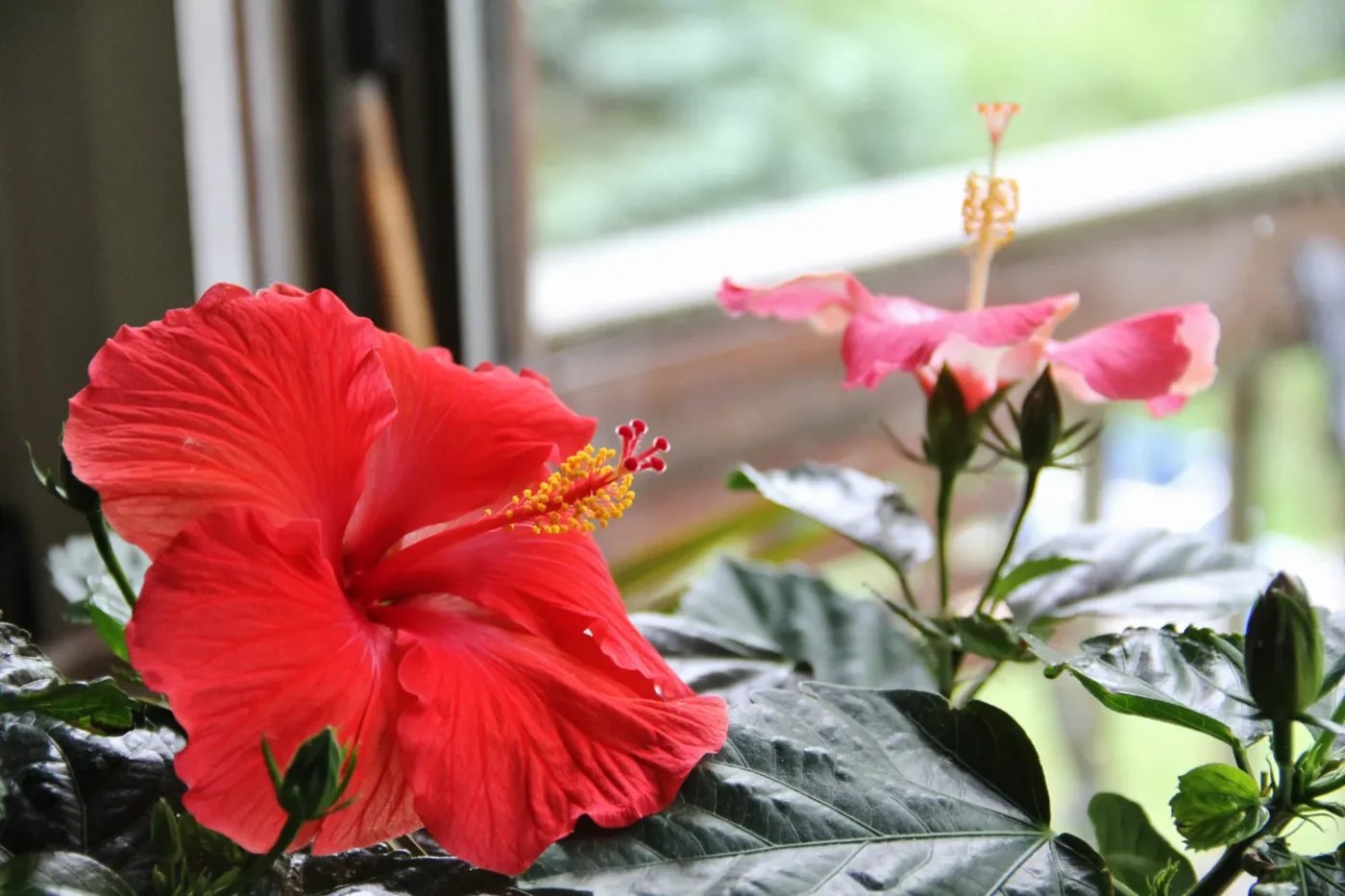
Red tropical hibiscus blooming indoors in a container.
Tropical hibiscus (Hibiscus rosa-sinensis) produces vibrant blooms all summer across USDA Hardiness Zones 9 through 12. Because these woody perennials cannot endure freezing weather, keep them in rolling patio pots and bring them inside to a spot with partial to full sunlight before temperatures plunge. Allow the topsoil to dry thoroughly between waterings.
Croton
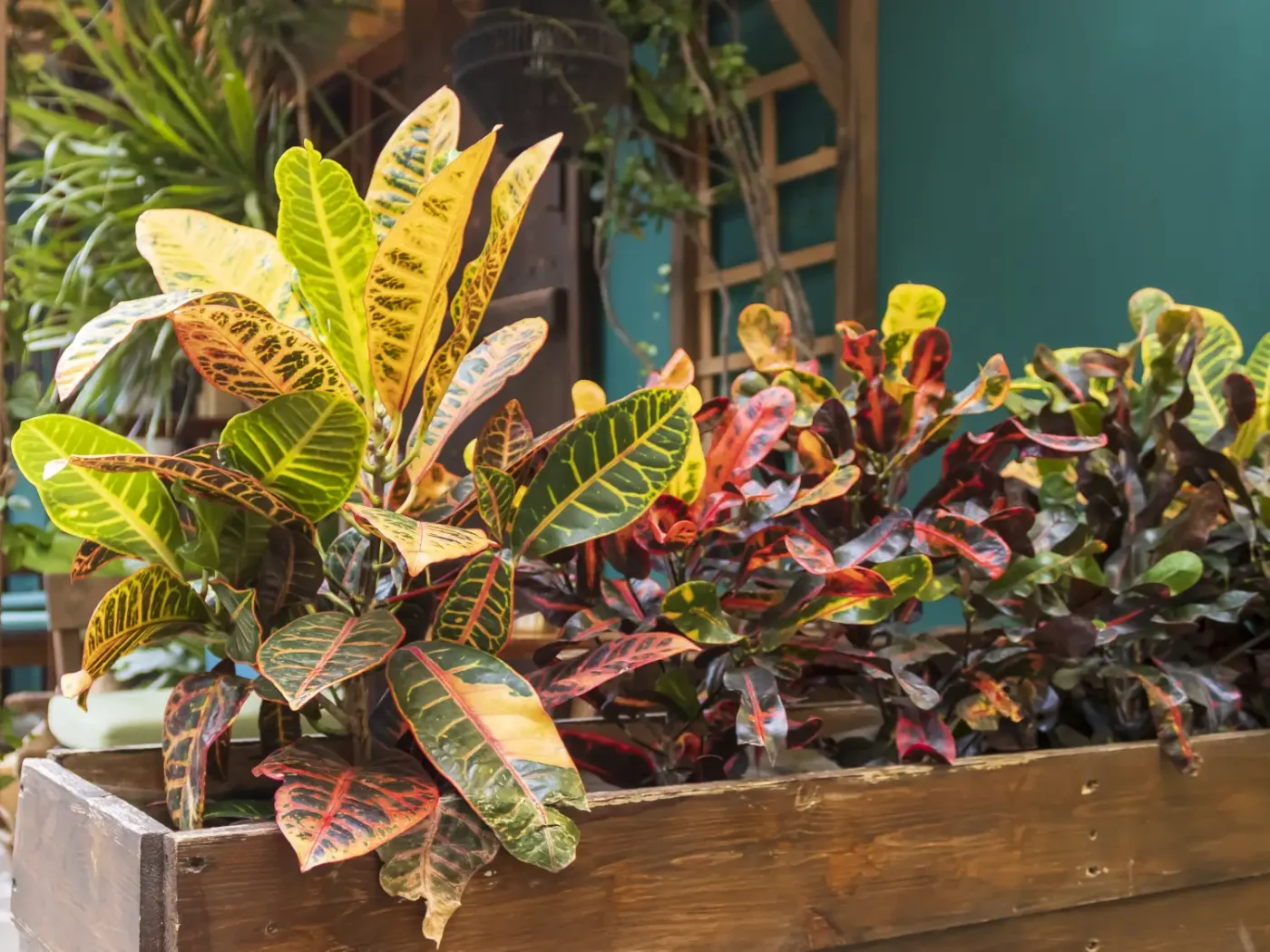
Potted croton display featuring multicolored foliage.
Known for brilliant, multi-toned leaves, crotons belong to the euphorbia family and thrive in USDA Hardiness Zones 10 to 11. They are exceptionally sensitive to sudden drafts and chills. Relocate them indoors before night temperatures decline, providing bright indirect light and elevated humidity with routine misting.
Geraniums
Zonal and scented geraniums can spend months blooming outdoors before transitioning indoors as robust winter houseplants. Set them near your brightest, south-facing window in USDA Hardiness Zones 10 to 11 conditions, prune dead leaves promptly, and allow the potting mix to dry out before giving them a fresh soak.
Wax Begonias
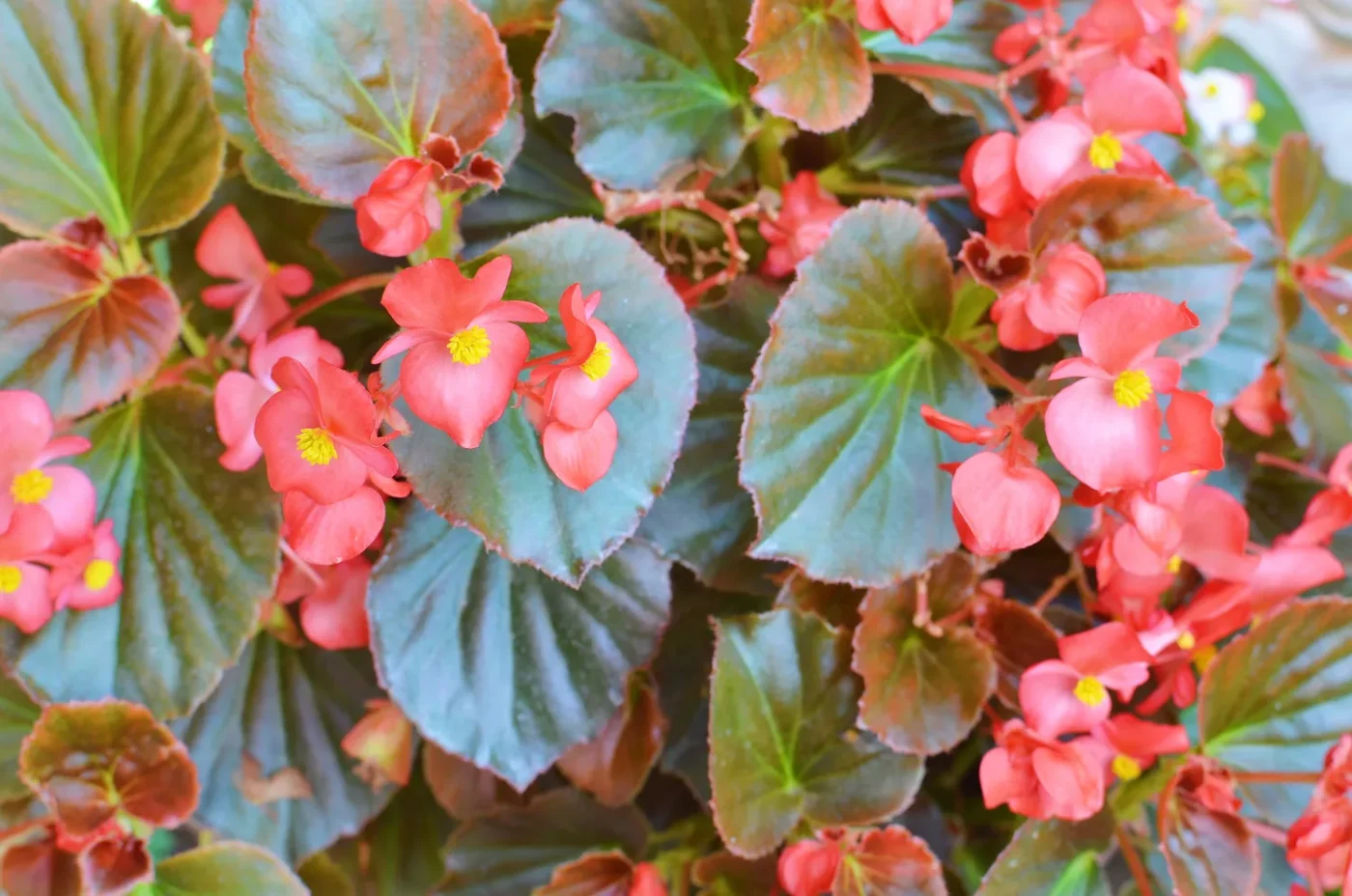
Wax begonias growing in a home setting.
Unlike tuberous begonias that require complete winter lifting and dry storage, fibrous wax begonias adapt well to life indoors in USDA Hardiness Zones 9 to 11. They prefer dappled shade in the yard, but once inside, they demand partial to full sun and lightly moist, well-draining soil to stay healthy.
Fuchsia
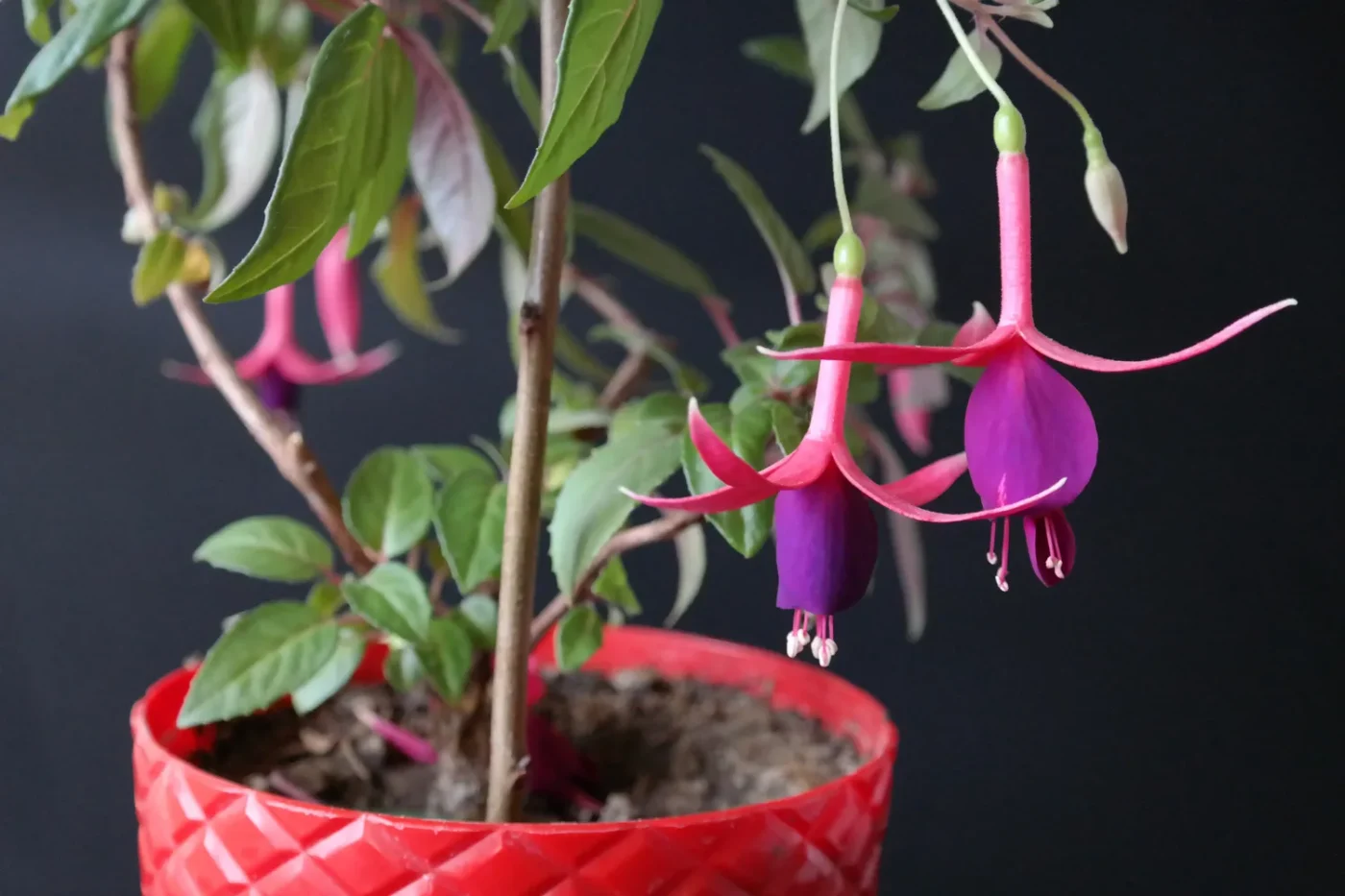
Fuchsia plant flowering indoors in indirect light.
Often displayed in outdoor hanging baskets, fuchsias are tropical perennials rated for USDA Hardiness Zones 10 to 11. Indoors, keep the surrounding temperature between 60°F and 70°F with consistent ambient humidity and indirect lighting to keep the delicate foliage from scorching.
Agapanthus
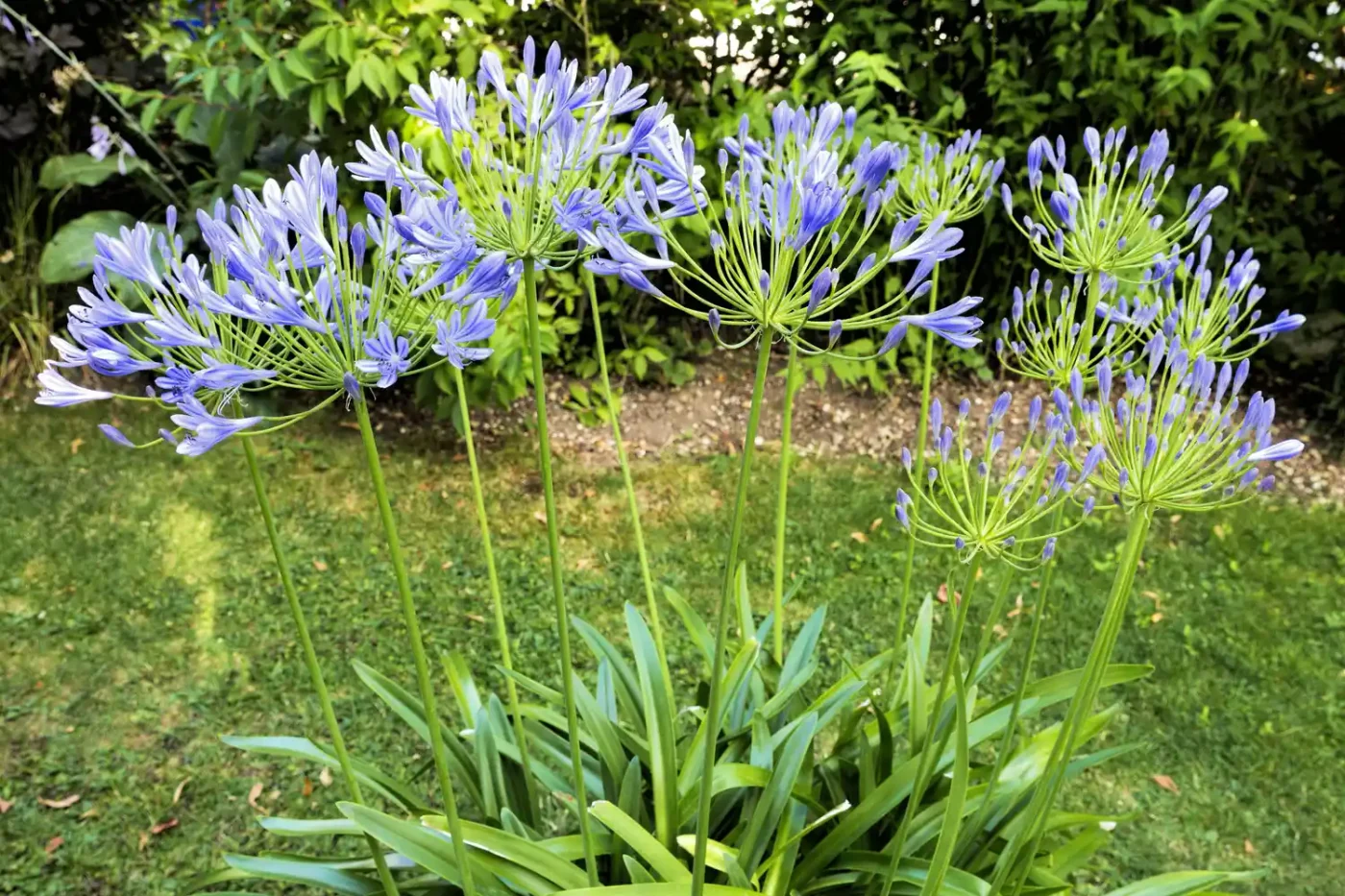
Agapanthus plant foliage and bloom structure.
Also recognized as the African lily, agapanthus comes in evergreen and deciduous varieties suited for USDA Hardiness Zones 7 through 10. Evergreen types will retain their arching foliage all winter long when housed in sunny, well-lit spaces before initiating new flower buds in spring.
Fresh Culinary Herbs for Sunny Windowsills
Moving culinary herbs indoors keeps fresh seasonings within arm’s reach of your kitchen counter while preserving tender perennial roots.
Rosemary
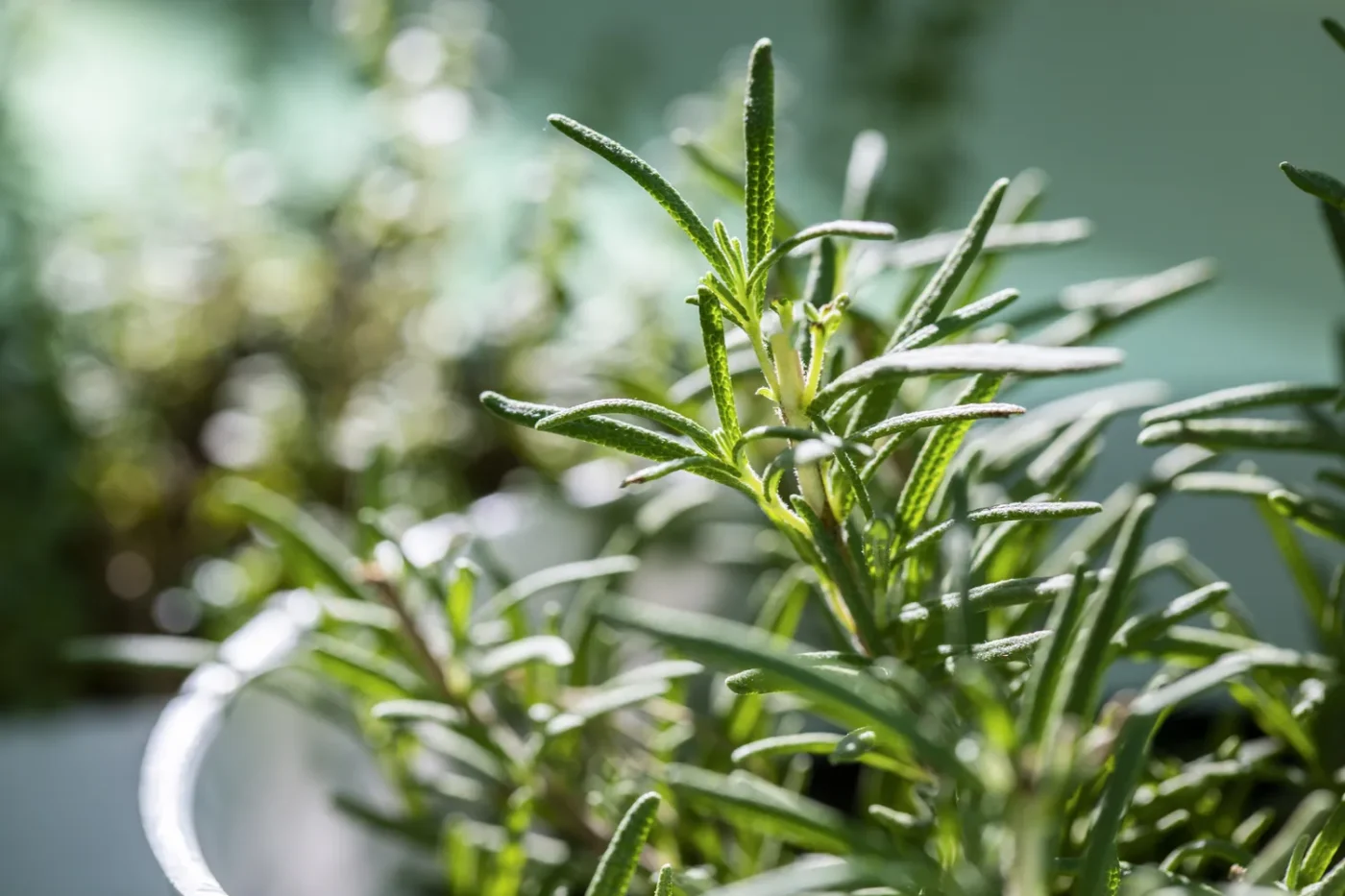
Potted rosemary herb positioned for indoor growing.
Rosemary thrives in sandy soil and dry air across USDA Hardiness Zones 8 to 10. Indoors, it demands full direct sun and excellent soil drainage. Let the top surface dry completely before applying water to prevent root suffocation.
Thyme
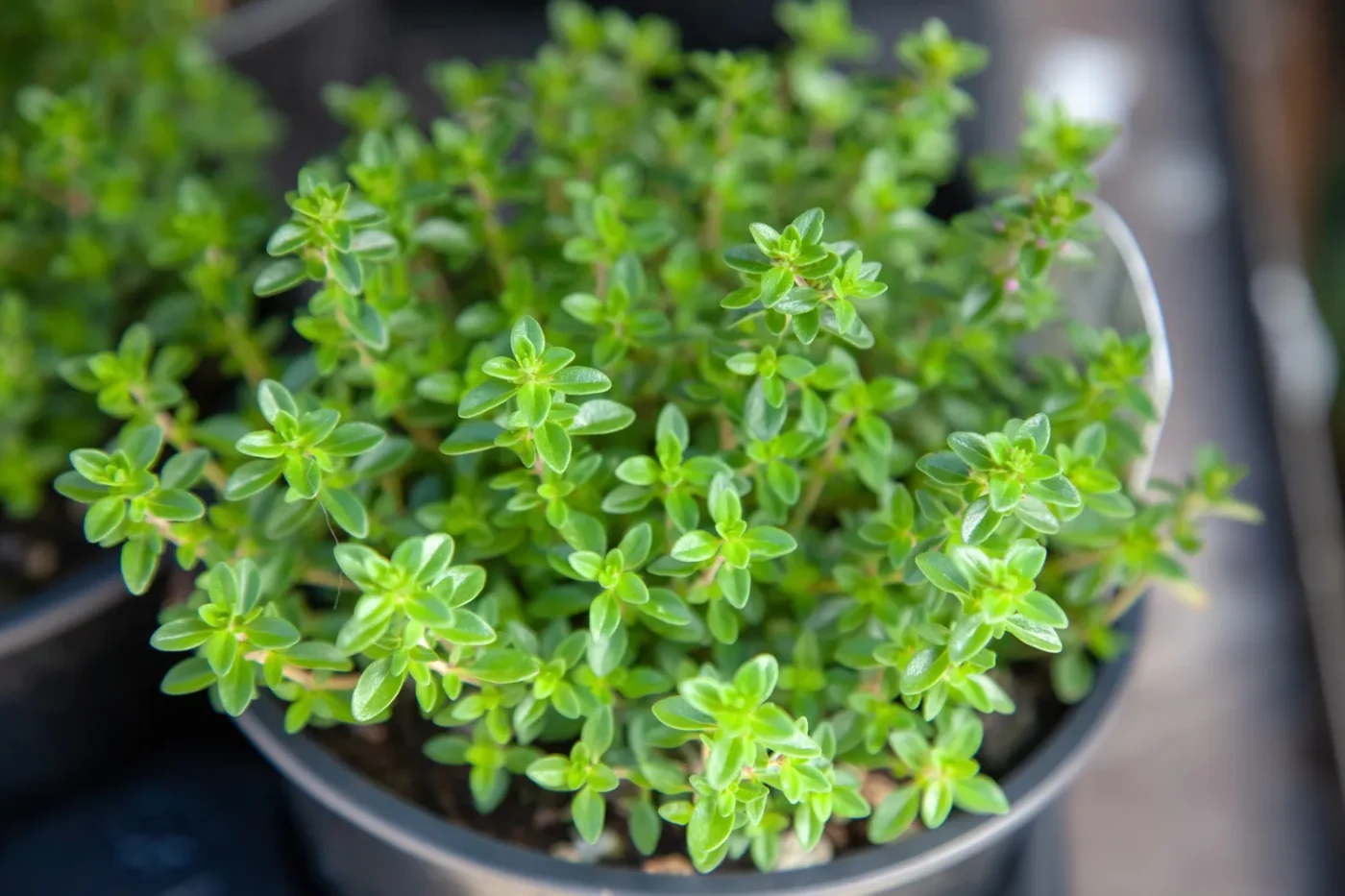
Fresh culinary thyme thriving inside a container.
Culinary thyme is a compact perennial across USDA Hardiness Zones 5 to 9 that stays productive all season. Provide continuous full sun and harvest stems frequently to promote branching growth indoors.
Common Sage
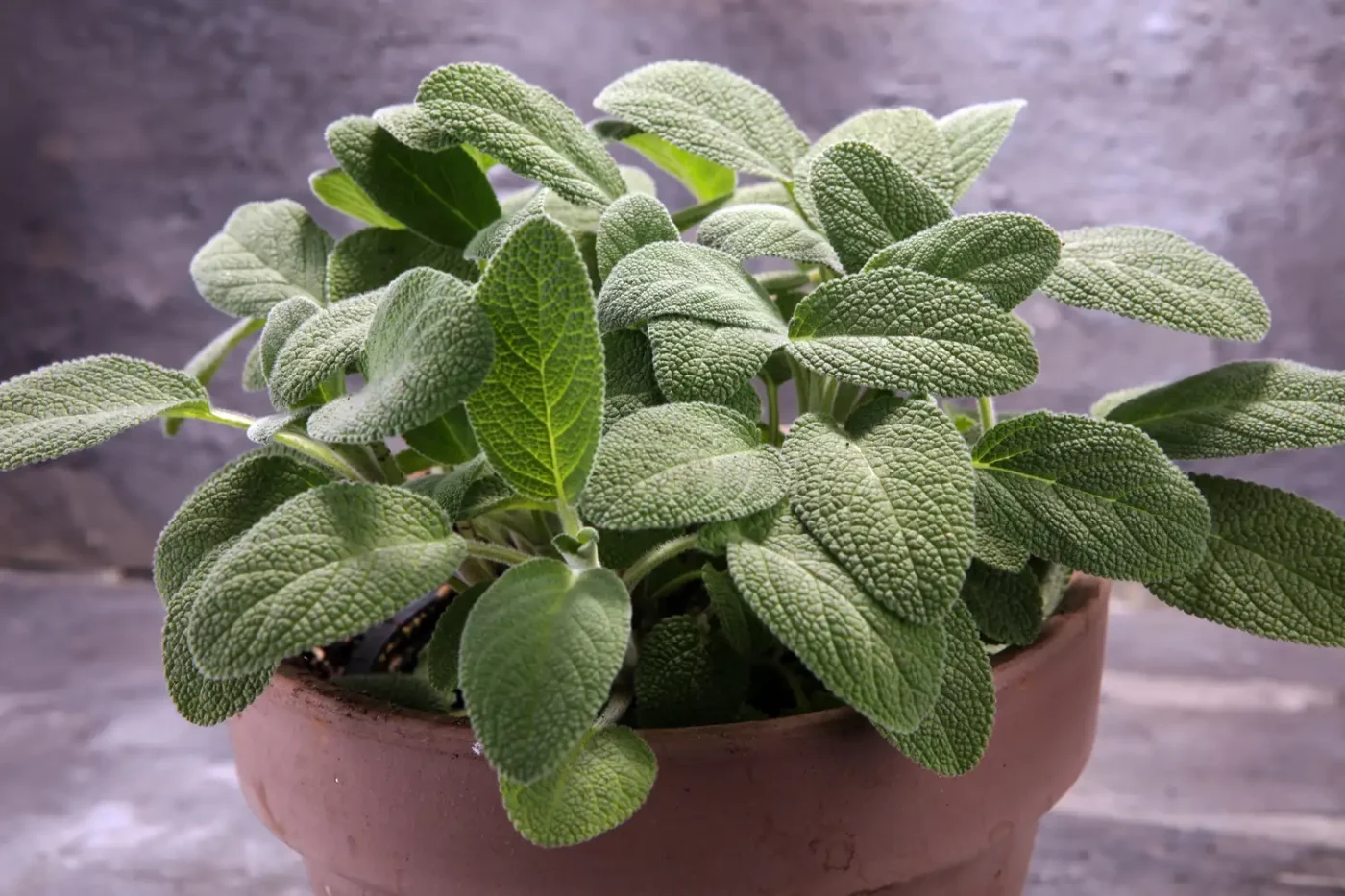
Container-grown common sage on a bright sill.
Sage plants adapt well when potted up from the yard into winter containers in USDA Hardiness Zones 4 through 10. Water sparingly and avoid splashing moisture directly on the velvet leaves to eliminate fungal rot.
Chives
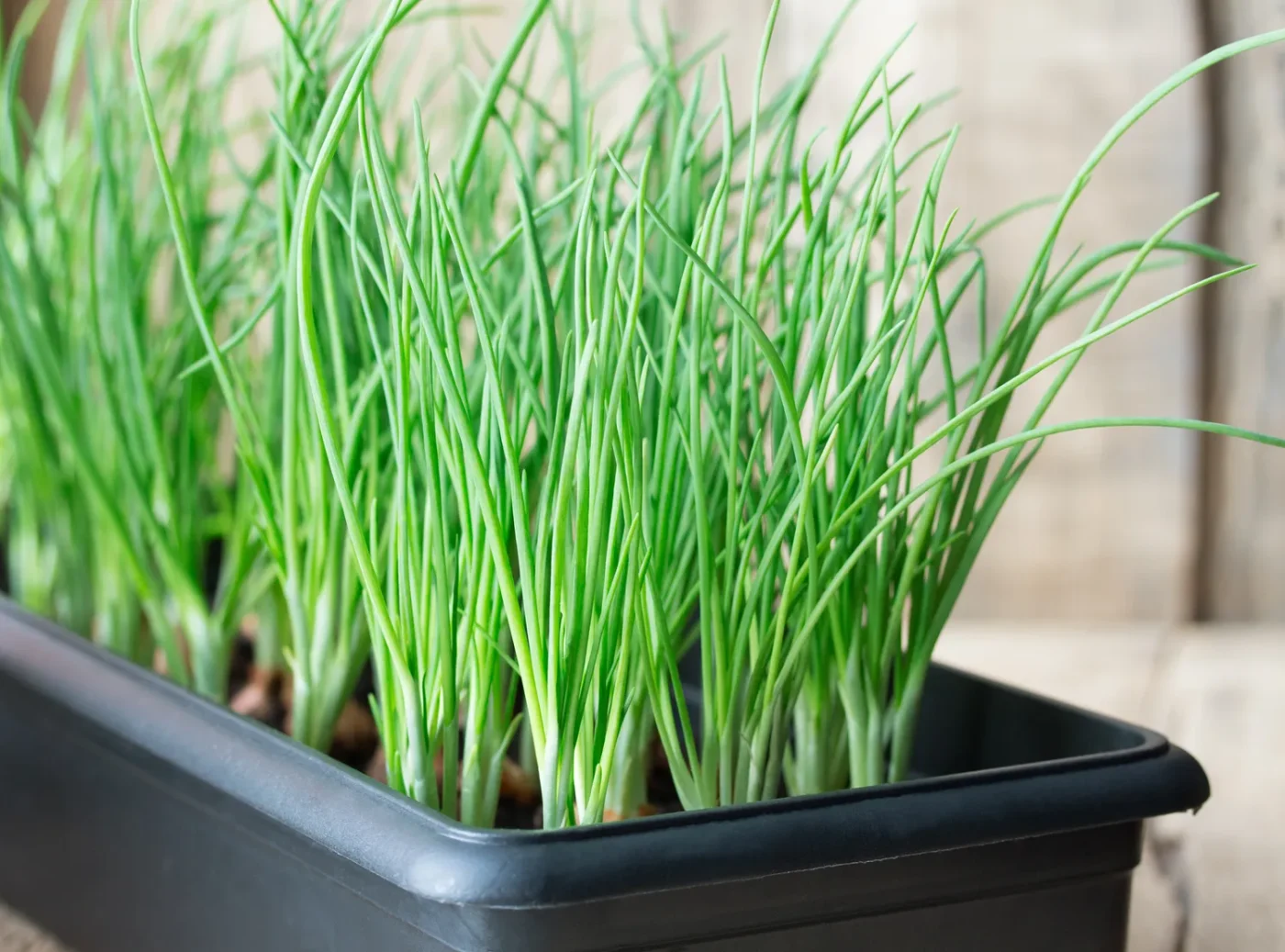
Pot of green chives grown for culinary use indoors.
While chives naturally die back in garden beds during freezing months across USDA Hardiness Zones 3 to 9, divided clumps grown in indoor pots will stay active. Situate them in your brightest window and trim away faded blades consistently.
Statement Foliage and Patio Containers
Large containers and architectural leaves can completely transform indoor living spaces when protected from harsh winter air.
Lady Fern
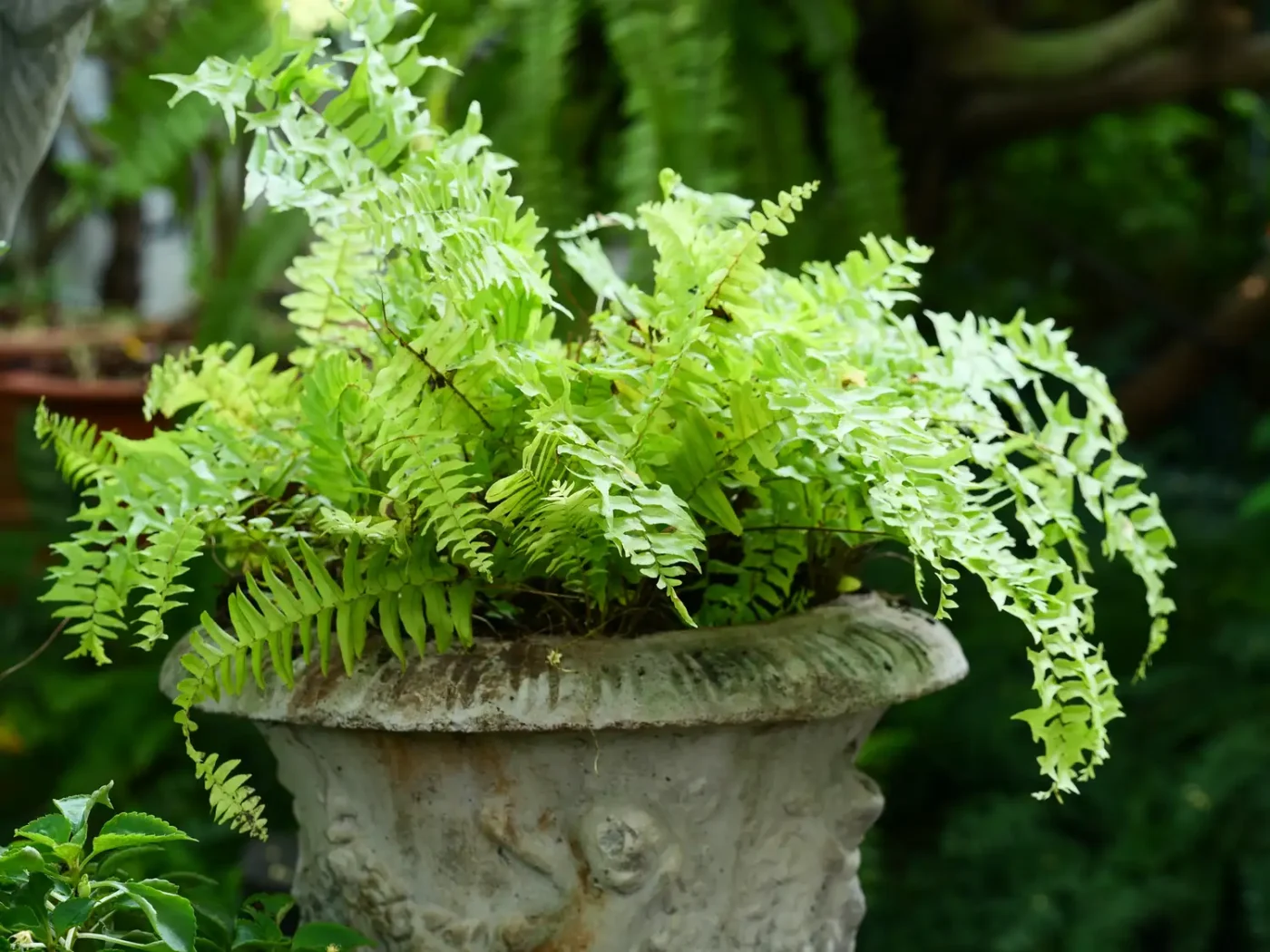
Potted lady fern showing delicate, lacy fronds.
Lady ferns tolerate cold down to USDA Hardiness Zones 3 to 6, yet their lacy aesthetic makes them attractive indoor potted accents. Keep humidity high and place them in partial sun or shade with fast-draining potting soil.
Calamondin Orange Tree
This compact citrus tree yields edible, tart mandarin-like fruit across USDA Hardiness Zones 7 through 10. These dwarf trees can reach up to seven feet tall, requiring strong caster wheels and full to partial sunlight when brought inside.
Elephant Ears
Gardeners in cold areas often dig up elephant ear tubers in USDA Hardiness Zones 9 to 11, but containerized plants can move indoors as active statement houseplants. Allow them to acclimate gradually inside before moving them to full sun.
Coleus
Often treated as annual bedding, coleus behaves as a tender perennial in USDA Hardiness Zones 10 to 11. It thrives above 50°F in indirect light. Pinch off inconspicuous blooms to channel plant vigor into colorful foliage.
Oxalis
Encompassing varieties like purple shamrock (Oxalis triangularis), oxalis spans USDA Hardiness Zones 4 through 11. If leaves fade, give the tubers a one-month dark, cool rest before returning the pot to bright light and regular watering.
Sedum
Resilient across USDA Hardiness Zones 3 to 10, sedums are drought-hardy succulents. Indoors, position them in direct sunlight and water only when the potting substrate has dried completely.
At-a-Glance Plant Requirements
| Perennial Variety | Primary Indoor Need |
|---|---|
| Tropical Hibiscus | Warm temperatures & partial to full sun |
| Croton | High indoor humidity & bright indirect light |
| Geranium | South-facing direct sun & draft-free room |
| Lady Fern | Ample ambient humidity & moist compost |
| Rosemary | Fast-draining sandy mix & intense sunlight |
| Calamondin Orange | Mobile wheeled bases & direct sunny windows |
| Coleus | Room temperatures above 50°F & regular pinching |
| Sedum | Infrequent watering & strong light exposure |
How to Safely Bring Perennials Indoors
To successfully overwinter perennials, prepare your plants before indoor heaters kick on full time. Use these practical steps to transition your containers cleanly and avoid bringing garden pests into your home:
- Scout for hitchhikers: Carefully examine the undersides of leaves and stems for outdoor pests before carrying pots across the threshold. Treat any signs of insects while the plant is still outdoors.
- Acclimate to lower light: Move bright-light perennials to shadier porch areas for a week prior to bringing them inside, preventing leaf drop caused by sudden light shifts.
- Refresh container media: If pots are cumbersome, gently repot the root ball into lighter containers with premium drainage holes, mixing in a little native soil to preserve beneficial microbes.
- Mount large pots on wheels: Place heavy containers, such as citrus trees or large hibiscus, onto rolling plant caddies with the help of a second person to avoid strain.
- Dial in winter watering: Most indoor perennials slow down their metabolic activity during winter; always let the upper layer of soil dry out before watering again.
💬 Have you experienced this firsthand? Let us know in the comments below which outdoor perennials you successfully keep alive inside all winter.
✨ Drop your thoughts in the comments below and share your favorite winter windowsill setup with fellow plant lovers.
📱 Pass this along to a gardening friend before the next freeze arrives.
 1
 2
 3
 4
