
Why Placing Aluminum Foil in Your Freezer Is Going Viral: The Hack That Changes Defrost Day

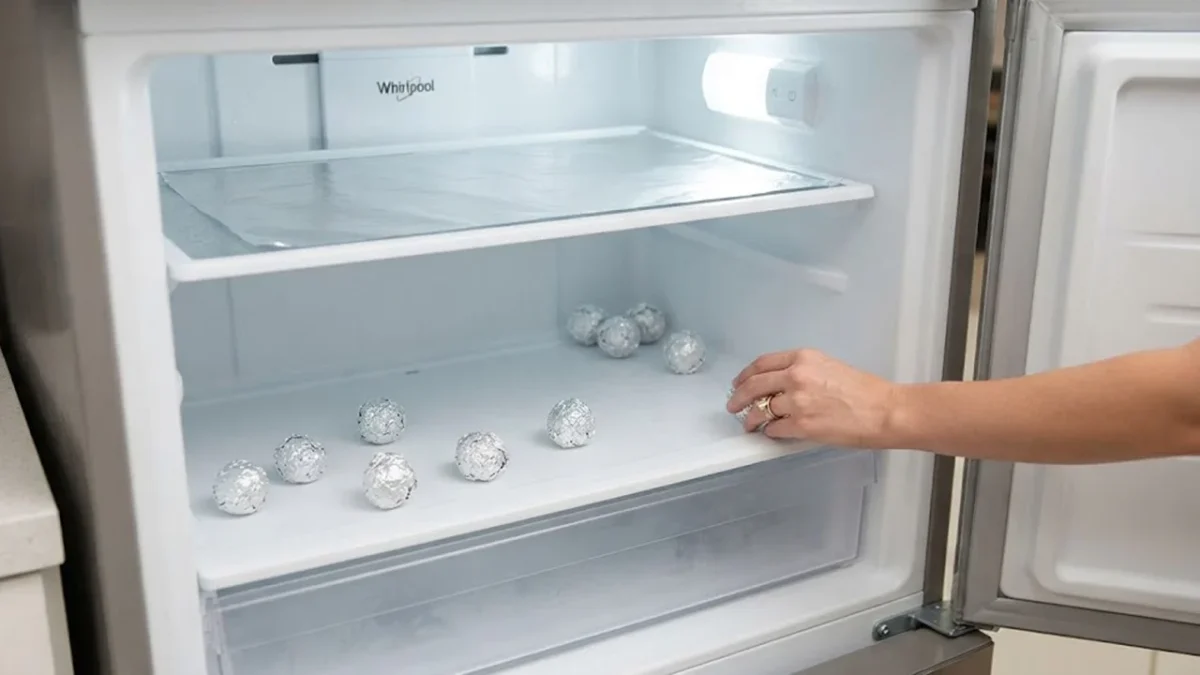
Tossing crumpled balls or clean sheets of aluminum foil into your freezer will not magically stop frost from forming, but it does make removing stubborn ice layers remarkably effortless. Rather than hacking away at frozen walls, homeowners use the foil as a removable barrier so built-up ice lifts right out during maintenance.
Freezer frost starts as a fine glaze, but left unchecked, it creeps across interior walls, binds drawers shut, and steals precious storage space. Once thick slabs take over, a messy manual defrost becomes unavoidable.
That reality has fueled a viral cleaning trick that sounds bizarre at first glance: rolling kitchen foil into small balls or lining shelves with flat sheets. While the technique has taken social media by storm, understanding what it actually does—and what it cannot do—saves major headaches down the line.
How the Aluminum Foil Freezer Hack Actually Works
The logic behind the viral trend is purely mechanical convenience rather than thermal insulation. Lining the base of a compartment with a sheet of foil creates a temporary tray underneath accumulating frost.
When defrost day arrives, the sheet releases from the plastic walls far faster than solid ice would. You simply lift out the foil along with the collected frost sitting on top of it, catching the runoff in one clean motion.
Many people also roll loose balls of foil and tuck them into the corners where ice tends to gather heaviest. While social media users frequently report success with foil balls, the physical sheet provides the most reliable surface for quick cleanup.
The benefit of using aluminum foil inside a freezer is practical rather than thermal: it provides a removable surface that lifts ice away during cleaning.
The Science: Busting the Freezer Insulation Myth
Online discussions often claim that aluminum foil acts as an insulator that blocks frost from developing in the first place. That claim is completely false.
Aluminum is an exceptional thermal conductor, meaning it absorbs and transfers cold temperatures almost instantly. It cannot repel frost or lower internal moisture levels on its own.
Frost is caused exclusively by ambient humidity entering the freezer and condensing onto the coldest available surfaces. Every time you open the appliance door, warm air rushes in, freezes, and builds another microscopic layer of ice.
| Freezer Foil Expectation | Documented Reality |
|---|---|
| Stops ice from forming | Does not prevent frost accumulation |
| Acts as a thermal barrier | Conducts freezing temperatures rapidly |
| Traps ambient humidity | Moisture still settles on all cold surfaces |
| Simplifies ice cleanup | Allows frozen sheets to lift out easily |
How to Correctly Set Up Foil in Your Freezer
To try this method safely, you must prepare the appliance properly before laying down any metal. Placing foil over existing ice sheets will only trap more frost beneath it.
- Start clean: Completely defrost and dry the interior of the freezer so no moisture remains on the walls.
- Measure compartments: Cut a sheet of standard aluminum foil to fit the floor of the compartment or slide-out drawer.
- Protect airflow: Lay the sheet flat, making sure it never blocks air vents, drainage holes, or interior fan grilles.
- Optional corner placement: Roll a few small balls of foil and place them in far corners where drawers will not crush them.
Important Safety Precautions During Removal
If frost anchors the foil firmly to the freezer plastic, never yank it with force. Tearing frozen foil can leave sharp fragments embedded in ice or scratch the inner lining.
Never take a knife, flathead screwdriver, or ice pick to stubborn sheets. Puncturing the hidden cooling lines inside the freezer walls causes permanent appliance failure and costly refrigerant leaks.
Where Frost Really Comes From (And When to Defrost)
If you find yourself battling heavy ice buildup every few weeks, your freezer has a mechanical or habit-based moisture leak that foil cannot fix. Appliance manufacturer Whirlpool advises defrosting the unit once frost accumulation reaches roughly six millimeters (about a quarter of an inch) thick.
Whirlpool also specifically warns against using external heat sources, such as hair dryers, or sharp knives to speed up the melting process, as sudden heat can warp the plastic interior.
To stop recurring frost at the source, inspect these common culprits:
- Worn door gaskets: A cracked or loose rubber seal lets warm room air continuously seep inside.
- Frequent door openings: Leaving the door open while browsing allows large volumes of humid air to enter.
- Warm leftovers: Storing steaming food items introduces instant condensation that turns directly into ice.
- Unsealed containers: Open bags or loosely lidded tubs release food moisture straight into the cabinet.
💬 Have you tested this aluminum foil trick in your own freezer? Let us know how it worked for your routine.
✨ Taking a few minutes to check your door seals and line high-frost spots can cut your next appliance cleaning session in half.
📱 Share this practical kitchen guide with someone tackling home chores this weekend!
 1
 2
 3
 4
