
Why Planting Before Winter Actually Supercharges Your Garden: 14 Cold-Hardy Perennials, Bulbs, and Crops to Plant in Late Fall

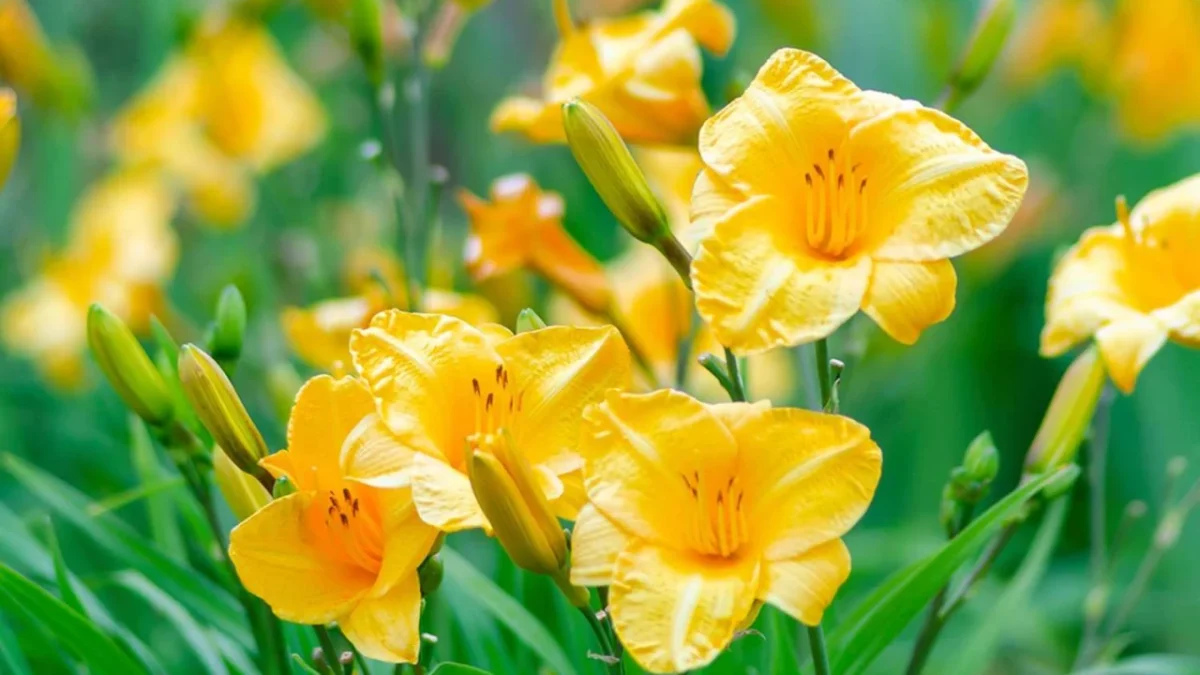
Late fall is not the end of the growing season—it is actually the secret window to establishing explosive root growth before spring arrives. As long as ground temperatures remain above 40°F, cold-hardy perennials continuously develop extensive underground root systems throughout late autumn and into early winter.
Many gardeners pack up their trowels after the first light frost hits, mistakenly believing that freezing morning air signals the end of planting. In reality, soil holds warmth far longer than the surrounding air. In regions with milder late autumns, like the American South, those initial frosts are regularly followed by weeks of temperate weather, creating prime ground conditions for planting cold-hardy perennials, spring bulbs, and cold-stratified seeds.
A widespread misconception is that plant activity halts at the first frost. Above-ground growth pauses, but as long as soil temperatures stay above 40°F, root systems expand vigorously without competing against scorching summer heat.
Timing your late-season work requires matching the plant type to the exact stage of the seasonal shift.
| Plant Category | Late Fall Timing & Ground Strategy |
|---|---|
| Cold-Hardy Perennials | Plant while soil stays above 40°F to spur root growth before deep freezes. |
| Spring-Flowering Bulbs | Bury after the first hard freeze arrives to prevent premature top sprouting. |
| Wildflower Seeds | Sow directly after hard freezing to fulfill natural cold stratification requirements. |
| Bare-Root Vegetables | Tuck dormant crowns into rich beds anytime between November and March. |
Essential Rules for Protecting Late-Season Plantings
Giving late-season additions a running start requires minimal effort, but a few precise steps make the difference between thriving crowns and winter rot.
- Layer organic mulch around the base of new plantings and transplants to lock in moisture and regulate volatile soil temperature swings.
- Soak roots deeply before the ground faces severe freezing weather, and monitor moisture levels throughout winter dry spells.
- Leave top growth intact instead of cutting back dying foliage, as lingering stems insulate sensitive plant crowns and return vital nutrients to the root zone.
When to Prune Back Lingering Stems
Wait until early spring before pruning dead stalks. Premature trimming exposes the crown to direct frost damage and strips away a natural wind barrier that shelters young root balls.
1. Crazy Pink™ Echinacea
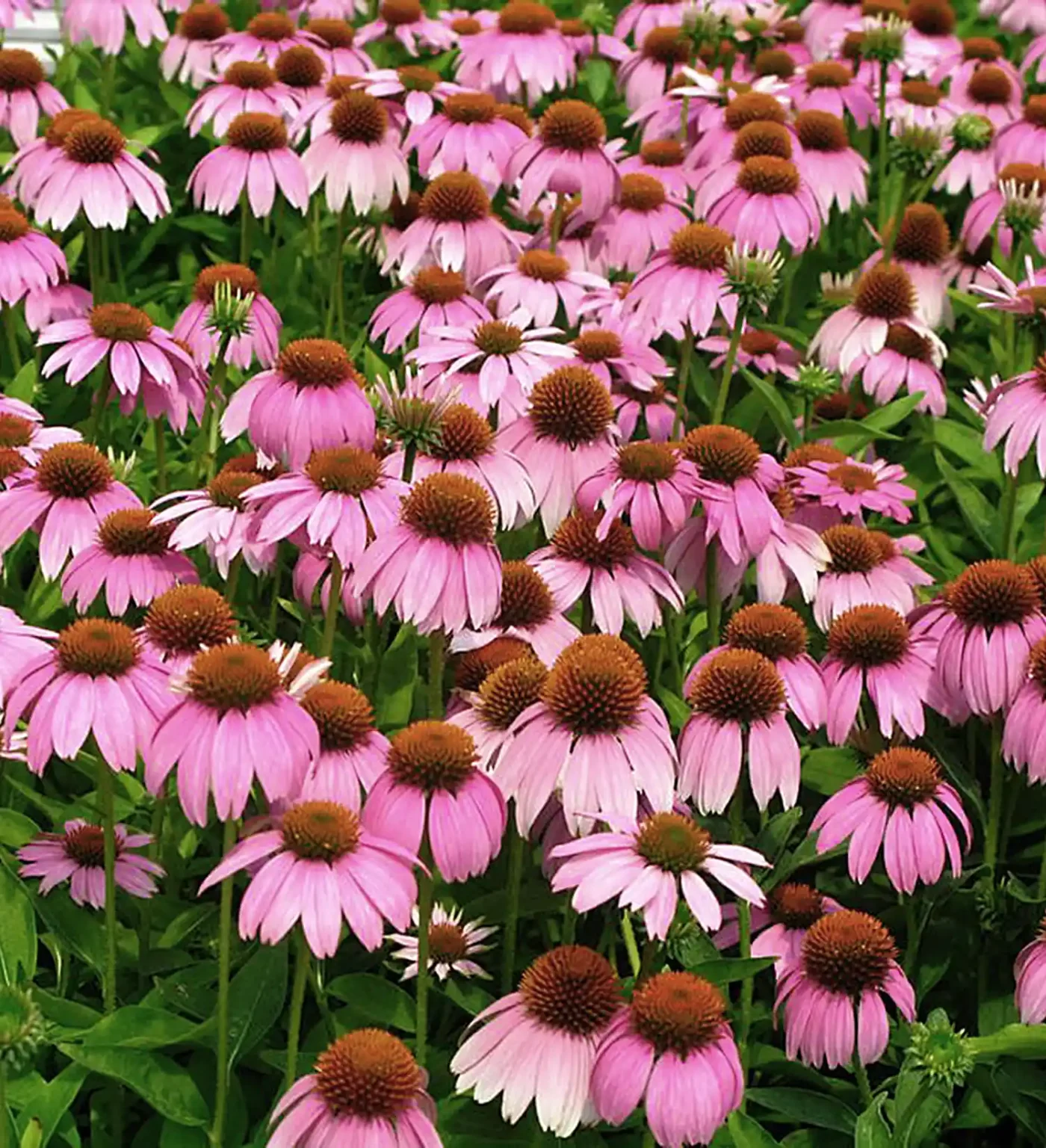
Crazy Pink Echinacea hybrid in full bloom.
- Botanical Name: Echinacea hybrid ‘Adam Saul’
- Sun Exposure: Full sun to part shade
- Soil Type: Medium to dry, well-draining, average fertility
- Soil pH: Slightly acidic to neutral (5.5-7.0)
- USDA Hardiness Zones: 4 to 9
This heavy-blooming coneflower produces upwards of 100 rose-pink blossoms on mature clumps, creating a haven for foraging pollinators. The tough perennial handles heavy clay soil, stands up to grazing deer, and yields long-lasting cut flowers.
2. Beyond Blue™ Fescue
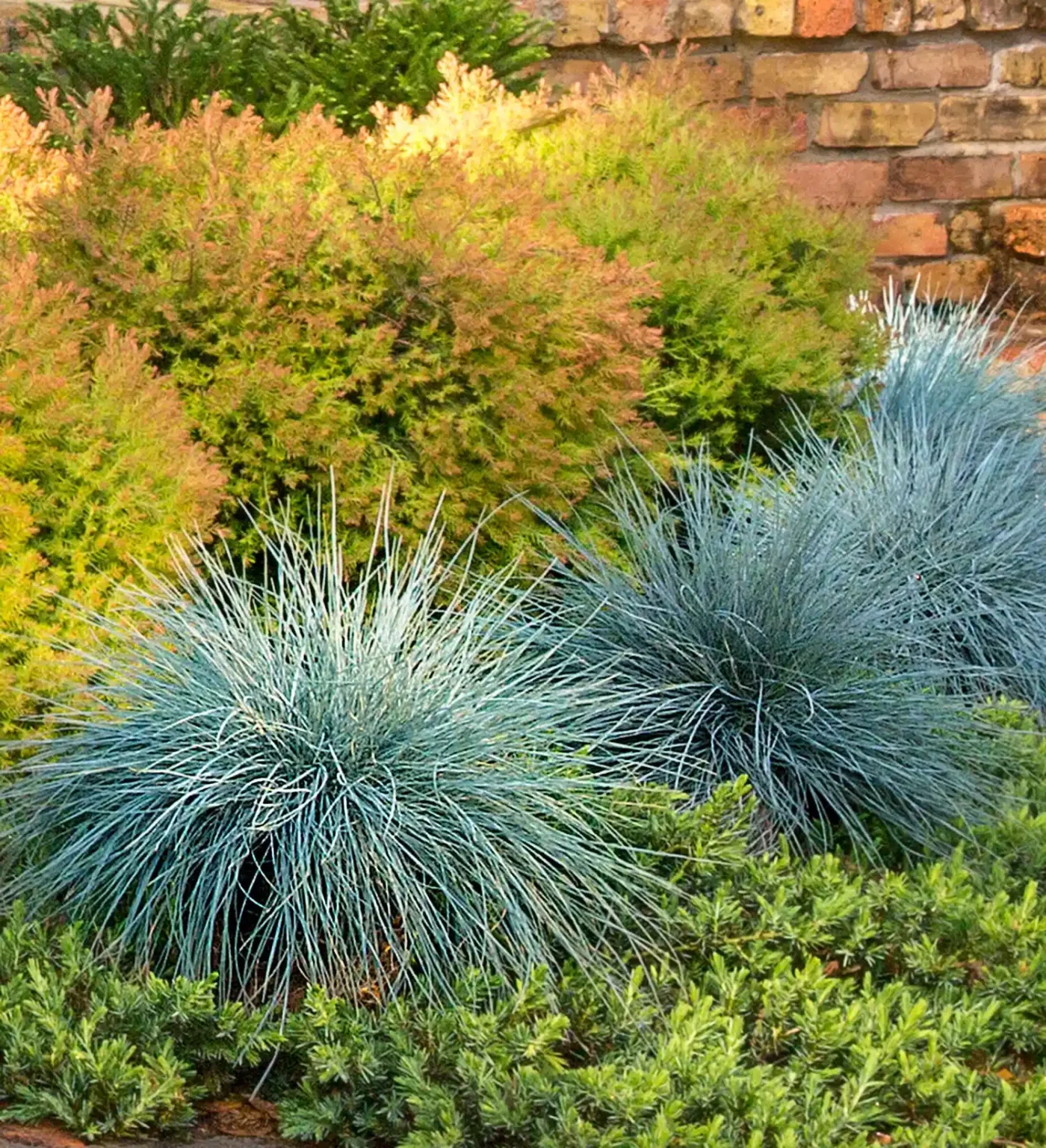
Beyond Blue Fescue foliage in a landscape setting.
- Botanical Name: Festuca glauca ‘Casca11’
- Sun Exposure: Full sun
- Soil Type: Average, dry to medium, well-draining
- Soil pH: Slightly acidic to neutral (6.0-7.5)
- USDA Hardiness Zones: 4 to 8
Slender, vivid silver-blue blades form compact ornamental mounds that stay colorful all year. This grass tolerates rocky earth, urban heat, drought, and even the toxic juglone produced by black walnut roots.
3. Scent First® Coconut Surprise Dianthus
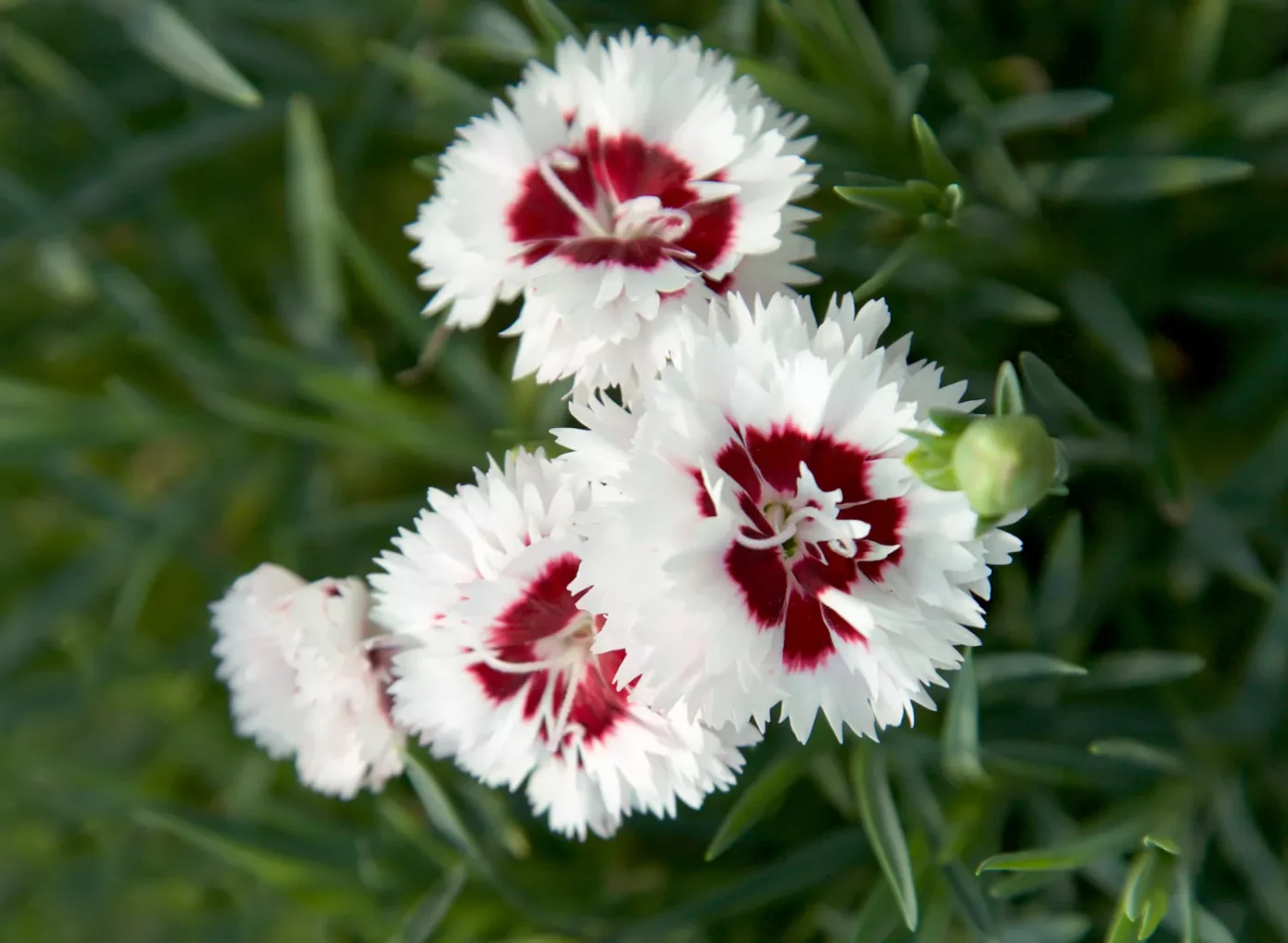
Close-up of Scent First Coconut Surprise Dianthus flowers.
- Botanical Name: Dianthus hybrid ‘WP05 Yves’
- Sun Exposure: Full sun to part shade
- Soil Type: Rich, medium, well-draining
- Soil pH: Slightly acidic to slightly alkaline (6.0-8.0)
- USDA Hardiness Zones: 5 to 9
Fragrant double white flowers feature rich burgundy centers that emit a sweet clove scent throughout borders and walkways. Blue-green foliage remains evergreen through cold snaps, repeating blooms from summer straight into autumn.
4. Evergreen Stella® Daylily
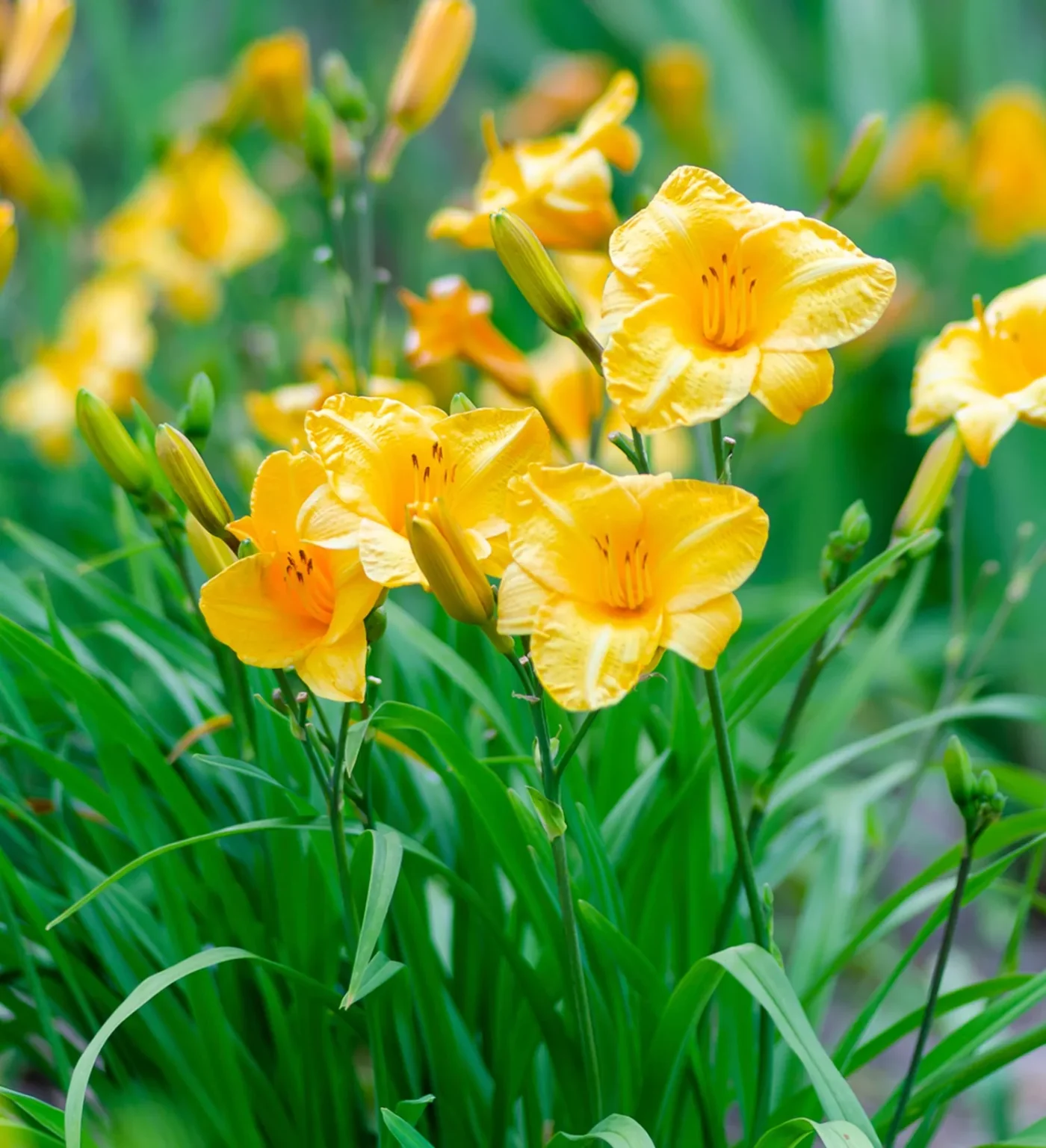
Growth habit of the Evergreen Stella Daylily.
- Botanical Name: Hemerocallis hybrid ‘TG08’
- Sun Exposure: Full sun
- Soil Type: Average, medium, well-draining
- Soil pH: Slightly acidic to neutral (6.0-7.0)
- USDA Hardiness Zones: 4 to 10
Carrying the dependable reblooming habit of classic Stella de Oro daylilies, this variety keeps its vibrant green leaves upright all winter long. Trumpet-shaped golden flowers open continuously through summer and fall without requiring deadheading.
5. Golden Spider Lily
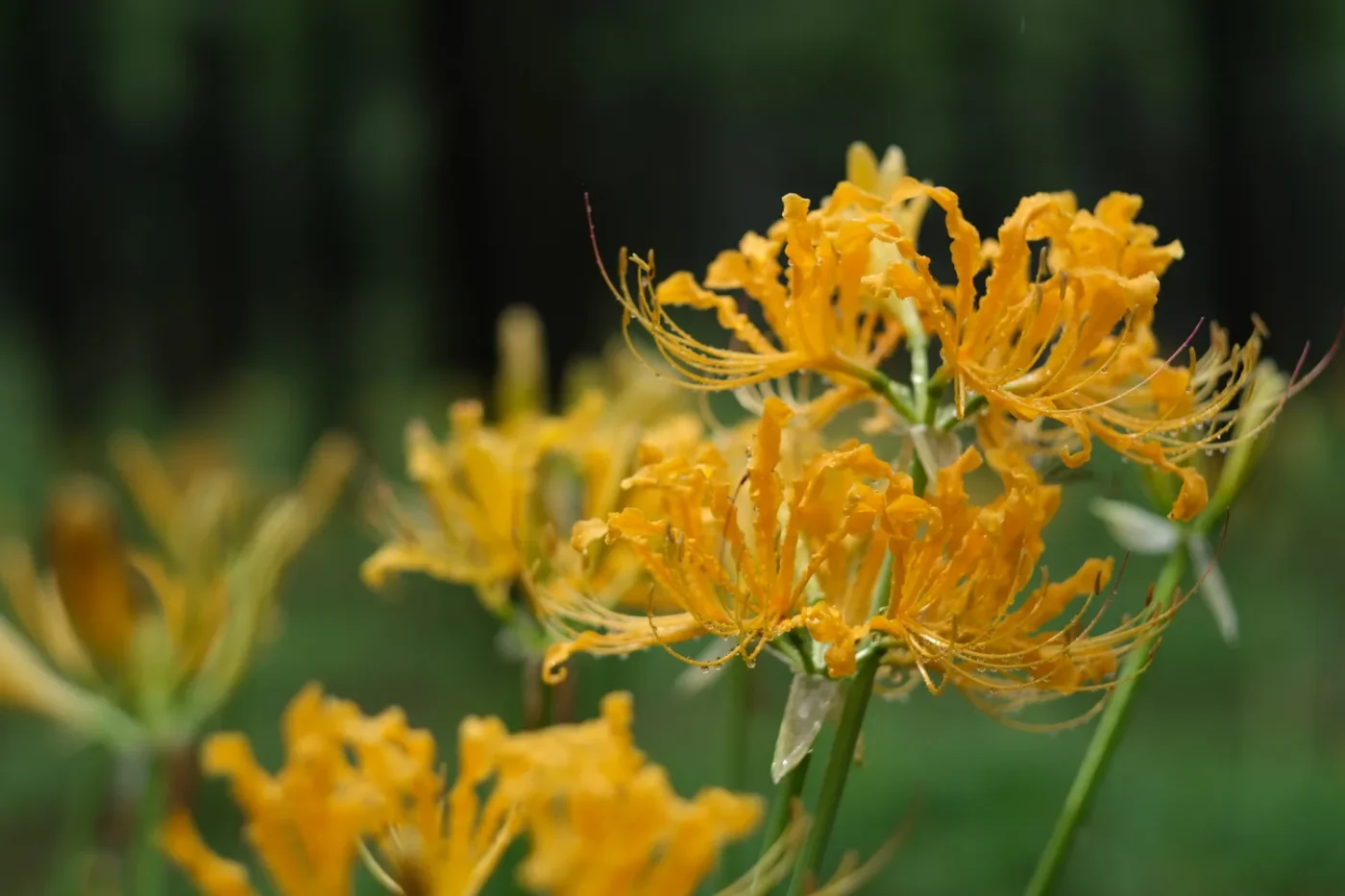
Golden spider lily flowering on a leafless stem.
- Botanical Name: Lycoris aurea
- Sun Exposure: Full sun to part shade
- Soil Type: Average, medium, well-draining
- Soil pH: Neutral to slightly alkaline (7.0-8.0)
- USDA Hardiness Zones: 7 to 10
Golden spider lilies burst forth on leafless stems in late summer, but their bulbs need late-fall planting to establish properly. Strappy foliage appears after blooming finishes and lingers through spring before the bulb enters summer dormancy.
6. Asparagus
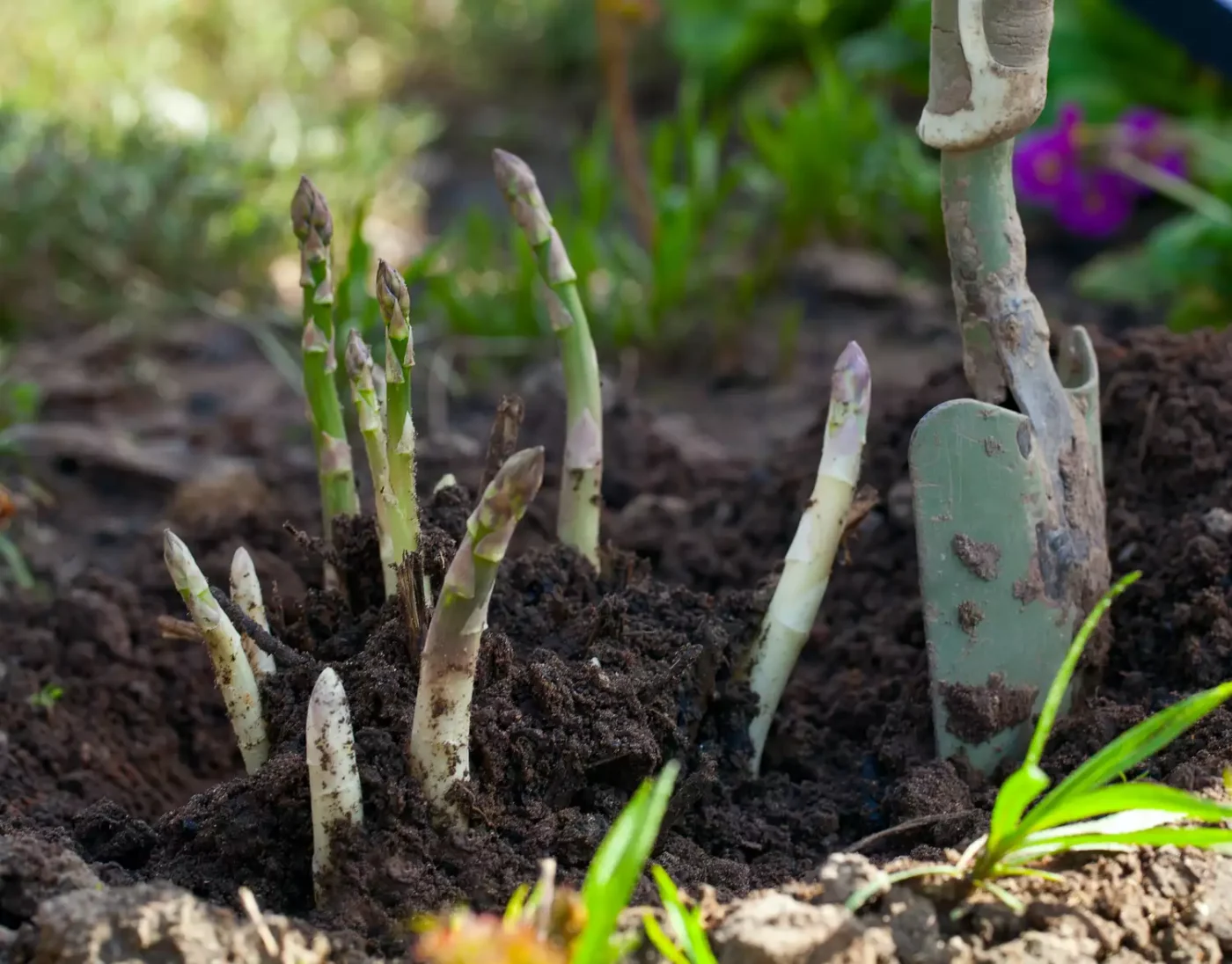
Young asparagus spears emerging from the soil.
- Botanical Name: Asparagus officinalis
- Sun Exposure: Full sun
- Soil Type: Rich, moist, well-draining
- Soil pH: Slightly acidic to slightly alkaline (6.0-8.0)
- USDA Hardiness Zones: 2 to 10
This perennial vegetable is planted as dormant, bare-root crowns anywhere from November through March. Because crowns resent being disturbed once settled, choose a permanent location and wait until the second year before harvesting tender spears.
7. Summer Phlox
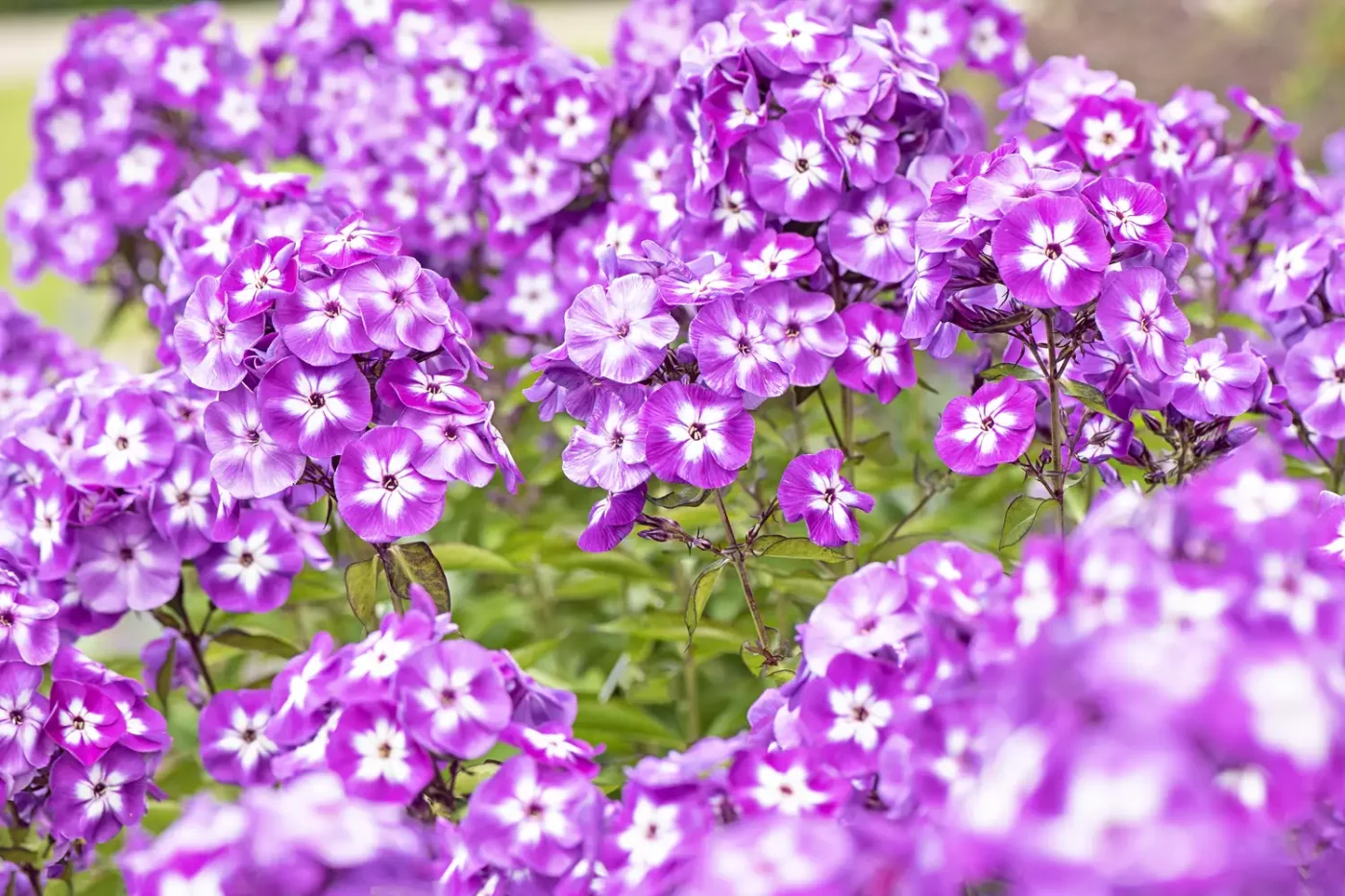
Clusters of Summer Phlox blooming in a garden border.
- Botanical Name: Phlox paniculata
- Sun Exposure: Full sun to part shade
- Soil Type: Average, medium, well-draining
- Soil pH: Slightly acidic to slightly alkaline (6.0-8.0)
- USDA Plant Hardiness Zone: 4 to 8
Standing two to four feet tall, garden phlox produces dense summer flower clusters in pink, purple, blue, white, and red. They tolerate black walnut juglone well, though ground-level drip watering is necessary to prevent powdery mildew.
8. Daffodil
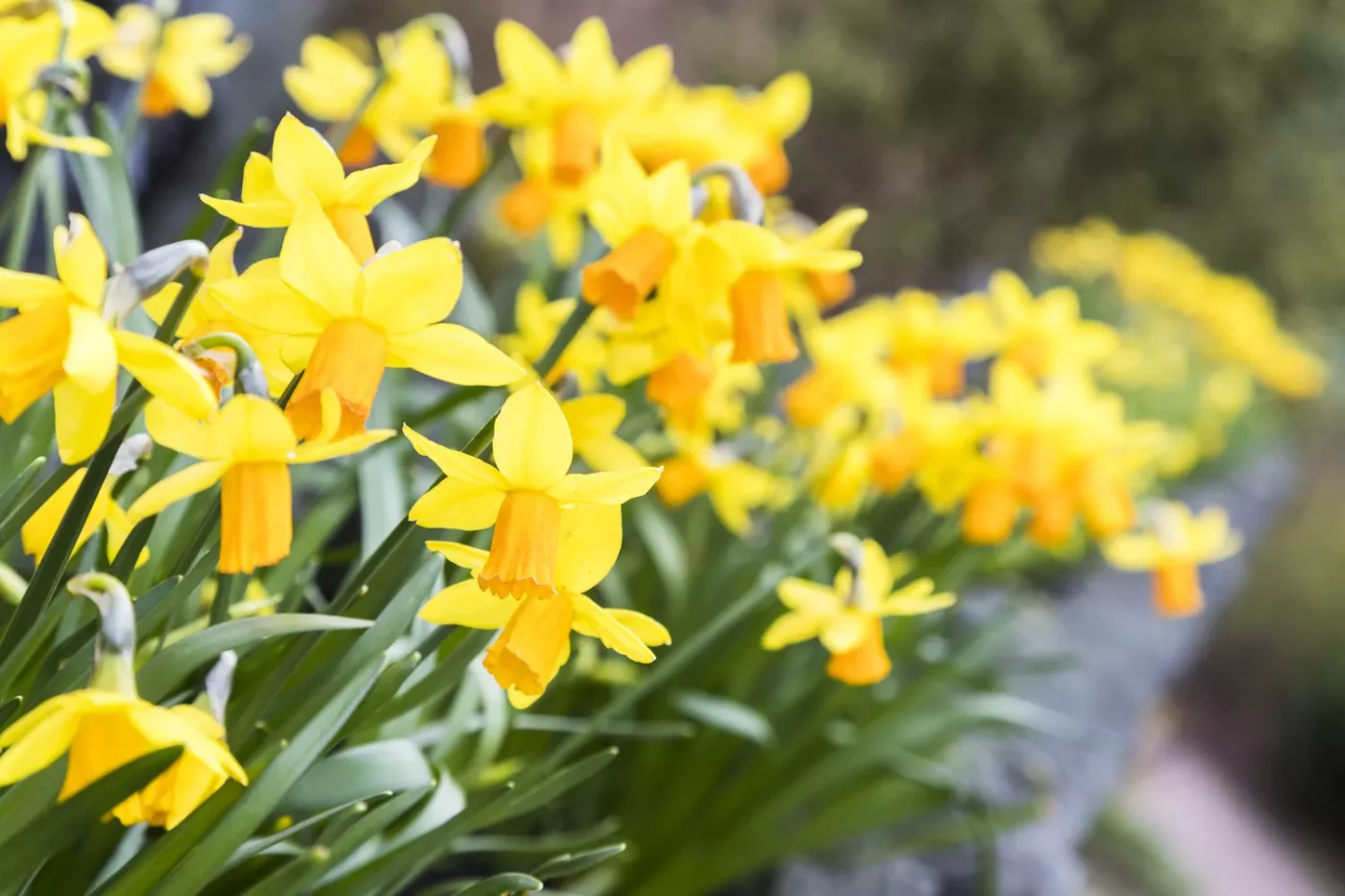
Bright yellow daffodil flowers in springtime.
- Botanical Name: Narcissus species and hybrids
- Sun Exposure: Full sun to part shade
- Soil Type: Average, well-draining
- Soil pH: Slightly acidic to neutral (6.0-7.0)
- USDA Plant Hardiness Zone: 4 to 8
Daffodils multiply into broader clusters year after year while naturally turning away deer and rabbits. Plant bulbs after the first hard freeze of the season to ensure spring displays of yellow, white, cream, and gold cups.
9. Lanceleaf Coreopsis
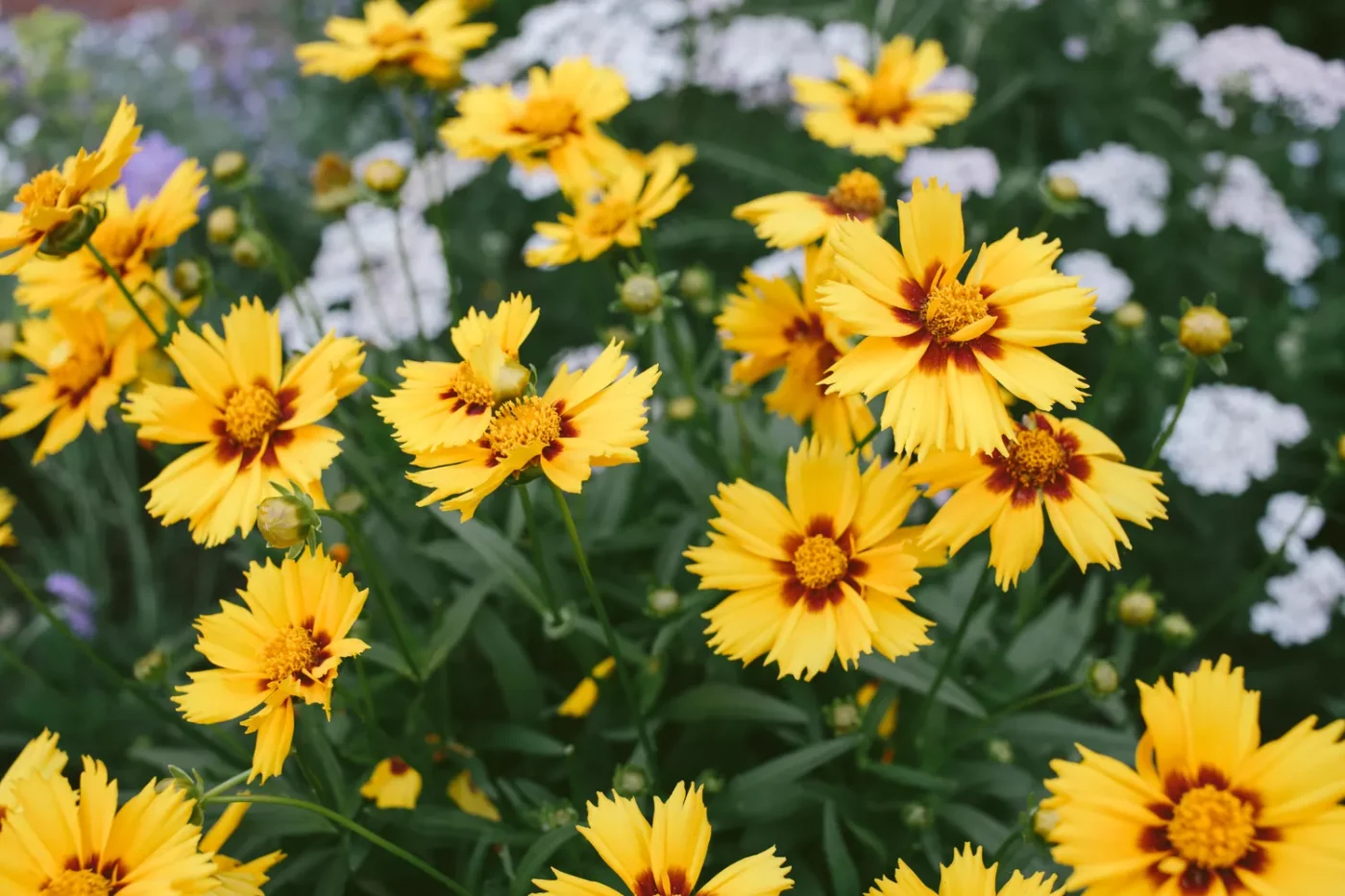
Lanceleaf coreopsis blooming in summer heat.
- Botanical Name: Coreopsis lanceolata
- Sun Exposure: Full sun
- Soil Type: Dry to medium, well-draining
- Soil pH: Slightly acidic (5.5-6.5)
- USDA Hardiness Zones: 4 to 9
Also known as tickseed, this drought-tolerant native thrives in poor, sandy soil, heat, and coastal winds. Broadcast the seeds directly onto garden beds in late autumn, as the seeds require weeks of cold stratification to break dormancy.
10. Allium
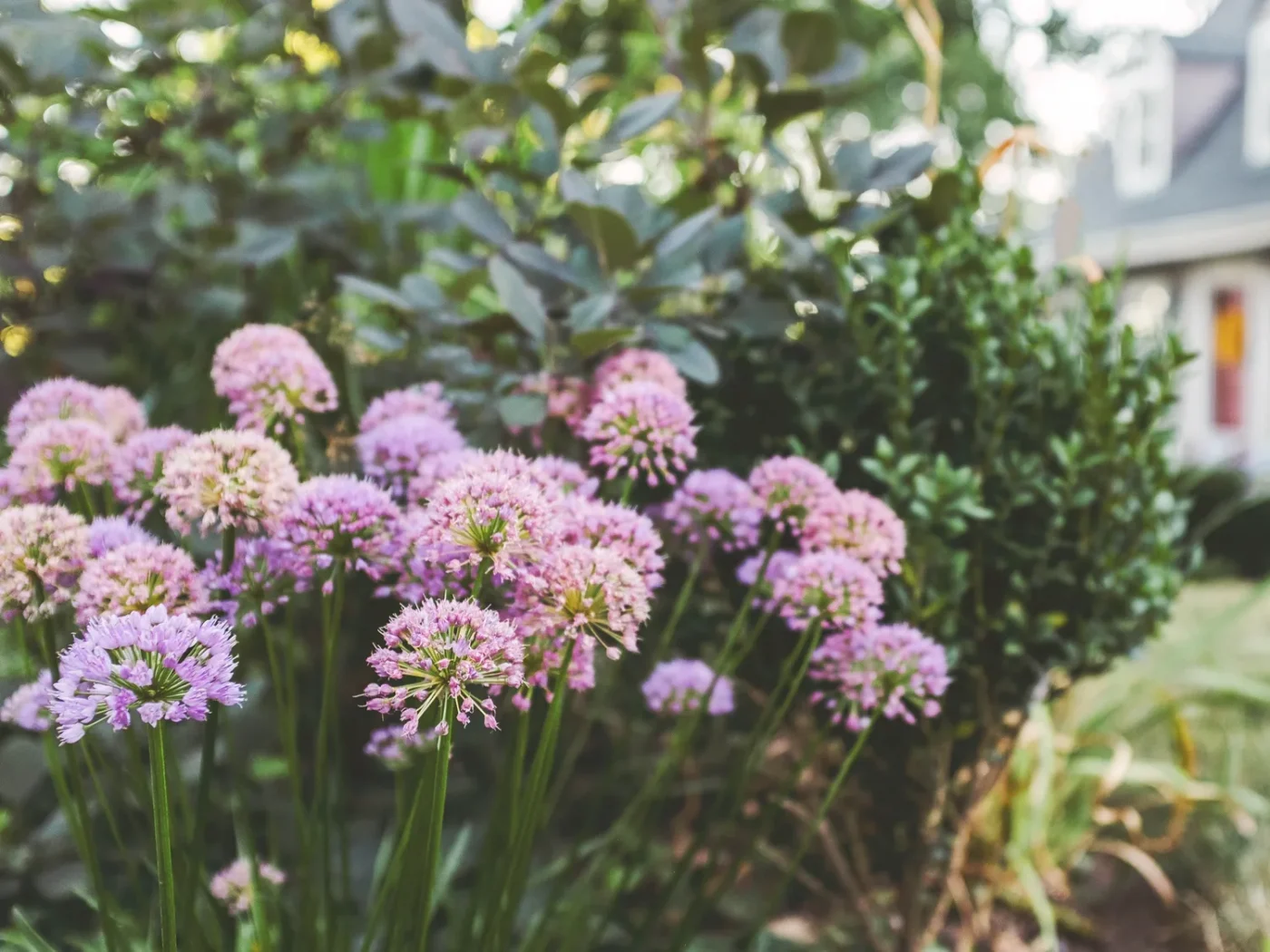
Globular purple blooms of ornamental alliums.
- Botanical Name: Allium species and hybrids
- Sun Exposure: Full sun to part shade
- Soil Type: Average to rich, dry to medium, well-draining
- Soil pH: Slightly acidic (5.5-6.5)
- USDA Plant Hardiness Zone: 4 to 9
Ornamental onions rise on strong single stems, topping off with geometric flower spheres in purple, blue, pink, or white. Planting bulbs in autumn guarantees late-spring architectural drama that naturally deters foraging wildlife.
11. Wild Hyacinth
- Botanical Name: Camassia scilloides
- Sun Exposure: Full sun to part shade
- Soil Type: Rich, moist, well-draining
- Soil pH: Acidic to neutral (5.0-7.2)
- USDA Plant Hardiness Zone: 4 to 8
Native wild hyacinth produces tall spires packed with star-shaped blooms in soft blue, pink, or white. Bulbs should be tucked into moist soil beds in late autumn to support native bees and butterflies when flowers open.
12. Yarrow
- Botanical Name: Achillea spp. and cultivars
- Sun Exposure: Full sun
- Soil Type: Lean, dry to medium, well-draining
- Soil pH: Acidic (5.5-6.8)
- USDA Hardiness Zones: 3 to 9
Yarrow is a resilient perennial featuring fern-like, aromatic leaves that remain evergreen across moderate winter zones. Broad flower heads in red, yellow, pink, or white shrug off summer humidity and resist hungry rabbits.
13. Milkweed
- Botanical Name: Asclepias spp.
- Sun Exposure: Full sun to part shade
- Soil Type: Average to rich, medium to moist, well-draining
- Soil pH: Acidic to neutral (5.5-7.5)
- USDA Hardiness Zones: 3 to 9
Milkweeds serve as the exclusive host plants for Monarch and Queen butterfly larvae while offering nectar to visiting hummingbirds. Late fall is ideal for planting bare roots or scattering seeds, which rely on freezing ground cycles to trigger spring sprouting.
14. Mexican Hat
- Botanical Name: Ratibida columnifera
- Sun Exposure: Full sun
- Soil Type: Average, dry to medium, well-draining
- Soil pH: Slightly acidic to neutral (6.0-7.5)
- USDA Hardiness Zones: 4 to 9
Sowing Mexican hat in late autumn prepares the plant for mid-summer blooms when most neighboring perennials slow down. While flowers emerge in the second season from seed, mature plantings self-sow freely to provide continuous summer color.
💬 Getting your garden bed prepped before winter gives perennials months to root without summer stress.
✨ Take advantage of mild late-season days to get cold-hardy varieties into the ground.
📱 What cold-hardy perennials are you adding to your beds this season? Drop your thoughts in the comments below!
 1
 2
 3
 4
