
Halloween Fireballs Are Lighting Up the Night Sky: How to Spot the Rare Taurid Meteors

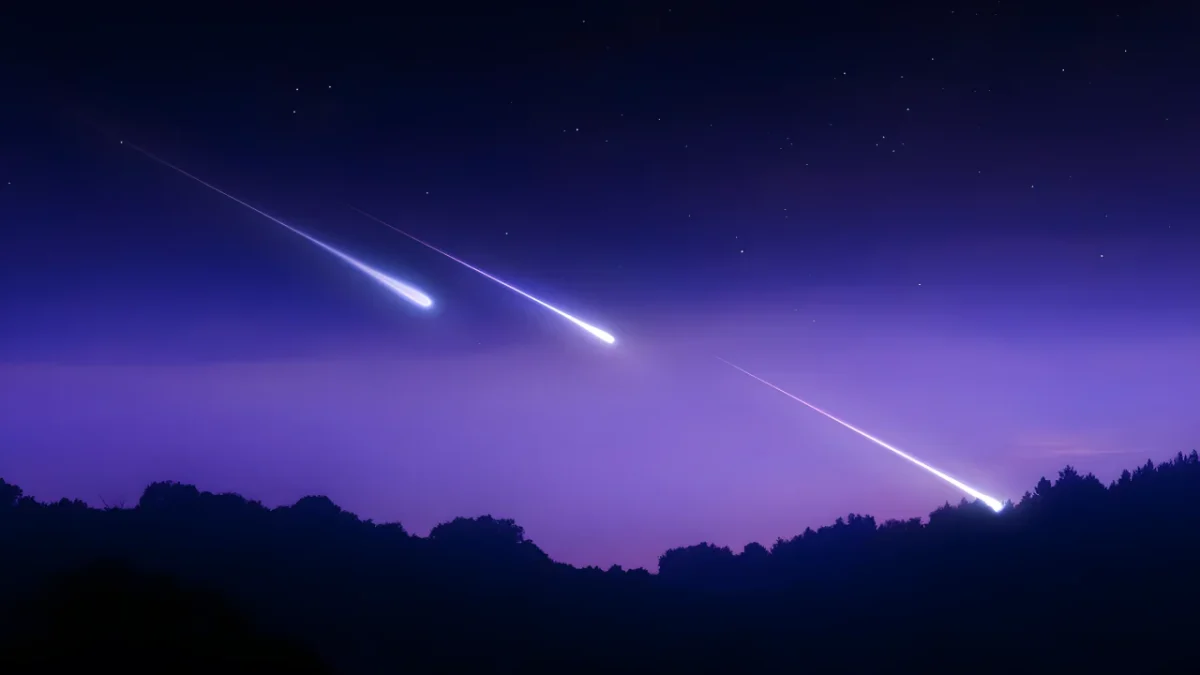
The night sky is offering up a striking seasonal spectacle known as the Halloween Fireballs, an unusual display of exceptionally bright, slow-moving meteors cutting through the darkness. Unlike standard meteor showers that deliver dozens of faint shooting stars an hour, this autumn event features dramatic fireballs that can glow in shades of yellow, orange, green, red, and blue.
These brilliant celestial flares come courtesy of the twin Southern Taurids and Northern Taurids, two overlapping debris streams that reach peak visual interest right around late October and early November. While the hourly rates remain modest at roughly 5 meteors per hour under ideal skies, the sheer size of the burning space debris makes each sighting unforgettable.
Catching one does not require expensive astronomy gear or a massive telescope. With the right timing, dark conditions, and basic sky awareness, anyone can spot a glowing fragment blazing through the atmosphere this season.
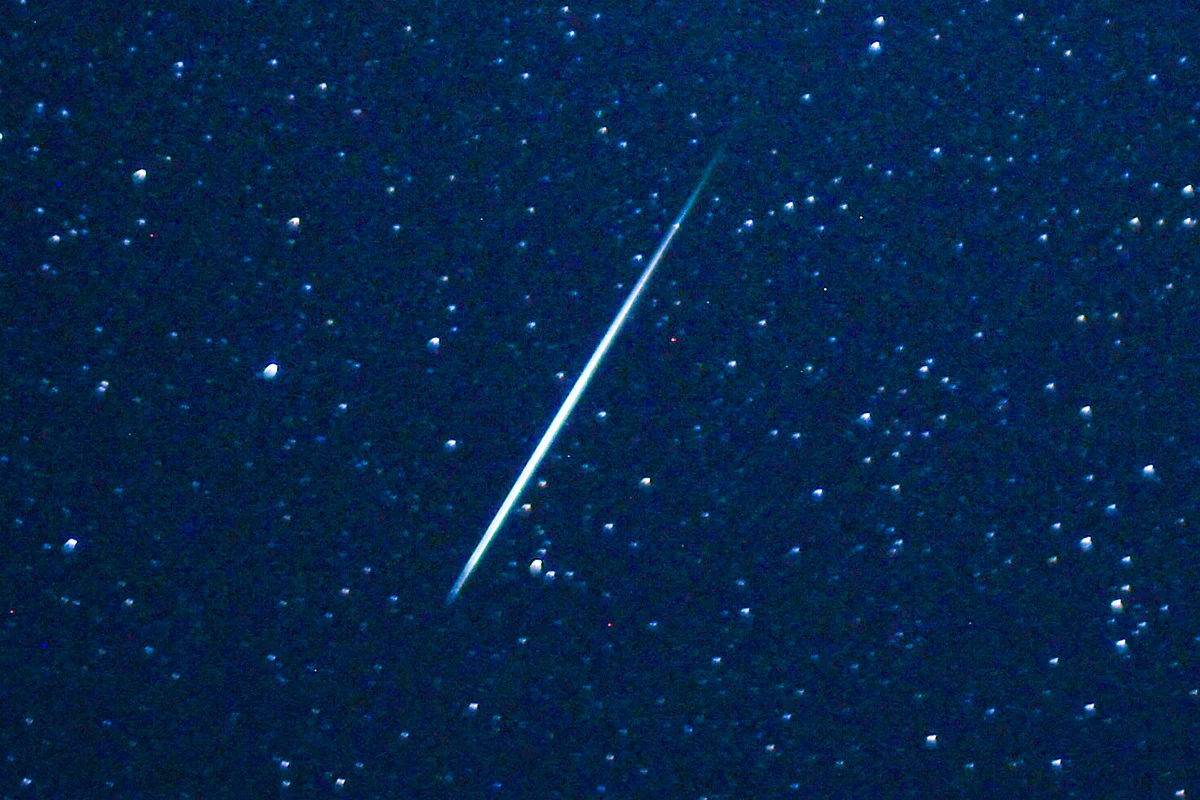
A meteor streaks across the atmosphere.
What Actually Causes a Halloween Fireball?
Meteor showers occur whenever Earth plows directly through orbital debris left behind by a passing comet or asteroid. As these cosmic travelers orbit the Sun, they shed trails of tiny dust grains, pebbles, and rock fragments along their paths.
When Earth crosses these debris clouds, the particles collide with our upper atmosphere at extreme speeds. Atmospheric friction superheats each particle until it vaporizes, creating the rapid streak of light known as a meteor.
A true fireball happens when an unusually large piece of debris enters the atmosphere. Instead of a blink-and-you-miss-it streak, a fireball creates an intense, lingering flash that easily outshines normal stars and planets.
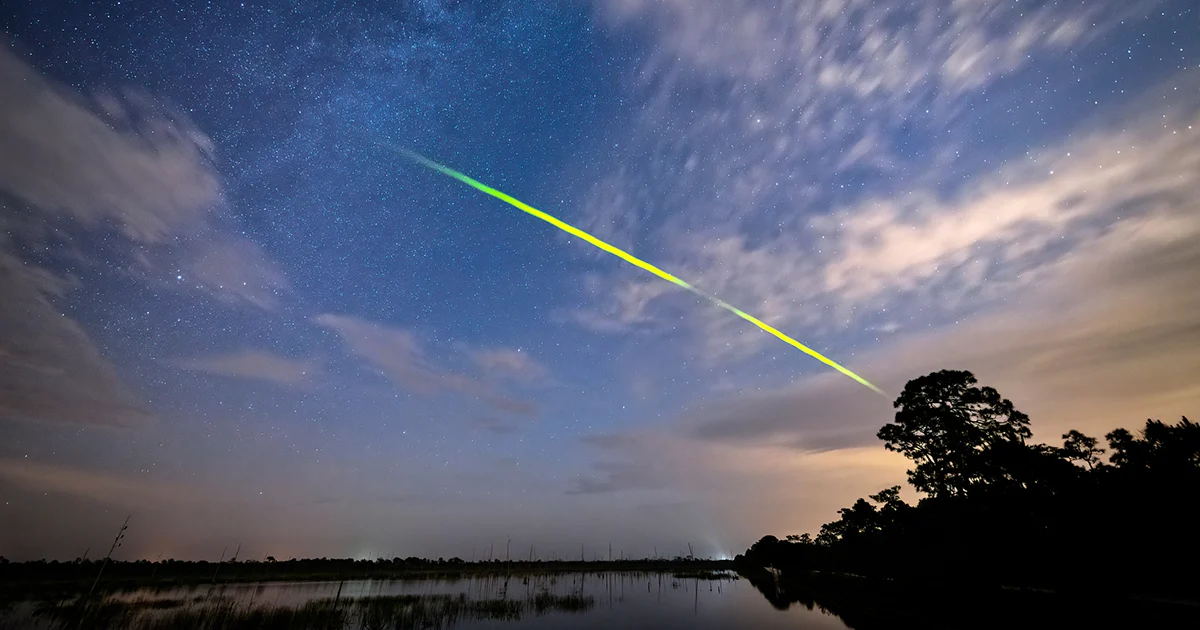
A colorful fireball meteor illuminating the dark sky.
The Science of the Taurid Meteor Streams
The Halloween Fireballs get their identity from the constellation Taurus, which serves as the apparent radiant from which the streaks emerge. However, this is not a single debris trail.
The display is generated by two distinct, overlapping streams: the Southern Taurids and the Northern Taurids. Both trails originate from comet 2P/Encke, a periodic comet that completes an orbit around the Sun roughly every 3.3 years.
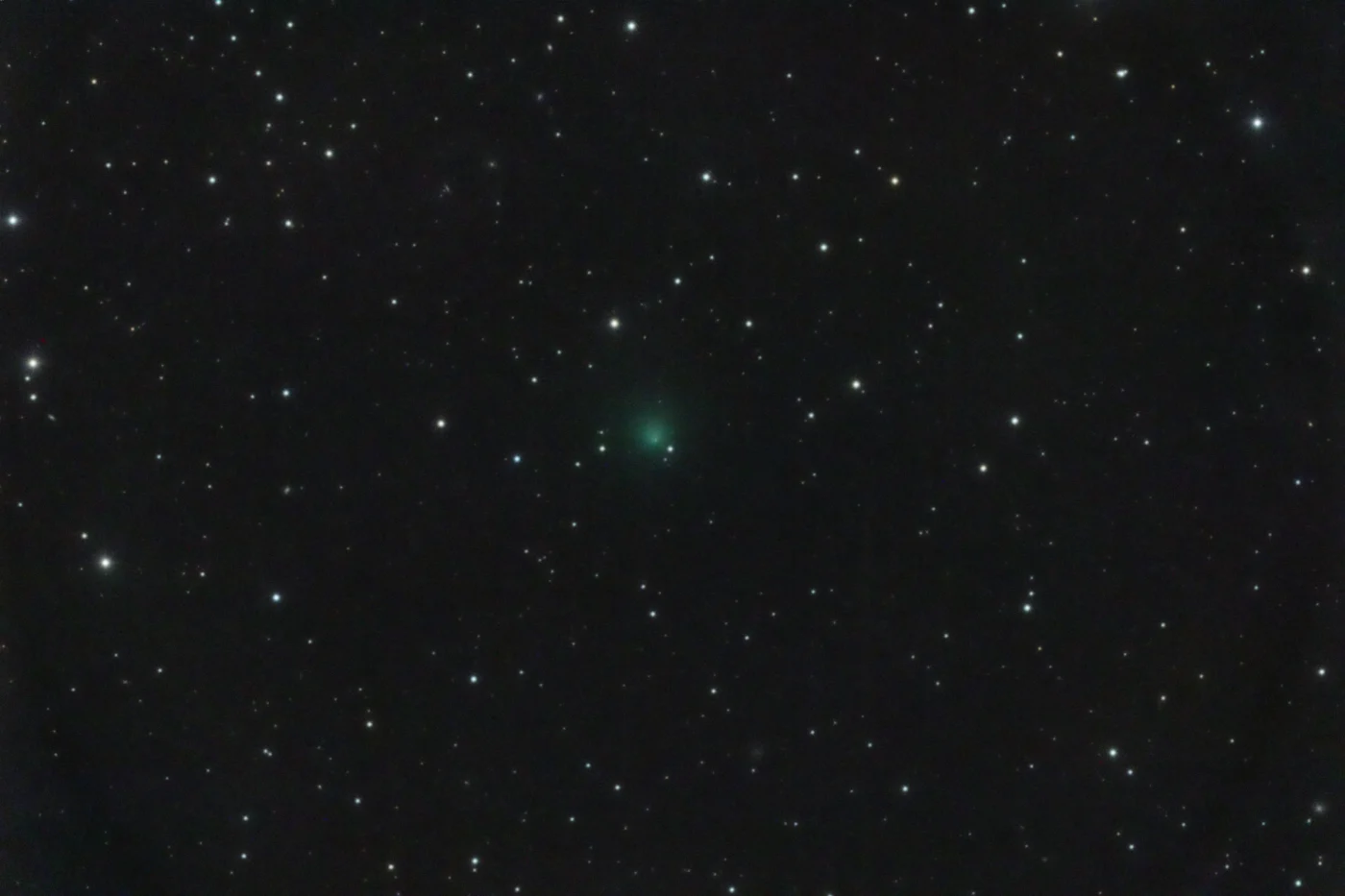
Comet 2P/Encke, the cosmic origin of the Taurid meteor streams.
Because the debris cloud produced by comet 2P/Encke is ancient, wide, and heavily dispersed, Earth spends months traveling through it. Instead of a brief, intense burst over a single night, skywatchers get a long window of activity stretching across autumn.
The debris particles from comet 2P/Encke tend to be significantly larger than average, creating slow-moving, luminous fireballs that outshine standard meteors.
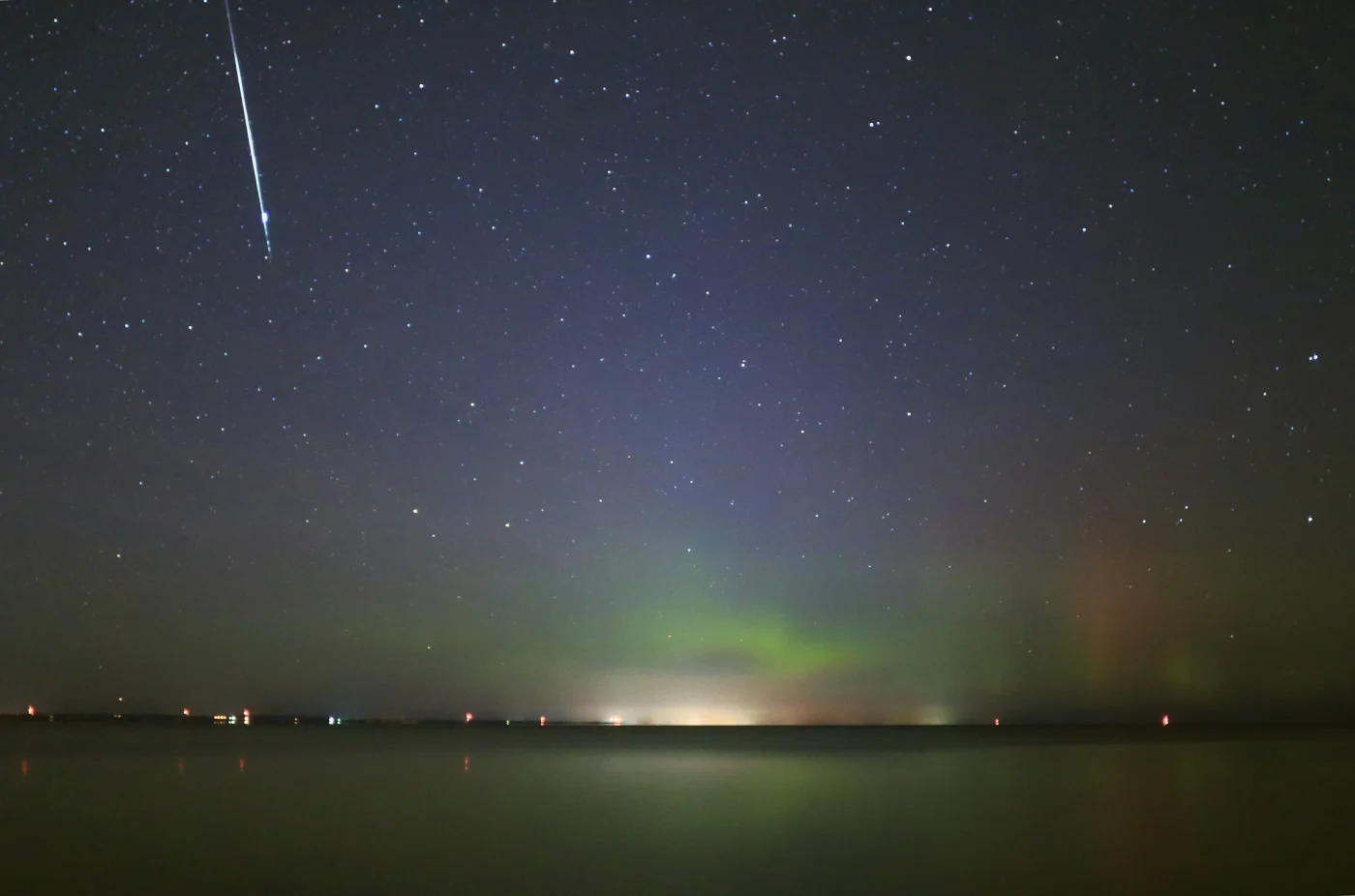
A Taurid meteor blazing through the night sky.
Comparing the Two Taurid Showers
Understanding how the Southern and Northern streams operate side by side helps set realistic expectations for your viewing session. The key metric frequently cited by astronomers is Zenithal Hourly Rate (ZHR).
A widespread misconception is that ZHR represents the exact number of shooting stars you will see each hour. In reality, ZHR is a theoretical calculation based on perfect conditions with zero light pollution and the radiant directly overhead.
| Meteor Stream | Activity & Peak Window |
|---|---|
| Southern Taurids | Mid-September through late November; overlapping peaks from mid-October into early November (ZHR ~5) |
| Northern Taurids | October 20 through December 10; peak activity window around November 12 (ZHR ~5) |
Because both streams overlap during late October and early November, skywatchers have an opportunity to spot activity from both branches on any clear night around Halloween.
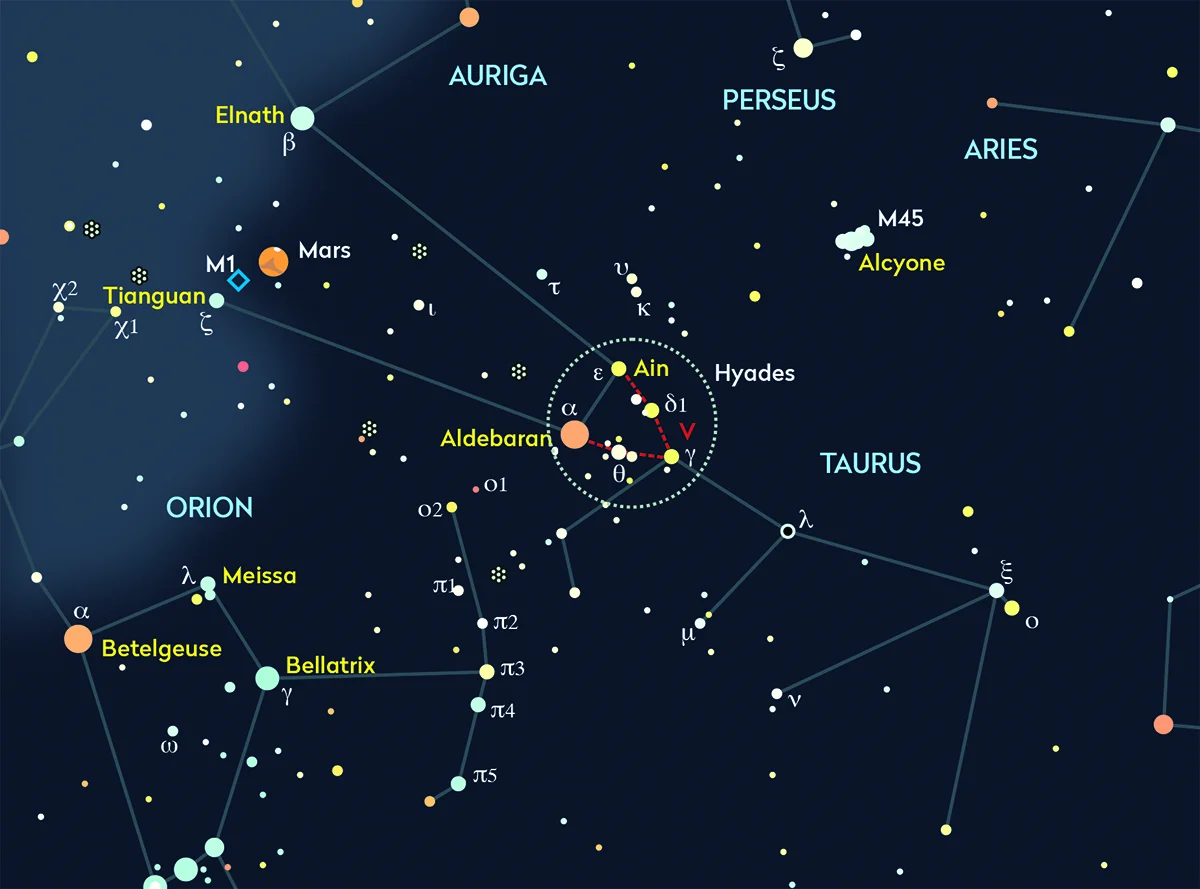
Star chart showing the constellation Taurus, the radiant for the Taurid meteor showers.
How to Locate Taurus in the Night Sky
You should never stare directly at the radiant point when hunting for meteors, as trails appear longer and more impressive when viewed slightly away from it. Locating Taurus remains valuable because tracing a fireball’s path back to this constellation confirms it is a genuine Taurid.
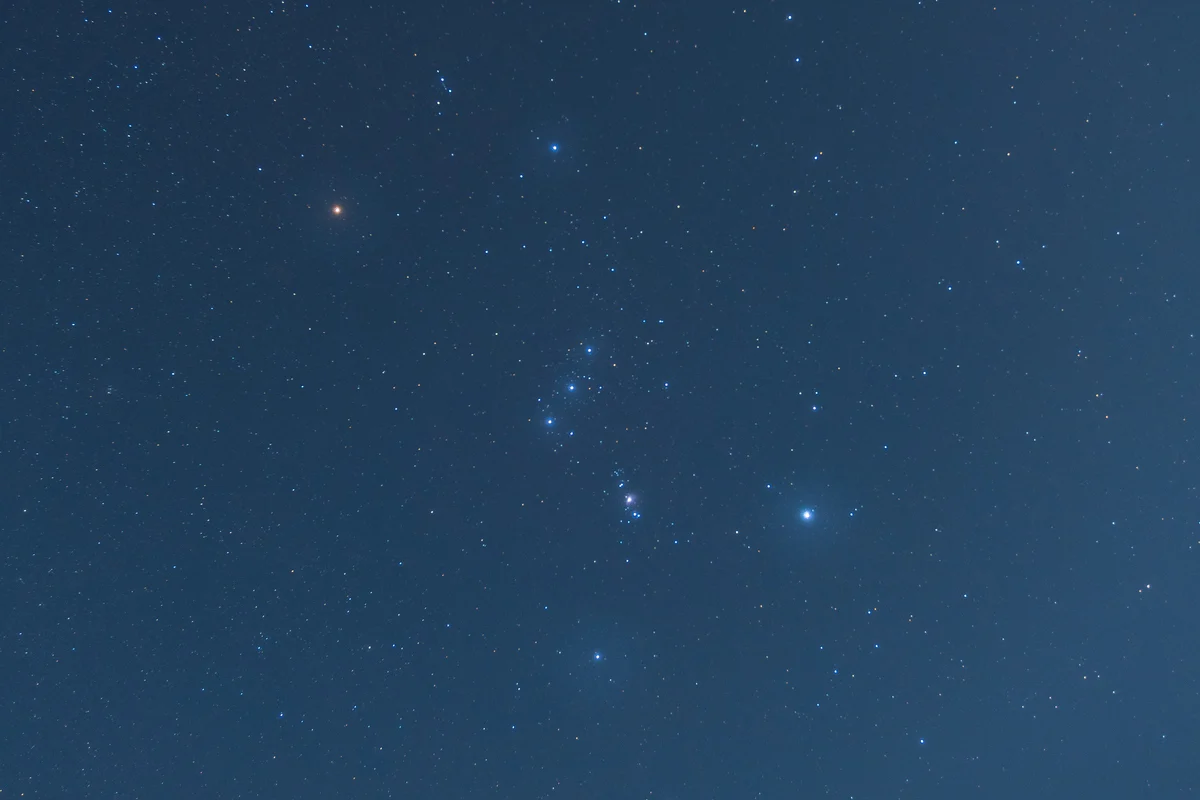
The constellation Orion serves as a celestial guidepost to locate Taurus.
Star-Hopping from Orion to the Bull
Finding Taurus takes just a few seconds if you use Orion the Hunter as your starting guidepost:
- Scan the eastern or southeastern horizon during mid-to-late evening to locate Orion.
- Find Orion’s Belt, composed of three prominent stars lined up in a straight row.
- Trace an imaginary line upward through the belt stars from left to right until you reach Aldebaran, the fiery reddish anchor star of Taurus.
- Notice the sideways V-shaped group of stars around Aldebaran, known as the Hyades open cluster.
- Extend that imaginary line slightly farther to spot the Pleiades, a distinct cluster resembling a tiny, hazy dipper.
The radiant points for both the Southern and Northern Taurids sit just below and to the right of the Pleiades star cluster.
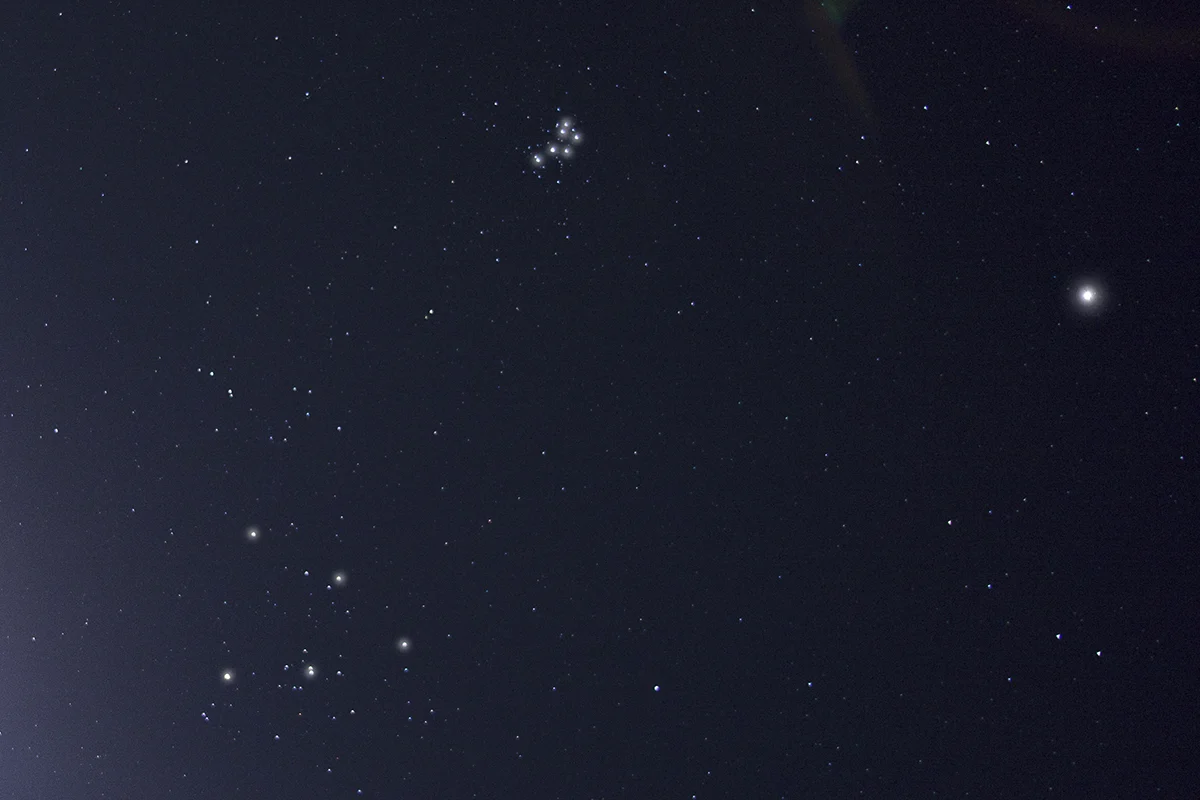
The Pleiades and Hyades star clusters in the autumn sky.
Actionable Tips for Catching a Fireball Tonight
Meteor watching is among the most accessible outdoor hobbies, requiring zero optical equipment to get started. Implementing basic observational techniques will dramatically increase your odds of catching an event.
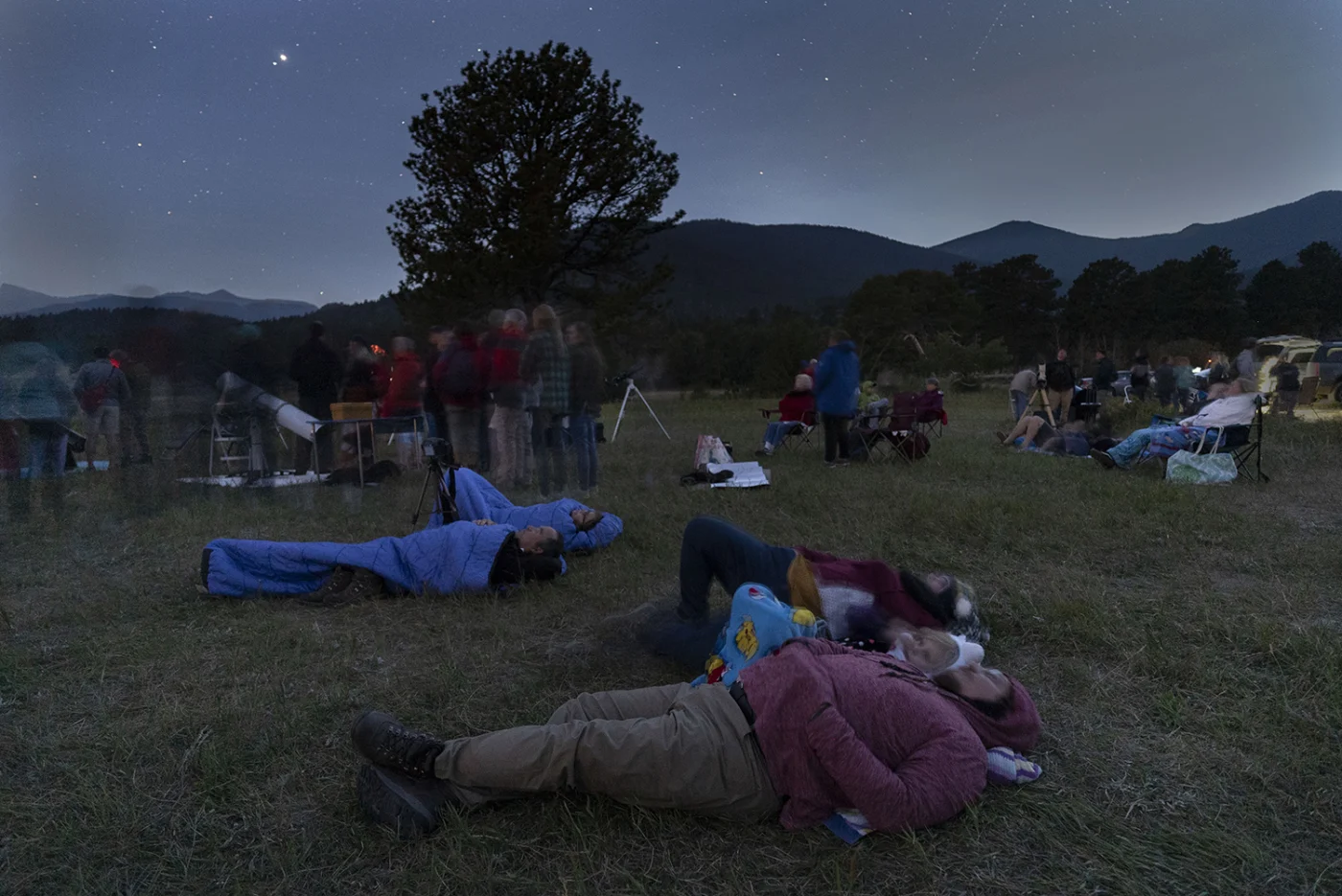
Stargazers reclining to watch for meteors in Rocky Mountain National Park.
- Skip the telescope and binoculars: Optical gear restricts your field of view to a narrow patch of sky. Your naked eyes are the best tool to capture the widest horizon.
- Eliminate light pollution: Step away from porch lights, street lamps, and suburban glare. If watching from your backyard, shut off all exterior fixtures.
- Preserve your night vision: Avoid checking your smartphone, as screen light ruins dark adaptation. Human eyes take roughly 20 to 30 minutes to adjust fully to the dark.
- Recline for comfort: Avoid neck strain by setting up a reclining lawn chair, sleeping bag, or ground pad.
- Bundle up heavily: Fall nights turn cold fast, and stationary stargazing saps body heat quickly. Wear warm layers, heavy socks, a beanie, and gloves.
- Look two-thirds up: Direct your gaze roughly two-thirds of the way up into the sky toward open space rather than staring right at the horizon.
✨ The midnight hour offers prime viewing as Taurus climbs high into the southern sky, providing an ideal vantage point away from heavy horizon glare.
📱 Patience is everything with the Taurids—you will not see constant streaks, but waiting for that one vibrant, multi-colored fireball makes the chill completely worth it.
💬 Are you planning to head outside to look for the Halloween Fireballs tonight? Drop your location and sightings in the comments below!
 1
 2
 3
 4
