
The Real World: Miami Star Dan Renzi Reveals He Suffered Severe PTSD After 1996 Season: ‘I Was Physically Twitchy and Couldn’t Sleep’

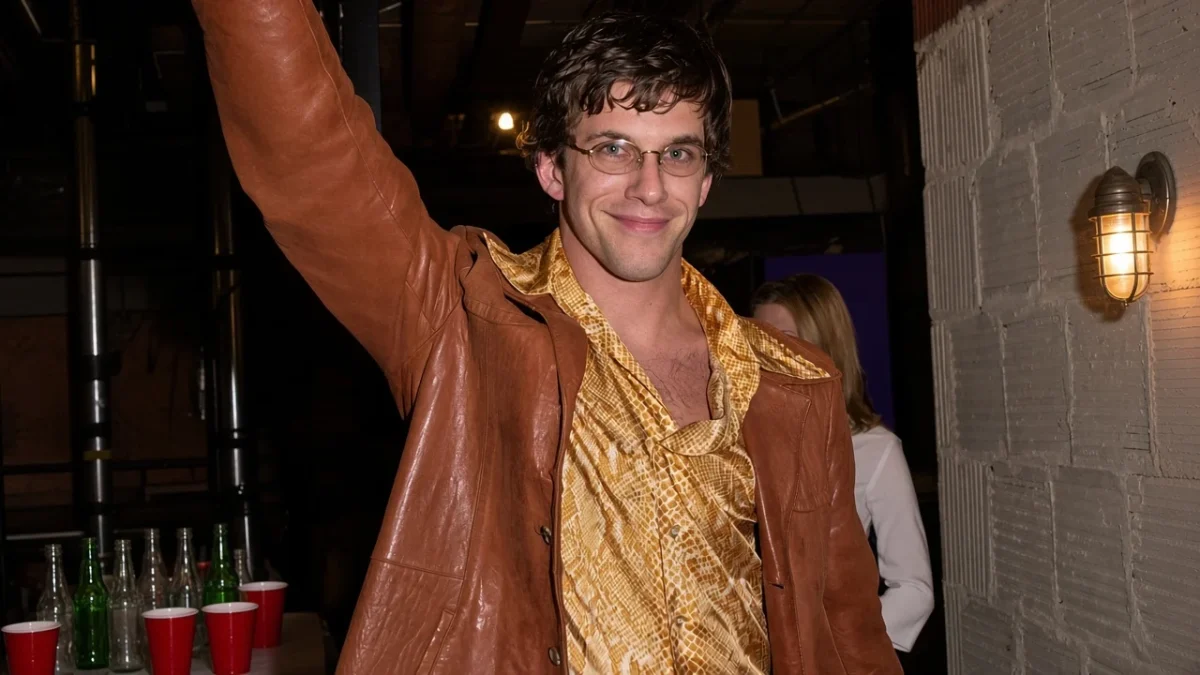
Former reality television pioneer Dan Renzi faced severe, lingering trauma after cameras stopped rolling on the 1996 season of MTV’s The Real World: Miami. The Kansas native revealed he suffered a “hefty dose of post-traumatic stress disorder” characterized by sleeplessness, physical tremors, and intense panic around public film crews.
Renzi was a student at Rutgers University when he beat out roughly 40,000 applicants to earn a spot in the Miami house. As one of the earliest openly gay cast members on unscripted television, his private life was broadcast to millions of households nationwide.
The landmark series followed seven strangers chosen to live together while cameras captured raw, unscripted interpersonal friction. For Renzi, navigating that unprecedented environment carried an unseen psychological cost that surfaced the moment production ended.
The Unseen Toll of Unscripted Television in 1996
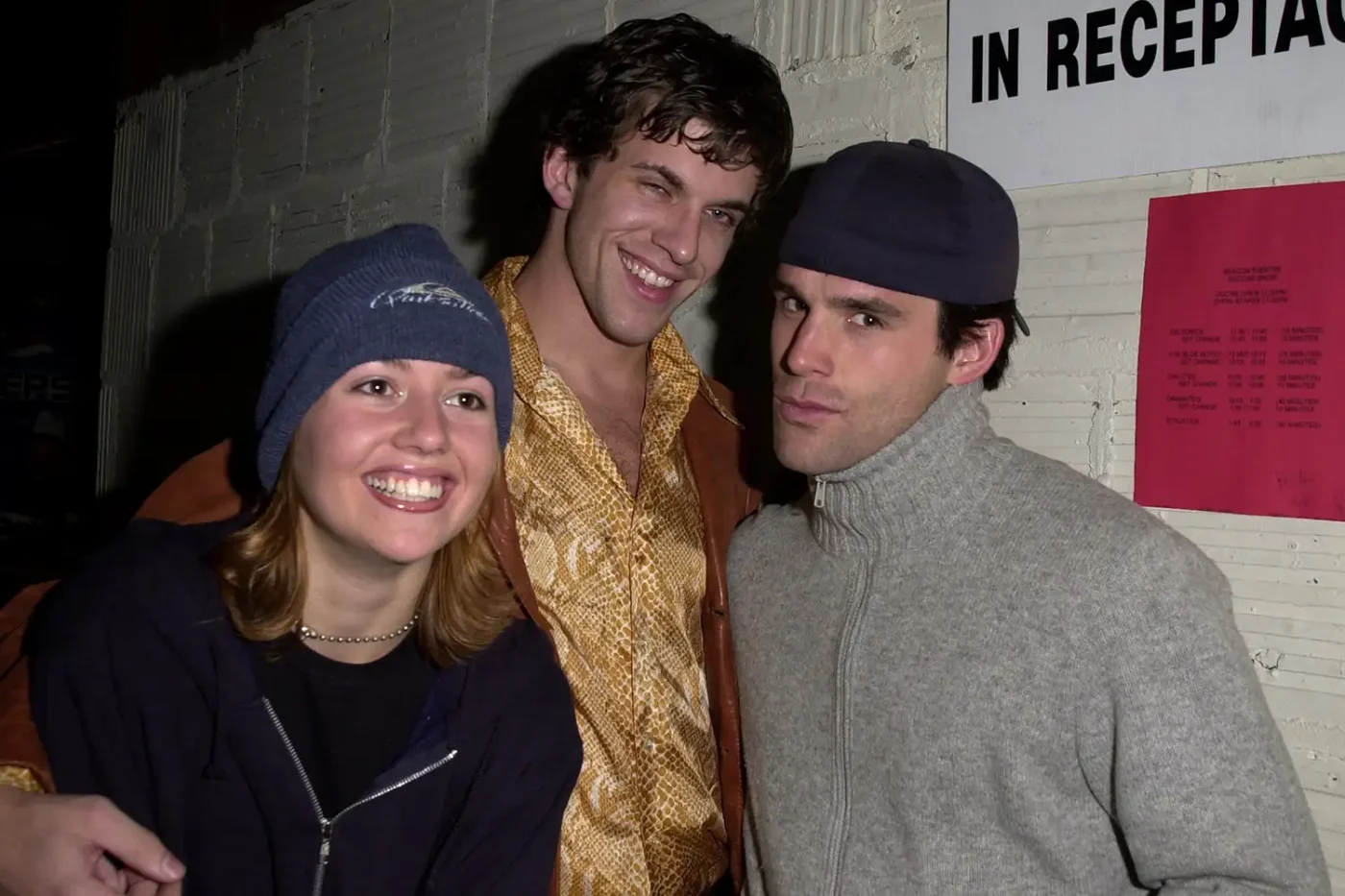
Julie Stoffer, Dan Renzi and Jamie Murray during The Real World Reunion Tour at Beacon Theatre
During the mid-1990s, reality television was charting uncharted waters without standard cast-care guidelines. Participants were thrust into national fame overnight without aftercare protocols or counseling.
Renzi explained that the intense, relentless surveillance altered his nervous system. Once the season wrapped, the sudden transition back to ordinary life triggered immediate physical distress.
“When I was done with the show, it really was PTSD where I was physically twitchy and couldn’t sleep,” Renzi shared. “When the show filmed or finished filming, I went from Miami to Milan to work as a model, and I just had to detox.”
The trauma followed him across the Atlantic. While walking down a street in Milan, an unexpected sight triggered a sudden flight response.
“I remember walking down the street, and there was a news crew, an Italian news crew doing a story, and I saw the cameras, and I started to panic,” Renzi said. “And I turned, and I started to run, and my friends were like, ‘Where are you going?’ And I sort of woke back up and was like, ‘Oh, yeah. I forgot this is over.’ And I just said, ‘Oh, nevermind.’”
Confessionals, Manipulation, and House Hostility
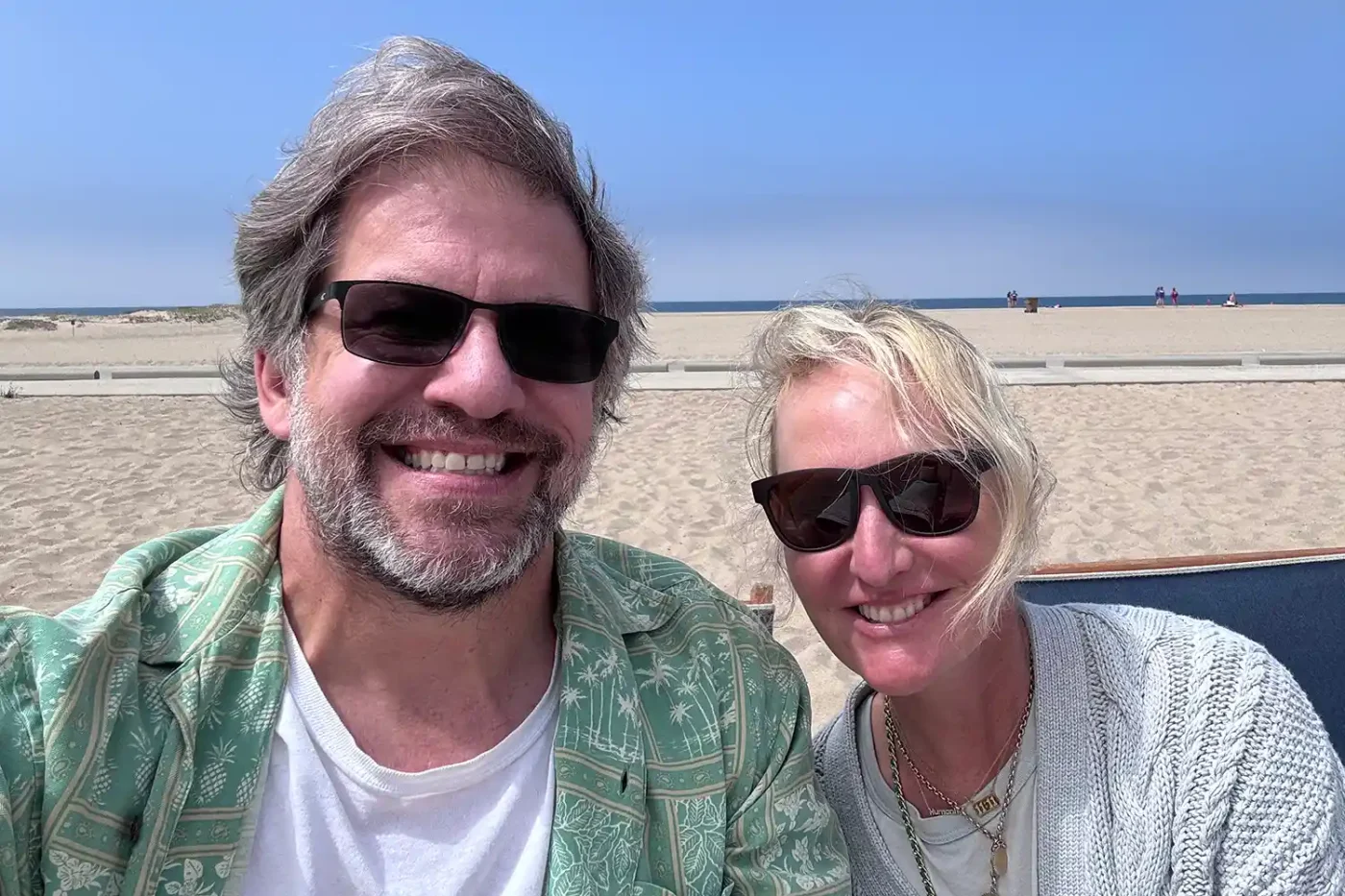
Photo supplied by Dan Renzi
The prolonged psychological strain was fueled largely by behind-the-scenes interrogation tactics during one-on-one confessionals. Producers routinely nudged the cast to manufacture friction and reveal guarded secrets.
According to Renzi, production teams leaned hard on participants to betray personal boundaries simply to craft dramatic storylines. The resulting mental exhaustion left the housemates on edge.
- Forced Critiques: Producers urged cast members to voice harsh, exaggerated opinions about their roommates on tape.
- Privacy Breaches: Participants felt pressured to expose intensely private details they felt were not public business.
- Manufactured Tension: Strategic questioning pushed housemates to mistrust one another, igniting explosive living conditions.
Confrontations Inside the Miami House
That deliberate pressure spilled directly into house dynamics, sparking bitter arguments between cast members. One of the season’s most infamous disputes occurred when housemate Melissa opened Renzi’s personal mail without permission.
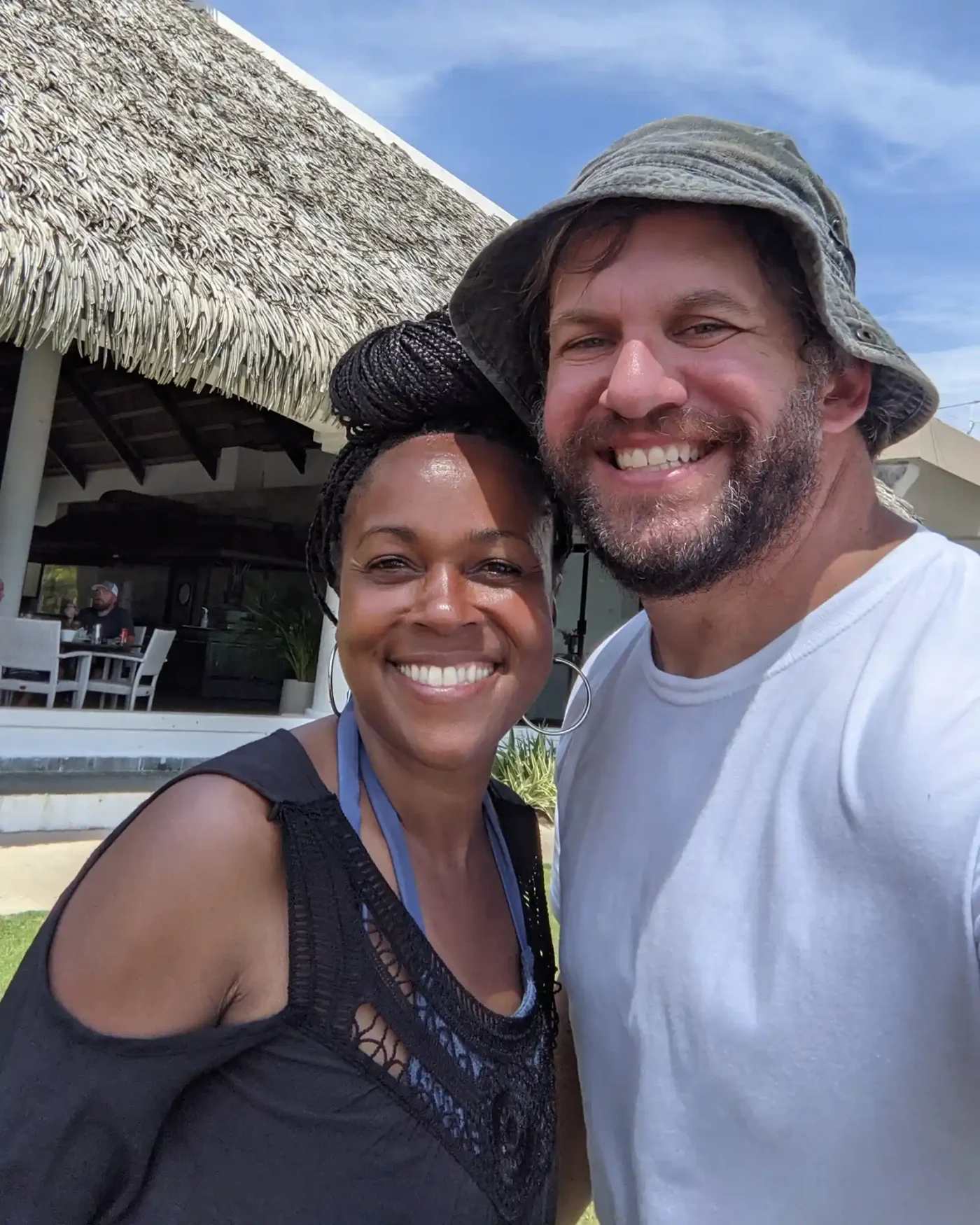
Photo supplied by Dan Renzi
Such invasive moments compounded the claustrophobia of living under constant surveillance. The unresolved tension inside the home made emotional decompression nearly impossible while filming.
Mental Health Care: 1996 vs. Modern Reality Sets
A widespread misconception is that unscripted shows have always employed certified mental health professionals to protect participant well-being. In reality, early cast members had no safety nets, post-filming therapy, or preliminary psychiatric evaluations.
Today, entertainment networks handle participant psychology with formalized procedures. Renzi pointed out how dramatically studio standards have shifted since his Miami residency.
| 1996 Reality TV Era | Modern Production Standards |
|---|---|
| No mandatory psychological screening before casting. | Comprehensive psychiatric evaluations required prior to filming. |
| Zero post-wrap counseling or mental health check-ins. | Therapy sessions and licensed psychologist access written into contracts. |
“Being on these shows now, access to a psychologist is part of the contract, and they give you psychiatric evaluations before you go on the show, and they check in with you,” Renzi noted. “And if you have problems with the stress of being on the shows, they do provide therapy.”
Forgiveness and Healing Decades Later
Despite the turbulent filming conditions and the trauma that followed, time has allowed the Miami cast to mend fences. The former housemates have maintained communication and exchanged apologies over the years.
“On our cast, over the years, we’ve apologized to each other a lot and sent each other emails, very nice emails saying, ‘Looking back, I’m really sorry that I did this and this and this,’” Renzi explained. “And universally, we’ve all also had the opportunity to say, ‘No apologies necessary. I was there too, and I get it.’”
Now 52, Renzi views the entire experience through a calmer, mature lens. The shared experience has replaced lingering animosity with mutual understanding.
“Life goes on, and we get along fine now,” Renzi said. “We’re also older and calmer, and it’s just this thing that we went through together, and we just laugh.”
💬 Unscripted television pioneered a whole new entertainment format, but early stars bore the brunt of an unregulated industry.
✨ Dan Renzi’s candid reflection highlights just how critical mental health protections have become for reality television casts.
📱 Did you watch the 1996 season of The Real World: Miami? Drop your thoughts in the comments below and share your memories of early reality TV! 👇
 1
 2
 3
 4
