
Israel Election Showdown: Benjamin Netanyahu Faces Historic Battle for Survival as 22,000 Police Deploy Amid Fears of Capitol-Style Chaos

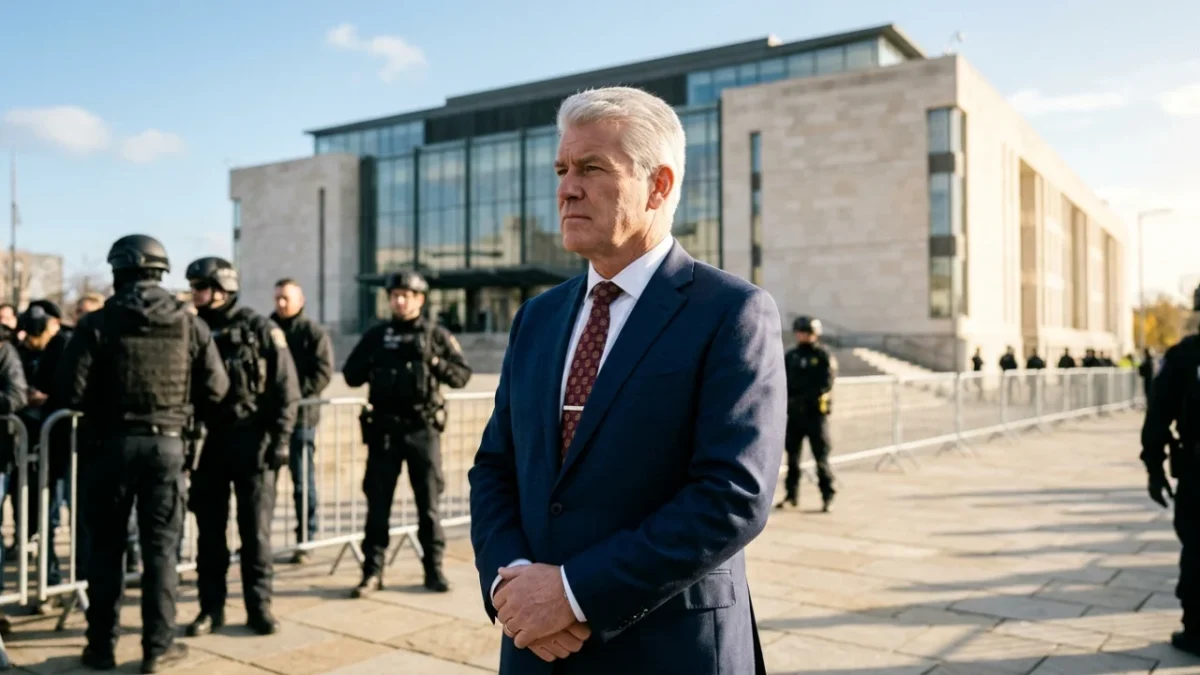
Israeli Prime Minister Benjamin Netanyahu enters Tuesday’s decisive national ballot locked in a dead heat with former armed forces chief Gadi Eisenkot, while police mobilise 22,000 officers to thwart potential civil unrest outside parliament. The vote marks the country’s first nationwide election since the devastating 7 October 2023 attacks, transforming this Israel election into an unvarnished referendum on the veteran leader’s political and personal future.
For the 77-year-old prime minister, who has governed for nearly 19 of the past 30 years, the contest represents the fiercest fight of his career. Beyond retaining high office, his personal liberty remains tied to the outcome as long-running trials for fraud, bribery, and breach of trust continue to wind through domestic courts.
Voters across the nation are preparing to deliver their verdict following three grueling years of multi-front conflict that altered the region permanently.
A Historic Ballot Under Extraordinary Security
Security planners are taking no chances with public order as polling stations open. Israel Police commanders have ordered the deployment of 22,000 officers nationwide, expressly preparing for volatile post-election scenarios and potential attempts to storm the Knesset.
The heightened alert reflects deep domestic fractures that have intensified since Hamas militants killed 1,195 people and seized 251 hostages three years ago. The trauma of that morning shattered the national security consensus, leaving virtually no community untouched by the subsequent fighting.
Attention is centring heavily on bellwether communities such as Rehovot, where local shifts between conservative and centrist blocs historically mirror the final parliamentary arithmetic.
The Rivals: A Veteran Premier vs A Former Armed Forces Chief
Netanyahu’s principal adversary is 66-year-old Gadi Eisenkot, a former Chief of Staff of the Israel Defense Forces. Eisenkot’s campaign has directly challenged the incumbent’s traditional claim to be the ultimate guarantor of national safety.
Opponents argue that Netanyahu bears ultimate political responsibility for the catastrophic intelligence breakdowns and slow initial military response in October 2023. Netanyahu has consistently rejected those charges, dismissing his legal trials as a politically motivated witch-hunt while framing his leadership as essential to securing total victory.
The contest has tightened dramatically in the final stretch of campaigning, leaving the country’s fragmented political blocs separated by razor-thin margins.
Core Fault Lines Shaping Voter Decisions
The campaign has moved beyond pure military strategy to expose deep economic and social divides that coalition negotiators must confront:
- National Defence and Accountability: The central debate hinges on leadership failures surrounding the 2023 incursions and who possesses the strategic credibility to manage ongoing regional threats.
- Military Conscription: Simmering tensions over draft exemptions for ultra-Orthodox communities have reached boiling point after three years of intense military mobilisations.
- Cost of Living and Public Finances: Prolonged hostilities have strained household budgets, leaving working families focused on soaring daily expenses and inflation.
- The Premier’s Legal Standing: Netanyahu’s premiership shields him from immediate courtroom fallout, but an election defeat could strip away the political leverage delaying his criminal proceedings.
The Coalition Arithmetic Facing Both Blocs
Under the proportional representation system, capturing the largest share of the popular vote does not ensure a path to power. The decisive test will be which leader can stitch together a governing majority of at least 61 seats in the 120-seat Knesset.
Diplomats in London and across Western capitals are monitoring the outcome with acute urgency. The composition of the next administration will directly dictate the trajectory of Middle Eastern diplomacy, regional alliances, and humanitarian pathways across the Palestinian territories.
With turnout expected to be exceptionally high, the final tally from swing districts will determine whether Netanyahu extends his historic tenure or is forced to relinquish power to his military rival.
💡 The outcome of Tuesday’s vote will send immediate shockwaves through global energy markets, diplomatic corridors, and international security partnerships.
🔍 Whether the result brings political renewal or renewed stalemate, the ballot delivers an inescapable public judgment on the darkest chapter in modern Israeli history.
👇 How do you expect this pivotal leadership race to alter wider Middle Eastern stability? Share your view in the comments below.
 1
 2
 3
 4