
Mid-Air Crisis at 12,600 Feet as UK-Bound Ryanair Flight From Spain Broadcasts Urgent 7700 Emergency Alert Before Touchdown

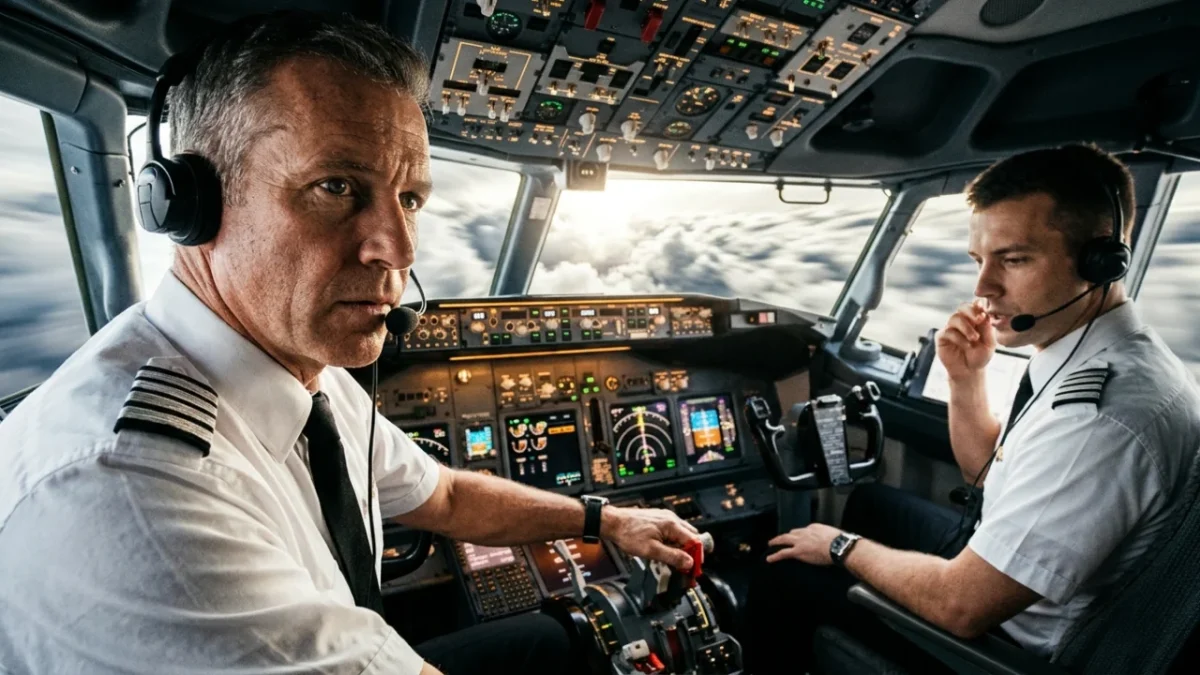
A packed Ryanair passenger flight descending towards the UK broadcasted a critical 7700 emergency code at 12,600 feet after a passenger suddenly collapsed with a severe medical issue mid-flight. The sudden inflight distress triggered urgent priority handling from air traffic controllers as the aircraft raced towards Manchester Airport.
The Boeing 737-800, operating as flight FR4371 from Seville Airport under callsign RYR56QH, was approximately twenty minutes away from its destination when flight crew made the high-stakes call to declare a general emergency.
Aviation tracking data confirmed the aircraft, bearing registration EI-DWX, altered its transponder code during the critical final descent phase into north-west England.
Rapid Descent: How the In-Flight Emergency Unfolded
The evening flight departed Seville Airport behind schedule at 9:33 pm local time, following an initial scheduled departure slot of 8:20 pm. Passengers had spent over two hours in the air across the Bay of Biscay before the onboard medical situation escalated rapidly north of the English Channel.
Cockpit crew transmitted the international emergency transponder squawk at 12,600 feet, alerting National Air Traffic Services of an unfolding crisis in the cabin that could not wait for routine holding patterns.
Pilots secured a direct approach path, safely touching down at Manchester Airport at approximately 11:30 pm.
Emergency medical vehicles and airport ground staff immediately met the aircraft on the taxiway to deliver urgent treatment.
A spokesperson for Ryanair confirmed the incident, stating that a passenger became unwell during the flight and the crew called ahead for medical assistance to meet the aircraft upon landing at Manchester.
Decoding the 7700 Squawk Code
When an aircraft transmits code 7700, every radar station within range highlights the plane with high-visibility alerts, bypassing routine radio queues.
The signal informs controllers that the crew requires priority routing, clearing surrounding airspace and mobilising runway emergency vehicles long before wheels touch tarmac.
What Happens When Medical Emergencies Strike at Cruising Altitude
Commercial flight crews complete rigorous first-aid certification supervised under Civil Aviation Authority frameworks, equipping staff to stabilise acute conditions using onboard emergency kits and automated defibrillators.
Key operational decisions faced by the flight deck during a medical emergency include:
- Assessing ground proximity: Determining whether to divert immediately to an alternate airport or accelerate directly to the planned destination.
- Securing priority clearance: Transmitting squawk 7700 to ensure unhindered descents without fuel-burning holding stacks.
- Coordinating tarmac care: Relaying precise patient vitals via ground handling so specialised paramedics wait at the exact parking stand.
Because the aircraft was already descending into Greater Manchester airspace when the health crisis peaked, pressing forward to Manchester Airport provided the quickest path to advanced hospital care.
Passenger Welfare and Aviation Protocols
In-flight medical distress accounts for thousands of emergency alerts across European airspace each year, testing the split-second coordination between pilots, cabin staff, and regional air traffic networks.
While the sudden squawk code and expedited landing caused immediate alarm across live flight-tracking monitors, the crew’s textbook execution ensured the passenger received clinical care within minutes of touchdown.
Airports across the UK maintain dedicated paramedic units trained to board aircraft instantly the moment cabin doors disengage.
💡 Flight tracking platforms illuminate just how frequently commercial airliners manage unseen human emergencies behind the cockpit door.
🔍 Rapid decisions by flight crews routinely prevent medical incidents at high altitudes from turning into tragic outcomes on UK runways.
📌 Have you ever been on a commercial flight that had to declare an emergency or make an unscheduled priority landing? Share your experience in the comments below.
 1
 2
 3
 4