
Natalie Portman Reveals How Being Sexualised as a Child Star Forced Her to Build a ‘Good Girl’ Shield That Trapped Her for Decades

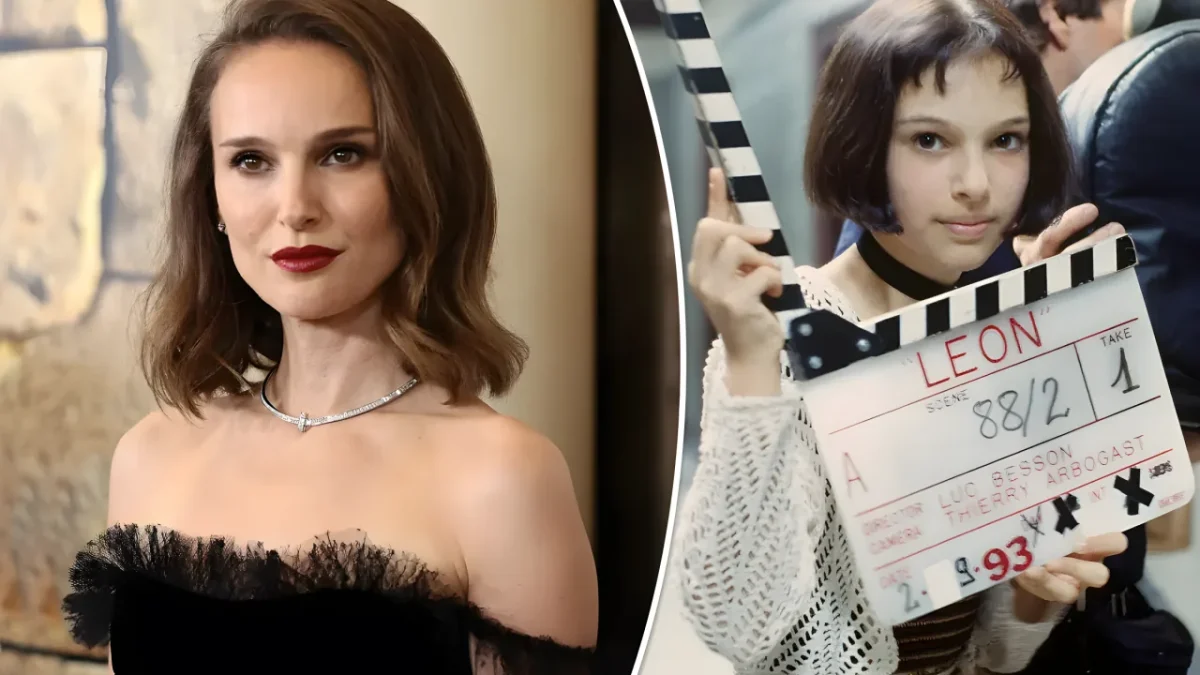
Oscar-winning actress Natalie Portman has revealed that being hyper-sexualised by the media as a child star forced her to construct an artificial “good girl” persona purely as a survival mechanism. Rather than reflecting her authentic self, that reserved public shield ended up confining her reputation across the film industry for decades.
The acclaimed star shot into the cinematic spotlight at just twelve years of age, taking on intense roles in 1994’s gritty thriller Léon: The Professional, followed by Michael Mann’s Heat and Beautiful Girls. Yet behind the critical acclaim lay an unsettling reality that she and her parents had to navigate under relentless scrutiny.
To guard herself against inappropriate attention, Portman chose an uncompromising defensive strategy.
The deliberate armour of the ‘good girl’ persona
Speaking openly to Harper’s Bazaar, the actress detailed how she made a calculated decision alongside her parents to sever her private identity from the provocative characters she portrayed on screen. She chose conservative, modest clothing on the red carpet and directed her public focus almost entirely toward academic excellence.
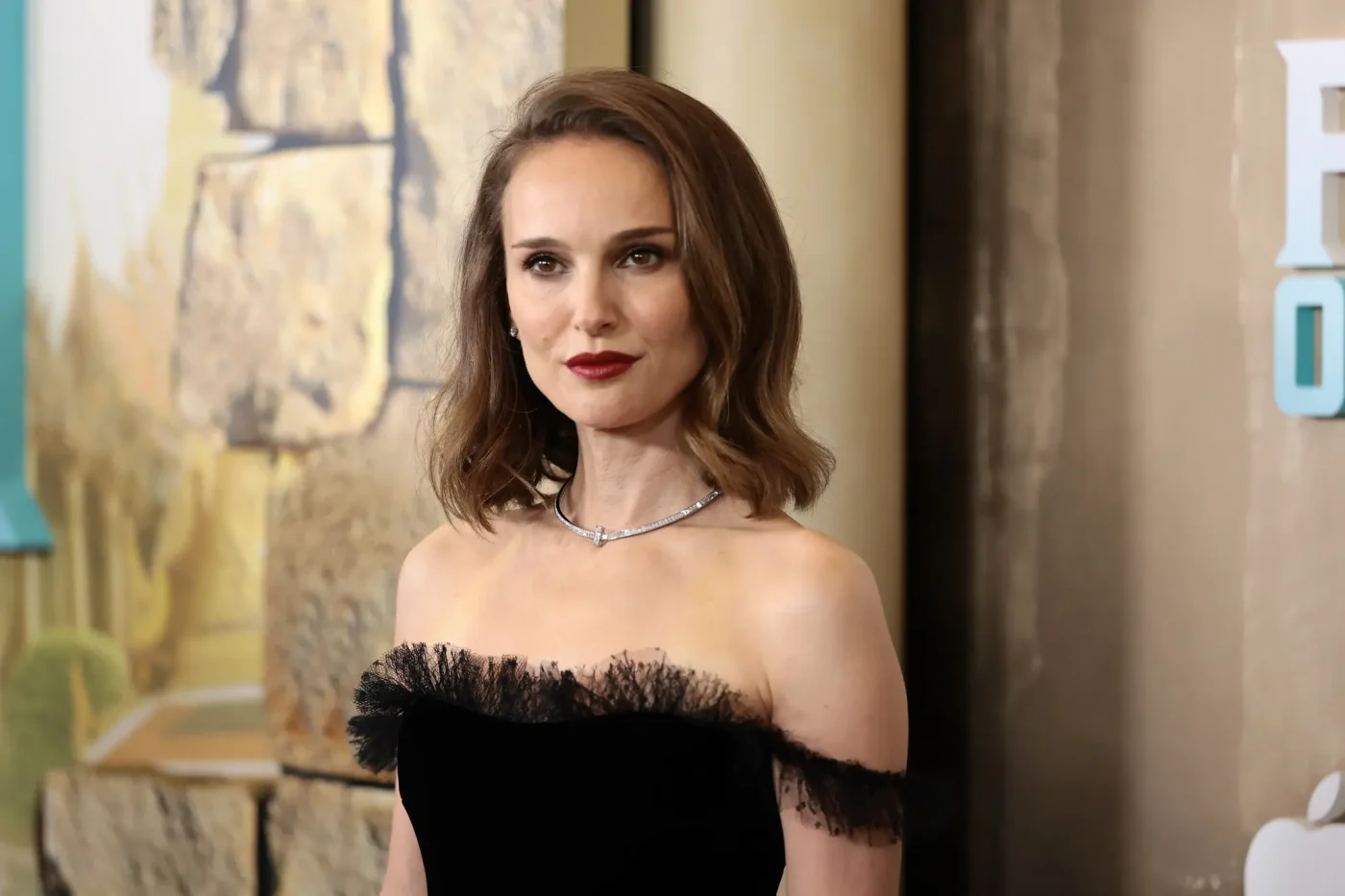
Natalie Portman attending a public screening event.
“I think there was a conscious effort, because I was depicted as this sexualized Lolita, that I wanted to be like, ‘No, I’m serious, I’m a good girl, I’m a prude, I’m smart, I’m a student,’ emphasizing that as almost a safety mechanism,” Portman explained.
By reinforcing an ultra-serious, scholarly image, she effectively neutralised intrusive narratives during formative years when young performers in Hollywood faced scarce institutional safeguards.
Yet that protective barrier brought unintended consequences as she grew older.

Natalie Portman working on a film production set.
Shattering the myth of the unyielding perfectionist
As her career matured, Portman continued taking on physically and psychologically punishing roles, capturing an Academy Award for Black Swan and a further nomination for Jackie. However, playing tormented characters reinforced the very misconception she had originally constructed to protect herself.
Audiences and industry insiders frequently assumed her on-screen intensity mirrored her real-life temperament.
“Over time, it became like everyone thinks I’m really serious,” Portman noted. “I’m very silly, and I love to laugh more than anything, and I love to goof off. People always think I’m a perfectionist, I think, because of Black Swan. I’m the opposite.”
The ‘Done, Not Good’ philosophy
To dismantle that lingering perception, Portman highlighted how she approaches her craft and life with self-compassion rather than relentless rigidity:
- Embracing self-forgiveness: Rejecting the unrealistic standards placed on female performers, she avoids judging herself against impossible perfection.
- The university mantra: During her undergraduate years, she adopted the working phrase “Done, not good” to prevent overthinking and paralysis.
- Prioritising humour: Balancing prestige drama with an innate silliness that the public rarely saw during the peak of her dramatic roles.
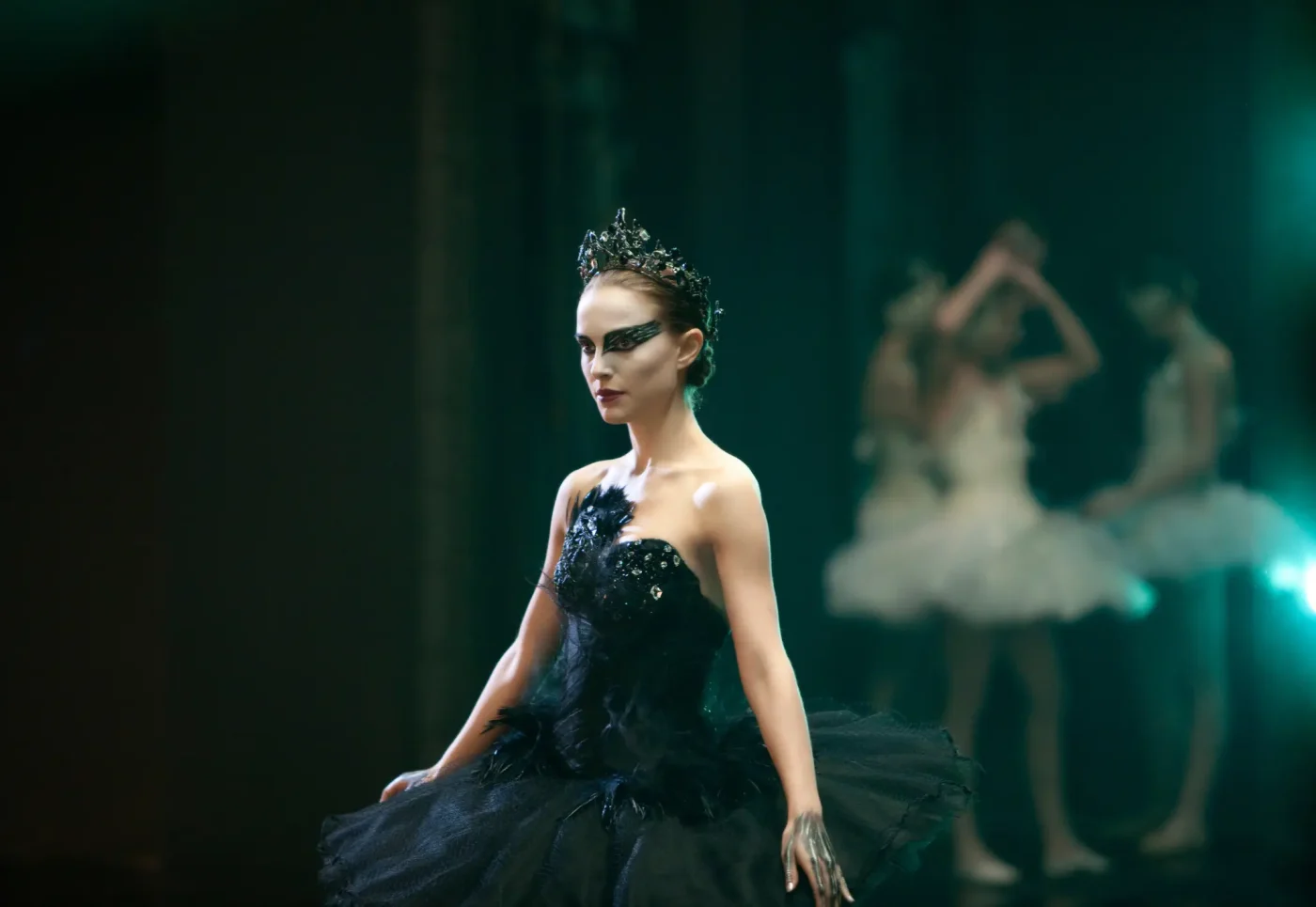
Natalie Portman in the psychological thriller Black Swan.
A conscious pivot toward unadulterated joy
Having dedicated decades to portraying troubled, complex figures, Natalie Portman has deliberately redirected her professional and personal priorities toward warmth and lightheartedness. She believes offering lightness is an essential responsibility in turbulent times.
“Right now, it’s a lot of joy,” she told Harper’s Bazaar. “Every time has dark moments, but it feels like there’s a lot of really heavy stuff going on. It’s just ever-present in our face, and so it does feel like the biggest service you can do right now as an artist is to deliver some joy.”
That profound sense of contentment extends directly into her home life, following a major new chapter in her family.
The actress recently welcomed a newborn with her partner, Tanguy Destable, having previously separated from ex-husband Benjamin Millepied in 2024 following 11 years of marriage. She shares two elder children, Aleph and Amalia, with Millepied.
Portman described herself as being “full of wonder and joy at this magical little human”, while acknowledging how quickly childhood slips away.
“It gives me a whole new attention to my big kids too, as I am reminded of how recently they were these little fresh creations and how quickly they’ve blossomed into incredible humans with their own amazing personalities and senses of humour and ideas,” she observed.
💡 Navigating early fame requires immense mental resilience, and Portman’s candid reflections highlight the high psychological price child actors pay when industry scrutiny forces them to build defensive facades.
🔍 By shedding the rigid expectations created by both early exploitation and award-winning dramatic roles, she has reclaimed her own narrative on her own terms.
👇 Do you think the entertainment industry has done enough to protect young performers from being sexualised today? Share your thoughts in the comments below.
Source: pagesix.com
 1
 2
 3
 4