
The Great Trade Reroute: How Vietnam Toppled China in Critical Steel Shipments and Became the Ultimate Gateway for Global Industrial Cargo

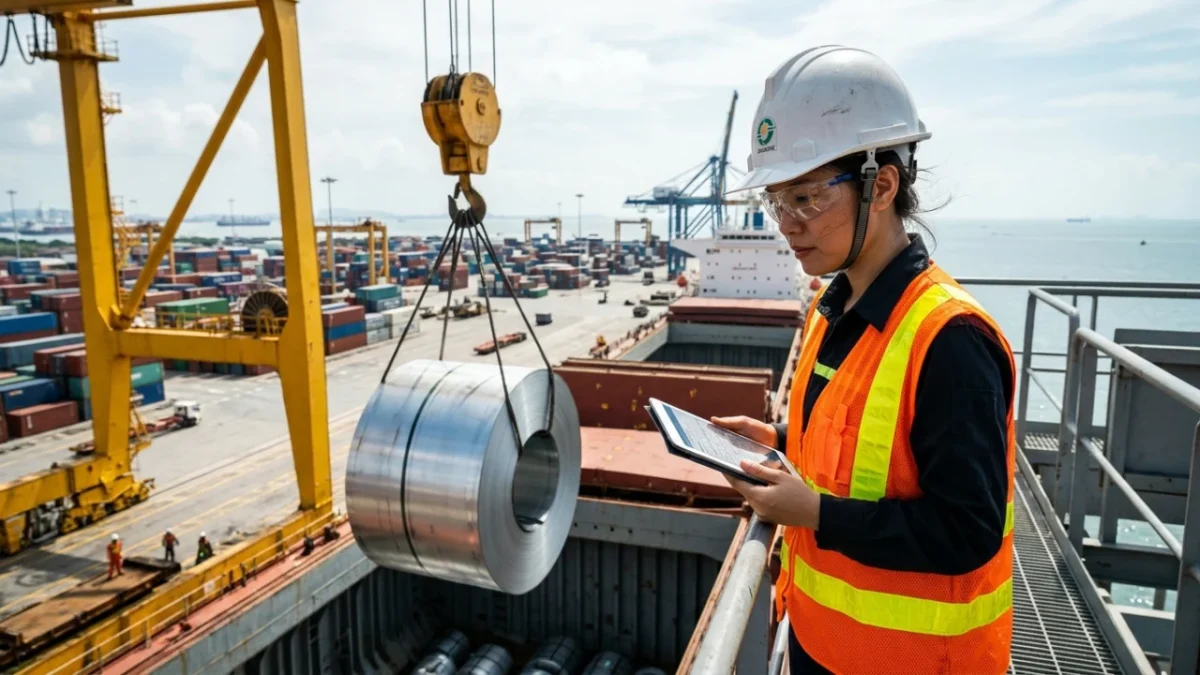
Vietnam has delivered a seismic shock to international supply chains by abruptly displacing China as Brazil’s primary foreign supplier of flat steel, capturing 176,000 tonnes of the 266,000 tonnes imported in September. This dramatic operational realignment followed decisive anti-dumping restrictions levied against Chinese industrial mills, setting off an aggressive restructuring of cross-border manufacturing routes.
The pace of this pivot has caught heavy industry off guard. Only a year earlier, Vietnamese suppliers failed to register amongst the top 15 foreign sources feeding Brazilian maritime terminals.
By September, direct Chinese steel shipments into Brazilian ports collapsed to roughly 25,000 tonnes—a staggering descent from 135,500 tonnes recorded during the identical month in 2025. DataLiner tracking confirms that Brazilian imports of Vietnamese steel products surged by 154.7% over the January-to-August window across containerised freight and bulk vessel holds alike.
How Tariff Walls Triggered an Unprecedented Supply Cascade
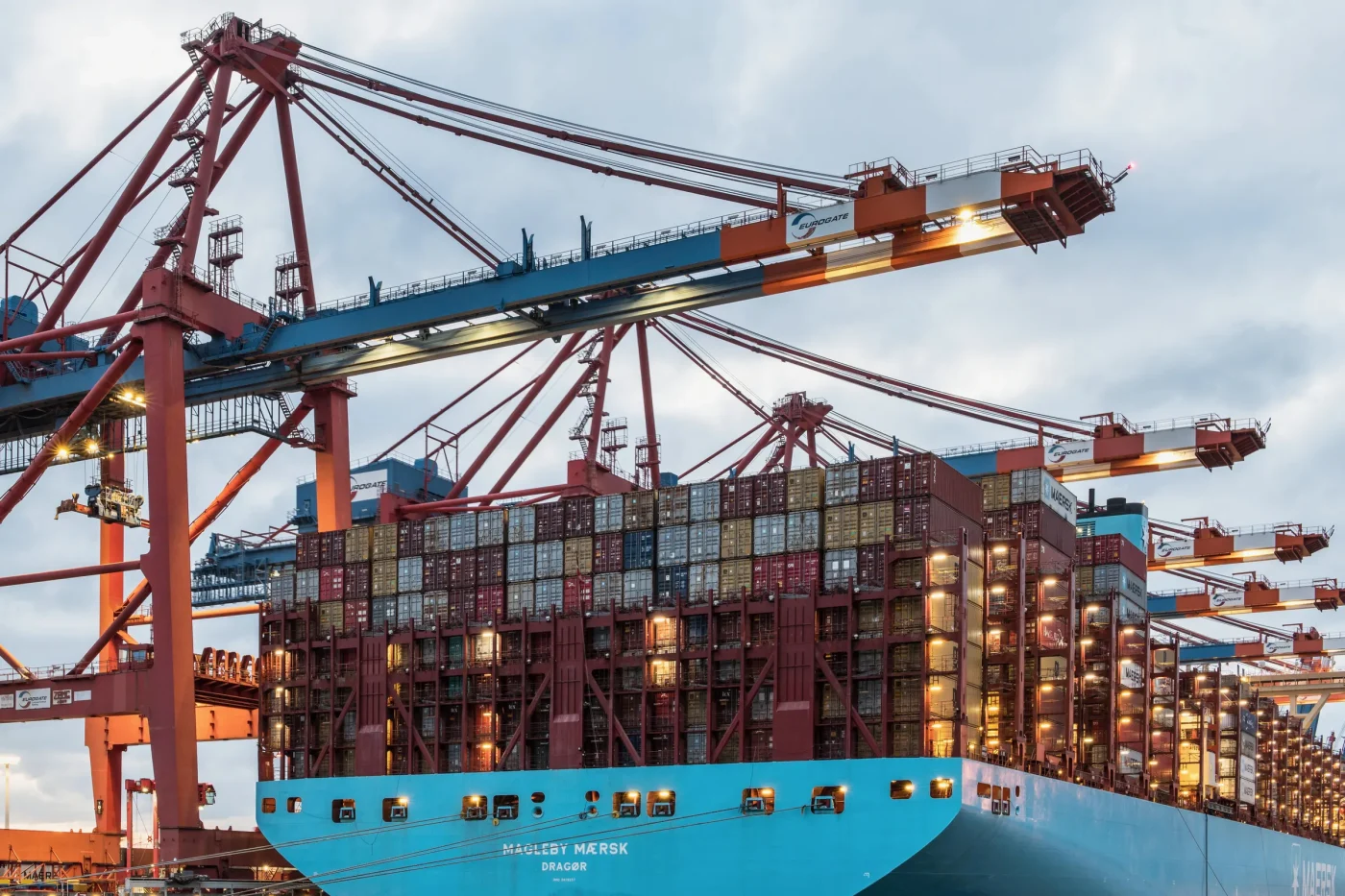
Importers facing steep regulatory friction moved with surgical speed to preserve their raw material pipelines. Rather than absorbing punishing penalties on direct Chinese output, procurement consortia pooled resources to secure Southeast Asian capacity.
According to Carlos Loureiro, President of the Brazilian Steel Distributors Association (Inda), commercial buyers actively banded together to unlock volume: “We’re seeing a series of deals involving Vietnam, with importers joining forces to bring steel into Brazil. These arrangements are starting to run more smoothly. The numbers show that Vietnam is establishing a very strong presence.”
Curiously, the swap defies conventional pricing logic. Loureiro revealed that Vietnamese industrial steel commands a premium of roughly $50 per tonne over equivalent Chinese stock. Even with that surplus cost, buyers opted to pay up rather than risk the punitive tariffs strangling direct Chinese arrivals.
- Year-to-Date Volume: China retains 40.5% of Brazil’s imported flat steel volume at 933,460 tonnes, roughly matching the yearly output of a domestic blast furnace.
- The Ascendant Challenger: Vietnam has carved out a 20.4% cumulative market share, supplying 470,200 tonnes across the year.
- Regulatory Insulation: A retaliatory anti-dumping probe directed at Vietnam would require 12 to 18 months before any trade barriers could take statutory effect.
The Downstream Squeeze on Finished Manufacturing
The influx of imported inputs coincides with broader structural turbulence across heavy industry and fabrication. Brazilian distributors experienced a 7.2% year-on-year drop in sales during September, settling at 336,000 tonnes.
Throughout the first nine months of the year, distributor turnover dropped 2.1% to 2.92 million tonnes. Loureiro underscored that domestic fabricators face a dual challenge: competitive imported raw materials alongside a relentless influx of finished manufactured goods, including cars, machinery, and commercial appliances.
Distributor warehouses ended September burdened with 1.18 million tonnes of inventory—up 8.8% year-on-year—with hot-rolled coil forming the largest component at 741,000 tonnes. Elevated domestic borrowing benchmarks, characterised by a 13.75% Selic rate, have further depressed capital investment across major industrial projects.
The Transhipment Conduit: Parallel Lessons from the American Timber Channel
This rapid re-engineering of trade channels mirrors another intricate trade conduit operating between Washington, Hanoi, and Beijing. While steel moves westward from Vietnam, American primary materials have flowed through the country in the opposite direction.
Trade assessments published via China’s General Administration of Customs reveal that buyers in China spent less acquiring North American ash and oak via Vietnamese intermediaries than purchasing direct from the United States. Following sharp bilateral trade friction, Chinese imports of timber and lumber via Vietnam climbed 155.8% across the year, with North American hardwood emerging as the top commodity category.
American oak lumber entering China via Vietnamese processors surged more than 60-fold over a single four-month period. Customs analysts noted that the explosion in volume was an adaptive market manoeuvre, as US timber was routinely processed in or routed through Vietnamese logistics hubs to sidestep punishing tariff brackets.
What the Emerging Supply Architecture Means for Global Business

The dual trends across metal supply and forestry materials demonstrate a profound reality of modern global commerce. Protective tariff barriers and punitive import measures rarely extinguish consumer demand; instead, they alter the geographic routing of critical commodities.
As international regulators attempt to insulate domestic producers from subsidised manufacturing, agile intermediaries in Southeast Asia continue to capture lucrative volume. For corporate procurement heads and freight operators, flexibility in sourcing is no longer merely an advantage—it is an existential commercial necessity.
💡 The speed at which Vietnam captured one-fifth of Brazil’s flat steel import market proves that regional trade defences frequently create lucrative windfalls for agile third-party nations.
🔍 As authorities scrutinise transhipment and assembly loops, multinational supply networks are being forced to constantly recalculate freight margins, customs duties, and intermediary costs.
📌 The resilience of cross-border trade flows shows that capital and materials will consistently discover the path of least regulatory resistance.
👇 How is your organisation adapting to shifting manufacturing routes and tariff measures? Share your observations in the comments below.
 1
 2
 3
 4