
The Ordinary Ballpark Condiment That Tenderizes Tough Steak Fibers in Hours

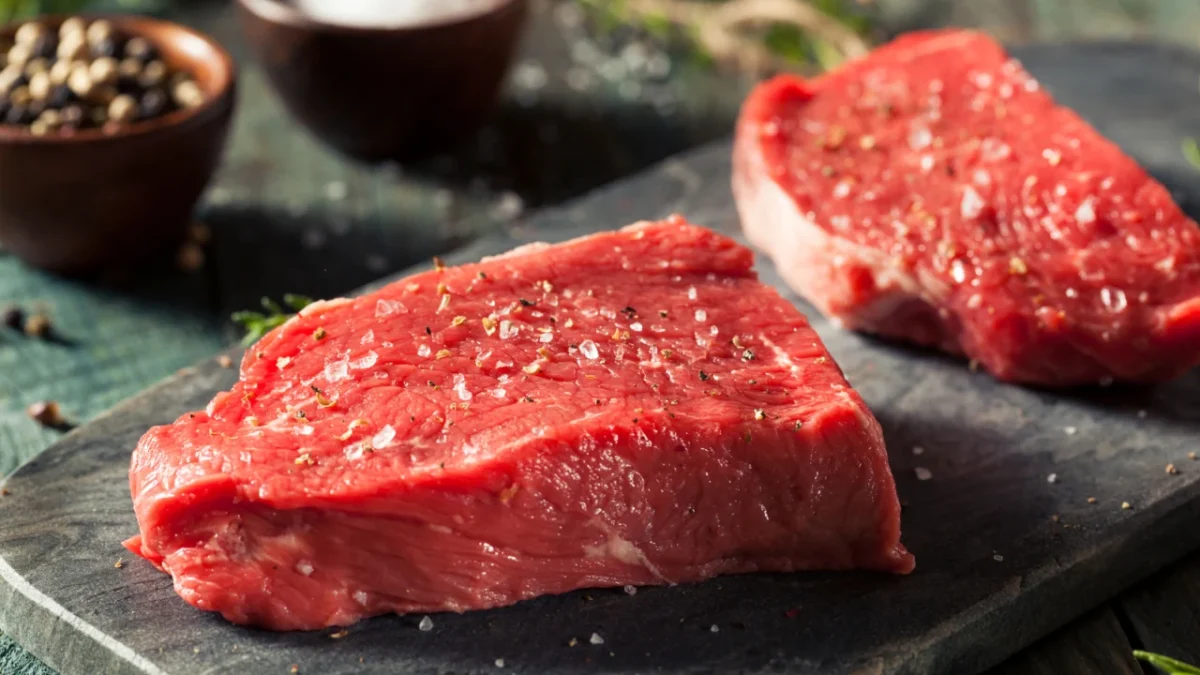
Everyday yellow mustard is one of the most effective meat tenderizers sitting inside your refrigerator door. The acetic acid supplied by its vinegar base actively softens dense beef fibers, while turmeric and crushed seeds penetrate the meat to deliver deep, earthy seasoning before cooking even begins.
Most home cooks reserve standard yellow mustard for ballpark franks or burger spreads. However, using it as a primary marinade base transforms leaner and thicker steaks into buttery, restaurant-quality dinners without requiring commercial meat tenderizers or high-sodium marinades.
The chemical reaction works silently in the fridge.
Why Acetic Acid and Turmeric Transform Tough Beef
The science behind a mustard steak marinade comes down to acidity and texture. The natural vinegar delivers just enough acetic acid to gently unwind tight protein coils without chemical additives, allowing the meat to retain moisture during high-heat searing.
As the beef fibers expand, finely ground mustard seeds and earthy turmeric settle directly into the microscopic nooks and crannies of the cut. This provides an aromatic undertone that balances the naturally rich, iron-heavy profile of red meat.
A common culinary misconception is that a mustard soak will overpower prime beef with a sharp, harsh bite. In reality, the punchy heat completely mellows under cooking temperatures, cutting cleanly through dense beef fat while leaving behind a savory, deeply nuanced flavor.
Marinating your steak in mustard works wonders between two and 24 hours, but leaving it longer breaks down the protein structure too far, resulting in a mushy texture.
Choosing the Right Cuts for Mustard Marinades
Not every cut requires equal marinating time. Thicker, grain-heavy steaks benefit the most from an extended soak, whereas delicate cuts only need a brief coating.
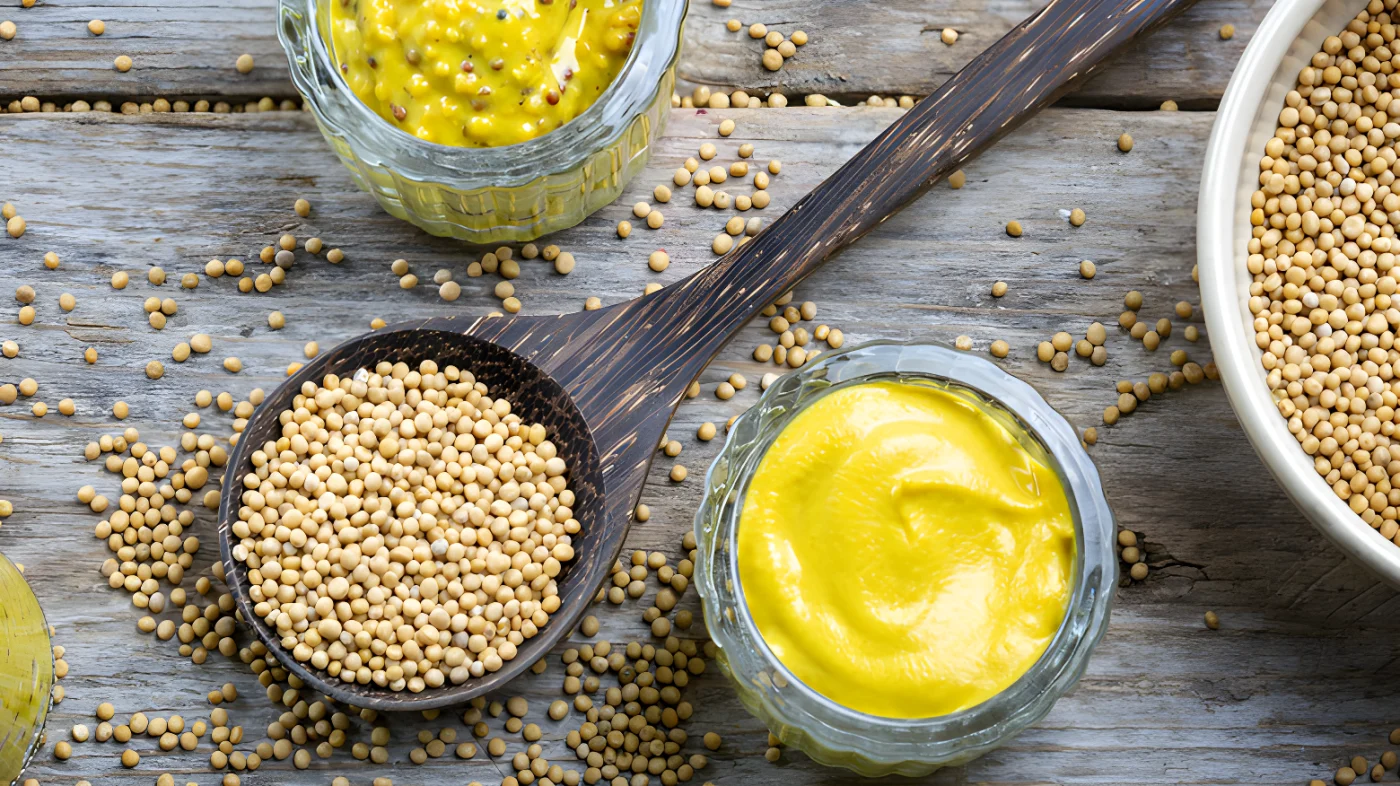
Different types of mustard and mustard seeds on a wooden surface
Work with the natural thickness of your chosen cut to maximize tenderness without softening the core grain too much:
- Flank and Skirt Steak: Excellent candidates for a two- to four-hour bath, perfect for slicing against the grain into warm tortillas.
- Tri-Tip Roasts: Dense fibers respond well to an eight- to twelve-hour rest in a mustard coating before hitting indirect heat.
- T-Bone and Bone-In Ribeye: A light, two-hour pre-sear coating cuts through the fatty marbling without compromising dry-aged texture.
Elevating Flavor with Different Mustard Varieties
While standard yellow mustard provides dependable acidity, mixing in specialty jars unlocks entirely new layers of heat and sweetness. Dijon mustard introduces a sharp, creamy bite, while blending yellow mustard with a drizzle of hot honey creates an addictive sweet-and-spicy balance.
If you prefer intense heat, pairing your cut with mustard infused with fresh jalapeños or ghost peppers delivers a searing kick that stands up against rich beef tallow. You can also mix traditional dry mustard powders, such as Colman’s, with balsamic vinegar, minced fresh garlic, or robust sprigs of tarragon for a custom wet rub.
| Mustard Base | Flavor & Tenderizing Profile |
|---|---|
| Classic Yellow Mustard | High vinegar ratio, mellow finished flavor, excellent tenderizing power |
| Dijon Mustard | Creamy texture with sharp white-wine bite, ideal for rich steakhouse cuts |
| Hot Mustard (Jalapeño/Ghost Pepper) | High spice level designed to penetrate exterior crust on fatty steaks |
| Mustard Powder & Balsamic Mix | Deep sweet-savory punch with concentrated seed aroma for thick roasts |
How to Prep and Cook Mustard-Marinated Steak
Executing this technique requires minimal pantry equipment and produces dramatic textural improvements when handled properly.
- Coat the Beef: Pat your steak completely dry with paper towels, then rub a thin, even layer of mustard across all sides, ensuring full coverage along the edges.
- Add Aromatics: Dust with cracked black pepper, coarse salt, and minced garlic or dried tarragon directly over the wet mustard layer.
- Refrigerate and Rest: Seal the meat in a container or wrap it tightly in plastic wrap, letting it chill for at least two hours up to a maximum of 24 hours.
- Sear and Slice: Scrape off heavy excess surface paste to prevent scorching, cook over direct high heat to your desired internal temperature, and rest the meat before slicing thinly across the grain.
Whether you pile the finished slices into toasted steak sandwiches, fold them into tacos, or serve them alongside whipped potatoes and fresh green beans, the pantry mustard bottle proves itself as an indispensable tool for every serious steak enthusiast.
✨ Slathering beef in mustard is one of the easiest ways to unlock tenderness without breaking the bank.
📱 Try coating your next flank or skirt steak overnight to see how cleanly the acid cuts through the richness.
💬 Have you ever used mustard as an overnight steak marinade? Drop your favorite pantry recipes in the comments below!
 1
 2
 3
 4
