
Why Squeezing Into Old Outfits Is Damaging Your Midlife Confidence: How the Psychology of ‘Enclothed Cognition’ Can Instantly Transform Your Presence

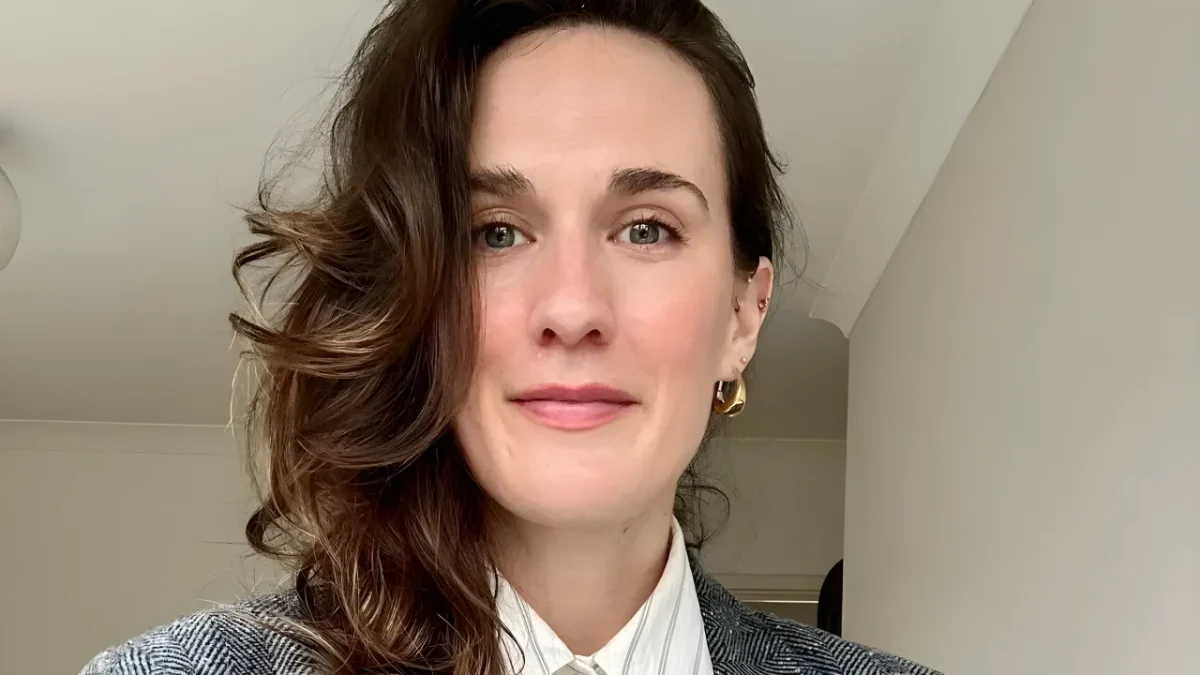
Clinging to old silhouettes while your body naturally evolves does not just create wardrobe frustration—it actively undermines your self-esteem, whereas adopting the psychological framework of enclothed cognition aligns what you wear with how your brain operates.
Rather than dressing purely for outside appraisal or trying to replicate styles from decades past, this inside-out approach prioritises how fabrics, cuts, and colours directly govern your mental state and behaviour.
For countless women traversing their forties, fifties, and beyond, opening the wardrobe each morning has become an exercise in quiet defeat. Fluctuating hormones, bodily changes during perimenopause and menopause, and shifts in lifestyle often leave reliable old favourites feeling uncomfortably tight, unflattering, or physically suffocating.
The natural reaction is often retreat. Many slip into shapeless, safe loungewear, abandoning personal flair in favour of simply blending into the background.

Overcoming a midlife style rut by moving past uninspired monochrome basics.
The Science of Getting Dressed From the Inside Out
While society often prescribes a dramatic haircut or hollow mantras like “dress for the job you want”, true presence requires a far deeper cognitive connection. Throwing on an ill-fitting power suit or applying bold lipstick can easily feel like an exhausting mask rather than an authentic expression.
This is where enclothed cognition shifts the dynamic. The concept examines the systematic influence that clothes exert on the wearer’s psychological processes and emotional resilience.
Certified image consultant Monica Thompson, founder of Style Synergy Studio, explains that what we place against our skin dictates our mindset on a neurological level. Getting dressed ceases to be a chore and becomes an active, daily tool for self-regulation.
“Enclothed cognition is the idea that what we wear can influence how we think, feel and behave,” Thompson notes. “The real benefit is that getting dressed becomes more intentional. Instead of standing in front of a full wardrobe thinking, ‘I’ve got nothing to wear’, ask yourself, ‘How do I want to feel today, and what helps me get there?'”
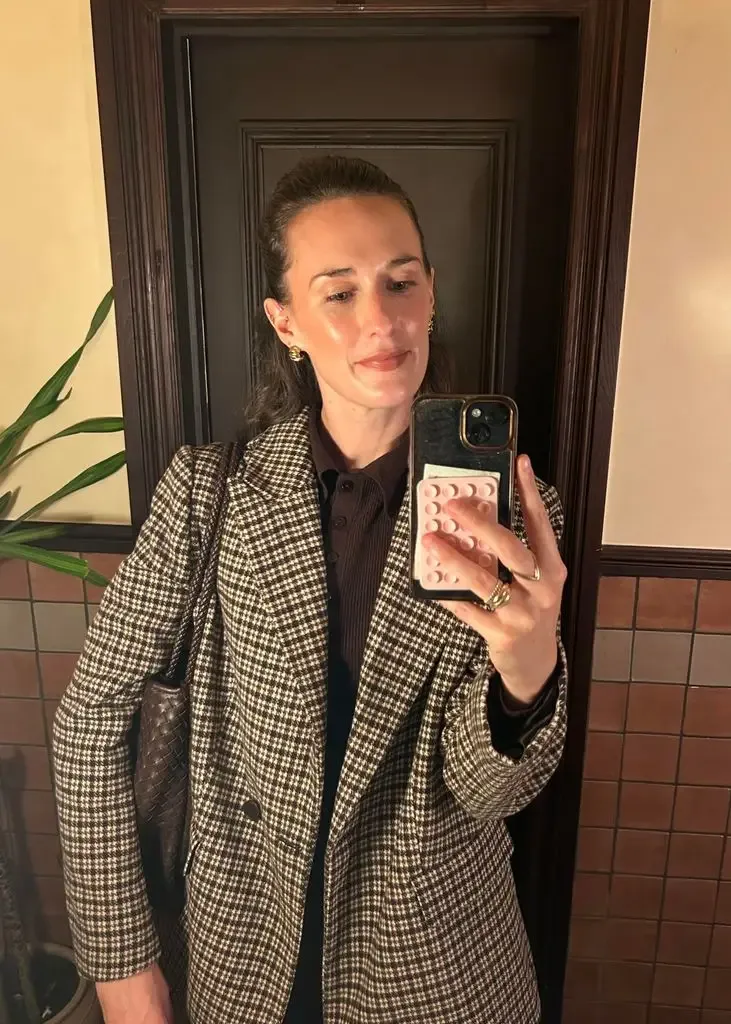
Applying an inside-out styling approach to rediscover personal identity.
Why Midlife Demands a Style Evolution, Not Mourning
Falling out of love with your rail of clothes does not signify that your personal taste has expired. The friction arises because your personal journey and physical vessel have progressed, while your wardrobe remains anchored in an obsolete chapter.
Thompson highlights that this disconnect happens primarily because your lifestyle, career, and comfort thresholds have transitioned, yet your rail still reflects a former reality. Longing for a twenty-year-old silhouette only invites unnecessary self-loathing.
Reframing this phase offers a creative release. Midlife provides an opportunity to analyse what genuinely serves your comfort, stature, and peace of mind today, marrying mature tailoring with touches of creative play.

Rethinking daily style choices to prioritise mental clarity over external validation.
Putting Enclothed Cognition into Daily Practice
Transforming your daily routine does not require an immediate, expensive high-street overhaul. Thompson advises a methodical audit grounded in emotional clarity rather than rigid fashion rules.
Three Crucial Questions for Intentional Dressing
- How do you want to feel? Identify whether your day demands authority, quiet reassurance, dynamic energy, or pure physical ease.
- How do you want to come across? Consider the tone you intend to set when entering professional or social settings.
- What would make you excited to get dressed again? Pinpoint tactile textures, expressive hues, or specific cuts that evoke genuine joy.
Auditing your current collection begins by ruthlessly culling garments that trigger discomfort or guilt. Examine the remaining pieces that consistently make you feel capable, noting common factors across their fabrics, proportions, and emotional associations.
Tactile comfort remains paramount. When internal temperature spikes or skin sensitivity occur, synthetic fabrics turn into sensory irritants, derailing your focus. Breathable cotton shirts and soft, lightweight turtlenecks keep you cool and supported, eliminating physical distractions so you can remain fully present during high-stakes presentations.
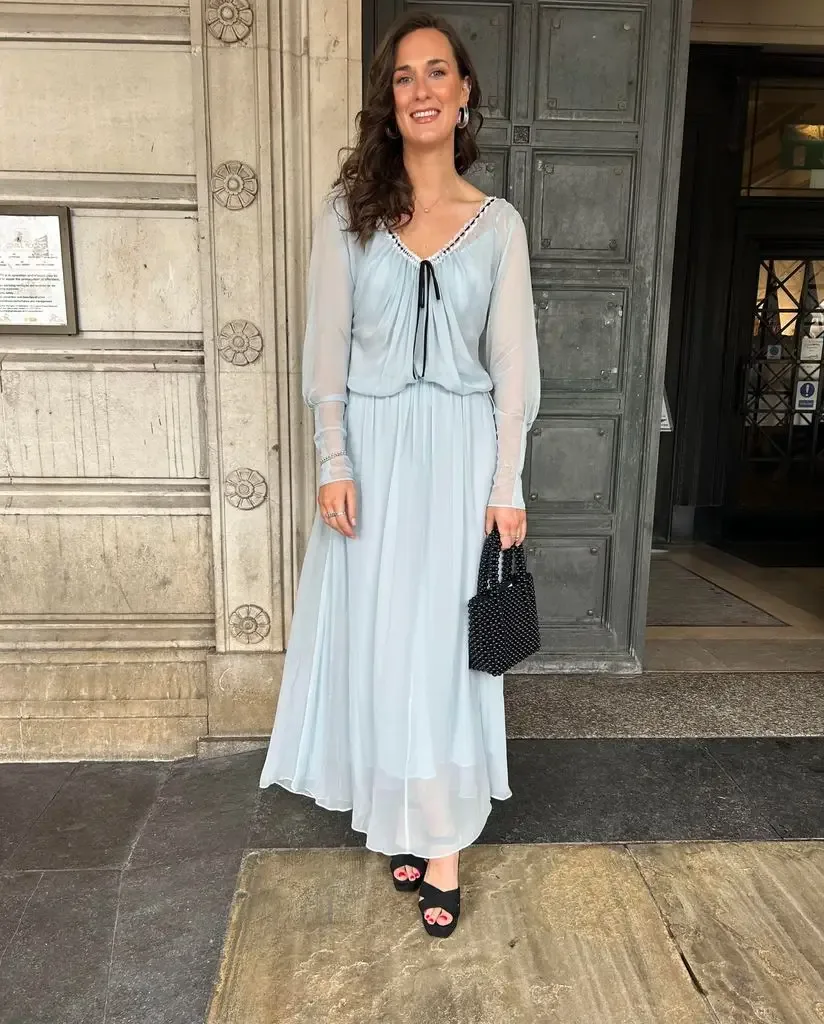
Cool ice blue tones selected to complement natural features and elevate personal presence.
Strategic Colour, Physical Anchors, and Structural Support
Rather than viewing colour psychology as a prescriptive formula where red simply denotes dominance, enclothed cognition explores how hues shift your internal energy. Thompson points out that individuals often embrace vibrant prints effortlessly on holiday because their mental state is naturally relaxed and open.
As complexions soften and hair lightens with age, your relationship with specific shades naturally shifts. Experimenting with fresh tones—such as trading draining jet black for crisp ice blue, energetic red, or soft pink—can brighten your complexion and transform how you carry yourself across a crowded room.
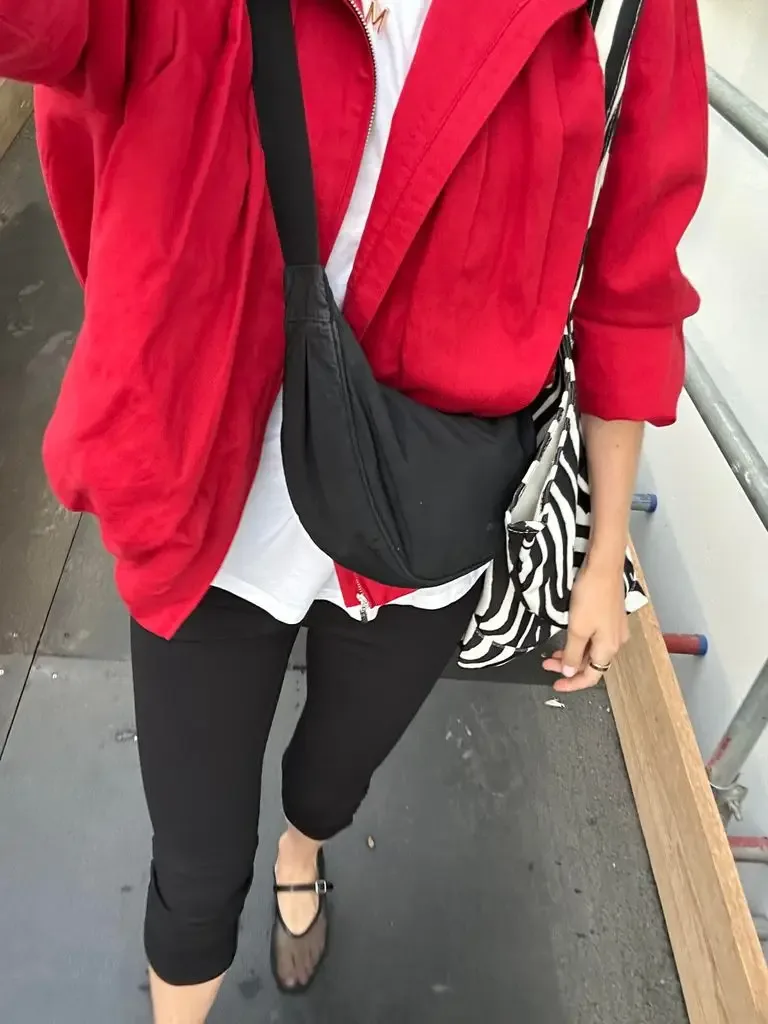
A sharp red jacket styled to introduce vibrant energy on a gloomy London afternoon.
For those apprehensive about bold palettes, simple micro-adjustments provide high returns. Swapping standard black boots for vibrant trainers, or adding an expressive handbag to neutral layers, alters the psychological impact of an outfit without forcing you outside your comfort zone.
Equally powerful are sensory memory anchors. Wearing a parent’s ring, a treasured necklace, or a garment linked to a past personal triumph provides tangible emotional grounding during anxious moments, acting as an armour of quiet reassurance.
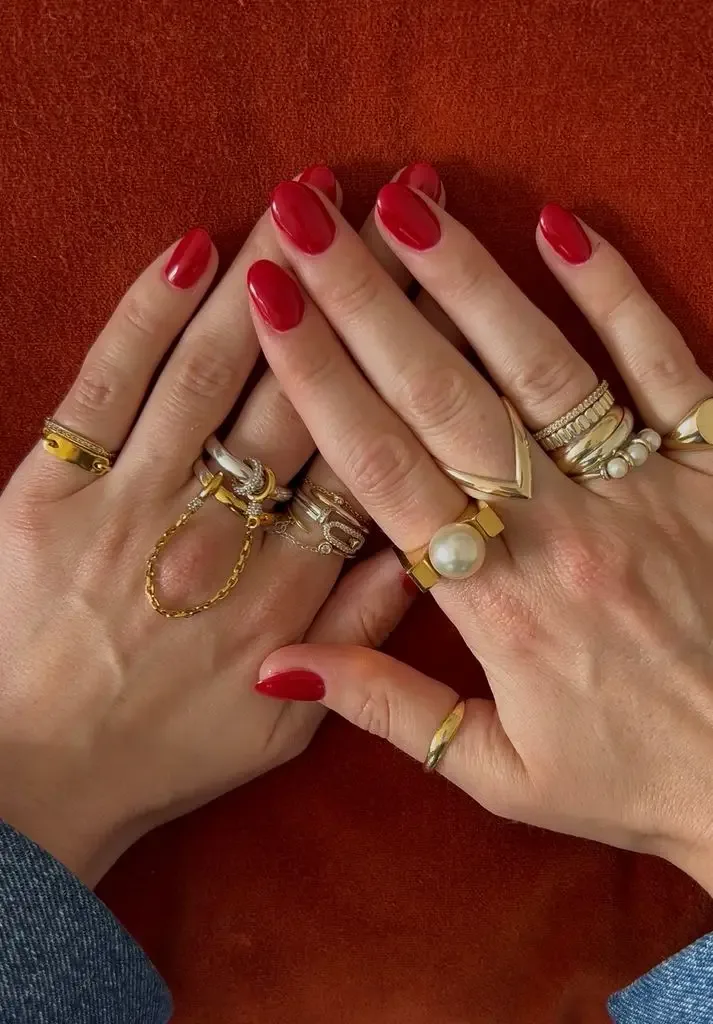
Sentimental jewellery pieces worn as emotional grounding anchors on challenging days.
When high-pressure environments demand professional authority, structural tailoring works as an instant physical cue. Rigid fabrics, structured shoulder lines, and trouser cuts designed without pocket bulges eliminate fidgeting, naturally pulling your posture upright and dismantling imposter syndrome before a meeting begins.
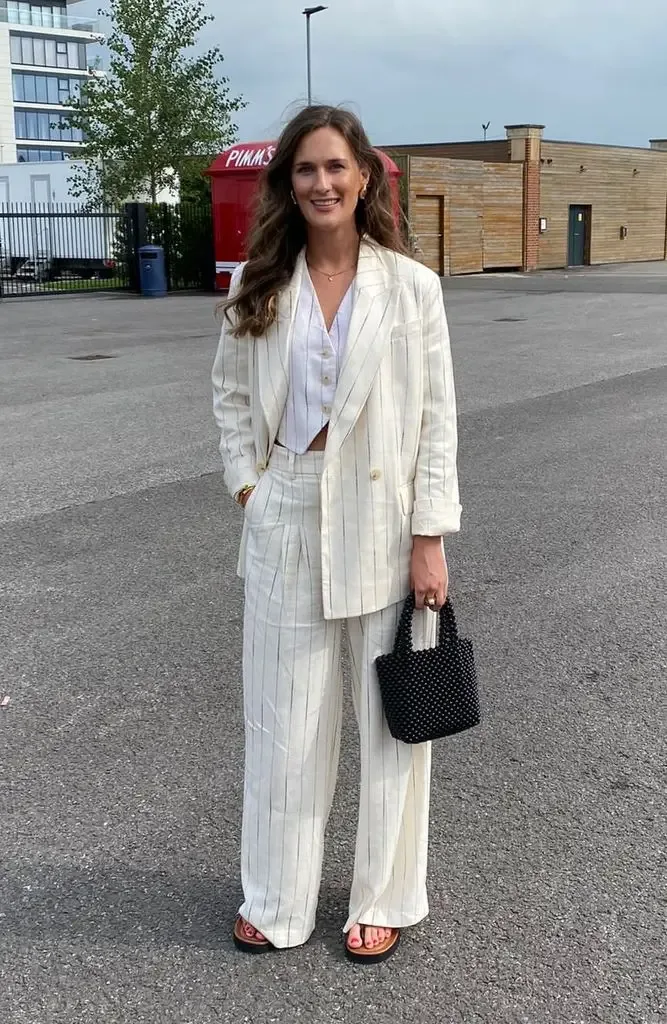
Structured summer tailoring utilised as a reliable formula for professional posture.
Maintaining Intuition Over Rigid Guidelines
The cardinal pitfall with any styling psychology is allowing it to morph into another suffocating rulebook. Thompson cautions against turning tonal theory or wardrobe curation into a rigid demand that stifles spontaneous self-expression.
Taking five intentional minutes each morning to choose one emotional anchor word—whether that is ‘knowledgeable’, ‘composed’, or ‘resilient’—grounds your wardrobe choices in genuine personal authority.
💡 Embracing your evolving style is not about recapturing youth, but unlocking the potent presence you hold right now.
🔍 When you dress to regulate your mind rather than appease external expectations, getting ready becomes an empowering ritual of authentic self-care.
📌 Small, deliberate adjustments to cut, texture, and sentimental detailing can immediately alter how you move through the world.
👇 Have you noticed what you wear dramatically altering your mood or confidence as your life has changed? Share your experiences and go-to wardrobe anchors in the comments below.
Source: www.hellomagazine.com
 1
 2
 3
 4