
After 30 Years on the Brink, the Colorado River’s Massive Razorback Sucker Officially Leaves the Endangered List

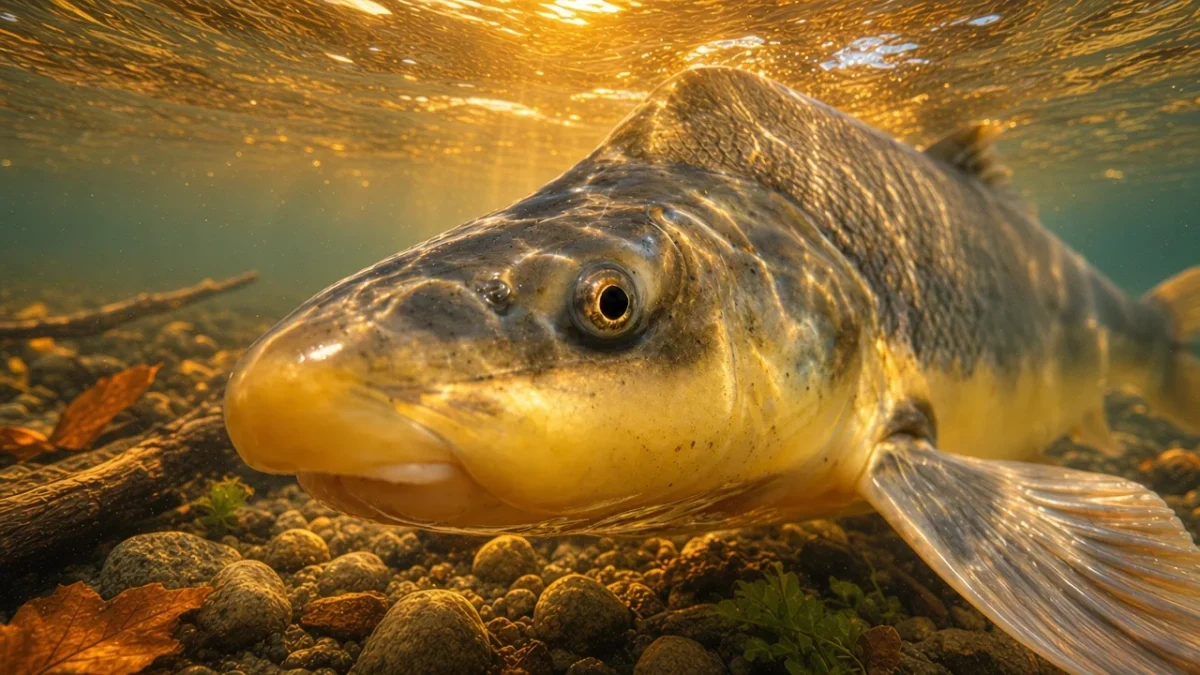
After more than three decades under the most restrictive federal protections, the razorback sucker is officially no longer classified as endangered. The U.S. Fish and Wildlife Service announced the historic downlisting of the iconic Colorado River native to “threatened” status, celebrating an extraordinary rebound from near-total collapse.
In the early 1990s, the species’ largest remaining group plummeted to a critical low of just 100 adult fish. Decades of intensive intervention have pushed that single population back up to roughly 36,000 adults across the American Southwest.
While the redesignation marks one of the biggest conservation milestones in regional history, officials emphasize that the fish is still not completely out of the woods.
How Federal Agencies Pulled a Native Giant Back From Extinction
The razorback sucker (Xyrauchen texanus) was formally placed on the federal endangered species list in 1991, following early state-level protections in Utah in 1973 and Colorado in 1979. Altered river systems, water diversions, and predatory nonnative species had devastated its natural breeding grounds.
Reversing that trajectory took a coordinated, multi-state effort spanning Arizona, Colorado, California, New Mexico, Nevada, and Utah. Conservation teams focused on rebuilding depleted stocks while aggressively reshaping river management.
- Targeted breeding and stocking: Raising juvenile fish in secure environments before reintroducing them into the river network.
- Nonnative predator removal: Controlling competing invasive fish species that preyed on vulnerable young suckers.
- Flow and habitat restoration: Actively tracking and adjusting river flows to recreate vital seasonal floodplains and backwaters.
- Controlled conservation access: Authorizing limited captures of specimens so scientists can track health and maintain genetic resilience.
Decades of targeted habitat restoration and nonnative predator suppression have demonstrated that long-term river recovery programs can prevent immediate extinction.
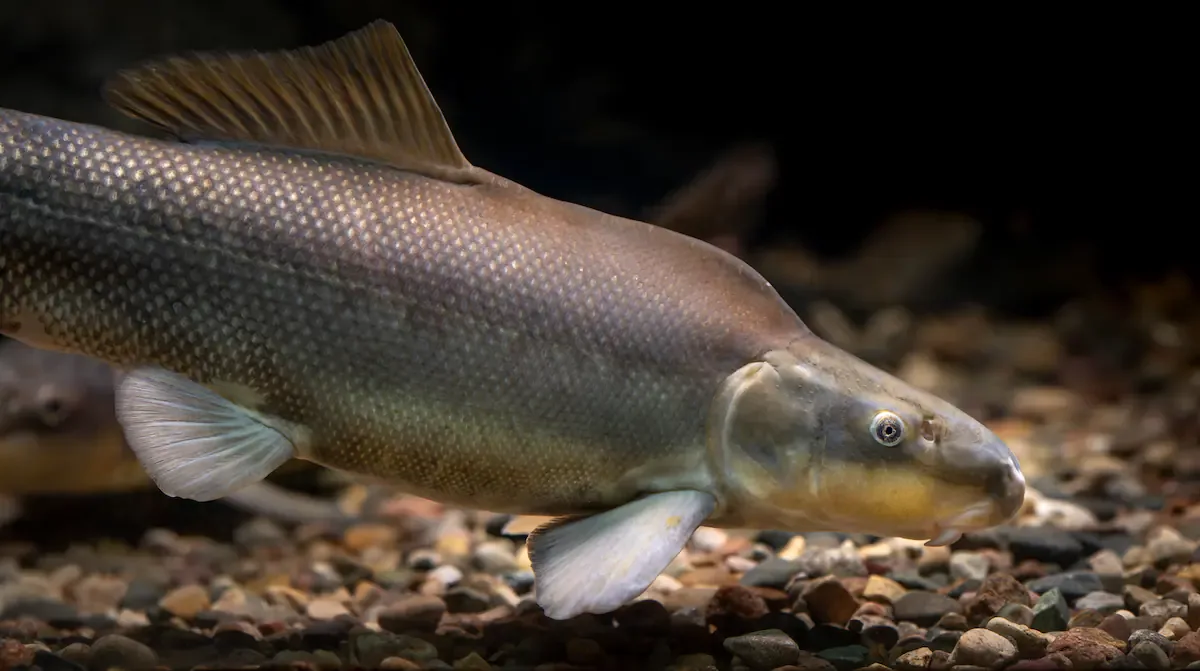
The razorback sucker, native to the Colorado River basin.
Profile of a Desert River Survivor
Among native freshwater river species in the United States, the razorback sucker is an undeniable heavyweight. Capable of weighing up to 10 pounds (4.5 kilograms), it easily ranks among the largest native fish found in the entire Colorado River basin.
It gets its distinctive name from the sharp, bony dorsal keel behind its head, an evolutionary feature built to help stabilize the fish in turbulent river currents. Despite that adaptation, adult razorbacks frequently seek out calm eddies and deep backwaters, demonstrating high tolerance across variable desert water temperatures.
Myth vs. Reality: Does Downlisting Mean Full Recovery?
A common misconception is that shifting a species from “endangered” to “threatened” signals complete recovery and the end of environmental oversight. In reality, the change confirms that immediate extinction is no longer imminent, but ongoing federal protections under the Endangered Species Act remain firmly active.
The razorback sucker now survives across eight distinct populations throughout the basin. Maintaining those numbers requires continuous habitat oversight and active suppression of introduced predators.
| Metric | Conservation Status & Details |
|---|---|
| Federal Classification | Reclassified from Endangered to Threatened |
| Key Geographic Range | AZ, CA, CO, NM, NV, and UT (Colorado River Basin) |
| Primary Population Baseline | 100 adults (1990) |
| Primary Population Today | Approximately 36,000 adults |
| Maximum Weight | Up to 10 lbs (4.5 kg) |
| Active Populations | 8 recognized wild populations |
✨ The recovery of the razorback sucker proves that targeted, long-term conservation across western rivers can pull native wildlife back from the absolute brink.
📱 Sustaining this rebound requires ongoing stewardship as desert river habitats continue to face shifting environmental pressures.
💬 What are your thoughts on this major conservation milestone for the American Southwest? Drop your thoughts in the comments below!
👇 Share this story with fellow wildlife enthusiasts and keep the conversation going.
 1
 2
 3
 4
