
Elon Musk Promised a ‘Historically Accurate’ Homer Film to Rival Christopher Nolan—Then Grok Imagine Released This Seven-Minute Disaster

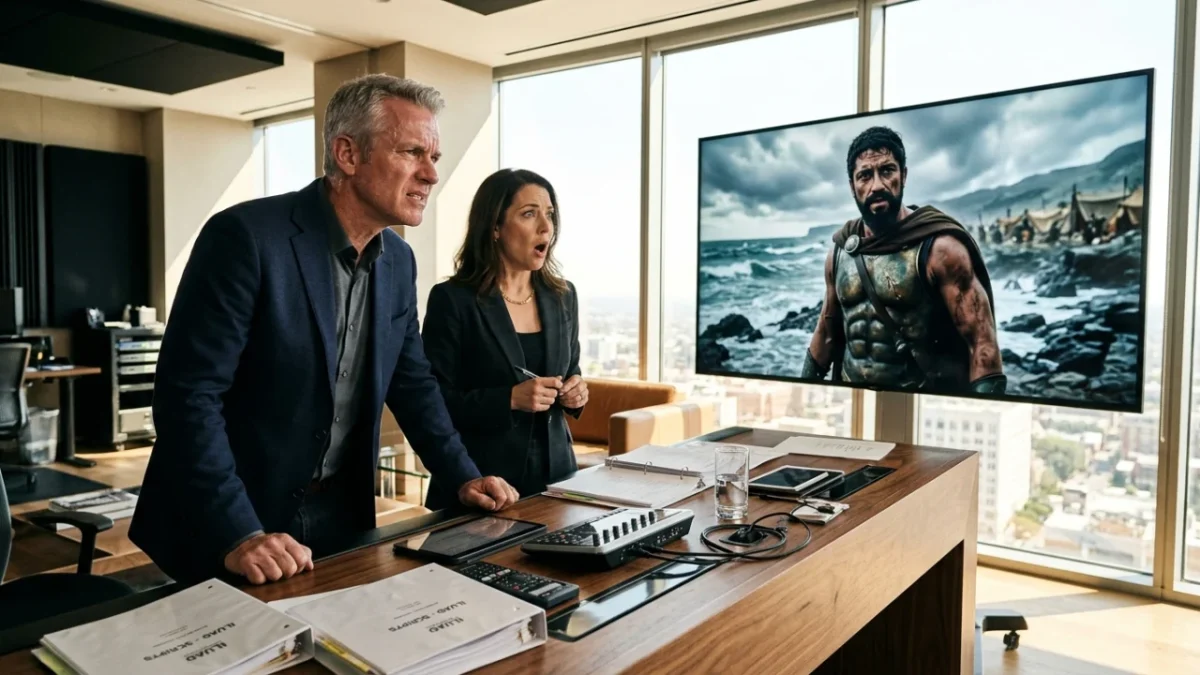
Elon Musk’s high-stakes gamble to outshine Hollywood with an entirely artificial-intelligence-generated epic has crashed into fierce public ridicule, as the debut episode of his Grok Imagine Odyssey faced swift backlash for stiff animation and disjointed storytelling. The seven-minute clip arrived on X following months of bold promises from the billionaire, who claimed his generative AI tools would craft a historically authentic masterpiece based on Homer’s ancient text.
Musk announced the ambitious venture in July, taking direct aim at director Christopher Nolan’s box-office juggernaut. Nolan’s theatrical adaptation of The Odyssey cleared more than $1.1 billion worldwide, becoming Universal’s highest-grossing release to date whilst securing career-best critical ratings.
Yet Musk publicly attacked Nolan’s triumph, disparaging the cinematic blockbuster for casting non-white and transgender performers.
In response, Musk pledged that Grok Imagine would produce a full-length, “historically accurate” feature film true to Homer’s vision before the year drew to a close.
The Reality Behind the Seven-Minute Debut
Instead of delivering a cinematic masterclass, the creative collaboration between AI production outfit Wonder Studios and director Dev Walker left viewers utterly baffled.
Far from presenting a coherent narrative, the preview runs like a chaotic sequence of disconnected cuts. Characters appear without names, motive, or backstory, engaged in hostile shouting matches while an ominous voiceover drones on without clarifying what is happening on screen.
Reviewers and viewers quickly noted an uncanny awkwardness across the entire seven-minute presentation.
Why Critics are Branding the Project ‘Hard to Watch’
While isolated stills occasionally mimic high-end cinematography, the illusion shatters the second the figures begin to move across the digital landscape.
- Uncanny physics: Figures move with rigid, unnatural posture, undermined further by harsh, inconsistent digital lighting.
- Peculiar geography: The rugged Greek island setting bizarrely resembles the windswept Scottish Highlands rather than the ancient Aegean Sea.
- Dialogue disconnect: Characters deliver stilted English dialogue in faint British accents that offer zero context for the unfolding conflict.
- Familiar aesthetics: Several battle sequences and backdrops bear an eerie resemblance to scenes from Game of Thrones, prompting questions over the dataset behind the model.
Musk’s Feud with Hollywood Takes an Awkward Turn
The disastrous preview underscores the widening gulf between generative video demonstrations and the emotional depth of traditional filmmaking.
Viewers quickly labelled the production “pure garbage” and a “trashy film”, questioning whether automated algorithms can ever replace human craft and deliberate direction.
Neither Musk nor the Grok Imagine team have issued a follow-up statement addressing the wave of derision.
With the deadline for the promised full-length feature fast approaching, the credibility of Musk’s proprietary cinematic vision faces its steepest challenge yet.
🔍 The gulf between hyper-hyped AI capabilities and polished, emotionally resonant storytelling has rarely looked wider than on the shores of Musk’s synthetic Ithaca.
📌 As tech firms push generative video into creative spaces, audiences appear unwilling to swap genuine dramatic tension for algorithmic novelty.
👇 Did you watch the seven-minute Grok Imagine clip, and do you believe AI will ever truly rival human directors? Share your thoughts below.
 1
 2
 3
 4