
Inside the Haunted House Phenomenon: How Commercial Spectacles Fabricate Paranormal Lore While Real Historic Mansions Turn Genuine Tragedies into Educational Heritage

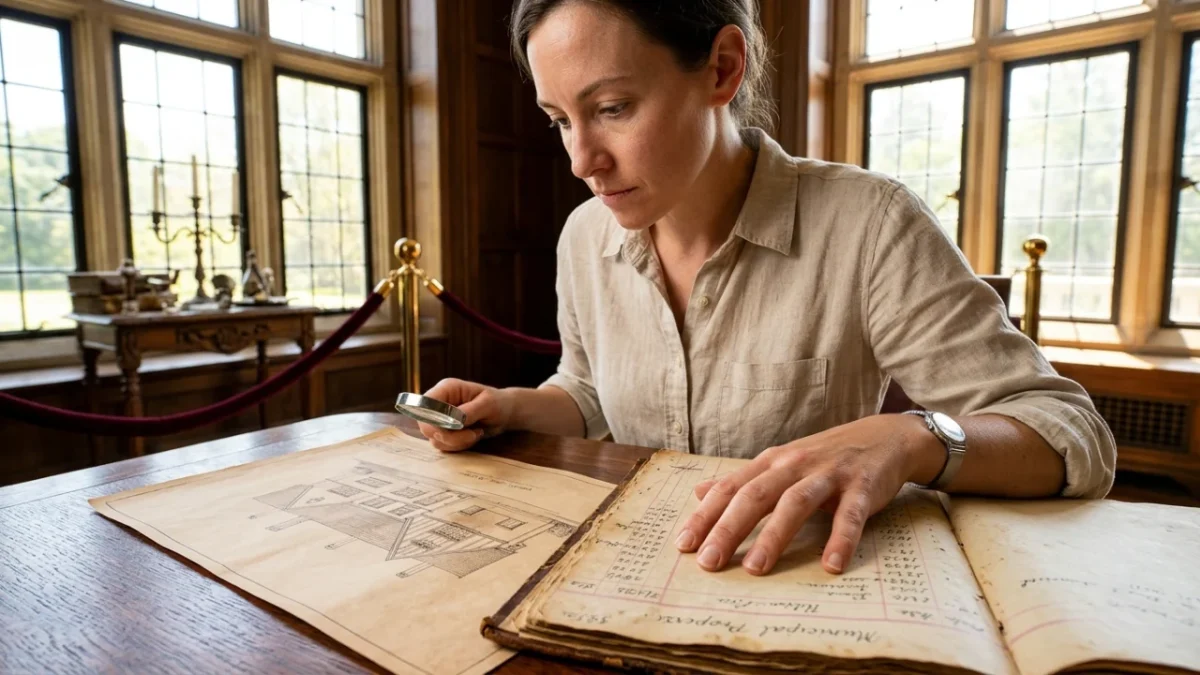
Commercial supernatural attractions often invent dark legends out of thin air to sell tickets, while authentic historic properties rely on documented grief and social history to explain their eerie reputations. Public deeds, municipal land registries, and archival records consistently demonstrate that the most terrifying tales surrounding an infamous haunted house are frequently manufactured folklore rather than historic fact.
Every autumn, millions of thrill-seekers flock to reputedly cursed buildings, spending considerable sums on ghost tours and paranormal exhibitions. Yet an investigative look behind the creaking doors reveals a striking divide between commercial theatre and documented heritage.
Official records frequently contradict the gruesome backstories marketed to the public, proving that genuine history is often far more nuanced than supernatural spectacle.
Commercial Mythmaking: The Deconstruction of a Manufactured Legend
When television personality Zak Bagans purchased a 30-room Tudor Revival mansion at 600 E. Charleston Boulevard in Las Vegas to house his paranormal museum, the site was heavily marketed as an abandoned former den of dark rituals. Promoted under the sinister moniker of “the witch house,” promotional materials alleged that occult gatherings occurred in its vacant basement during the 1970s.
Public land registry filings tell an entirely different story. Official documentation held by the Clark County Assessor demonstrates that the property was never abandoned at any point in its history.
The mansion was commissioned in 1938 by prominent civic leader Cyril Wengert and his wife Lottie Wengert, who raised their children within its walls. Following Lottie’s death in 1968, the estate transferred through reputable commercial real estate entities, serving continuously as corporate suites and upscale legal offices.
Before Bagans’ firm, Hellfire Media LLC, acquired the premises for $1.4 million in November 2015, the building had been owned and actively occupied since September 1997 by the State Bar of Nevada. Furthermore, municipal archives show no pre-2015 references to witchcraft or clandestine rituals on the site.
Archival Truth Versus Ticketed Fiction
The stark discrepancy between official records and commercial marketing reveals how quickly an ordinary building can be reframed to fuel dark tourism.
- Fictional Basement Rites: Claims of bloodstained occult markings relied solely on a single unverified childhood recollection from Rachel Vosko, with no corroborating municipal records or contemporary police reports.
- Misattributed Tragedies: Tour narratives suggested child spirits roamed the corridors, yet family records show the Wengerts’ eldest son, Cyril Jr., died in a hospital in March 1930—eight years before the mansion was even built.
- Continuous Lawful Occupancy: Rather than sitting derelict, the building hosted solicitors and administrative barristers for over four decades prior to its conversion into an exhibition venue.
Descendants of the original owners have publicly condemned the sensationalised narratives, confirming that no anomalous activity ever occurred during their residency and characterising the lurid tales as commercial inventions designed to drive admissions.
When Heritage Embraces Folklore: The Historic Approach
A completely different philosophy exists at authentic heritage sites, where unexplained phenomena are contextualised through verified social history rather than sensationalism. At the nearly two-century-old Gorgas House Museum in Alabama, staff manage a historic haunted house reputation by tethering folklore directly to documented Victorian bereavement.
Originally serving as a dining hall, post office, and campus infirmary, the building became the long-term residence of Amelia Gayle Gorgas, a revered nineteenth-century figure known as the “campus mother” who managed the post and university infirmary directly from her quarters.
Because at least six people died inside the structure during its era as an infirmary and private home, staff and students have long reported hearing phantom footsteps, music boxes sounding unassisted, and whispers along the staircase.
Museum director Sonya Harwood-Johnson separates the lore into things that are clearly explainable and unresolved campus legends, using the curiosity to teach nineteenth-century culture.
Rather than monetising cheap scares, student interns created exhibits such as Calling the Spirits In: Spiritualism in America. The educational display examines how post-Civil War families used mediumship, post-mortem photography, and early science to navigate profound personal grief.
The Consumer Reality Behind Spooky Attractions
Consumer watchdogs and trading standards bodies in the UK frequently highlight the need for clear boundaries between historic fact and immersive entertainment. When historic buildings are rebadged as cursed attractions, visitors should approach the marketing with a critical eye.
Genuine heritage sites use folklore to illuminate the harsh realities of Victorian healthcare and wartime mourning. In contrast, purely commercial scare attractions rely on fabricated urban legends to generate viral curiosity.
Understanding the archival trail behind any legendary haunted house restores dignity to the real people who lived and worked there, long before ghost hunters arrived with recording equipment.
💡 Examining municipal property deeds remains the single most reliable method for separating genuine architectural heritage from theatrical fiction.
🔍 Whether an estate preserves genuine Victorian grief or peddles modern stagecraft, the public appetite for spine-tingling legends shows no sign of waning.
📌 Have you ever visited a historic building and experienced something you could not explain, or do you view all ghost stories as clever marketing? Share your experiences in the comments below.
 1
 2
 3
 4