
The Exact Indoor Temperature and Humidity Window That Protects Your Lungs, Slashes Power Bills, and Halts Toxic Apartment Mold

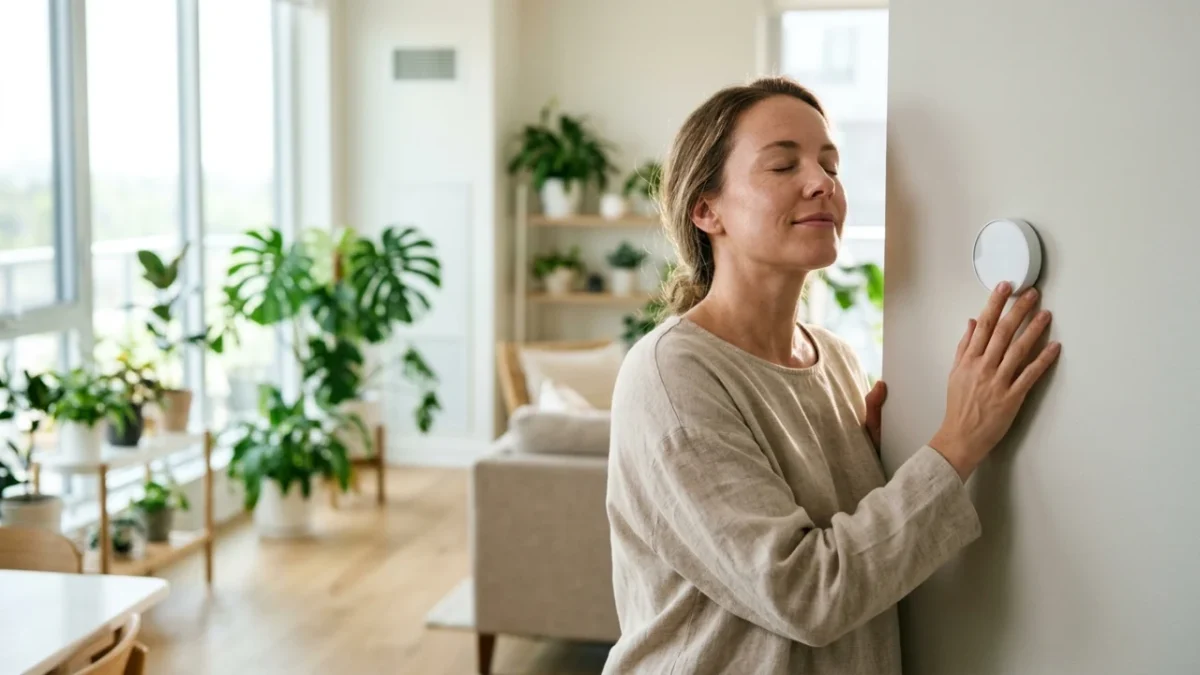
Maintaining an indoor climate between 68°F and 72°F alongside a relative humidity level strictly between 30% and 50% represents the definitive scientific baseline for respiratory health, optimal energy efficiency, and stopping structural mold before it starts. Drifting even slightly outside these parameters transforms an enclosed living space into an incubator for airborne allergens or a high-static environment that irritates human airways.
Most apartment dwellers adjust thermostats purely based on immediate physical comfort, completely unaware that ambient moisture dictates how warm or cool the air actually feels. Controlling these twin variables requires understanding the physics of enclosed airspaces rather than simply cranking the heating or cooling unit.
When relative humidity spikes, your body loses its natural ability to cool itself through evaporation, making a moderate room feel stifling and heavy.
The Golden Ratio: What Federal Agencies and Health Specialists Mandate
The United States Environmental Protection Agency recommends keeping indoor relative humidity firmly between 30% and 50%, cautioning that levels should never surpass 60%. Crossing that upper threshold triggers rapid colonization of dust mites and fungal spores behind drywall, under baseboards, and inside tightly sealed closets.
Simultaneously, the ideal apartment temperature sits around 68°F (20°C) during waking hours for active living spaces. For restorative sleep, neurological and pulmonary specialists recommend dialing down the thermostat to between 60°F and 67°F (15°C to 19°C), allowing the core internal body temperature to drop naturally for deep non-REM rest.
- Daytime Living Spaces: 68°F to 72°F (20°C to 22°C) keeps occupant metabolic rates balanced without forcing HVAC compressors into constant strain.
- Overnight Sleep Settings: 65°F (18°C) paired with 40% humidity optimizes oxygen intake and minimizes sleep fragmentation.
- Upper Safety Boundary: Exceeding 55% humidity at 75°F creates rapid condensation points along exterior walls, windows, and poorly ventilated bathrooms.
The High-Humidity Danger Zone: Why 60% Is an Immediate Hazard
In multi-family residential buildings, excess moisture travels through shared cavities, subflooring, and ceiling plenums. When indoor air consistently holds more than 60% relative moisture, microscopic mold spores settle on cellulose materials, including wallboard paper and carpet padding.
Prolonged exposure to these conditions exacerbates chronic asthma, sparks allergic rhinitis, and compromises the immune defenses of occupants. Furthermore, moist air forces air conditioning compressors to work significantly harder, dramatically inflating monthly utility bills without delivering genuine relief.
The Arid Winter Trap: Hidden Costs of Desert-Dry Apartment Air
Plunging below the 30% humidity threshold introduces an entirely separate cluster of physiological and structural hazards. During cold weather spells, forced-air central heating systems superheat incoming exterior air, causing interior moisture levels to crater as low as 15%—a reading drier than the Sahara Desert.
This aggressive dryness strips protective mucosal layers lining the human nose and bronchial passages, leaving individuals vastly more susceptible to seasonal viral infections. Airborne respiratory droplets stay suspended far longer in dry air, spreading airborne particles across shared interior hallways and elevator corridors.
- Sinus and Skin Degradation: Persistent nosebleeds, itchy eyes, eczema flare-ups, and chapped lips signal an urgent need for supplemental moisture.
- Structural Damage: Wooden floorboards shrink and creak, door frames gap, and fine musical instruments or solid wood furniture crack along grain lines.
- Electrostatic Hazards: High static charges accumulate on carpets and upholstery, posing genuine shock risks to sensitive home electronics and computer hardware.
Managing this balance requires moving beyond guesswork and deploying affordable, active monitoring tools.
Strategic Control: How to Regulate Shared Spaces on a Budget
The single most vital investment an apartment resident can make is a basic digital hygrometer, readily available for under twenty dollars. Placing one in the central living area and another in the primary bedroom provides immediate, real-time data on your baseline microclimate.
To pull excess moisture out of humid environments without overhauling building infrastructure, run dedicated exhaust fans during and for twenty minutes after hot showers. In kitchens, ensure cooking steam is captured at the source using range hoods, and consider a compact compressor dehumidifier for corner bedrooms that suffer from limited cross-ventilation.
Conversely, combating bone-dry conditions demands an ultrasonic or evaporative cool-mist humidifier running with distilled or demineralized water. Regularly cleaning water reservoirs prevents the unintended dispersal of mineral dust or bacterial film into your breathing space.
💡 Regulating your living environment protects your long-term health while preserving personal belongings from silent moisture degradation.
🔍 Checking your hygrometer each morning takes just seconds, yet it provides the critical diagnostic data needed to preempt respiratory distress and high energy bills.
📌 Minor seasonal thermostat adjustments deliver profound comfort gains when aligned with target moisture thresholds.
👇 What baseline levels is your apartment currently sitting at, and what strategies have you used to balance persistent moisture issues? Share your routine and questions below.
 1
 2
 3
 4