
Why Pastor Adam Hamilton Challenged Congregations on Islamic Extremism: Inside the Landmark Message from Church of the Resurrection

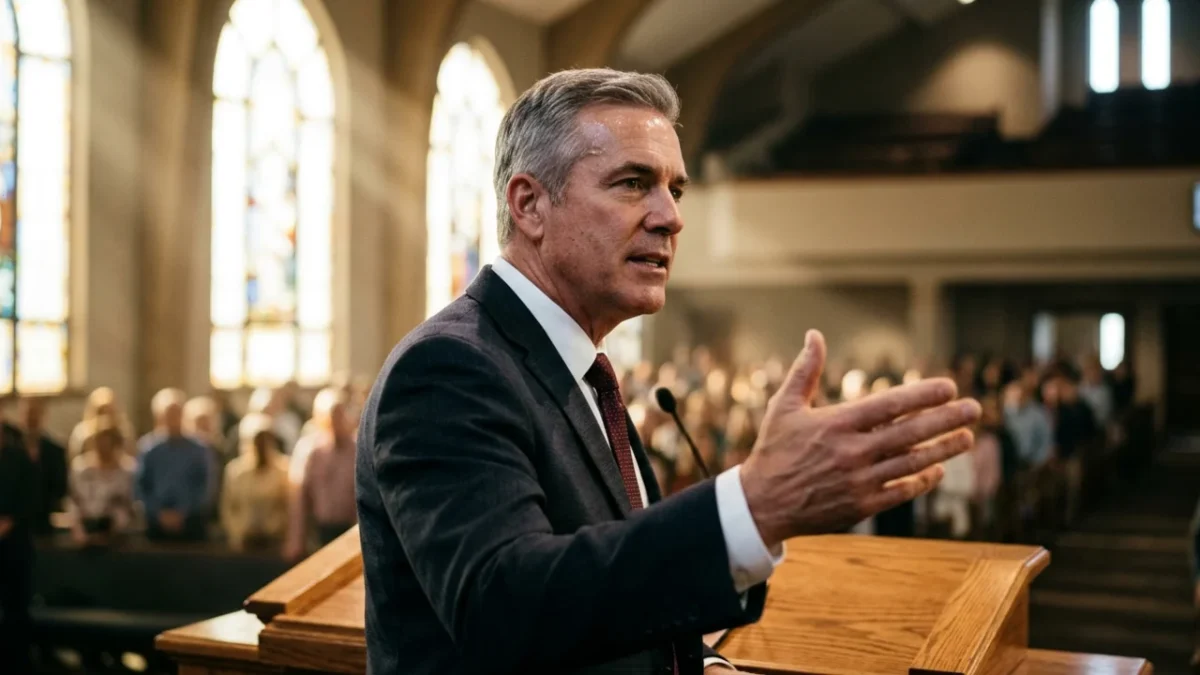
When Pastor Adam Hamilton stepped to the pulpit at the Church of the Resurrection to deliver an address on responding to Islamic extremism, he confronted one of the most volatile theological challenges of modern times by urging believers to separate geopolitical violence from millions of peaceful adherents worldwide. Rather than retreating into partisan rhetoric or broad condemnation, his teaching insisted that authentic Christian discipleship requires moral clarity, rigorous dialogue, and radical compassion across religious divides.
The message addressed a persistent cultural anxiety: how communities of faith ought to handle fear without abandoning their core ethical convictions.
For thousands of congregants and viewers engaging with the address, the sermon provided a nuanced framework that dismantled popular misunderstandings whilst maintaining uncompromised vigilance against violent ideologies.
Deconstructing Hostility: The Theological Core of the Message
At the heart of the teaching delivered by Pastor Adam Hamilton was a resolute distinction between orthodox Islam and violent political extremism. The discourse emphasised that extremist groups exploit theological texts to validate terror, distorting spiritual heritage for political conquest.
By contrasting historic mainstream Islamic scholarship with extremist dogma, the sermon challenged listeners to resist sweeping generalisations that harm civic cohesion.
The teaching argued that fear-driven hostility only reinforces extremist narratives, whereas principled engagement disarms tension and strengthens democratic communities.
A Practical Framework for Christian Engagement
Rather than leaving the congregation with abstract principles, the address outlined distinct behavioural imperatives for people of faith navigating an interconnected, often fractured world:
- Rigorous distinction between faith and extremism: Recognising that violent factions do not speak for the global majority of Muslims, preventing unjust discrimination.
- Commitment to direct relationship: Encouraging local congregations to build genuine friendships and collaborative initiatives with neighbouring religious communities.
- Adherence to the teachings of Jesus: Upholding the command to love neighbours and adversaries alike, even amidst widespread cultural suspicion.
- Rejection of sensationalist rhetoric: Urging believers to scrutinise political narratives that profit from division, suspicion, and communal panic.
This systematic breakdown allowed congregants to ground their perspectives in historical context rather than reactive internet discourse.
The Global Impact of Principled Pulpit Leadership
Discussions regarding interfaith tensions frequently struggle to find balanced footing, making the voice of the Church of the Resurrection particularly influential across mainstream Protestantism. By tackling global crises head-on, such sermons illustrate how large suburban institutions can model constructive engagement rather than defensive isolation.
Leaders across civil society recognise that local faith communities possess substantial power to either inflame community relations or foster resilient social peace.
When influential voices choose education over outrage, they create a protective barrier against radicalisation on all sides of the cultural spectrum.
💡 Navigating complex global dilemmas requires moving beyond impulsive reactions to build genuine understanding across cultural boundaries.
🔍 By reframing public debate around mutual dignity and theological integrity, conversations on difficult international topics become instruments for stability rather than division.
📌 How should modern congregations balance firm convictions with interfaith peacebuilding? Share your thoughts and join the discussion below.
 1
 2
 3
 4