
Mike Rogers and Abdul El-Sayed Strike Unprecedented Common Ground in Michigan Senate Showdown as Both Demand a High-Stakes Donald Trump Intervention

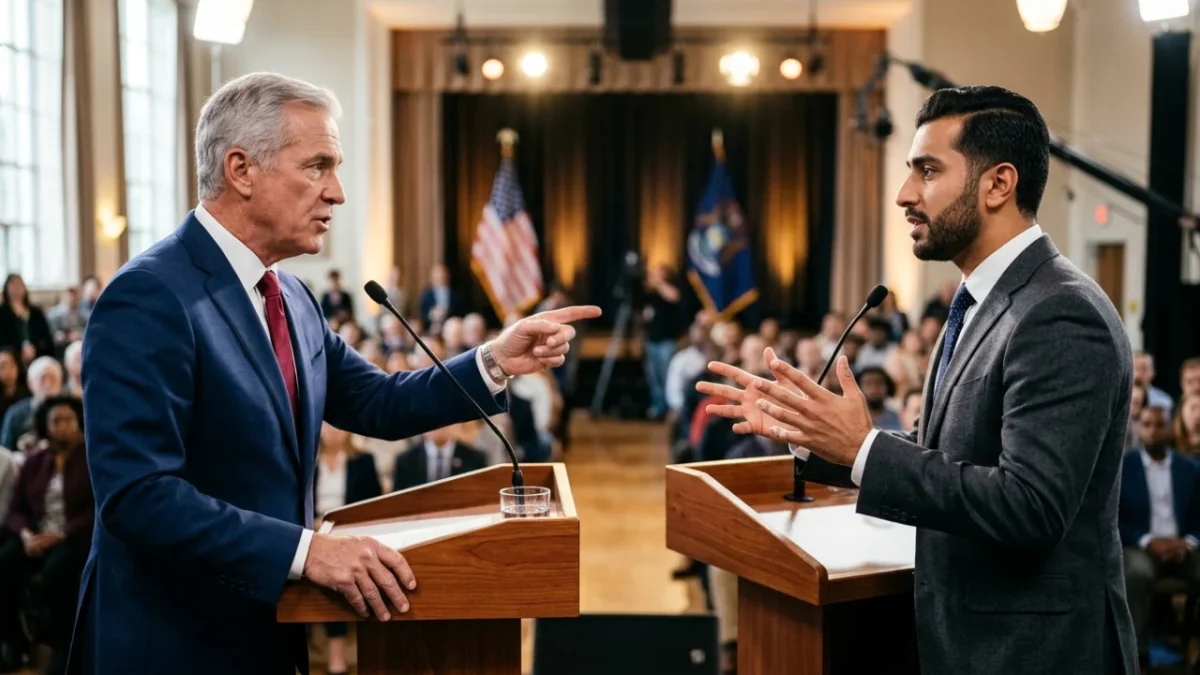
Republican nominee Mike Rogers and his Democratic rival Abdul El-Sayed have reached an astonishing tactical consensus in the knife-edge Michigan Senate race: both candidates want Donald Trump to campaign directly in the state before polling day.
While the two candidates remain diametrically opposed on healthcare, federal tariffs, and trade policy, each campaign believes a presidential appearance will seal victory in America’s most volatile battleground.
For Mike Rogers, a former congressman seeking to become the first Republican to win a Michigan Senate seat since 1994, Trump’s arrival represents a vital catalyst to energise conservative turnout across rural counties.
Yet the political gamble carries immense risk.
El-Sayed, who would become the first Muslim member of the US Senate if elected, publicly invited Trump to campaign during a town hall tour in Escanaba. The Democrat insists that putting the former president centre stage reminds moderate voters of controversial tariff policies, Medicaid reductions, and Middle Eastern foreign policy disputes.
The Arithmetic Behind the Trump Gamble
Recent polling numbers explain why both campaigns are treating a potential Trump appearance as a decisive turning point. The Cook Political Report designates Michigan as the only Democratic-held seat rated a complete toss-up, creating an intense theatre of political warfare following the retirement of Democratic Senator Gary Peters.
Public opinion data reflects an exceptionally fractured electorate:
- The RealClearPolitics polling average places El-Sayed ahead by 48.1 percent to 45.5 percent against Mike Rogers.
- A Mitchell Research & Communications survey recorded Trump’s net approval rating among Michigan voters at minus 14, with disapproval reaching 63 percent among self-described independent voters.
- The same Mitchell poll revealed a stark gender division, with men backing Mike Rogers by 51 percent to 40 percent, whilst women favoured El-Sayed by 50 percent to 33 percent.
- Surveys conducted by InsiderAdvantage and YouGov show the race separated by just one to two percentage points, while a Tyson Group poll conducted for the Alliance for a Better Future placed Rogers ahead by two points.
When asked directly following their initial debate whether he would share a podium alongside Trump, Rogers sidestepped the question and moved to the next topic, highlighting the delicate balancing act required to secure independent suburban voters without dampening base enthusiasm.
Unconventional Coalitions in Detroit and Beyond
Beyond traditional party lines, Mike Rogers has mounted an aggressive effort to assemble an unexpected alliance across historic Democratic strongholds in Detroit.
Rogers points to “Democrats for Rogers” as the fastest-expanding faction of his field campaign. The effort is led by former state Representative Karen Whitsett, focusing on working-class Black and Jewish voters who supported US Representative Haley Stevens during the contentious Democratic primary.
Targeting Democratic Primary Fractures
Stevens captured Detroit with over 60 percent of the primary ballot, making El-Sayed the first statewide Democratic nominee since 2018 to advance without carrying Michigan’s largest city. Rogers aims to exploit those internal fractures by campaigning directly in urban neighbourhoods and running outreach efforts to compress traditional Democratic margins.
El-Sayed has pushed back sharply against the strategy, dismissing his opponent’s outreach as superficial while pursuing disaffected working-class voters who supported Trump in previous contests but feel abandoned by current economic outcomes.
With high costs of living and personal finances dominating voter priorities in CNN/SSRS polling, the closing days of the campaign have turned into a ground war for marginal gains across every demographic pocket.
💡 The outcome in Michigan may dictate majority control of the upper chamber, determining federal judicial confirmations and domestic legislative power for years to come.
🔍 As both camps brace for final appearances alongside party figureheads, the strategic calculus remains finely balanced between rallying the faithful and alienating swing voters.
👇 Can unconventional crossover coalitions swing a decisive Senate battleground, or will party loyalty carry the day? Join the debate in the comments below.
Prefer this source in Google
What to read next
Nearly One Million Egg-Laying Chickens Culled at Massive Commercial Facility as Highly Contagious Avian Influenza Hits Major US Producer
Nearly one million egg-laying chickens have been slaughtered at the second-largest egg-producing farm in the United States after an aggressive wave of…

The October 2026 Hunter’s Moon in Taurus Arrives With a Rare Volatile T-Square and Double Retrograde: Why Your Relationships and Finances Face an Urgent Breaking Point
The intense astrology full moon effects peaking this week stem from the arrival of the Hunter’s Moon in Taurus on 26 October,…
In 1933, Amelia Earhart Secretly Rewrote the Rules of Modern Fashion by Creating Functional Aviator Separates to Fund Her Dangerous Ambitions
In the autumn of 1933, record-breaking pilot Amelia Earhart walked onto the sales floor of Macy’s in New York City not to…

Why Millions Of Supplemental Security Income Recipients Will See Their November Money Arrive Days Ahead Of Schedule
Millions of vulnerable Americans relying on Supplemental Security Income will receive their monthly allocation early, with funds arriving directly into bank accounts…
 1
 2
 3
 4